
 Deutschland
 Schweiz (DE)
 France
 Nederland
 Great Britain
 Italia
 España
VS
BMW 1 Series VS Ford Capri – Specs, Efficiency & Price Comparison
Which model is the better choice – the BMW 1 Series or the Ford Capri? We compare performance (300 HP vs 340 HP), boot capacity (380 L vs 572 L), efficiency (4.30 L vs 13.30 kWh), and of course, the price (28200 £ vs 38500 £).
Find out now which car fits your needs better!
The BMW 1 Series (Hatchback) is powered by a Diesel, Petrol MHEV, Diesel MHEV or Petrol engine and comes with a Automatic transmission. In comparison, the Ford Capri (SUV) features a Electric engine and a Automatic gearbox.
When it comes to boot capacity, the BMW 1 Series offers 380 L, while the Ford Capri provides 572 L – depending on what matters most to you. If you’re looking for more power, you’ll need to decide whether the 300 HP of the BMW 1 Series or the 340 HP of the Ford Capri suits your needs better.
There are also differences in efficiency: 4.30 L vs 13.30 kWh. In terms of price, the BMW 1 Series starts at 28200 £, while the Ford Capri is available from 38500 £.
Compare all the key specs now and find out which model fits your lifestyle best!
BMW 1 Series
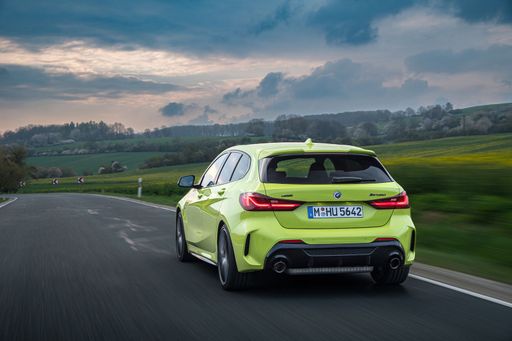
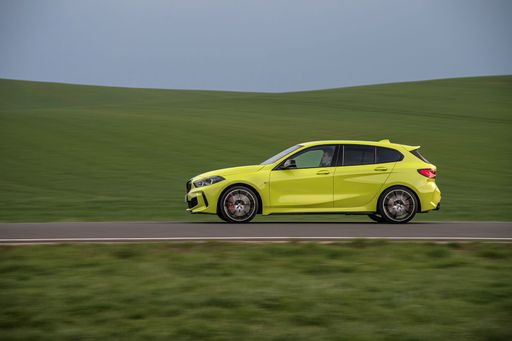
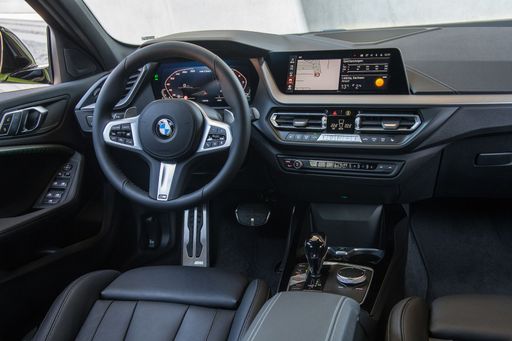
The BMW 1 Series stands out with its dynamic design that embodies both elegance and sportiness, making it an attractive choice for urban driving. Its interior offers a premium feel, combining quality materials with the latest in technological features to enhance comfort and connect drivers. Under the bonnet, a range of efficient engines ensures a responsive and enjoyable driving experience, balancing power with practicality.
details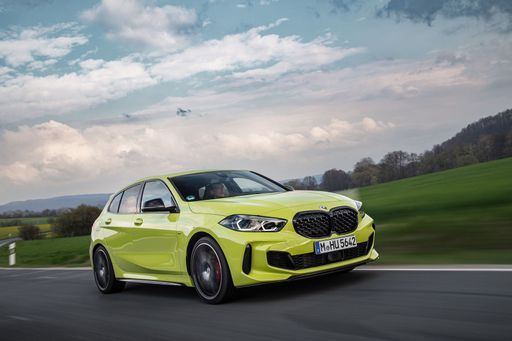 @ press.bmwgroup.com
 @ press.bmwgroup.com
 @ press.bmwgroup.com
 @ press.bmwgroup.com
 @ press.bmwgroup.com
Ford Capri
The Ford Capri is a classic car that captivated enthusiasts with its sleek design and sporty appeal. Its long bonnet and distinctive styling made it a standout on the roads, earning it the nickname "The Car You Always Promised Yourself." With a charismatic blend of performance and charm, the Capri remains a beloved icon in the automotive world.
details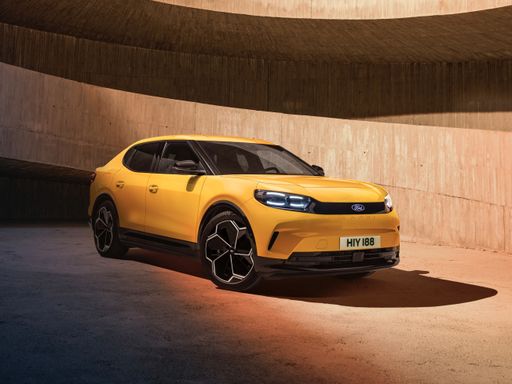 @ media.ford.com
 @ media.ford.com
BMW 1 Series
Ford Capri
|
|
|
|
|
|
Costs and Consumption |
|
|---|---|
|
Price
28200 - 51000 £
|
Price
38500 - 51100 £
|
|
Consumption L/100km
4.3 - 7.6 L
|
Consumption L/100km
-
|
|
Consumption kWh/100km
-
|
Consumption kWh/100km
13.3 - 15.8 kWh
|
|
Electric Range
-
|
Electric Range
560 - 627 km
|
|
Battery Capacity
-
|
Battery Capacity
52 - 79 kWh
|
|
co2
112 - 173 g/km
|
co2
0 g/km
|
|
Fuel tank capacity
49 L
|
Fuel tank capacity
-
|
Dimensions and Body |
|
|---|---|
|
Body Type
Hatchback
|
Body Type
SUV
|
|
Seats
5
|
Seats
5
|
|
Doors
5
|
Doors
5
|
|
Curb weight
1465 - 1625 kg
|
Curb weight
2098 - 2174 kg
|
|
Trunk capacity
300 - 380 L
|
Trunk capacity
567 - 572 L
|
|
Length
4361 mm
|
Length
4634 mm
|
|
Width
1800 mm
|
Width
1872 mm
|
|
Height
1459 mm
|
Height
1626 mm
|
|
Payload
475 - 510 kg
|
Payload
571 - 587 kg
|
Engine and Performance |
|
|---|---|
|
Engine Type
Diesel, Petrol MHEV, Diesel MHEV, Petrol
|
Engine Type
Electric
|
|
Transmission
Automatic
|
Transmission
Automatic
|
|
Transmission Detail
Dual-Clutch Automatic
|
Transmission Detail
Reduction Gearbox
|
|
Drive Type
Front-Wheel Drive, All-Wheel Drive
|
Drive Type
Rear-Wheel Drive, All-Wheel Drive
|
|
Power HP
122 - 300 HP
|
Power HP
170 - 340 HP
|
|
Acceleration 0-100km/h
4.9 - 9.8 s
|
Acceleration 0-100km/h
5.3 - 6.4 s
|
|
Max Speed
210 - 250 km/h
|
Max Speed
180 km/h
|
|
Torque
230 - 400 Nm
|
Torque
310 - 679 Nm
|
|
Number of Cylinders
3 - 4
|
Number of Cylinders
-
|
|
Power kW
90 - 221 kW
|
Power kW
125 - 250 kW
|
|
Engine capacity
1499 - 1998 cm3
|
Engine capacity
-
|
General |
|
|---|---|
|
Model Year
2024
|
Model Year
2024 - 2025
|
|
CO2 Efficiency Class
D, C, F
|
CO2 Efficiency Class
A
|
|
Brand
BMW
|
Brand
Ford
|
BMW 1 Series
Exploring the BMW 1 Series: A Compact Powerhouse
The latest iteration of the BMW 1 Series continues to set the benchmark for premium compact cars, blending cutting-edge technology and efficient performance. Known for its sporty design and responsive driving dynamics, the BMW 1 Series offers a range of options that cater to varied preferences and needs. Let’s delve into the technical details and innovations that make this vehicle a standout in its class.
Advanced Engine Variants and Performance
Under the hood, the BMW 1 Series offers a varied selection of powertrains, including diesel, petrol mild-hybrid, and pure petrol options. Power outputs range from 150 to an impressive 300 PS, allowing drivers to opt for either efficiency or sheer performance. The utilisation of mild-hybrid technology in some variants ensures a smooth and efficient drive, with increased torque available for dynamic acceleration.
All models come equipped with an Automatic Transmission, more specifically, a double-clutch gearbox for seamless gear transitions, offering a responsive drive whether you're navigating city streets or the open road. The top-of-the-line M135 variant boasts all-wheel drive capability, enhancing traction and control even further.
Efficient and Sustainable Driving
The BMW 1 Series is engineered for efficiency, achieving fuel consumption as low as 4.3 litres per 100 km in some diesel variants, while the petrol models also demonstrate competitive efficiency ratings. In terms of emissions, the range offers CO2 output figures between 112 to 173 g/km, garnering respectable CO2-efficiency ratings. Additionally, the mild-hybrid variants benefit from regenerative braking, which captures energy usually lost during braking and uses it to power the vehicle.
Innovative Technology and Comfort
Step inside the BMW 1 Series and you'll find a driver-focused cockpit outfitted with the latest in automotive technology. The infotainment system is hosted on a high-resolution display, providing easy access to navigation, entertainment, and vehicle settings. Key features like smartphone integration and voice control enhance the connectivity options available, creating a seamless link between driver and machine.
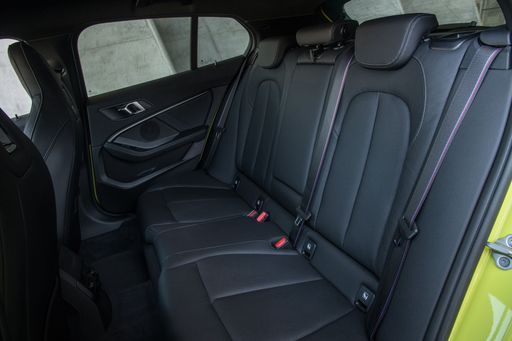
On the comfort front, the BMW 1 Series provides a refined interior experience, with high-quality materials and finishes. There's generous space for up to five passengers, alongside a versatile boot capacity that ranges from 300 to 380 litres, accommodating both daily errands and weekend getaways.
Design and Dimensions
The exterior design of the BMW 1 Series showcases its sporty lineage with a compact and agile silhouette. Measuring 4361 mm in length and 1800 mm in width, it maintains a confident road stance, while its height of 1459 mm contributes to a sleek, aerodynamic profile. Furthermore, the 1 Series is available in several stylistic options, providing aesthetics that can be customised to personal preference, including M Sport packages that introduce more aggressive styling cues.
Conclusion: A Harmony of Performance and Comfort
The BMW 1 Series deftly balances performance, efficiency, and comfort, making it a compelling choice for those in the market for a premium compact car. With its range of powerful engines, state-of-the-art technology, and stylish design, the BMW 1 Series remains a leader in its segment. Whether you prioritise sporty performance or efficient urban commuting, the 1 Series is equipped to deliver beyond expectations.
Ford Capri
The Legendary Ford Capri Reimagined: A Modern Marvel
In the world of automotive icons, the Ford Capri holds a special place. Originally launched in the late 1960s, it was once heralded as the car you always promised yourself. Today, Ford has reimagined this classic in a modern electric form, combining nostalgic appeal with cutting-edge technology.
Performance and Powertrain Unleashed
One of the standout features of the new Ford Capri is its electric powertrain. Offering a range of power options, from a capable 170 PS to a formidable 340 PS, the Capri caters to diverse driving preferences. The electric motor ensures a smooth, quiet ride, while different battery configurations provide varying degrees of range and power output. The torque, ranging from 310 to 679 Nm, guarantees swift acceleration and a responsive driving experience.
Revolutionary Battery Technology
The heart of the new Capri lies in its advanced battery technology, with capacities ranging from 52 kWh to 79 kWh. This allows for impressive driving ranges between 560 km and 627 km on a single charge—perfect for both city commuting and longer road trips. The efficient energy consumption of 13.3 to 15.8 kWh/100km is indicative of Ford's commitment to sustainability, achieving a CO2 emission rating of 0 g/km.
Design and Dimensions: A Mix of Past and Future
The Capri's exterior design retains a nod to its classic lineage while embracing modern SUV styling. With dimensions measuring 4634 mm in length, 1872 mm in width, and 1626 mm in height, it offers a spacious interior while maintaining a sleek and dynamic profile. The aerodynamic design not only enhances the aesthetic appeal but also contributes to its efficiency.
Luxurious Interior and Technology
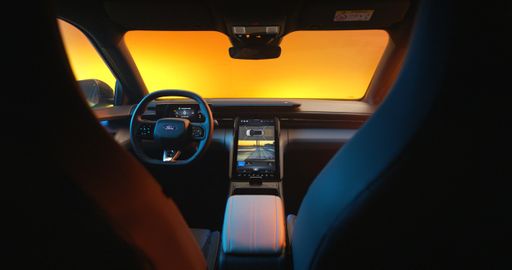
Inside, the Ford Capri continues to impress with a refined and comfortable interior. With seating for five, the car offers ample space and premium materials, making every journey a delight. The cabin is equipped with the latest technology, ensuring connectivity and entertainment on the go. Whether you opt for the Premium or AWD versions, Ford delivers a high standard of comfort and convenience.
Safety and Innovation at Its Core
Safety has always been a priority for Ford, and the Capri is no exception. It comes equipped with a host of advanced safety features and driver assistance systems. Innovations in sensor technology and intelligent braking ensure that drivers and passengers alike are protected under various driving conditions. The Capri's robust structure complements its high safety standards.
Conclusion: A Vision of the Future
The reborn Ford Capri represents a fusion of heritage and future-forward design. Its all-electric powertrain and impressive range of features make it a serious contender in the modern automotive landscape. With sustainability and performance at its core, this classic has been adeptly reimagined for the eco-conscious and tech-savvy driver of today.
The prices and data displayed are estimates based on German list prices and may vary by country. This information is not legally binding.