
 Deutschland
 Schweiz (DE)
 France
 Nederland
 Great Britain
 Italia
 España
VS
BMW 7 Series VS Honda CR-V – Specs, Efficiency & Price Comparison
Which model is the better choice – the BMW 7 Series or the Honda CR-V? We compare performance (571 HP vs 184 HP), boot capacity (540 L vs 617 L), efficiency (1 L vs 0.80 L), and of course, the price (101300 £ vs 42500 £).
Find out now which car fits your needs better!
The BMW 7 Series (Sedan) is powered by a Plugin Hybrid or Diesel MHEV engine and comes with a Automatic transmission. In comparison, the Honda CR-V (SUV) features a Full Hybrid or Plugin Hybrid engine and a Automatic gearbox.
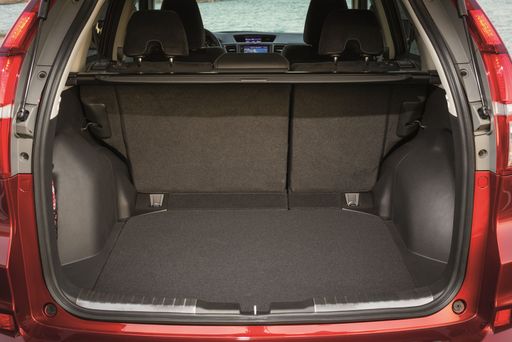
When it comes to boot capacity, the BMW 7 Series offers 540 L, while the Honda CR-V provides 617 L – depending on what matters most to you. If you’re looking for more power, you’ll need to decide whether the 571 HP of the BMW 7 Series or the 184 HP of the Honda CR-V suits your needs better.
There are also differences in efficiency: 1 L vs 0.80 L. In terms of price, the BMW 7 Series starts at 101300 £, while the Honda CR-V is available from 42500 £.
Compare all the key specs now and find out which model fits your lifestyle best!
BMW 7 Series
The BMW 7 Series represents the pinnacle of luxury and performance in the executive car segment, offering an unparalleled driving experience. Its elegant design combines aesthetic appeal with advanced technology, ensuring both comfort and connectivity for its passengers. With cutting-edge driver assistance systems, this flagship model showcases the brand's commitment to innovation and safety.
details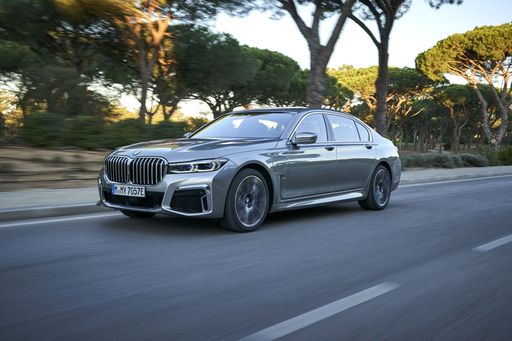 @ press.bmwgroup.com
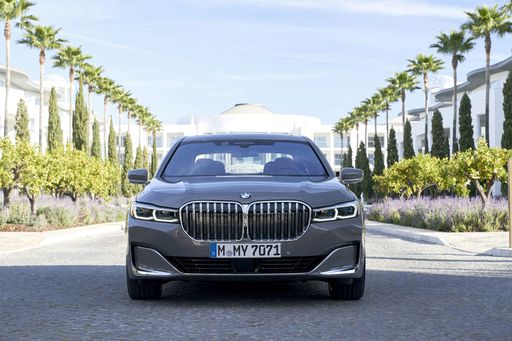 @ press.bmwgroup.com
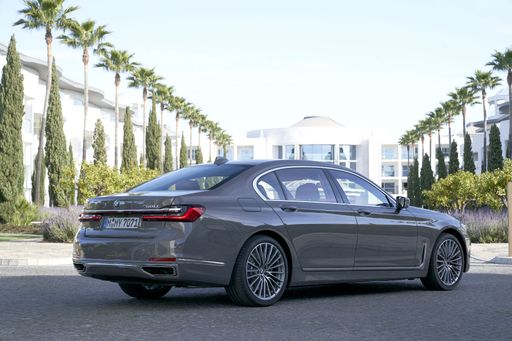 @ press.bmwgroup.com
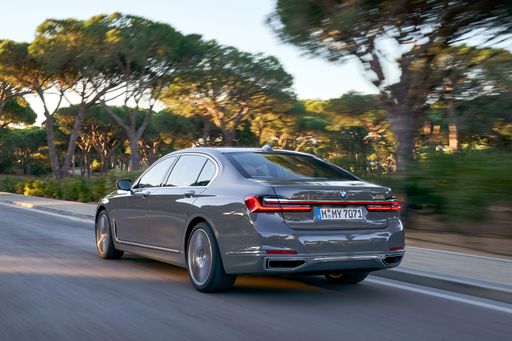 @ press.bmwgroup.com
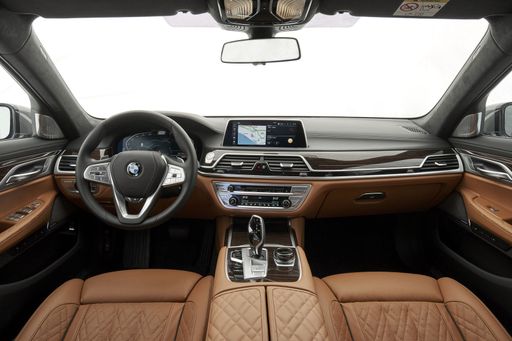 @ press.bmwgroup.com
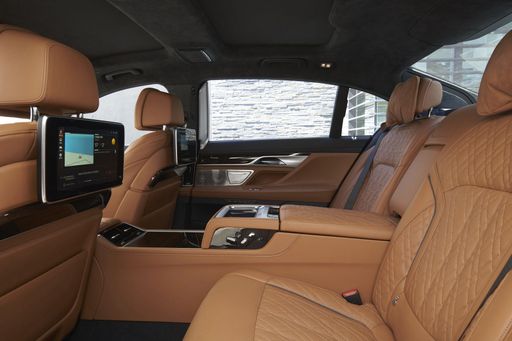 @ press.bmwgroup.com
Honda CR-V
The Honda CR-V presents a blend of practicality and comfort, making it a reliable choice for families and adventure seekers alike. With its spacious interior and refined design, it offers a pleasant driving experience whether in urban environments or on long road trips. This model also boasts a range of advanced safety features, enhancing driver confidence and passenger security.
details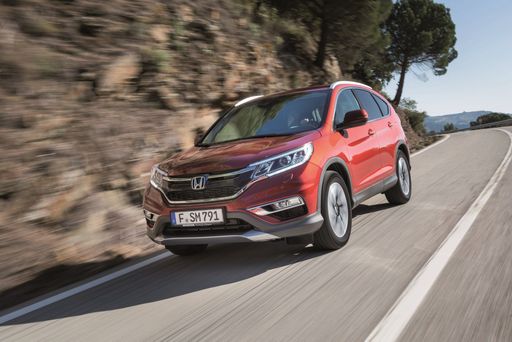 @ hondanews.eu
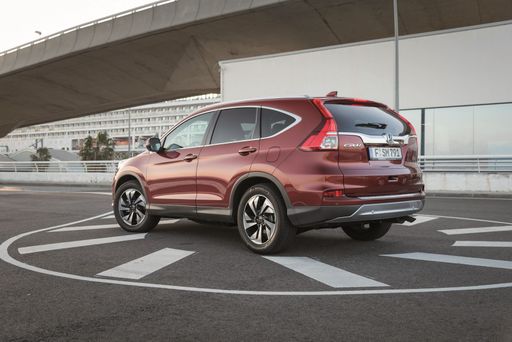 @ hondanews.eu
 @ hondanews.eu
 @ hondanews.eu
BMW 7 Series
Honda CR-V
|
|
|
|
|
|
Costs and Consumption |
|
|---|---|
|
Price
101300 - 127300 £
|
Price
42500 - 52100 £
|
|
Consumption L/100km
1 - 6.1 L
|
Consumption L/100km
0.8 - 6.7 L
|
|
Consumption kWh/100km
-
|
Consumption kWh/100km
-
|
|
Electric Range
80 km
|
Electric Range
79 km
|
|
Battery Capacity
17.60 kWh
|
Battery Capacity
-
|
|
co2
23 - 160 g/km
|
co2
18 - 152 g/km
|
|
Fuel tank capacity
65 - 74 L
|
Fuel tank capacity
46 - 57 L
|
Dimensions and Body |
|
|---|---|
|
Body Type
Sedan
|
Body Type
SUV
|
|
Seats
5
|
Seats
5
|
|
Doors
4
|
Doors
5
|
|
Curb weight
2255 - 2525 kg
|
Curb weight
1821 - 1988 kg
|
|
Trunk capacity
525 - 540 L
|
Trunk capacity
579 - 617 L
|
|
Length
5391 mm
|
Length
4706 mm
|
|
Width
1950 mm
|
Width
1866 mm
|
|
Height
1544 mm
|
Height
1673 - 1684 mm
|
|
Payload
605 - 665 kg
|
Payload
439 - 475 kg
|
Engine and Performance |
|
|---|---|
|
Engine Type
Plugin Hybrid, Diesel MHEV
|
Engine Type
Full Hybrid, Plugin Hybrid
|
|
Transmission
Automatic
|
Transmission
Automatic
|
|
Transmission Detail
Automatikgetriebe
|
Transmission Detail
-
|
|
Drive Type
All-Wheel Drive
|
Drive Type
All-Wheel Drive, Front-Wheel Drive
|
|
Power HP
300 - 571 HP
|
Power HP
184 HP
|
|
Acceleration 0-100km/h
4.3 - 5.8 s
|
Acceleration 0-100km/h
9 - 9.5 s
|
|
Max Speed
250 km/h
|
Max Speed
187 - 195 km/h
|
|
Torque
670 - 800 Nm
|
Torque
335 Nm
|
|
Number of Cylinders
6
|
Number of Cylinders
4
|
|
Power kW
220 - 420 kW
|
Power kW
135 kW
|
|
Engine capacity
2993 - 2998 cm3
|
Engine capacity
1993 cm3
|
General |
|
|---|---|
|
Model Year
2023 - 2024
|
Model Year
2024
|
|
CO2 Efficiency Class
B, F
|
CO2 Efficiency Class
E, D, B
|
|
Brand
BMW
|
Brand
Honda
|
BMW 7 Series
Introduction to the BMW 7 Series
The BMW 7 Series has long been synonymous with luxury, performance, and cutting-edge technology. The latest versions continue this tradition, integrating sophisticated hybrid technology with distinguished design and powerful performance. Whether cruising the motorway or navigating urban landscapes, the BMW 7 Series offers an exceptional driving experience.
Technical Specifications
The 2023 BMW 7 Series boasts a range of impressive specifications and features. The engine options, which include both diesel mild-hybrid and plug-in hybrid variants, provide flexibility for different driving needs. With power outputs ranging from 300 PS to a remarkable 571 PS, the 7 Series does not compromise on performance. Coupled with intelligent all-wheel drive and an automatic transmission, it assures smooth and responsive handling.
Fuel efficiency is another highlight, with the series achieving consumption figures as low as 1.1 L/100km for the plug-in hybrid models, showcasing the brand's commitment to sustainability without sacrificing performance.
Advanced Hybrid Technology
The integration of mild-hybrid and plug-in hybrid systems into the 7 Series marks a significant advancement in BMW's pursuit of greener motoring. The plug-in hybrid variants, with a battery capacity of 18.7 kWh, offer an all-electric range of up to 79 km - ideal for city driving. This hybrid setup not only reduces emissions but also enhances acceleration, delivering a swift 0-100 km/h time ranging from 4.3 to 5.8 seconds.
Luxury and Comfort
The BMW 7 Series epitomises luxury, featuring an interior designed for comfort and convenience. Standard equipment includes high-grade materials, advanced connectivity, and cutting-edge infotainment systems. The cabin is spacious, with ample room for five passengers and a generous boot capacity of up to 540 litres, ensuring that long journeys are as comfortable as they are efficient.
Safety and Innovation
Safety remains paramount in the BMW 7 Series, with an array of features designed to protect occupants and enhance driving confidence. This includes state-of-the-art driver assistance systems, which provide support in various driving conditions, thus ensuring a safer driving experience.
In conclusion, the BMW 7 Series stands as a testament to automotive innovation, blending traditional luxury with modern efficiency and performance. It's a fine choice for those who seek the pinnacle of automotive engineering and technology.
Honda CR-V
Introducing the Honda CR-V: A Modern Marvel in the SUV Realm
Bursting onto the scene with cutting-edge innovation and engineering brilliance, the Honda CR-V continues to mesmerise car enthusiasts and potential buyers alike. As a staple of the SUV segment, the Honda CR-V offers a versatile blend of performance, efficiency, and technology for the discerning driver.
Innovative Powertrains: Hybrid and Plug-In Hybrid Excellence
The heart of the Honda CR-V lies in its advanced hybrid and plug-in hybrid powertrains, featuring a 2.0-litre i-MMD (intelligent Multi-Mode Drive) engine. Producing an impressive 184 PS (135 kW) of power, this system offers robust acceleration, reaching 0-100 km/h in as little as 9 seconds. Depending on the model variant, drivers can choose between front-wheel drive and all-wheel drive configurations, with fuel efficiency ranging from 0.8 L/100 km for the plug-in hybrid to 6.7 L/100 km for the hybrid models. Additionally, the plug-in hybrid version provides an all-electric range of 79 kilometres, ideal for urban commutes.
Masterful Design and Practicality
Measuring 4,706 mm in length and 1,866 mm in width, the CR-V maintains a commanding presence on the road. The vehicle combines sleek aesthetics with practical design, boasting a spacious cabin that comfortably seats five occupants. With a boot capacity extending from 579 to 617 litres, the CR-V offers ample storage for both everyday tasks and grand adventures.
Advanced Technological Features for a Safer Drive
Safety and convenience remain paramount in the latest Honda CR-V, equipped with state-of-the-art technology. The inclusion of Honda SENSING, a suite of driver-assistance systems, ensures enhanced awareness and minimises the risk of accidents. From adaptive cruise control to lane-keeping assist, these features provide peace of mind during every journey.
Efficiency and Environmental Responsibility
Emphasising environmental consciousness, the Honda CR-V models boast a CO2 efficiency class spanning from B to E, with emissions as low as 18 g/km. This aligns with Honda's commitment to reducing environmental impact while providing top-tier performance.
A Premium Driving Experience
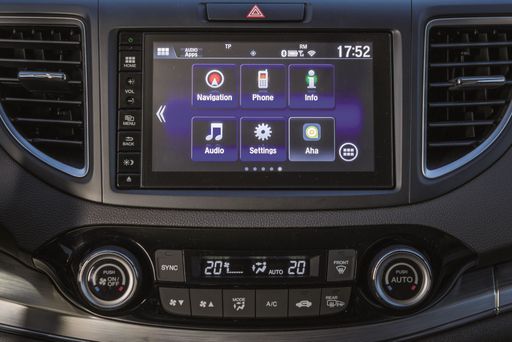
Inside, the Honda CR-V presents a refined yet functional interior, with a focus on driver comfort and connectivity. Options include luxurious upholstery, state-of-the-art infotainment systems, and ergonomic controls, ensuring an enjoyable driving experience. Available across various equipment lines such as Advance and Elegance, buyers are given a spectrum of choices to suit individual tastes and requirements.
Conclusion: The Future Looks Bright for Honda CR-V
The 2024 Honda CR-V stands as a testament to Honda's pursuit of excellence in automotive design and engineering. With its hybrid and plug-in hybrid variants, sophisticated safety technologies, and premium features, it signifies a new era of efficiency and innovation. Offering a diverse range of specifications and styles, the CR-V is well-equipped to meet diverse consumer demands, continuing its legacy as a leader in the SUV market.
The prices and data displayed are estimates based on German list prices and may vary by country. This information is not legally binding.