
 Deutschland
 France
 Nederland
 Great Britain
 Sverige
 Danmark
 Suomi
Suomi Italia
 Polska
 Česko
Česko España
VS
BMW iX vs Toyota Proace City Compact Van comparison
Compare performance (659 HP vs 136 HP), boot space and price (71,600 £ vs 22,400 £ ) at a glance. Find out which car is the better choice for you – BMW iX or Toyota Proace City Compact Van?
iX
Costs and Efficiency:
Price and efficiency are key factors when choosing a car – and this is often where the real differences emerge.
Toyota Proace City Compact Van is substantially cheaper – starting at 22,400 £ , while the BMW iX costs 71,600 £ . That’s a price difference of around 49,218 £.
In terms of energy consumption, the BMW iX is marginally more efficient: consuming 17.8 kWh/100km compared to 18.5 kWh/100km for the Toyota Proace City Compact Van. That’s a difference of about 0.7 kWh/100km.
As for electric range, the BMW iX offers significantly more range – reaching up to 701 km, about 364 km more than the Toyota Proace City Compact Van.
Proace City Compact Van
Engine and Performance:
Power, torque and acceleration say a lot about how a car feels on the road. This is where you see which model delivers more driving dynamics.
When it comes to engine power, the BMW iX offers substantially more power – delivering 659 HP compared to 136 HP. That’s roughly 523 HP more horsepower.
When accelerating from 0 to 100 km/h, the BMW iX is substantially quicker – completing the sprint in 3.8 s, while the Toyota Proace City Compact Van takes 11.1 s. That’s about 7.3 s quicker.
There’s also a difference in torque: the BMW iX delivers substantially more torque with 1,015 Nm compared to 300 Nm. That’s about 715 Nm more.
iX
Space and Everyday Use:
Whether family car or daily driver – which one offers more room, flexibility and comfort?
Both vehicles offer seating for 5 people.
In terms of curb weight, Toyota Proace City Compact Van is clearly lighter – 1,358 kg compared to 2,525 kg. The difference is around 1,167 kg.
When it comes to payload, the Toyota Proace City Compact Van carries markedly more – 921 kg compared to 575 kg. That’s a difference of about 346 kg.
Who wins the race in the data check?
The BMW iX is clearly superior overall in the objective data comparison.
This result only shows which model scores more points on paper – not which of the two cars feels right for you.
from £71,600
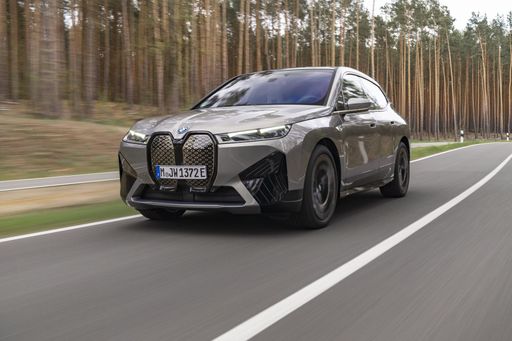
BMW iX
BMW iX
Toyota Proace City Compact Van
Costs and Consumption
View detailed analysis
View detailed analysis
Engine and Performance
View detailed analysis
View detailed analysis
Dimensions and Body
View detailed analysis
View detailed analysis
BMW iX
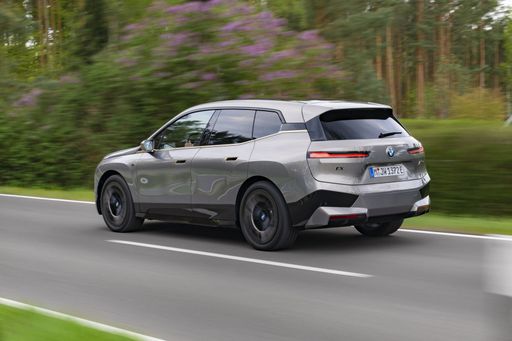
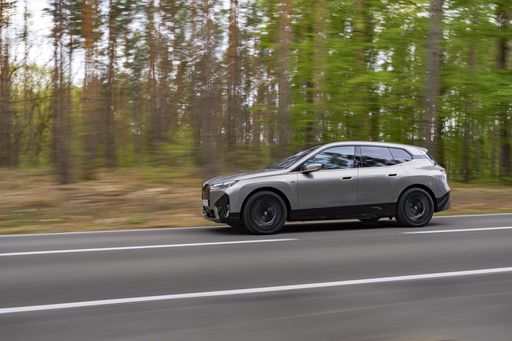
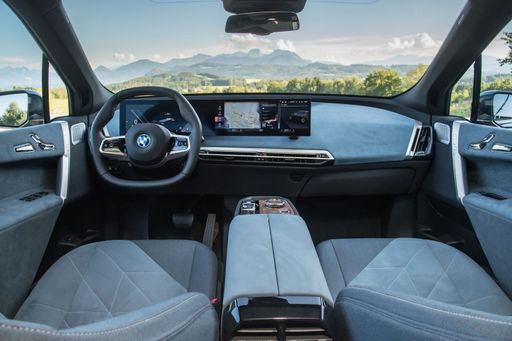
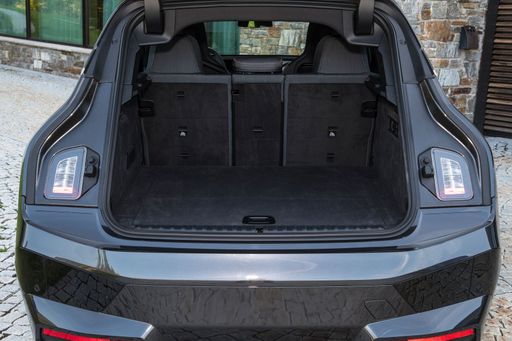
The BMW iX arrives like a tech-rich luxury SUV that refuses to shout, offering a serene yet authoritative road presence that suits both city commutes and long-distance cruising. Inside, its minimalist cabin wraps high-quality materials and clever interfaces around a driver-focused layout, making it feel more like a forward-thinking lounge than just another electric appliance — and yes, it still delivers the dynamic driving character you'd expect from a BMW.
details
Toyota Proace City Compact Van
The Toyota Proace City Compact Van is a city-savvy workhorse that packs surprising practicality and smart packaging into a friendly, easy-to-drive package. It’s the kind of van that gets the job done without fuss — reliable, economical and just sensible enough to make fleet managers smile.
details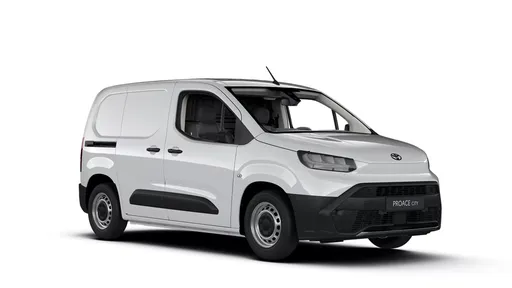
BMW iX
Toyota Proace City Compact Van
Costs and Consumption |
|
|---|---|
|
Price
71,600 - 108,400 £
|
Price
22,400 - 37,300 £
|
|
Consumption L/100km
-
|
Consumption L/100km
5.2 - 6.6 L/100km
|
|
Consumption kWh/100km
17.8 - 20.6 kWh/100km
|
Consumption kWh/100km
18.5 kWh/100km
|
|
Electric Range
600 - 701 km
|
Electric Range
337 km
|
|
Battery Capacity
-
|
Battery Capacity
-
|
|
co2
0 g/km
|
co2
0 - 149 g/km
|
|
Fuel tank capacity
-
|
Fuel tank capacity
-
|
Dimensions and Body |
|
|---|---|
|
Body Type
SUV
|
Body Type
Cargo Van
|
|
Seats
5
|
Seats
3 - 5
|
|
Doors
-
|
Doors
-
|
|
Curb weight
2,525 - 2,655 kg
|
Curb weight
1,358 - 1,837 kg
|
|
Trunk capacity
500 L
|
Trunk capacity
-
|
|
Length
-
|
Length
-
|
|
Width
1,970 mm
|
Width
1,848 mm
|
|
Height
-
|
Height
-
|
|
Max trunk capacity
-
|
Max trunk capacity
-
|
|
Payload
505 - 575 kg
|
Payload
560 - 921 kg
|
Engine and Performance |
|
|---|---|
|
Engine Type
Electric
|
Engine Type
Electric, Petrol, Diesel
|
|
Transmission
Automatic
|
Transmission
Automatic, Manual
|
|
Transmission Detail
Reduction Gearbox
|
Transmission Detail
Reduction Gearbox, Manual Gearbox, Automatic Gearbox
|
|
Drive Type
All-Wheel Drive
|
Drive Type
Front-Wheel Drive
|
|
Power HP
408 - 659 HP
|
Power HP
102 - 136 HP
|
|
Acceleration 0-100km/h
3.8 - 5.1 s
|
Acceleration 0-100km/h
11.1 - 13.2 s
|
|
Max Speed
-
|
Max Speed
-
|
|
Torque
700 - 1,015 Nm
|
Torque
205 - 300 Nm
|
|
Number of Cylinders
-
|
Number of Cylinders
3 - 4
|
|
Power kW
300 - 485 kW
|
Power kW
75 - 100 kW
|
|
Engine capacity
-
|
Engine capacity
1,199 - 1,499 cm3
|
General |
|
|---|---|
|
Model Year
2025
|
Model Year
2,025 - 2,026
|
|
CO2 Efficiency Class
A
|
CO2 Efficiency Class
A, E
|
|
Brand
BMW
|
Brand
Toyota
|
DriveDuel uses data analysis and artificial intelligence to evaluate vehicle data and create content. Content is regularly reviewed and improved.
The displayed prices are estimates based on German list prices, adjusted to the respective country’s VAT. Country-specific registration taxes are not included. This information is not legally binding.