VS

BMW iX3 vs Mercedes EQE comparison

Compare performance (469 HP vs 625 HP), boot space and price (60,800 £ vs 57,600 £ ) at a glance. Find out which car is the better choice for you – BMW iX3 or Mercedes EQE?

BMW iX3 vs Mercedes EQE: Key differences

BMW iX3

4.7 (3 Reviews)
rate
  • only slightly more efficient
  • slightly more electric range
  • very slightly lighter
details

Mercedes EQE

4.3 (2 Reviews)
rate
  • marginally cheaper
  • markedly more power
  • clearly quicker 0–100 km/h
details

All details on performance, efficiency, range and trunk space can be found in the technical comparison below – including user reviews for both models.

By Achim Sedelmaier

iX3

The electric vehicle landscape is continuously evolving, and two prominent contenders in this arena are the BMW iX3 and the Mercedes EQE. Both models mark the brands' commitment to sustainable mobility while delivering distinct driving experiences and cutting-edge technology. In this article, we will delve into an in-depth comparison of these two electric vehicles, examining their technical aspects, innovations, and overall driving experience.
EQE

Design and Body Type

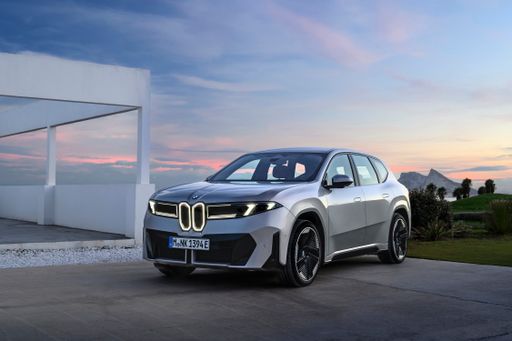
The BMW iX3 is classified as an SUV, boasting a robust and sporty aesthetic that aligns with BMW's design language. Its dimensions factor a length of 4,734 mm, width of 1,891 mm, and height of 1,668 mm, making it a versatile option for families or adventure seekers. With a trunk capacity of 510 liters, it provides ample space for cargo, offering practicality without compromising style.

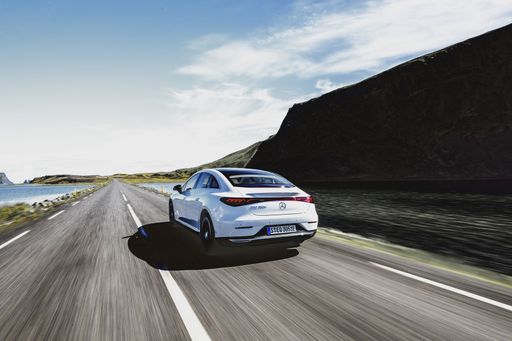
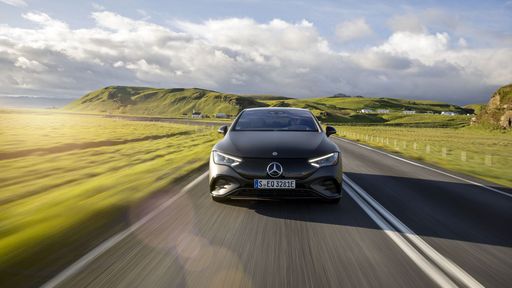
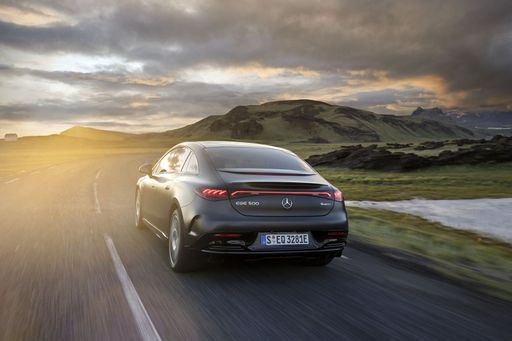
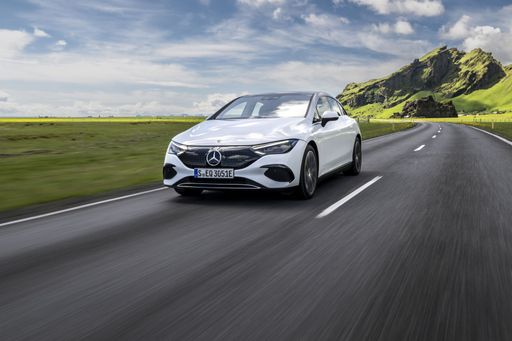
On the other hand, the Mercedes EQE is a sleek sedan that emphasizes elegance and aerodynamic efficiency. With lengths ranging from 4,946 mm to 4,964 mm, depending on the variant, it presents a more dynamic profile compared to its SUV counterpart. Despite its sedan form, the EQE still offers a respectable trunk capacity of 430 liters and can accommodate five passengers comfortably.

iX3

Powertrain and Performance

The BMW iX3 is equipped with a single electric motor generating a power output of 286 HP (or 210 kW) and a remarkable torque of 400 Nm. This rear-wheel-drive vehicle achieves a 0-100 km/h acceleration time of just 6.8 seconds, with a maximum speed capped at 180 km/h. Its electric consumption stands at 17.6 kWh/100 km, translating into an impressive electric range of up to 471 km, powered by a 73.9 kWh battery.

In contrast, the Mercedes EQE offers a broader range of configurations, with power outputs stretching from 245 HP (180 kW) to a staggering 625 HP (460 kW) in its high-performance variants. The torque figures are equally impressive, reaching up to 950 Nm. The EQE excels in efficiency, with consumption figures ranging from 15.9 to 20.8 kWh/100 km, and an electric range varying from 502 km to an extraordinary 690 km, depending on the battery capacity, which varies from 89 kWh to 96 kWh. Acceleration times for the EQE can range from 7.3 seconds to a blistering 3.5 seconds, depending on the chosen variant.

EQE

Innovative Features and Technology

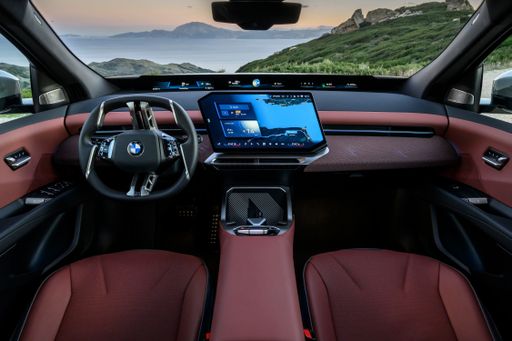
Both the BMW iX3 and the Mercedes EQE are equipped with cutting-edge technology and innovations designed to enhance the driving experience. The iX3 features a comprehensive infotainment system integrated with BMW’s iDrive software, providing a user-friendly interface and connectivity features to keep drivers engaged. The vehicle incorporates advanced safety features, including collision warnings and adaptive cruise control, ensuring a secure driving experience.

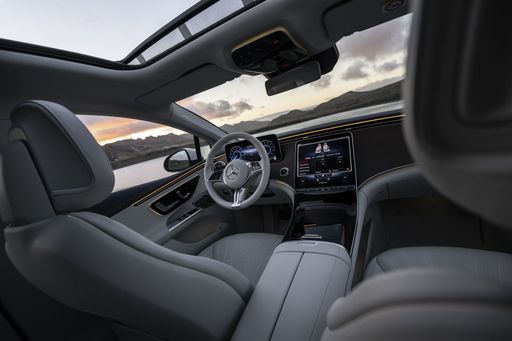
The EQE, benefiting from Mercedes-Benz's dedication to innovation, delivers unparalleled driving comfort, equipped with the latest MBUX technology. This intelligent infotainment system offers voice-controlled navigation, multimedia functionality, and compatibility with various smart devices. Additionally, EQE models boast advanced driver-assistance systems that include automated lane changes and active parking assistance, ensuring that drivers feel both confident and secure behind the wheel.

iX3

Driving Experience and Comfort

Driving the BMW iX3 provides an exhilarating experience, combining responsive handling with a smooth ride quality typical of BMW vehicles. The rear-wheel-drive layout contributes to a more engaging driving dynamic, making it an enjoyable SUV to maneuver through tight corners or leap on highways.

The Mercedes EQE, while designed with performance in mind, accentuates comfort over sportiness. It features air suspension on higher-end variants, allowing for a plush ride that adapts to varying road conditions. Coupled with an ultra-quiet cabin and exquisite materials, driving the EQE feels both luxurious and serene, perfect for long-distance travels.

EQE

Conclusion: Choosing the Right Electric Vehicle

In conclusion, the choice between the BMW iX3 and the Mercedes EQE ultimately boils down to personal preferences and driving needs. The iX3 shines in practicality and sport-oriented characteristics, making it an excellent option for those who crave versatility and engagement. Conversely, the EQE excels in offering a high-performance electric vehicle experience cloaked in luxury, ideal for individuals focused on comfort and technology.

As the automotive industry moves towards electric mobility, both the BMW iX3 and the Mercedes EQE reinforce their brands' legacies while paving the way for a more sustainable future. It will be interesting to see how these vehicles evolve and compete in the electric vehicle market in the coming years.

Here’s where it gets real: The technical differences in detail

iX3

Costs and Efficiency:

Price and efficiency are key factors when choosing a car – and this is often where the real differences emerge.

Mercedes EQE is marginally cheaper – starting at 57,600 £ , while the BMW iX3 costs 60,800 £ . That’s a price difference of around 3,183 £.

In terms of energy consumption, the BMW iX3 is only slightly more efficient: consuming 15.1 kWh/100km compared to 15.8 kWh/100km for the Mercedes EQE. That’s a difference of about 0.7 kWh/100km.

As for electric range, the BMW iX3 offers slightly more range – reaching up to 805 km, about 114 km more than the Mercedes EQE.

EQE

Engine and Performance:

Power, torque and acceleration say a lot about how a car feels on the road. This is where you see which model delivers more driving dynamics.

When it comes to engine power, the Mercedes EQE offers markedly more power – delivering 625 HP compared to 469 HP. That’s roughly 156 HP more horsepower.

When accelerating from 0 to 100 km/h, the Mercedes EQE is clearly quicker – completing the sprint in 3.5 s, while the BMW iX3 takes 4.9 s. That’s about 1.4 s quicker.

There’s also a difference in torque: the Mercedes EQE delivers clearly more torque with 950 Nm compared to 645 Nm. That’s about 305 Nm more.

iX3

Space and Everyday Use:

Cabin size, boot volume and payload all play a role in everyday practicality. Here, comfort and flexibility make the difference.

Both vehicles offer seating for 5 people.

In terms of curb weight, BMW iX3 is very slightly lighter – 2,360 kg compared to 2,375 kg. The difference is around 15 kg.

When it comes to payload, the Mercedes EQE carries noticeably more – 600 kg compared to 465 kg. That’s a difference of about 135 kg.

Who wins the race in the data check?

The Mercedes EQE stands well ahead of its rival in the objective data comparison.
This result only shows which model scores more points on paper – not which of the two cars feels right for you.

from £57,600
EQE

Mercedes EQE

  • Engine Type : Electric
  • Transmission : Automatic
  • Drive Type : All-Wheel Drive, Rear-Wheel Drive
  • Power HP : 265 - 625 HP
  • Consumption kWh/100km : 15.8 - 20.7 kWh/100km
  • Electric Range : 502 - 691 km
BMW iX3
Mercedes EQE

Costs and Consumption

View detailed analysis

Engine and Performance

View detailed analysis

Dimensions and Body

View detailed analysis

BMW iX3

The BMW iX3 brings BMW's familiar SUV poise into the electric era, blending restrained styling and a comfortable, composed ride that will please traditionalists dipping their toes into electrification. It's quiet, practical and rather grown-up about going electric — a sensible choice for buyers who want BMW driving manners without the drama.

details

Mercedes EQE

The Mercedes EQE glides like a silk-wrapped saloon from the future, pairing whisper-quiet refinement with a high-tech cabin that feels both modern and indulgent. For buyers who want electric luxury without shouting about it, the EQE is composed, comfortably confident, and just smug enough to feel special.

details
BMW iX3
Mercedes EQE

Costs and Consumption

Price
60,800 - 66,300 £
Price
57,600 - 94,900 £
Consumption L/100km
-
Consumption L/100km
-
Consumption kWh/100km
15.1 kWh/100km
Consumption kWh/100km
15.8 - 20.7 kWh/100km
Electric Range
805 km
Electric Range
502 - 691 km
Battery Capacity
-
Battery Capacity
90.5 - 96 kWh
co2
0 g/km
co2
0 g/km
Fuel tank capacity
-
Fuel tank capacity
-

Dimensions and Body

Body Type
SUV
Body Type
Sedan
Seats
5
Seats
5
Doors
-
Doors
4
Curb weight
2,360 kg
Curb weight
2,375 - 2,540 kg
Trunk capacity
-
Trunk capacity
430 L
Length
-
Length
4,946 - 4,964 mm
Width
1,895 mm
Width
1,961 mm
Height
-
Height
1,492 - 1,510 mm
Max trunk capacity
-
Max trunk capacity
-
Payload
465 kg
Payload
545 - 600 kg

Engine and Performance

Engine Type
Electric
Engine Type
Electric
Transmission
Automatic
Transmission
Automatic
Transmission Detail
Reduction Gearbox
Transmission Detail
Reduction Gearbox
Drive Type
All-Wheel Drive
Drive Type
All-Wheel Drive, Rear-Wheel Drive
Power HP
469 HP
Power HP
265 - 625 HP
Acceleration 0-100km/h
4.9 s
Acceleration 0-100km/h
3.5 - 6.9 s
Max Speed
-
Max Speed
210 - 220 km/h
Torque
645 Nm
Torque
550 - 950 Nm
Number of Cylinders
-
Number of Cylinders
-
Power kW
345 kW
Power kW
195 - 460 kW
Engine capacity
-
Engine capacity
-

General

Model Year
2026
Model Year
2,024 - 2,025
CO2 Efficiency Class
A
CO2 Efficiency Class
A
Brand
BMW
Brand
Mercedes-Benz
DriveDuel uses data analysis and artificial intelligence to evaluate vehicle data and create content. Content is regularly reviewed and improved. The displayed prices are estimates based on German list prices, adjusted to the respective country’s VAT. Country-specific registration taxes are not included. This information is not legally binding.