VS

BMW X3 vs Audi Q3 comparison

Compare performance (398 HP vs 272 HP), boot space and price (51,300 £ vs 38,200 £ ) at a glance. Find out which car is the better choice for you – BMW X3 or Audi Q3?

BMW X3 vs Audi Q3: Key differences

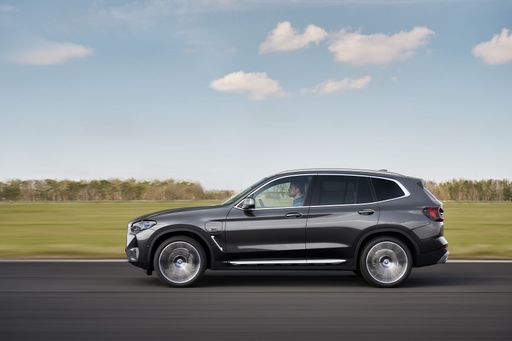
BMW X3

4.6 (1 Reviews)
rate
  • clearly more power
  • clearly quicker 0–100 km/h
  • moderately more trunk space

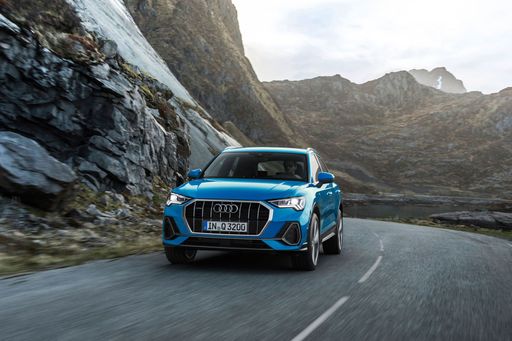
Audi Q3

5 (1 Reviews)
rate
  • noticeably cheaper
  • substantially more efficient
  • visibly more electric range
  • a bit lighter

All details on performance, efficiency, range and trunk space can be found in the technical comparison below – including user reviews for both models.

X3

Comparing Two Giants: Audi Q3 vs. BMW X3

The compact luxury SUV segment has seen significant growth, with automakers stepping up their game to attract consumers searching for performance, comfort, and cutting-edge technology. Among the prominent contenders, the Audi Q3 and BMW X3 stand out, each offering unique attributes that appeal to various buyer preferences. This article dives into a detailed comparison, examining the technical aspects and innovations of both models to help potential buyers make an informed decision.
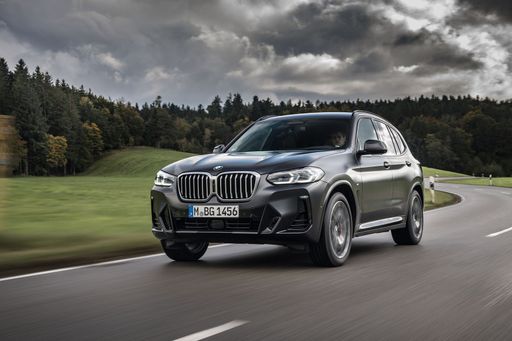
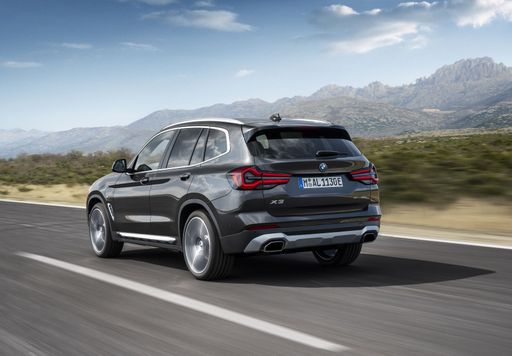
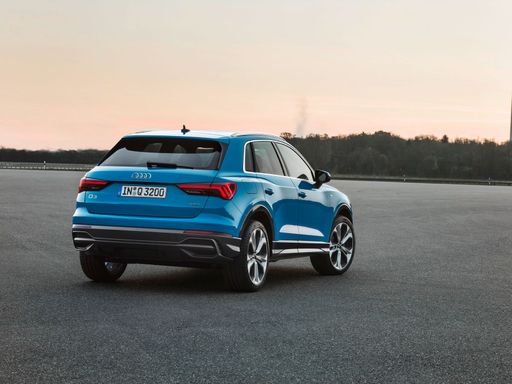
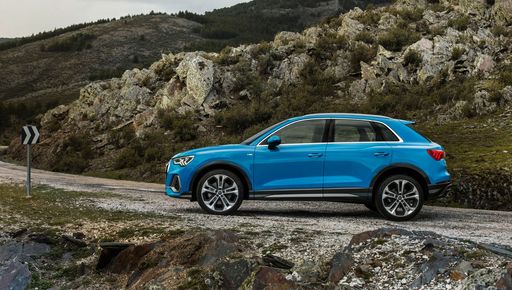
Q3

Design and Dimensions

Starting with dimensions, the Audi Q3 measures 4,484 mm in length, 1,849 mm in width, and 1,585 mm in height, making it a compact yet spacious SUV. In contrast, the BMW X3 is slightly larger, measuring between 4,708 mm and 4,755 mm in length, with a width of 1,891 mm to 1,920 mm and a height of 1,676 mm. This size difference translates to a more prominent road presence for the X3, while the Q3’s smaller footprint contributes to enhanced agility in urban environments.

X3

Engine Options and Performance

When it comes to powertrains, both the Q3 and X3 offer a variety of options to match different performance needs. The Audi Q3 is available with petrol and diesel engines, ranging from 150 to 245 HP, with torque figures of up to 370 Nm. Acceleration from 0 to 100 km/h can be as quick as 5.8 seconds in the sportier variants. On the other hand, the BMW X3 boasts a more diverse lineup, including petrol, diesel, and hybrid engines, with power outputs reaching as high as 510 HP and torque up to 700 Nm in the high-performance variants. The X3 can sprint from 0 to 100 km/h in a blistering 3.8 seconds, showcasing its sporty edge.

Q3

Fuel Efficiency and Consumption

Fuel efficiency is a significant consideration for many buyers. The Audi Q3 delivers competitive consumption rates ranging between 5.5 to 8.5 liters per 100 kilometers, depending on the engine choice. The BMW X3, particularly in its plug-in hybrid variants, excels in this area, with some models achieving as low as 2.1 liters per 100 kilometers combined with an impressive electric range of up to 90 km, making it a more sustainable option.

X3

Interior and Technology

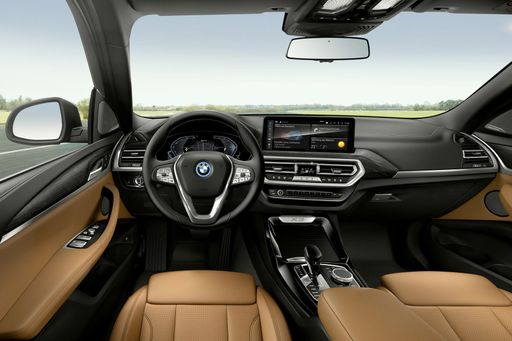
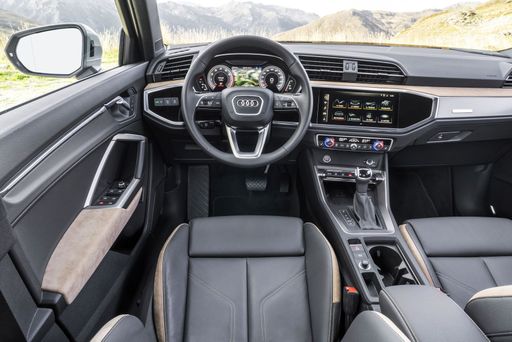
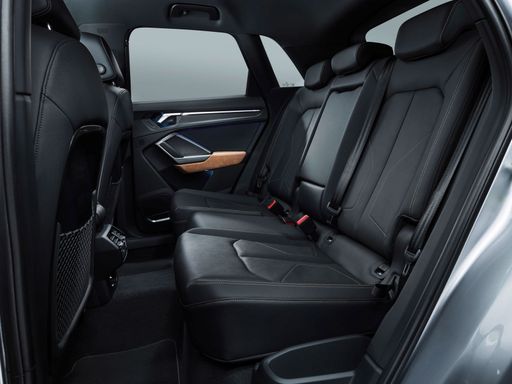
Both the Q3 and X3 feature luxurious interiors adorned with high-quality materials and the latest technology. The Audi Q3 comes with a contemporary design, featuring the Virtual Cockpit digital instrument cluster and an intuitive infotainment system. The interior space accommodates five passengers comfortably, with a trunk capacity of 530 liters. Meanwhile, the BMW X3 provides a more driver-focused cockpit with a larger infotainment display, digital gauge cluster, and additional tech features for enhanced connectivity and entertainment. The trunk capacity is slightly larger, ranging from 450 to 570 liters, depending on the configuration.

Q3

Safety and Driver Assistance

In terms of safety, both SUVs come equipped with an arsenal of driver assistance features. The Q3 includes standard features like adaptive cruise control and lane-keeping assist, while optional packages further enhance its safety credentials. The X3, known for its advanced safety innovations, adds features like active blind-spot detection and extended parking assistance options. Both models perform exceptionally well in crash tests, reinforcing their reputations as safe choices in the luxury SUV segment.

X3

Pricing and Value

Pricing for the Audi Q3 starts at a more accessible level, making it an attractive entry into the luxury SUV market. However, the BMW X3, with its larger size and extensive tech features, commands a higher base price. Buyers must consider which model aligns better with their budgets and requirements, as each offers incredible value within its respective price bracket.

Q3

Conclusion: Which One Will You Choose?

Ultimately, the choice between the Audi Q3 and BMW X3 boils down to individual preferences. The Q3 is an excellent option for those seeking a compact luxury SUV with engaging performance and technology, while the X3 stands out with its powerful engine options, spaciousness, and advanced hybrid technology. Whichever you choose, both vehicles exemplify the premium offerings of their respective brands, ensuring that the buyers will not be disappointed.

Here’s where it gets real: The technical differences in detail

X3

Costs and Efficiency:

When it comes to price and running costs, the biggest differences usually appear. This is often where you see which car fits your budget better in the long run.

Audi Q3 is noticeably cheaper – starting at 38,200 £ , while the BMW X3 costs 51,300 £ . That’s a price difference of around 13,029 £.

Fuel consumption also shows a difference: the Audi Q3 uses 1.7 L/100km and is substantially more efficient than the BMW X3 with 2.8 L/100km. The difference is about 1.1 L/100km.

As for electric range, the Audi Q3 offers visibly more range – reaching up to 119 km, about 31 km more than the BMW X3.

Q3

Engine and Performance:

Power, torque and acceleration say a lot about how a car feels on the road. This is where you see which model delivers more driving dynamics.

When it comes to engine power, the BMW X3 offers clearly more power – delivering 398 HP compared to 272 HP. That’s roughly 126 HP more horsepower.

When accelerating from 0 to 100 km/h, the BMW X3 is clearly quicker – completing the sprint in 4.6 s, while the Audi Q3 takes 5.7 s. That’s about 1.1 s quicker.

There’s also a difference in torque: the BMW X3 delivers considerably more torque with 670 Nm compared to 400 Nm. That’s about 270 Nm more.

X3

Space and Everyday Use:

Cabin size, boot volume and payload all play a role in everyday practicality. Here, comfort and flexibility make the difference.

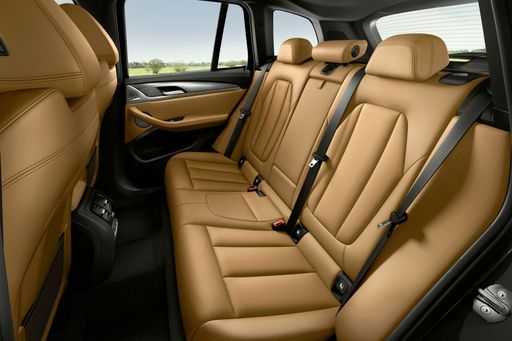
Both vehicles offer seating for 5 people.

In terms of curb weight, Audi Q3 is a bit lighter – 1,635 kg compared to 1,930 kg. The difference is around 295 kg.

Looking at boot space, the BMW X3 offers moderately more boot space – 570 L compared to 488 L. That’s a difference of about 82 L.

When it comes to payload, the BMW X3 carries only slightly more – 570 kg compared to 535 kg. That’s a difference of about 35 kg.

Who wins the race in the data check?

The BMW X3 sits just ahead overall in the objective data comparison.
This result only shows which model scores more points on paper – not which of the two cars feels right for you.

from £51,300
X3

BMW X3

  • Engine Type : Petrol MHEV, Diesel MHEV, Plugin Hybrid
  • Transmission : Automatic
  • Drive Type : All-Wheel Drive
  • Power HP : 197 - 398 HP
  • Consumption L/100km : 2.8 - 7.7 L/100km
  • Electric Range : 88 km
BMW X3
Audi Q3

Costs and Consumption

View detailed analysis

Engine and Performance

View detailed analysis

Dimensions and Body

View detailed analysis

BMW X3

The BMW X3 mixes Bavarian poise with everyday practicality, delivering a composed ride and a cabin that feels both premium and lived-in. It’s the sort of SUV that lets you enjoy sporty handling without sacrificing family-friendly space, so you get fun and sense in one neat package.

details

Audi Q3

The Audi Q3 feels like a grown-up compact SUV with premium polish and city-friendly agility, the sort of car that makes weekend escapes and daily commutes equally satisfying. Inside, you get quality materials and smart packaging that keep things practical without skimping on style, so it’s an easy pick for buyers who want luxury without the drama.

details
BMW X3
Audi Q3

Costs and Consumption

Price
51,300 - 72,400 £
Price
38,200 - 52,900 £
Consumption L/100km
2.8 - 7.7 L/100km
Consumption L/100km
1.7 - 8.6 L/100km
Consumption kWh/100km
-
Consumption kWh/100km
-
Electric Range
88 km
Electric Range
118 - 119 km
Battery Capacity
-
Battery Capacity
-
co2
64 - 175 g/km
co2
39 - 195 g/km
Fuel tank capacity
60 - 65 L
Fuel tank capacity
-

Dimensions and Body

Body Type
SUV
Body Type
SUV
Seats
5
Seats
5
Doors
5
Doors
-
Curb weight
1,930 - 2,140 kg
Curb weight
1,635 - 1,900 kg
Trunk capacity
460 - 570 L
Trunk capacity
375 - 488 L
Length
4,755 mm
Length
-
Width
1,920 mm
Width
1,859 mm
Height
1,660 mm
Height
-
Max trunk capacity
1,700 L
Max trunk capacity
-
Payload
570 kg
Payload
505 - 535 kg

Engine and Performance

Engine Type
Petrol MHEV, Diesel MHEV, Plugin Hybrid
Engine Type
Petrol MHEV, Petrol, Plugin Hybrid, Diesel
Transmission
Automatic
Transmission
Automatic
Transmission Detail
Automatic Gearbox
Transmission Detail
Dual-Clutch Automatic
Drive Type
All-Wheel Drive
Drive Type
Front-Wheel Drive, All-Wheel Drive
Power HP
197 - 398 HP
Power HP
150 - 272 HP
Acceleration 0-100km/h
4.6 - 7.8 s
Acceleration 0-100km/h
5.7 - 9.2 s
Max Speed
215 - 250 km/h
Max Speed
-
Torque
330 - 670 Nm
Torque
250 - 400 Nm
Number of Cylinders
4 - 6
Number of Cylinders
4
Power kW
145 - 293 kW
Power kW
110 - 200 kW
Engine capacity
1,995 - 2,998 cm3
Engine capacity
1,498 - 1,984 cm3

General

Model Year
2,024 - 2,025
Model Year
2,025
CO2 Efficiency Class
F, E, B
CO2 Efficiency Class
E, G, B
Brand
BMW
Brand
Audi
DriveDuel uses data analysis and artificial intelligence to evaluate vehicle data and create content. Content is regularly reviewed and improved. The displayed prices are estimates based on German list prices, adjusted to the respective country’s VAT. Country-specific registration taxes are not included. This information is not legally binding.