VS

BMW X5 vs Mazda CX-80 comparison

Compare performance (625 HP vs 327 HP), boot space and price (77,100 £ vs 49,300 £ ) at a glance. Find out which car is the better choice for you – BMW X5 or Mazda CX-80?

BMW X5 vs Mazda CX-80: Key differences

BMW X5

3.6 (1 Reviews)
rate
  • significantly more power
  • markedly more efficient
  • substantially more electric range
  • substantially quicker 0–100 km/h
  • substantially more trunk space
details

Mazda CX-80

  • considerably cheaper
  • only slightly lighter
details

All details on performance, efficiency, range and trunk space can be found in the technical comparison below – including user reviews for both models.

By Achim Sedelmaier

X5

The Clash of Titans: BMW X5 vs. Mazda CX-80

In the evolving realm of high-performance SUVs, the BMW X5 and the Mazda CX-80 emerge as significant contenders. Both vehicles offer a mix of power, efficiency, and luxury, catering to different tastes and requirements. Here, we dive deep into their technical attributes and innovations.
CX-80

Engine Performance and Efficiency

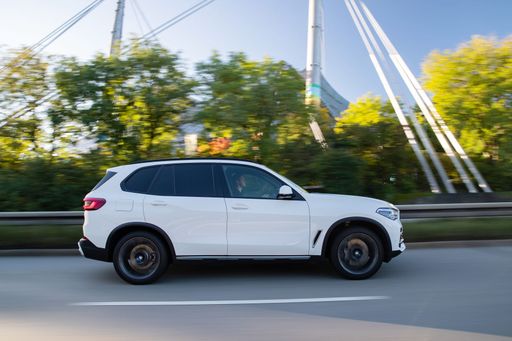
The 2023-2024 BMW X5 offers a myriad of engine options, establishing itself as a versatile powerhouse. With engine types ranging from Diesel MHEV, Petrol MHEV to Plugin Hybrid, it boasts a formidable power spread between 298 HP to an exhilarating 625 HP. This power translates to acceleration of 0 to 100 km/h in as little as 3.9 seconds for top models, reaching maximum speeds of up to 250 km/h.

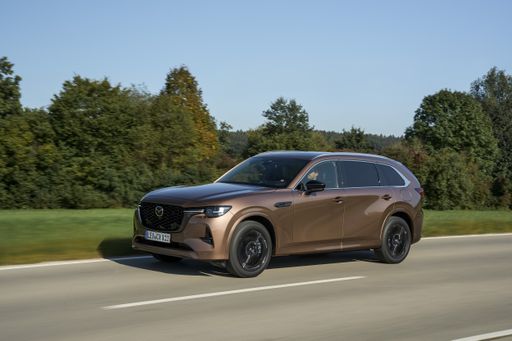
In contrast, the 2024 Mazda CX-80 opts for a streamlined approach with two engine types: Plugin Hybrid and Diesel MHEV. Sporting up to 327 HP, it offers a smooth transition from 0 to 100 km/h in 6.8 seconds, with top speeds peaking at 219 km/h. Mazda's engine emphasizes efficiency over raw power, with consumption rates as low as 1.6 L/100km, making it an environmentally conscious choice.

X5

Interior and Cargo Space

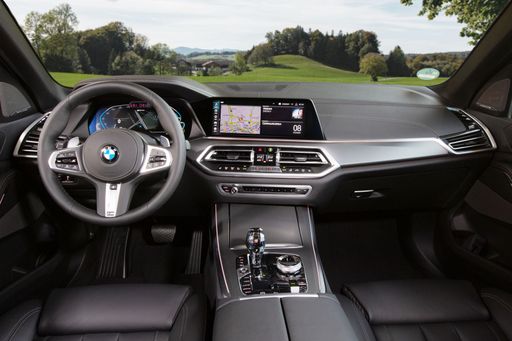
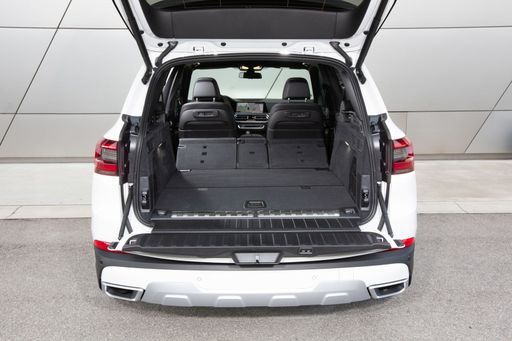
Both SUVs focus on comfort and utility, but they cater to slightly different audience sizes. The BMW X5 offers seating for 5, complemented by a generous trunk capacity of up to 650 liters, making it ideal for small families or individuals seeking luxury and space. The interior houses high-end materials and cutting-edge technology, all designed to create an exceptional driving experience.

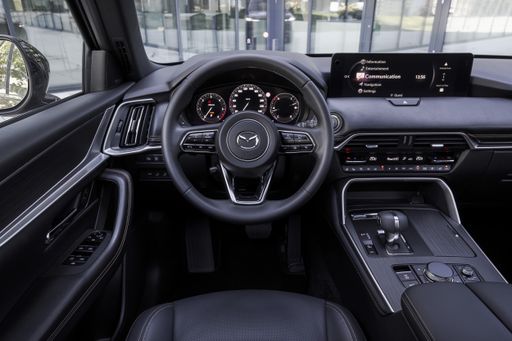
The CX-80 focuses on family or group adventures with its 7-seat arrangement. Although it offers a smaller trunk capacity of 258 liters, it accommodates larger groups without compromising comfort. Mazda's interior balances practicality with modern tech, ensuring an engaging ride for all passengers.

CX-80

Dimensions and Design

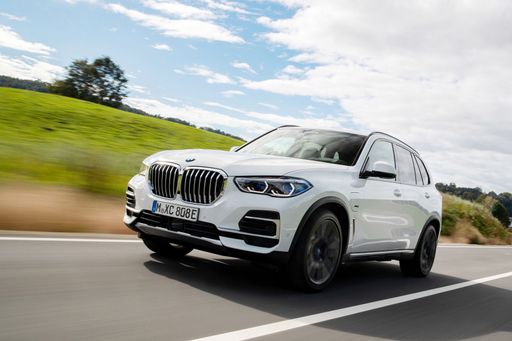
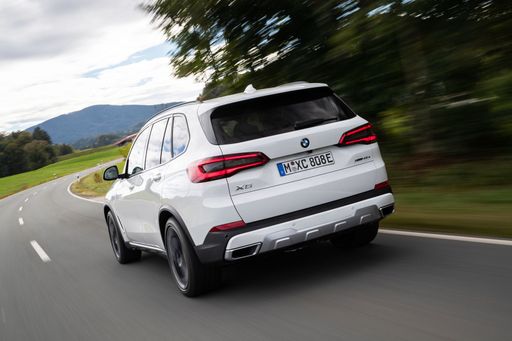
In terms of size, the BMW X5 measures approximately 4948 mm in length, 2015 mm in width, and a height of 1762 mm, exuding a robust and assertive road presence. Its design is both athletic and luxurious, a testament to BMW's hallmark style.

Meanwhile, the Mazda CX-80, slightly longer at 4995 mm, with a width of 1890 mm and a height of 1714 mm, presents a more streamlined appearance. Its sleek design is tailored for aerodynamics while retaining a comfortable cabin space.

X5

Technological Innovations

In the tech arena, both SUVs are aligned with contemporary needs and futures. The BMW X5 integrates features such as advanced driver-assist systems, cutting-edge infotainment setups, and a 25.7 kWh battery capacity offering an impressive electric range of 97 km.

The Mazda CX-80 capitalizes on its efficient engineering, equipped with modern infotainment systems and safety technologies to ensure driver and passenger security. Its electric range of 60 km from the plugin hybrid model is noteworthy for city commuting and short trips.

CX-80

Conclusion: Luxury vs. Practicality

The choice between the BMW X5 and Mazda CX-80 ultimately hinges on what the buyer prioritizes: the X5 offers unparalleled luxury and power, perfect for those seeking a premium experience. The CX-80, on the other hand, provides an economical and spacious solution for families needing versatility and comfort.

Both SUVs are marvels of engineering, each excelling in their respective spheres. Whether you lean towards high-end performance or practical economy, both BMW and Mazda deliver excellence on the road.

Here’s where it gets real: The technical differences in detail

X5

Costs and Efficiency:

Price and efficiency are key factors when choosing a car – and this is often where the real differences emerge.

Mazda CX-80 is considerably cheaper – starting at 49,300 £ , while the BMW X5 costs 77,100 £ . That’s a price difference of around 27,729 £.

Fuel consumption also shows a difference: the BMW X5 uses 3 L/100km and is markedly more efficient than the Mazda CX-80 with 4 L/100km. The difference is about 1 L/100km.

As for electric range, the BMW X5 offers substantially more range – reaching up to 105 km, about 45 km more than the Mazda CX-80.

CX-80

Engine and Performance:

Under the bonnet, it becomes clear which model is tuned for sportiness and which one takes the lead when you hit the accelerator.

When it comes to engine power, the BMW X5 offers significantly more power – delivering 625 HP compared to 327 HP. That’s roughly 298 HP more horsepower.

When accelerating from 0 to 100 km/h, the BMW X5 is substantially quicker – completing the sprint in 3.9 s, while the Mazda CX-80 takes 6.8 s. That’s about 2.9 s quicker.

There’s also a difference in torque: the BMW X5 delivers clearly more torque with 750 Nm compared to 550 Nm. That’s about 200 Nm more.

X5

Space and Everyday Use:

Cabin size, boot volume and payload all play a role in everyday practicality. Here, comfort and flexibility make the difference.

Seats: Mazda CX-80 offers more seats – 7 vs 5.

In terms of curb weight, Mazda CX-80 is only slightly lighter – 2,131 kg compared to 2,240 kg. The difference is around 109 kg.

Looking at boot space, the BMW X5 offers substantially more boot space – 650 L compared to 258 L. That’s a difference of about 392 L.

When it comes to payload, the BMW X5 carries marginally more – 705 kg compared to 650 kg. That’s a difference of about 55 kg.

Who wins the race in the data check?

The BMW X5 is clearly superior overall in the objective data comparison.
This result only shows which model scores more points on paper – not which of the two cars feels right for you.

from £77,100
X5

BMW X5

  • Engine Type : Petrol MHEV, Diesel MHEV, Plugin Hybrid
  • Transmission : Automatic
  • Drive Type : All-Wheel Drive
  • Power HP : 298 - 625 HP
  • Consumption L/100km : 3 - 12.8 L/100km
  • Electric Range : 105 km
BMW X5
Mazda CX-80

Costs and Consumption

View detailed analysis

Engine and Performance

View detailed analysis

Dimensions and Body

View detailed analysis

BMW X5

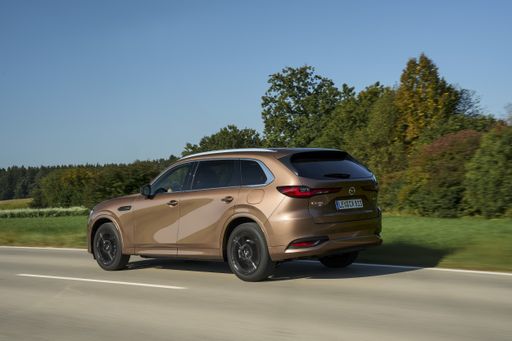
The BMW X5 blends athletic handling with a roomy, premium interior, feeling equally at home on twisty country roads and the school-run car park. Its executive-lounge cabin and confident road presence make it a tempting choice for buyers who want comfort, capability and just a little bit of bragging rights.

details

Mazda CX-80

The Mazda CX-80 brings polished, near-premium styling and a cabin that feels far classier than its badge might imply. It steers with a composed, engaging character and packs the sensible practicality families want — with just enough flair to make school runs feel a little less ordinary.

details
BMW X5
Mazda CX-80

Costs and Consumption

Price
77,100 - 143,500 £
Price
49,300 - 61,400 £
Consumption L/100km
3 - 12.8 L/100km
Consumption L/100km
4 - 5.6 L/100km
Consumption kWh/100km
-
Consumption kWh/100km
-
Electric Range
105 km
Electric Range
60 km
Battery Capacity
25.7 kWh
Battery Capacity
-
co2
68 - 289 g/km
co2
91 - 146 g/km
Fuel tank capacity
69 - 83 L
Fuel tank capacity
-

Dimensions and Body

Body Type
SUV
Body Type
SUV
Seats
5
Seats
7
Doors
5
Doors
-
Curb weight
2,240 - 2,495 kg
Curb weight
2,131 - 2,240 kg
Trunk capacity
500 - 650 L
Trunk capacity
258 L
Length
4,935 mm
Length
-
Width
2,004 - 2,015 mm
Width
1,890 mm
Height
1,755 - 1,765 mm
Height
-
Max trunk capacity
1,720 - 1,870 L
Max trunk capacity
-
Payload
565 - 705 kg
Payload
649 - 650 kg

Engine and Performance

Engine Type
Petrol MHEV, Diesel MHEV, Plugin Hybrid
Engine Type
Plugin Hybrid, Diesel MHEV
Transmission
Automatic
Transmission
Automatic
Transmission Detail
Automatic Gearbox
Transmission Detail
Automatic Gearbox
Drive Type
All-Wheel Drive
Drive Type
All-Wheel Drive
Power HP
298 - 625 HP
Power HP
254 - 327 HP
Acceleration 0-100km/h
3.9 - 6.1 s
Acceleration 0-100km/h
6.8 - 8.4 s
Max Speed
250 km/h
Max Speed
-
Torque
540 - 750 Nm
Torque
500 - 550 Nm
Number of Cylinders
6 - 8
Number of Cylinders
4 - 6
Power kW
219 - 460 kW
Power kW
187 - 241 kW
Engine capacity
2,993 - 4,395 cm3
Engine capacity
2,488 - 3,283 cm3

General

Model Year
2025
Model Year
2025
CO2 Efficiency Class
G, B
CO2 Efficiency Class
B, E
Brand
BMW
Brand
Mazda
DriveDuel uses data analysis and artificial intelligence to evaluate vehicle data and create content. Content is regularly reviewed and improved. The displayed prices are estimates based on German list prices, adjusted to the respective country’s VAT. Country-specific registration taxes are not included. This information is not legally binding.