VS

BYD Han vs BYD Sealion 7 - Differences and prices compared

Compare performance (517 HP vs 530 HP), boot space and price (59200 £ vs 42800 £ ) at a glance. Find out which car is the better choice for you – BYD Han or BYD Sealion 7?

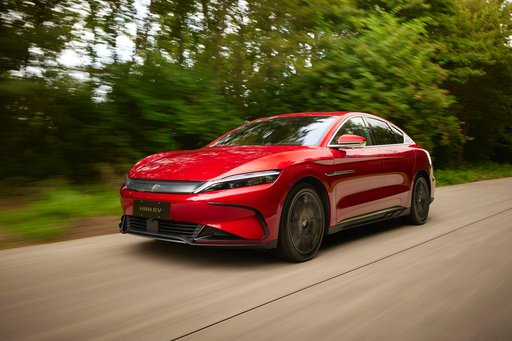
BYD Han

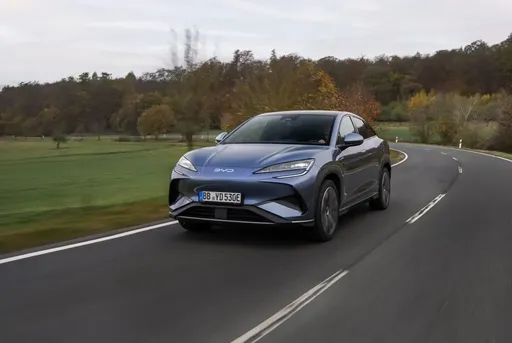
BYD Sealion 7

5 (1 Reviews)
rate

Here’s where it gets real: The technical differences in detail

Han

Costs and Efficiency:

Price and efficiency are key factors when choosing a car – and this is often where the real differences emerge.

BYD Sealion 7 has a evident advantage in terms of price – it starts at 42800 £ , while the BYD Han costs 59200 £ . That’s a price difference of around 16312 £.

In terms of energy consumption, the advantage goes to the BYD Han: with 18.50 kWh per 100 km, it’s barely noticeable more efficient than the BYD Sealion 7 with 19.90 kWh. That’s a difference of about 1.40 kWh.

As for electric range, the BYD Han performs minimal better – achieving up to 521 km, about 19 km more than the BYD Sealion 7.

Sealion 7

Engine and Performance:

Power, torque and acceleration say a lot about how a car feels on the road. This is where you see which model delivers more driving dynamics.

When it comes to engine power, the BYD Sealion 7 has a slight edge – offering 530 HP compared to 517 HP. That’s roughly 13 HP more horsepower.

In acceleration from 0 to 100 km/h, the BYD Han is a bit quicker – completing the sprint in 3.90 s, while the BYD Sealion 7 takes 4.50 s. That’s about 0.60 s faster.

There’s also a difference in torque: BYD Han pulls hardly perceptible stronger with 700 Nm compared to 690 Nm. That’s about 10 Nm difference.

Han

Space and Everyday Use:

Whether family car or daily driver – which one offers more room, flexibility and comfort?

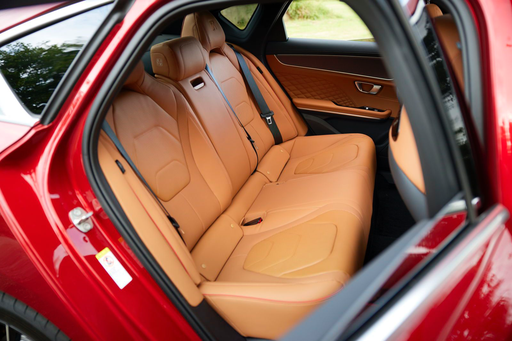
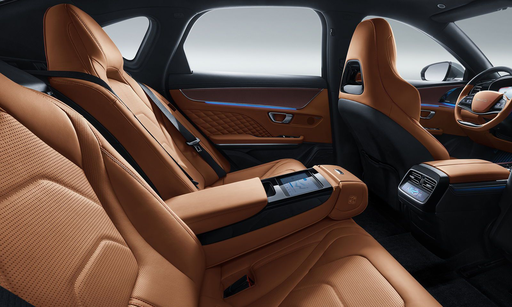
Both vehicles offer seating for 5 people.

In curb weight, BYD Sealion 7 is hardly perceptible lighter – 2225 kg compared to 2325 kg. The difference is around 100 kg.

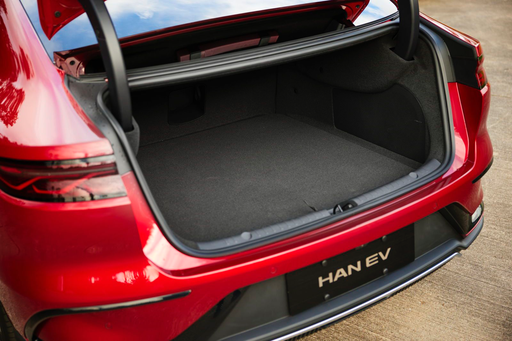
In terms of boot space, the BYD Sealion 7 offers clearly perceptible more room – 520 L compared to 410 L. That’s a difference of about 110 L.

When it comes to payload, BYD Sealion 7 somewhat takes the win – 410 kg compared to 335 kg. That’s a difference of about 75 kg.

Who wins the race in the data check?

The BYD Sealion 7 is clearly ahead overall in the objective data comparison.
This result only shows which model scores more points on paper – not which of the two cars feels right for you.

BYD Han
BYD Sealion 7

Costs and Consumption

View detailed analysis

Engine and Performance

View detailed analysis

Dimensions and Body

View detailed analysis
from about £42,800
Sealion 7

BYD Sealion 7

  • Engine Type : Electric
  • Transmission : Automatic
  • Drive Type : Rear-Wheel Drive, All-Wheel Drive
  • Power HP : 313 - 530 HP
  • Consumption kWh/100km : 19.9 - 21.9 kWh
  • Electric Range : 456 - 502 km

BYD Han

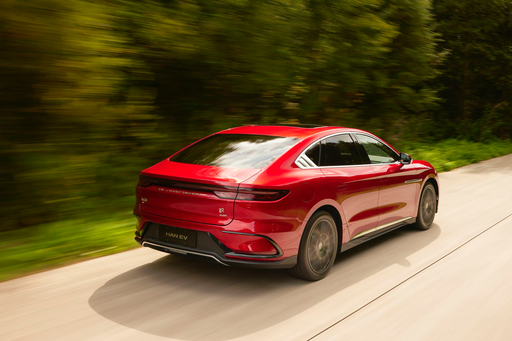
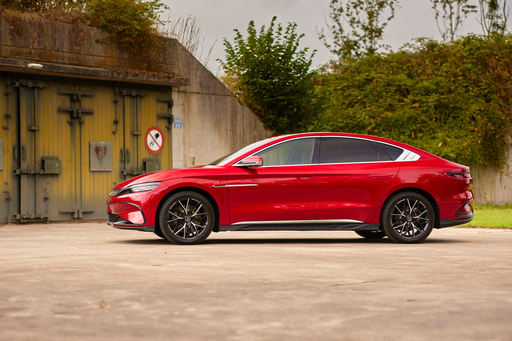
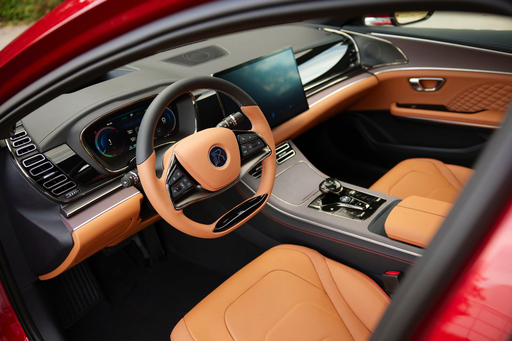
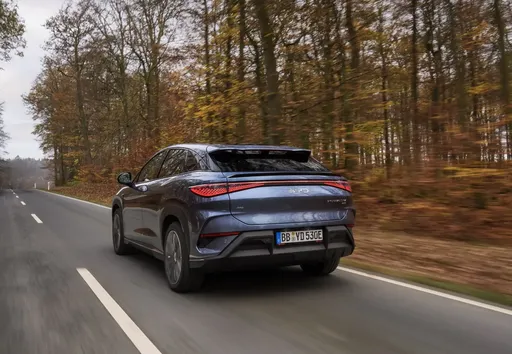
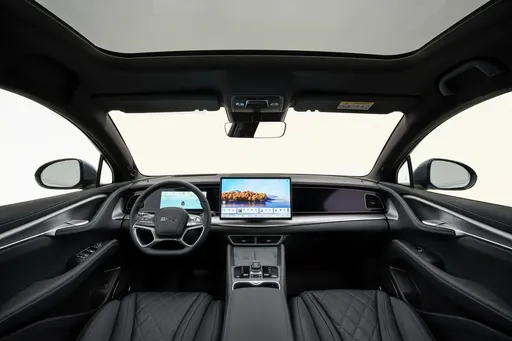
The BYD Han is a sleek, cinematic fastback saloon that pairs dramatic styling with a surprisingly plush cabin and a genuinely high-tech feel. It undercuts established rivals on price while delivering composed handling, generous equipment and long-legged electric confidence — a car that will make badge-conscious buyers sit up and take notice.

details

BYD Sealion 7

5 (1 Reviews)
rate

The Sealion 7 captivates with its striking design and impressive performance that appeals to both enthusiasts and casual drivers alike. With a focus on comfort and advanced technology, this model redefines the driving experience, making every journey enjoyable. Its sleek silhouette coupled with an innovative interior showcases the perfect blend of style and functionality.

details
BYD Han
BYD Sealion 7

Costs and Consumption

Price
59200 - 62200 £
Price
42800 - 52300 £
Consumption L/100km
-
Consumption L/100km
-
Consumption kWh/100km
18.50 kWh
Consumption kWh/100km
19.9 - 21.9 kWh
Electric Range
521 km
Electric Range
456 - 502 km
Battery Capacity
-
Battery Capacity
-
co2
0 g/km
co2
0 g/km
Fuel tank capacity
-
Fuel tank capacity
-

Dimensions and Body

Body Type
Sedan
Body Type
SUV
Seats
5
Seats
5
Doors
4
Doors
-
Curb weight
2325 kg
Curb weight
2225 - 2435 kg
Trunk capacity
410 L
Trunk capacity
520 L
Length
4995 mm
Length
-
Width
1910 mm
Width
1925 mm
Height
1495 mm
Height
-
Max trunk capacity
-
Max trunk capacity
-
Payload
335 kg
Payload
410 kg

Engine and Performance

Engine Type
Electric
Engine Type
Electric
Transmission
Automatic
Transmission
Automatic
Transmission Detail
-
Transmission Detail
Reduction Gearbox
Drive Type
All-Wheel Drive
Drive Type
Rear-Wheel Drive, All-Wheel Drive
Power HP
517 HP
Power HP
313 - 530 HP
Acceleration 0-100km/h
3.90 s
Acceleration 0-100km/h
4.5 - 6.7 s
Max Speed
180 km/h
Max Speed
-
Torque
700 Nm
Torque
380 - 690 Nm
Number of Cylinders
-
Number of Cylinders
-
Power kW
380 kW
Power kW
230 - 390 kW
Engine capacity
-
Engine capacity
-

General

Model Year
2023
Model Year
2024
CO2 Efficiency Class
A
CO2 Efficiency Class
A
Brand
BYD
Brand
BYD
What drivetrain options does the BYD Han have?

Available configurations include All-Wheel Drive.

The prices shown are estimates based on German list prices, adjusted for local VAT. Local registration taxes (e.g. NoVA, BPM or CO2 malus) are not included. This information is not legally binding.