VS

BYD Seal U vs MG MGS6 EV comparison

Compare performance (324 HP vs 361 HP), boot space and price (34,300 £ vs 42,800 £ ) at a glance. Find out which car is the better choice for you – BYD Seal U or MG MGS6 EV?

BYD Seal U vs MG MGS6 EV: Key differences

BYD Seal U

4.4 (14 Reviews)
rate
  • clearly cheaper
  • noticeably more efficient
details

MG MGS6 EV

4.3 (4 Reviews)
rate
  • a bit more power
  • only slightly more electric range
  • moderately quicker 0–100 km/h
  • marginally lighter
details

All details on performance, efficiency, range and trunk space can be found in the technical comparison below – including user reviews for both models.

Seal U

BYD Seal U VS MG MGS6 EV — quick look

The BYD Seal U and the MG MGS6 EV are two large, comfort‑focused electric SUVs that target buyers who value space and equipment over sporty handling. The BYD Seal U leans on a generous kit list and a calming, softly sprung character, while the MG MGS6 EV trades some of that plushness for noticeably more usable interior volume. In this BYD Seal U VS MG MGS6 EV comparison we focus on how each car feels in everyday life — from cabin ergonomics to long‑distance behavior and practicality. Expect clear trade‑offs rather than spec worship: one soothes occupants, the other swallows people and luggage with less compromise.
MGS6 EV

Character and driving feel

Driving the BYD Seal U feels intentionally relaxed: it soaks up imperfections and keeps things quiet, but it also leans into a softer, floatier setup that blunts steering feedback. The MG MGS6 EV is also calm at speed yet presents a tighter, more controlled demeanor that masks its size without coming across as firm or sporty. If you want engagement neither car is aimed at you — the BYD emphasizes serenity while the MG leans toward composed competence. In practical terms that means the BYD comforts you through long corridors of motorway, whereas the MG gives a more assured feeling when you need to merge or overtake.

Seal U

Comfort and long‑distance behavior

Both the BYD Seal U and MG MGS6 EV are built to make long trips easy, but they achieve that in different ways: BYD focuses on a cushioned ride and very low cabin noise, so hours behind the wheel feel less fatiguing. The MG matches the quietness and adds exceptional rear legroom and a flat floor, so back‑seat passengers are even more comfortable on long hauls. There are practical caveats: certain BYD variants can expose engine noise under sustained load, while MG’s efficiency can fall off more noticeably at higher sustained speeds. Overall the BYD soothes driver and front passenger best, the MG rewards those who spend the miles in the rear seats.

Practicality and cargo usability

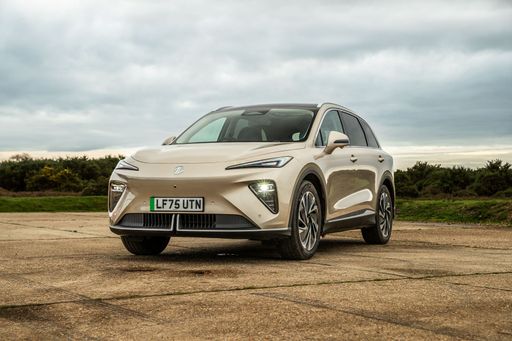
When it comes to luggage and everyday loading the MG MGS6 EV clearly prioritises usable space — it offers a bigger, easier‑shaped boot and an additional front storage area that helps separate wet or valuable items. The BYD Seal U is family‑friendly with a generally flat rear floor and adjustable seats, but once you load people and suitcases the space feels tighter than the MG’s. Neither car is a utility vehicle: BYD’s adjustable floor yields limited extra height and MG’s rear bench isn’t sliding, so both require planning for bulky items. If you regularly haul bulky gear the MG is the pragmatic choice; if you prioritise a feature‑rich cabin and occasional luggage trips the BYD will do the job while saving money.

Cabin usability and perceived quality

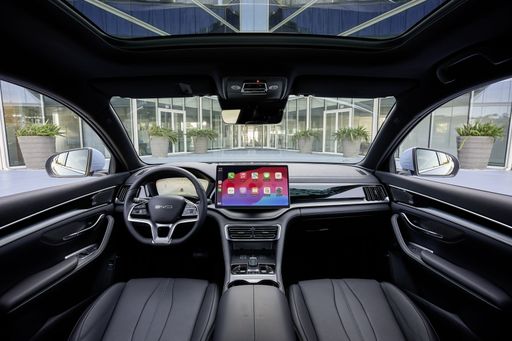
Inside, BYD and MG take different routes: the BYD Seal U piles on visible tech and thoughtful touches — a rotating centre display, crisp cameras and a strong first impression — but some functions live in deep menus and lack quick shortcuts. The MG MGS6 EV opts for clearer ergonomics and physical controls that make everyday interactions feel faster and less distracting, even if some displays and the HUD lack the refinement of premium rivals. Material quality is generally good in both: BYD edges toward a more upscale presentation in places, while MG favours durable, workmanlike finishes that age predictably. In short, BYD sells you gadgetry and a premium feel up front; MG sells straightforward usability that rewards repetitive daily tasks.

Buyer fit and what to weigh before the technical details

Choosing between the BYD Seal U and the MG MGS6 EV comes down to lifestyle: pick the BYD if you want the best kit for the money, a very quiet, comfort‑first highway experience and the option of a PHEV setup that lowers running costs when you can charge regularly. Choose the MG if rear‑seat comfort, maximum usable luggage space and a simple, durable cabin are top priorities for family life and you mostly charge at home. Both cars trade away sporting thrills and neither is ideal if you demand the quickest possible public charging stops, so everyday routines — commuting, who sits in the back, and how often you pack the boot — should decide your preference. Below, the technical comparison will unpack charging behaviour, range and power delivery so you can translate these lifestyle trade‑offs into ownership realities.

Here’s where it gets real: The technical differences in detail

Seal U

Costs and Efficiency:

Price and efficiency are key factors when choosing a car – and this is often where the real differences emerge.

BYD Seal U is clearly cheaper – starting at 34,300 £ , while the MG MGS6 EV costs 42,800 £ . That’s a price difference of around 8,571 £.

In terms of energy consumption, the BYD Seal U is noticeably more efficient: consuming 12.1 kWh/100km compared to 16.6 kWh/100km for the MG MGS6 EV. That’s a difference of about 4.5 kWh/100km.

As for electric range, the MG MGS6 EV offers only slightly more range – reaching up to 530 km, about 30 km more than the BYD Seal U.

MGS6 EV

Engine and Performance:

Power, torque and acceleration are the classic benchmarks for car enthusiasts – and here, some clear differences start to show.

When it comes to engine power, the MG MGS6 EV offers a bit more power – delivering 361 HP compared to 324 HP. That’s roughly 37 HP more horsepower.

When accelerating from 0 to 100 km/h, the MG MGS6 EV is moderately quicker – completing the sprint in 5.1 s, while the BYD Seal U takes 5.9 s. That’s about 0.8 s quicker.

There’s also a difference in torque: the BYD Seal U delivers barely more torque with 550 Nm compared to 540 Nm. That’s about 10 Nm more.

Seal U

Space and Everyday Use:

Cabin size, boot volume and payload all play a role in everyday practicality. Here, comfort and flexibility make the difference.

Both vehicles offer seating for 5 people.

In terms of curb weight, MG MGS6 EV is marginally lighter – 1,908 kg compared to 1,940 kg. The difference is around 32 kg.

When it comes to payload, the MG MGS6 EV carries a bit more – 480 kg compared to 410 kg. That’s a difference of about 70 kg.

Who wins the race in the data check?

The BYD Seal U is barely ahead in the objective data comparison.
This result only shows which model scores more points on paper – not which of the two cars feels right for you.

from £34,300
Seal U

BYD Seal U

  • Engine Type Electric, Plug-in Hybrid
  • Transmission Automatic
  • Drive Type Front-Wheel Drive, All-Wheel Drive
  • Power HP 218 - 324 HP
  • Consumption kWh/100km 12.1 - 20.5 kWh/100km
  • Electric Range 70 - 500 km
BYD Seal U
MG MGS6 EV

Costs and Consumption

View detailed analysis

Engine and Performance

View detailed analysis

Dimensions and Body

View detailed analysis

BYD Seal U

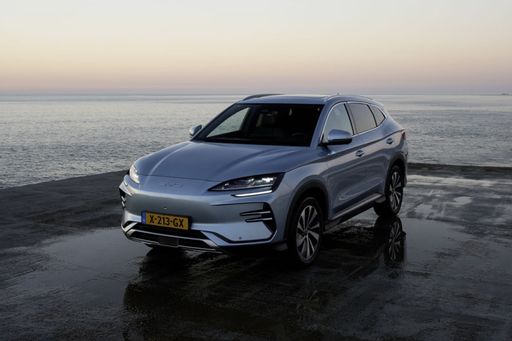
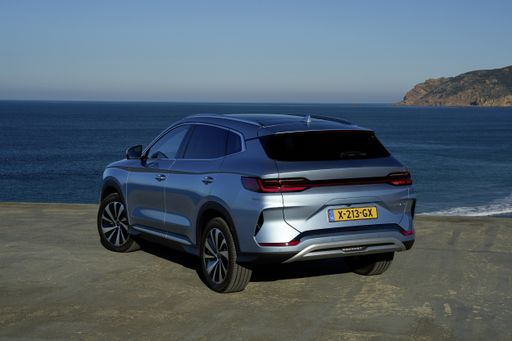
The BYD Seal U is a sleek electric fastback that blends sporty styling with a roomy, tech-focused interior, making it an appealing choice for buyers who want electric performance without sacrificing comfort. It delivers a smooth, composed ride and intuitive features, positioning it as a practical yet modern option in the EV market.

details

MG MGS6 EV

The MG MGS6 EV is a practical and affordable electric hatch that blends everyday usability with a surprisingly refined driving feel. Inside it offers a roomy, well-equipped cabin and straightforward tech, making it a sensible choice for buyers who want EV simplicity without fuss.

details
BYD Seal U
MG MGS6 EV

Costs and Consumption

Price
34,300 - 39,800 £
Price
42,800 - 46,300 £
Consumption L/100km
-
Consumption L/100km
-
Consumption kWh/100km
12.1 - 20.5 kWh/100km
Consumption kWh/100km
16.6 - 18.1 kWh/100km
Electric Range
70 - 500 km
Electric Range
485 - 530 km
Battery Capacity
-
Battery Capacity
-
co2
0 - 71 g/km
co2
0 g/km
Fuel tank capacity
-
Fuel tank capacity
-

Dimensions and Body

Body Type
SUV
Body Type
SUV
Seats
5
Seats
5
Doors
-
Doors
-
Curb weight
1,940 - 2,147 kg
Curb weight
1,908 - 2,005 kg
Trunk capacity
425 - 552 L
Trunk capacity
-
Length
-
Length
-
Width
1,890 mm
Width
1,912 mm
Height
-
Height
-
Max trunk capacity
-
Max trunk capacity
-
Payload
410 kg
Payload
460 - 480 kg

Engine and Performance

Engine Type
Electric, Plug-in Hybrid
Engine Type
Electric
Transmission
Automatic
Transmission
Automatic
Transmission Detail
Reduction Gearbox, Automatic Gearbox
Transmission Detail
Reduction Gearbox
Drive Type
Front-Wheel Drive, All-Wheel Drive
Drive Type
Rear-Wheel Drive, All-Wheel Drive
Power HP
218 - 324 HP
Power HP
244 - 361 HP
Acceleration 0-100km/h
5.9 - 9.6 s
Acceleration 0-100km/h
5.1 - 7.3 s
Max Speed
-
Max Speed
-
Torque
300 - 550 Nm
Torque
350 - 540 Nm
Number of Cylinders
4
Number of Cylinders
-
Power kW
160 - 238 kW
Power kW
180 - 266 kW
Engine capacity
1,497 - 1,498 cm3
Engine capacity
-

General

Model Year
2,024 - 2,026
Model Year
2026
CO2 Efficiency Class
A, B
CO2 Efficiency Class
A
Brand
BYD
Brand
MG
DriveDuel uses data analysis and artificial intelligence to evaluate vehicle data and create content. Content is regularly reviewed and improved. The displayed prices are estimates based on German list prices, adjusted to the respective country’s VAT. Country-specific registration taxes are not included. This information is not legally binding.