VS

BYD Seal U vs Toyota bZ4X comparison

Compare performance (324 HP vs 380 HP), boot space and price (34,300 £ vs 36,800 £ ) at a glance. Find out which car is the better choice for you – BYD Seal U or Toyota bZ4X?

BYD Seal U vs Toyota bZ4X: Key differences

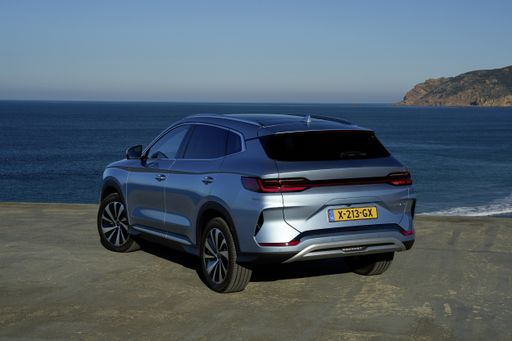
BYD Seal U

4.1 (7 Reviews)
rate
  • only slightly cheaper
  • somewhat more efficient
  • somewhat more trunk space
details

Toyota bZ4X

4.5 (7 Reviews)
rate
  • a bit more power
  • somewhat more electric range
  • noticeably quicker 0–100 km/h
  • only slightly lighter
details

All details on performance, efficiency, range and trunk space can be found in the technical comparison below – including user reviews for both models.

By Achim Sedelmaier

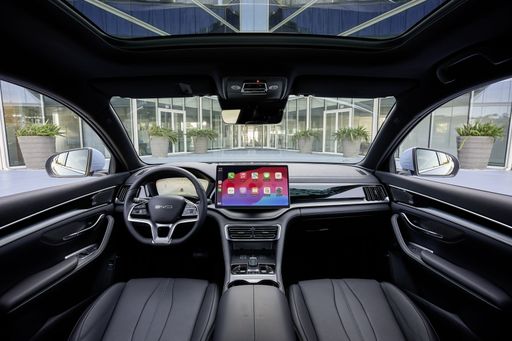
Seal U

Future-Ready SUVs: BYD Seal U vs Toyota bZ4X

In the rapidly evolving world of electric mobility, the BYD Seal U and Toyota bZ4X emerge as notable players in the SUV segment. Both vehicles represent a shift towards sustainable driving, blending cutting-edge technology with practicality. Here's a detailed comparison of their technical aspects and innovations.
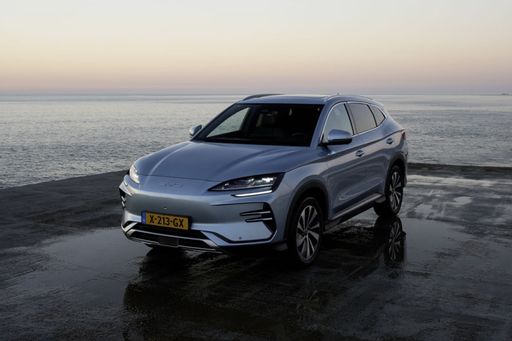
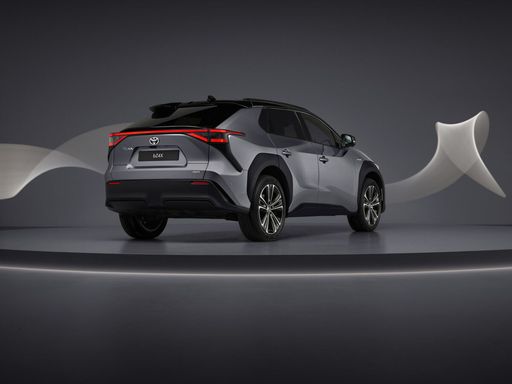
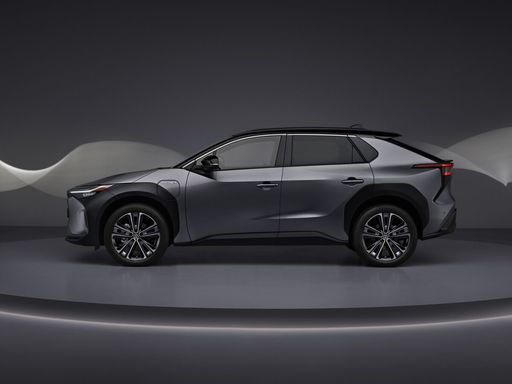
bZ4X

Powertrain and Performance

The BYD Seal U offers flexibility with its dual-engine types—Plug-in Hybrid and Electric—paired with either a CVT or reduction gearbox automatic transmission. It caters to both front-wheel and all-wheel drive preferences, delivering a power range between 218 and 324 HP. This power is further supported by an acceleration of 0-100 km/h in as quick as 5.9 seconds, ensuring a dynamic driving experience.

On the other hand, the Toyota bZ4X keeps it simple with an all-electric setup and a reduction gearbox transmission. It provides a steady power delivery between 204 to 218 HP and impresses with an electric range of up to 513 km. The bZ4X achieves 0-100 km/h in just 6.9 seconds, highlighting its capability despite being a fully electric vehicle.

Seal U

Efficiency and Eco-Friendliness

When it comes to sustainability, the Toyota bZ4X shines with a remarkable CO2 efficiency class of 'A' and zero emissions, thanks to its fully electric powertrain. It boasts a consumption rate as efficient as 14.4 kWh/100 km, making it a frontrunner for eco-conscious buyers.

The BYD Seal U, while offering a hybrid option, presents a CO2 efficiency class ranging from 'B' to 'A'. Its hybrid model achieves low consumption figures, ranging from 0.9 to 1.2 L/100km, and its electric variant consumes about 19.9 to 20.5 kWh/100 km. Despite being a hybrid, it maintains commendable efficiency and reduced emissions.

bZ4X

Design and Space

Both SUVs exhibit a stylish and practical design, although with slight dimensional differences. The BYD Seal U is slightly longer, measuring up to 4,785 mm, and offers a generous trunk capacity of 552 L. Its payload capacity stands at 410 kg, emphasizing its utility appeal.

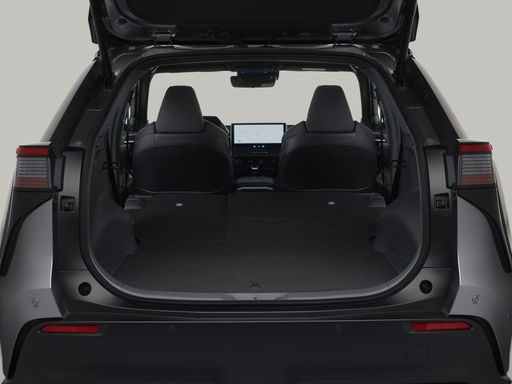
Meanwhile, the Toyota bZ4X, slightly more compact at 4,690 mm in length, offers a trunk capacity of 452 L. It's not far behind in utility with a payload capacity ranging from 465 to 495 kg, catering to various lifestyle needs.

Seal U

Innovations and Features

Noteworthy innovations include the BYD Seal U's multiple drive options, catering to varied driver preferences, while aiming for maximum efficiency and performance. Its hybrid and electric offerings push boundaries within its category.

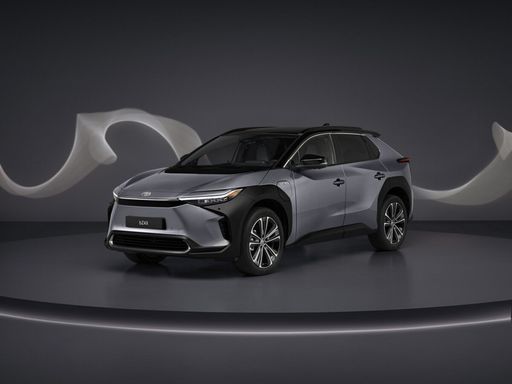
Toyota's bZ4X stands out with its sleek design and advanced electric capabilities, designed for those committed to a zero-emission future. It also integrates Toyota's renowned reliability and safety features, offering peace of mind to the driving experience.

bZ4X

Conclusion

Both the BYD Seal U and Toyota bZ4X embody the future of the SUV segment with their unique approaches to electric mobility. The Seal U's flexibility between hybrid and electric functionality caters to a broader audience, while the bZ4X appeals to purists seeking a fully electric lifestyle. Ultimately, the choice would depend on individual preferences, priorities, and brand allegiance in the journey towards sustainable driving.

Here’s where it gets real: The technical differences in detail

Seal U

Costs and Efficiency:

When it comes to price and running costs, the biggest differences usually appear. This is often where you see which car fits your budget better in the long run.

BYD Seal U is only slightly cheaper – starting at 34,300 £ , while the Toyota bZ4X costs 36,800 £ . That’s a price difference of around 2,571 £.

In terms of energy consumption, the BYD Seal U is somewhat more efficient: consuming 12.1 kWh/100km compared to 13.5 kWh/100km for the Toyota bZ4X. That’s a difference of about 1.4 kWh/100km.

As for electric range, the Toyota bZ4X offers somewhat more range – reaching up to 591 km, about 91 km more than the BYD Seal U.

bZ4X

Engine and Performance:

Power, torque and acceleration are the classic benchmarks for car enthusiasts – and here, some clear differences start to show.

When it comes to engine power, the Toyota bZ4X offers a bit more power – delivering 380 HP compared to 324 HP. That’s roughly 56 HP more horsepower.

When accelerating from 0 to 100 km/h, the Toyota bZ4X is noticeably quicker – completing the sprint in 4.4 s, while the BYD Seal U takes 5.9 s. That’s about 1.5 s quicker.

There’s also a difference in torque: the BYD Seal U delivers noticeably more torque with 550 Nm compared to 338 Nm. That’s about 212 Nm more.

Seal U

Space and Everyday Use:

Cabin size, boot volume and payload all play a role in everyday practicality. Here, comfort and flexibility make the difference.

Both vehicles offer seating for 5 people.

In terms of curb weight, Toyota bZ4X is only slightly lighter – 1,900 kg compared to 1,940 kg. The difference is around 40 kg.

Looking at boot space, the BYD Seal U offers somewhat more boot space – 552 L compared to 452 L. That’s a difference of about 100 L.

When it comes to payload, the Toyota bZ4X carries clearly more – 565 kg compared to 410 kg. That’s a difference of about 155 kg.

Who wins the race in the data check?

The Toyota bZ4X is slightly ahead in the objective data comparison.
This result only shows which model scores more points on paper – not which of the two cars feels right for you.

from £36,800
bZ4X

Toyota bZ4X

  • Engine Type : Electric
  • Transmission : Automatic
  • Drive Type : Front-Wheel Drive, All-Wheel Drive
  • Power HP : 167 - 380 HP
  • Consumption kWh/100km : 13.5 - 16.6 kWh/100km
  • Electric Range : 444 - 591 km
BYD Seal U
Toyota bZ4X

Costs and Consumption

View detailed analysis

Engine and Performance

View detailed analysis

Dimensions and Body

View detailed analysis

BYD Seal U

The BYD Seal U pairs a sleek fastback silhouette with a surprisingly roomy, tech-rich cabin, giving electric chic without the showroom pretension. It's a smart pick for buyers after confident handling, sensible practicality and standout value — all wrapped up with a cheeky grin when you put your foot down.

details

Toyota bZ4X

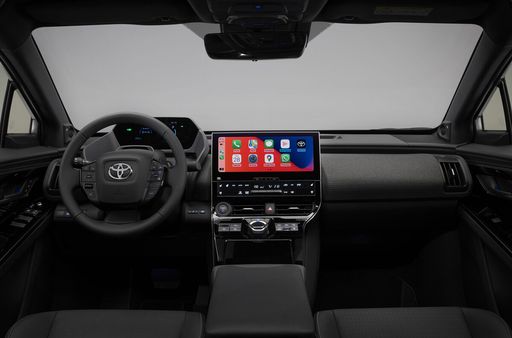
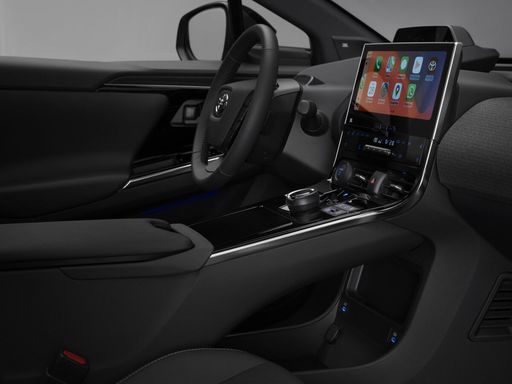
The Toyota bZ4X is a fresh, roomy electric crossover that pairs Toyota’s trademark reliability with bold, angular styling and a cabin designed for everyday comfort. It may not chase headlines like some flashier rivals, but for buyers who want sensible electric motoring with practical packaging and a relaxed, confident ride, it’s an easy, pleasant choice.

details
BYD Seal U
Toyota bZ4X

Costs and Consumption

Price
34,300 - 39,800 £
Price
36,800 - 51,000 £
Consumption L/100km
-
Consumption L/100km
-
Consumption kWh/100km
12.1 - 20.5 kWh/100km
Consumption kWh/100km
13.5 - 16.6 kWh/100km
Electric Range
70 - 500 km
Electric Range
444 - 591 km
Battery Capacity
-
Battery Capacity
-
co2
0 - 71 g/km
co2
0 g/km
Fuel tank capacity
-
Fuel tank capacity
-

Dimensions and Body

Body Type
SUV
Body Type
SUV
Seats
5
Seats
5
Doors
-
Doors
-
Curb weight
1,940 - 2,147 kg
Curb weight
1,900 - 2,180 kg
Trunk capacity
425 - 552 L
Trunk capacity
452 L
Length
-
Length
-
Width
1,890 mm
Width
1,860 mm
Height
-
Height
-
Max trunk capacity
-
Max trunk capacity
-
Payload
410 kg
Payload
375 - 565 kg

Engine and Performance

Engine Type
Electric, Plugin Hybrid
Engine Type
Electric
Transmission
Automatic
Transmission
Automatic
Transmission Detail
Reduction Gearbox, Automatic Gearbox
Transmission Detail
Reduction Gearbox
Drive Type
Front-Wheel Drive, All-Wheel Drive
Drive Type
Front-Wheel Drive, All-Wheel Drive
Power HP
218 - 324 HP
Power HP
167 - 380 HP
Acceleration 0-100km/h
5.9 - 9.6 s
Acceleration 0-100km/h
4.4 - 8.6 s
Max Speed
-
Max Speed
-
Torque
300 - 550 Nm
Torque
268 - 338 Nm
Number of Cylinders
4
Number of Cylinders
-
Power kW
160 - 238 kW
Power kW
123 - 280 kW
Engine capacity
1,497 - 1,498 cm3
Engine capacity
-

General

Model Year
2,024 - 2,026
Model Year
2,025 - 2,026
CO2 Efficiency Class
A, B
CO2 Efficiency Class
A
Brand
BYD
Brand
Toyota
DriveDuel uses data analysis and artificial intelligence to evaluate vehicle data and create content. Content is regularly reviewed and improved. The displayed prices are estimates based on German list prices, adjusted to the respective country’s VAT. Country-specific registration taxes are not included. This information is not legally binding.