
 Deutschland
 France
 Nederland
 Great Britain
 Sverige
 Norge
Norge Danmark
 Suomi
Suomi Italia
 Polska
 España
VS
Citroen Holidays vs VW ID.7 - Differences and prices compared
ID.7
@ Volkswagen AG / VW Media
Costs and Efficiency:
Price and efficiency are often the first things buyers look at. Here it becomes clear which model has the long-term edge – whether at the pump, the plug, or in purchase price.
Citroen Holidays has a slight advantage in terms of price – it starts at 42800 £, while the VW ID.7 costs 46400 £. That’s a price difference of around 3527 £.
ID.7
@ Volkswagen AG / VW Media
Engine and Performance:
Power, torque and acceleration are the classic benchmarks for car enthusiasts – and here, some clear differences start to show.
When it comes to engine power, the VW ID.7 has a clearly edge – offering 340 HP compared to 180 HP. That’s roughly 160 HP more horsepower.
In terms of top speed, the VW ID.7 performs minimal better – reaching 180 km/h, while the Citroen Holidays tops out at 170 km/h. The difference is around 10 km/h.
There’s also a difference in torque: VW ID.7 pulls decisively stronger with 679 Nm compared to 400 Nm. That’s about 279 Nm difference.
ID.7
@ Volkswagen AG / VW Media
Space and Everyday Use:
Cabin size, boot volume and payload all play a role in everyday practicality. Here, comfort and flexibility make the difference.
Seats: VW ID.7 offers a bit more seating capacity – 5 vs 4.
In curb weight, VW ID.7 is barely noticeable lighter – 2180 kg compared to 2235 kg. The difference is around 55 kg.
When it comes to payload, Citroen Holidays decisively takes the win – 865 kg compared to 465 kg. That’s a difference of about 400 kg.
Who wins the race?
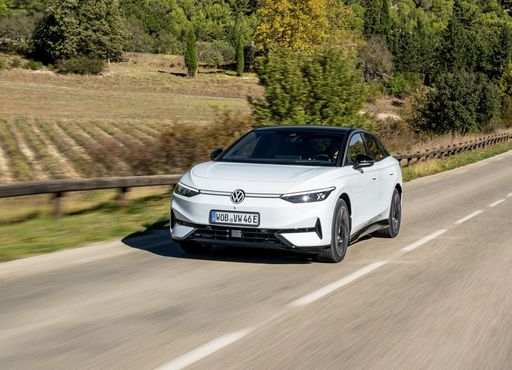
The VW ID.7 proves to be wins the duel decisively and therefore becomes our DriveDuel Champion!
VW ID.7 is the better all-rounder in this comparison.
from about £46,400
 @ Volkswagen AG / VW Media
VW ID.7
Citroen Holidays
VW ID.7
Costs and Consumption
View detailed analysis
View detailed analysis
Engine and Performance
View detailed analysis
View detailed analysis
Dimensions and Body
View detailed analysis
View detailed analysis
Citroen Holidays
The Citroën Holidays wraps the brand's cheerful French charm into a holiday-ready package, with cosy, flexible interiors and styling that makes every errand feel like the start of a mini break. It won't thrill the petrolhead, but as a clever, easygoing companion for family getaways and weekend escapes it delivers exactly what most buyers want: comfort, personality and a mischievous sense of fun.
detailsVW ID.7
4 (2 Reviews)
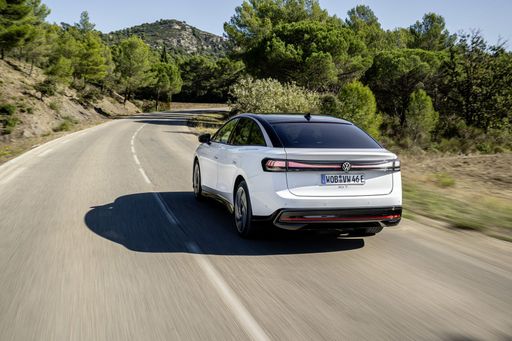
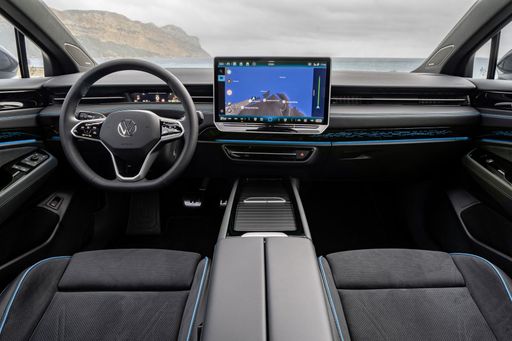
VW ID.7 arrives as Volkswagen's electric grand tourer, pairing a low-slung, aerodynamic silhouette with a calm, understated interior that prioritizes comfort and space. It’s a sensible choice for buyers who want a relaxed, high-tech cruiser that covers motorway miles with poise rather than bravado.
details
@ Volkswagen AG / VW Media
 @ Volkswagen AG / VW Media
 @ Volkswagen AG / VW Media
 @ Volkswagen AG / VW Media
Citroen Holidays
VW ID.7
|
@ Volkswagen AG / VW Media
|
|
|
|
|
Costs and Consumption |
|
|---|---|
|
Price
42800 - 45400 £
|
Price
46400 - 54200 £
|
|
Consumption L/100km
7.9 - 8.1 L
|
Consumption L/100km
-
|
|
Consumption kWh/100km
-
|
Consumption kWh/100km
13.6 - 16.2 kWh
|
|
Electric Range
-
|
Electric Range
594 - 708 km
|
|
Battery Capacity
-
|
Battery Capacity
77 - 86 kWh
|
|
co2
208 - 211 g/km
|
co2
0 g/km
|
|
Fuel tank capacity
70 L
|
Fuel tank capacity
-
|
Dimensions and Body |
|
|---|---|
|
Body Type
Bus
|
Body Type
Hatchback
|
|
Seats
4
|
Seats
5
|
|
Doors
5
|
Doors
5
|
|
Curb weight
2235 kg
|
Curb weight
2180 - 2325 kg
|
|
Trunk capacity
-
|
Trunk capacity
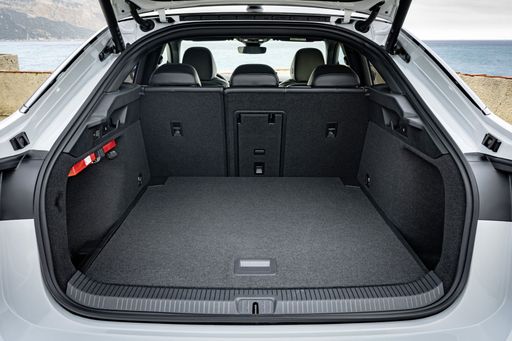
532 L
|
|
Length
4981 mm
|
Length
4961 mm
|
|
Width
2010 mm
|
Width
1862 mm
|
|
Height
1990 mm
|
Height
1535 - 1536 mm
|
|
Max trunk capacity
-
|
Max trunk capacity
1586 L
|
|
Payload
865 kg
|
Payload
460 - 465 kg
|
Engine and Performance |
|
|---|---|
|
Engine Type
Diesel
|
Engine Type
Electric
|
|
Transmission
Manuel, Automatic
|
Transmission
Automatic
|
|
Transmission Detail
Manual Gearbox, Automatic Gearbox
|
Transmission Detail
Reduction Gearbox
|
|
Drive Type
Front-Wheel Drive
|
Drive Type
Rear-Wheel Drive, All-Wheel Drive
|
|
Power HP
150 - 180 HP
|
Power HP
286 - 340 HP
|
|
Acceleration 0-100km/h
-
|
Acceleration 0-100km/h
5.4 - 6.6 s
|
|
Max Speed
170 km/h
|
Max Speed
180 km/h
|
|
Torque
370 - 400 Nm
|
Torque
545 - 679 Nm
|
|
Number of Cylinders
4
|
Number of Cylinders
-
|
|
Power kW
110 - 132 kW
|
Power kW
210 - 250 kW
|
|
Engine capacity
2184 cm3
|
Engine capacity
-
|
General |
|
|---|---|
|
Model Year
2025
|
Model Year
2023 - 2024
|
|
CO2 Efficiency Class
G
|
CO2 Efficiency Class
A
|
|
Brand
Citroen
|
Brand
VW
|
What drivetrain options does the Citroen Holidays have?
Available configurations include Front-Wheel Drive.
The prices and data displayed are estimates based on German list prices and may vary by country. This information is not legally binding.