
 Deutschland
 France
 Nederland
 Great Britain
 Sverige
 Danmark
 Suomi
Suomi Italia
 Polska
 España
VS
Fiat Doblò Van vs Ford Transit Transporter comparison
Compare performance (136 HP vs 269 HP), boot space and price (21,300 £ vs 39,900 £ ) at a glance. Find out which car is the better choice for you – Fiat Doblò Van or Ford Transit Transporter?
Doblò Van
Costs and Efficiency:
Price and efficiency are key factors when choosing a car – and this is often where the real differences emerge.
Fiat Doblò Van is significantly cheaper – starting at 21,300 £ , while the Ford Transit Transporter costs 39,900 £ . That’s a price difference of around 18,615 £.
Fuel consumption also shows a difference: the Fiat Doblò Van uses 5.2 L/100km and is significantly more efficient than the Ford Transit Transporter with 7.9 L/100km. The difference is about 2.7 L/100km.
In terms of energy consumption, the Fiat Doblò Van is clearly more efficient: consuming 17.4 kWh/100km compared to 21.3 kWh/100km for the Ford Transit Transporter. That’s a difference of about 3.9 kWh/100km.
As for electric range, the Ford Transit Transporter offers moderately more range – reaching up to 402 km, about 48 km more than the Fiat Doblò Van.
Transit Transporter
Engine and Performance:
Power, torque and acceleration say a lot about how a car feels on the road. This is where you see which model delivers more driving dynamics.
When it comes to engine power, the Ford Transit Transporter offers substantially more power – delivering 269 HP compared to 136 HP. That’s roughly 133 HP more horsepower.
There’s also a difference in torque: the Ford Transit Transporter delivers visibly more torque with 430 Nm compared to 300 Nm. That’s about 130 Nm more.
Doblò Van
Space and Everyday Use:
Cabin size, boot volume and payload all play a role in everyday practicality. Here, comfort and flexibility make the difference.
Seats: Ford Transit Transporter offers more seats – 6 vs 5.
In terms of curb weight, Fiat Doblò Van is significantly lighter – 1,329 kg compared to 2,074 kg. The difference is around 745 kg.
When it comes to payload, the Ford Transit Transporter carries considerably more – 2,607 kg compared to 991 kg. That’s a difference of about 1,616 kg.
Who wins the race in the data check?
The Ford Transit Transporter has the upper hand in the objective data comparison.
This result only shows which model scores more points on paper – not which of the two cars feels right for you.
from £39,900
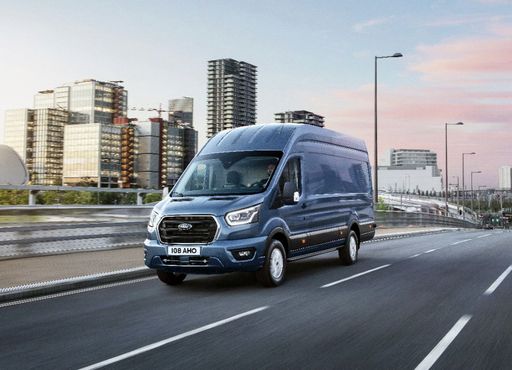
Ford Transit Transporter
Fiat Doblò Van
Ford Transit Transporter
Costs and Consumption
View detailed analysis
View detailed analysis
Engine and Performance
View detailed analysis
View detailed analysis
Dimensions and Body
View detailed analysis
View detailed analysis
Fiat Doblò Van
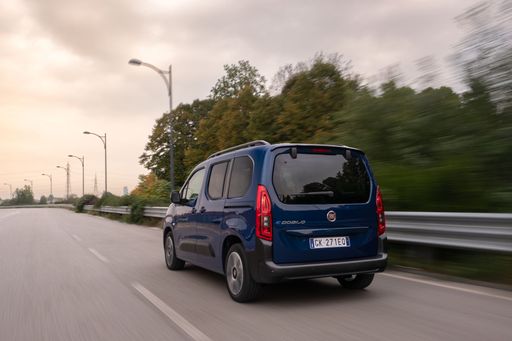
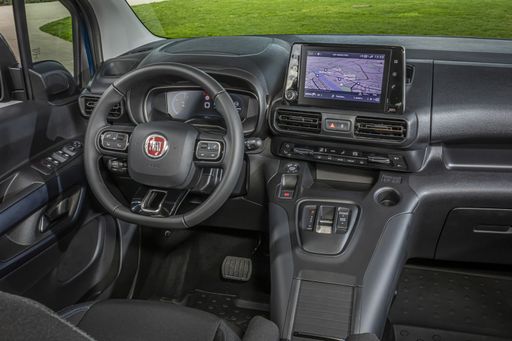
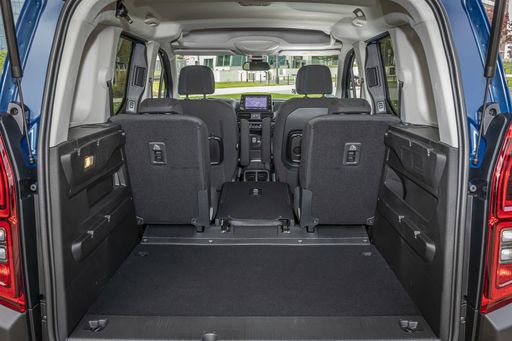
The Fiat Doblò is a no-nonsense workhorse that blends surprising cabin comfort with sensible practicality, turning long days on the road into something tolerable rather than torturous. Clever packaging and steady, uncomplicated manners make it a smart pick for small businesses and weekend warriors who want function without fuss.
details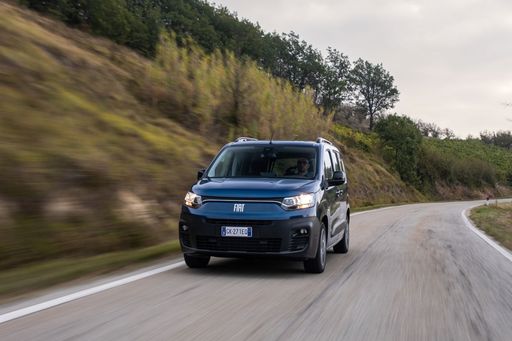
Ford Transit Transporter
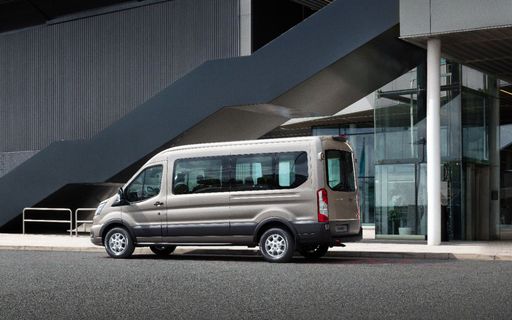
The Ford Transit is the no-nonsense workhorse that turns heavy-duty hauling into a surprisingly civilized experience, with a cabin that favors practicality over pretense. It’s the go-to for tradespeople and fleet managers who want reliability, adaptability and low running headaches — not showy gimmicks.
details

Fiat Doblò Van
Ford Transit Transporter
Costs and Consumption |
|
|---|---|
|
Price
21,300 - 33,800 £
|
Price
39,900 - 73,000 £
|
|
Consumption L/100km
5.2 - 6.3 L/100km
|
Consumption L/100km
7.9 - 10.3 L/100km
|
|
Consumption kWh/100km
17.4 kWh/100km
|
Consumption kWh/100km
21.3 - 32 kWh/100km
|
|
Electric Range
354 km
|
Electric Range
247 - 402 km
|
|
Battery Capacity
-
|
Battery Capacity
68 kWh
|
|
co2
0 - 143 g/km
|
co2
0 - 270 g/km
|
|
Fuel tank capacity
-
|
Fuel tank capacity
70 L
|
Dimensions and Body |
|
|---|---|
|
Body Type
Cargo Van
|
Body Type
Cargo Van
|
|
Seats
2 - 5
|
Seats
3 - 6
|
|
Doors
-
|
Doors
4
|
|
Curb weight
1,329 - 1,813 kg
|
Curb weight
2,074 - 2,765 kg
|
|
Trunk capacity
-
|
Trunk capacity
-
|
|
Length
-
|
Length
5,531 - 6,704 mm
|
|
Width
1,848 mm
|
Width
2,059 mm
|
|
Height
-
|
Height
2,530 - 2,778 mm
|
|
Max trunk capacity
-
|
Max trunk capacity
9,300 - 14,100 L
|
|
Payload
611 - 991 kg
|
Payload
735 - 2,607 kg
|
Engine and Performance |
|
|---|---|
|
Engine Type
Petrol, Diesel, Electric
|
Engine Type
Diesel, Electric
|
|
Transmission
Manuel, Automatic
|
Transmission
Manuel, Automatic
|
|
Transmission Detail
Manual Gearbox, Automatic Gearbox, Reduction Gearbox
|
Transmission Detail
Manual Gearbox, Automatic Gearbox, Reduction Gearbox
|
|
Drive Type
Front-Wheel Drive
|
Drive Type
Front-Wheel Drive, Rear-Wheel Drive, All-Wheel Drive
|
|
Power HP
102 - 136 HP
|
Power HP
105 - 269 HP
|
|
Acceleration 0-100km/h
-
|
Acceleration 0-100km/h
-
|
|
Max Speed
-
|
Max Speed
120 km/h
|
|
Torque
205 - 300 Nm
|
Torque
310 - 430 Nm
|
|
Number of Cylinders
3 - 4
|
Number of Cylinders
4
|
|
Power kW
75 - 100 kW
|
Power kW
77 - 198 kW
|
|
Engine capacity
1,199 - 1,499 cm3
|
Engine capacity
1,996 cm3
|
General |
|
|---|---|
|
Model Year
2,024
|
Model Year
2,019 - 2,024
|
|
CO2 Efficiency Class
E, A
|
CO2 Efficiency Class
G, A
|
|
Brand
Fiat
|
Brand
Ford
|
DriveDuel uses data analysis and artificial intelligence to evaluate vehicle data and create content. Content is regularly reviewed and improved.
The displayed prices are estimates based on German list prices, adjusted to the respective country’s VAT. Country-specific registration taxes are not included. This information is not legally binding.