
 Deutschland
 France
 Nederland
 Great Britain
 Sverige
 Danmark
 Suomi
Suomi Italia
 Polska
 Česko
Česko España
VS
Ford Tourneo Custom vs Toyota Mirai comparison
Compare performance (286 HP vs 182 HP), boot space and price (52,900 £ vs 58,700 £ ) at a glance. Find out which car is the better choice for you – Ford Tourneo Custom or Toyota Mirai?
Tourneo Custom
Costs and Efficiency:
Looking at overall running costs, both models reveal some interesting differences in everyday economy.
Ford Tourneo Custom is slightly cheaper – starting at 52,900 £ , while the Toyota Mirai costs 58,700 £ . That’s a price difference of around 5,818 £.
As for electric range, the Toyota Mirai offers substantially more range – reaching up to 650 km, about 311 km more than the Ford Tourneo Custom.
Mirai
Engine and Performance:
Power, torque and acceleration say a lot about how a car feels on the road. This is where you see which model delivers more driving dynamics.
When it comes to engine power, the Ford Tourneo Custom offers noticeably more power – delivering 286 HP compared to 182 HP. That’s roughly 104 HP more horsepower.
There’s also a difference in torque: the Ford Tourneo Custom delivers substantially more torque with 630 Nm compared to 300 Nm. That’s about 330 Nm more.
Tourneo Custom
Space and Everyday Use:
Whether family car or daily driver – which one offers more room, flexibility and comfort?
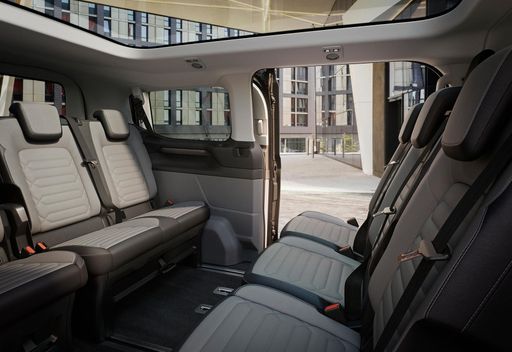
Seats: Ford Tourneo Custom offers more seats – 8 vs 5.
In terms of curb weight, Toyota Mirai is noticeably lighter – 1,900 kg compared to 2,660 kg. The difference is around 760 kg.
Looking at boot space, the Ford Tourneo Custom offers clearly more boot space – 819 L compared to 300 L. That’s a difference of about 519 L.
When it comes to payload, the Ford Tourneo Custom carries noticeably more – 690 kg compared to 515 kg. That’s a difference of about 175 kg.
Who wins the race in the data check?
The Ford Tourneo Custom stands well ahead of its rival in the objective data comparison.
This result only shows which model scores more points on paper – not which of the two cars feels right for you.
from £52,900
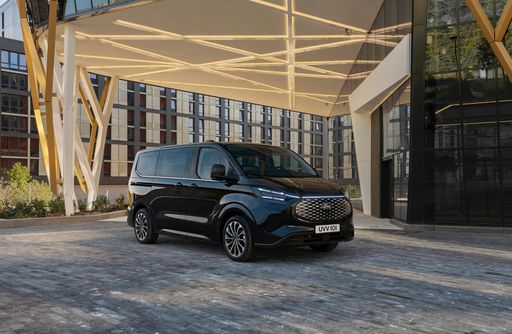
Ford Tourneo Custom
Ford Tourneo Custom
Toyota Mirai
Costs and Consumption
View detailed analysis
View detailed analysis
Engine and Performance
View detailed analysis
View detailed analysis
Dimensions and Body
View detailed analysis
View detailed analysis
Ford Tourneo Custom
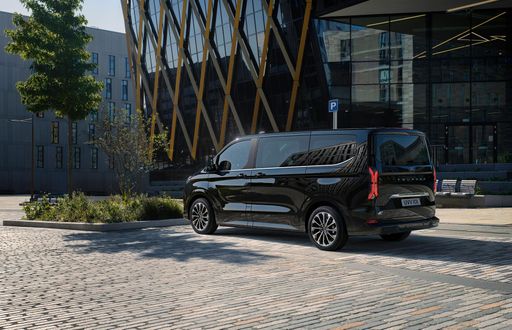
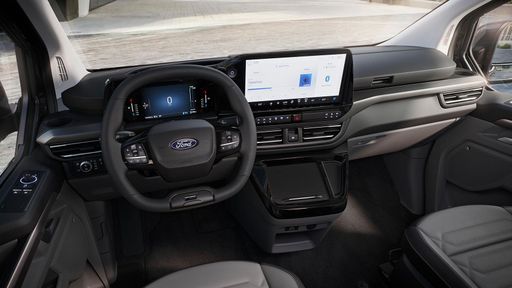
The Ford Tourneo Custom is a practical and polished people‑carrier that turns hauling crew and weekend kit into something surprisingly pleasant, with a composed ride and a cabin built for real life rather than showroom gloss. With clever storage, flexible seating and tech that keeps everyone happy on the road, it’s the sensible choice for families or businesses that want function without sacrificing a bit of style — the van that learnt how to be nice to live with.
details


Toyota Mirai
The Toyota Mirai arrives as a bold, futuristic saloon that turns heads with sleek, almost sci‑fi styling and a cabin that feels more lounge than cockpit. It trades petrol fuss for a whisper‑quiet hydrogen setup that delivers composed, effortless progress and makes long-distance cruising a relaxed pleasure — a compelling choice if you want cutting-edge eco tech without sacrificing comfort.
details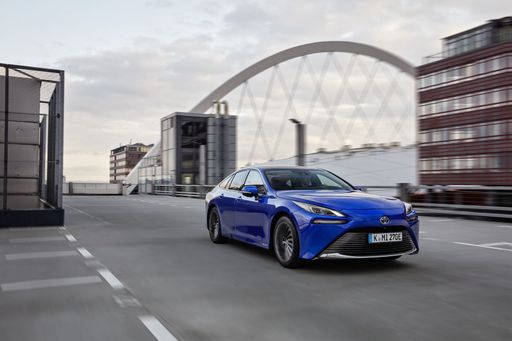
Ford Tourneo Custom
Toyota Mirai
Costs and Consumption |
|
|---|---|
|
Price
52,900 - 69,700 £
|
Price
58,700 - 66,700 £
|
|
Consumption L/100km
-
|
Consumption L/100km
-
|
|
Consumption kWh/100km
24.1 - 26.6 kWh/100km
|
Consumption kWh/100km
-
|
|
Electric Range
310 - 339 km
|
Electric Range
650 km
|
|
Battery Capacity
-
|
Battery Capacity
-
|
|
co2
0 g/km
|
co2
-
|
|
Fuel tank capacity
-
|
Fuel tank capacity
-
|
Dimensions and Body |
|
|---|---|
|
Body Type
Bus
|
Body Type
Sedan
|
|
Seats
8
|
Seats
5
|
|
Doors
-
|
Doors
-
|
|
Curb weight
2,660 - 2,707 kg
|
Curb weight
1,900 - 1,930 kg
|
|
Trunk capacity
672 - 819 L
|
Trunk capacity
300 L
|
|
Length
-
|
Length
-
|
|
Width
2,032 mm
|
Width
1,885 mm
|
|
Height
-
|
Height
-
|
|
Max trunk capacity
-
|
Max trunk capacity
-
|
|
Payload
620 - 690 kg
|
Payload
485 - 515 kg
|
Engine and Performance |
|
|---|---|
|
Engine Type
Electric
|
Engine Type
Hydrogen
|
|
Transmission
Automatic
|
Transmission
Automatic
|
|
Transmission Detail
Reduction Gearbox
|
Transmission Detail
Reduction Gearbox
|
|
Drive Type
Rear-Wheel Drive, All-Wheel Drive
|
Drive Type
Rear-Wheel Drive
|
|
Power HP
218 - 286 HP
|
Power HP
182 HP
|
|
Acceleration 0-100km/h
-
|
Acceleration 0-100km/h
9.2 s
|
|
Max Speed
-
|
Max Speed
-
|
|
Torque
415 - 630 Nm
|
Torque
300 Nm
|
|
Number of Cylinders
-
|
Number of Cylinders
-
|
|
Power kW
160 - 210 kW
|
Power kW
134 kW
|
|
Engine capacity
-
|
Engine capacity
-
|
General |
|
|---|---|
|
Model Year
2025
|
Model Year
2,021 - 2,022
|
|
CO2 Efficiency Class
A
|
CO2 Efficiency Class
-
|
|
Brand
Ford
|
Brand
Toyota
|
DriveDuel uses data analysis and artificial intelligence to evaluate vehicle data and create content. Content is regularly reviewed and improved.
The displayed prices are estimates based on German list prices, adjusted to the respective country’s VAT. Country-specific registration taxes are not included. This information is not legally binding.