
 Deutschland
 France
 Nederland
 Great Britain
 Sverige
 Danmark
 Suomi
Suomi Italia
 Polska
 Česko
Česko España
VS
Ford Transit Transporter vs Land Rover Defender comparison
Compare performance (269 HP vs 635 HP), boot space and price (67,300 £ vs 57,900 £ ) at a glance. Find out which car is the better choice for you – Ford Transit Transporter or Land Rover Defender?
Ford Transit Transporter vs Land Rover Defender: Key differences
All details on performance, efficiency, range and trunk space can be found in the technical comparison below – including user reviews for both models.
Transit Transporter
Costs and Efficiency:
Looking at overall running costs, both models reveal some interesting differences in everyday economy.
Land Rover Defender is moderately cheaper – starting at 57,900 £ , while the Ford Transit Transporter costs 67,300 £ . That’s a price difference of around 9,452 £.
As for electric range, the Ford Transit Transporter offers substantially more range – reaching up to 402 km, about 354 km more than the Land Rover Defender.
Defender
Engine and Performance:
Power, torque and acceleration are the classic benchmarks for car enthusiasts – and here, some clear differences start to show.
When it comes to engine power, the Land Rover Defender offers significantly more power – delivering 635 HP compared to 269 HP. That’s roughly 366 HP more horsepower.
There’s also a difference in torque: the Land Rover Defender delivers significantly more torque with 750 Nm compared to 430 Nm. That’s about 320 Nm more.
Transit Transporter
Space and Everyday Use:
Beyond pure performance, interior space and usability matter most in daily life. This is where you see which car is more practical and versatile.
Seats: Land Rover Defender offers more seats – 8 vs 6.
Who wins the race in the data check?
The Land Rover Defender is barely ahead in the objective data comparison.
This result only shows which model scores more points on paper – not which of the two cars feels right for you.
from £57,900
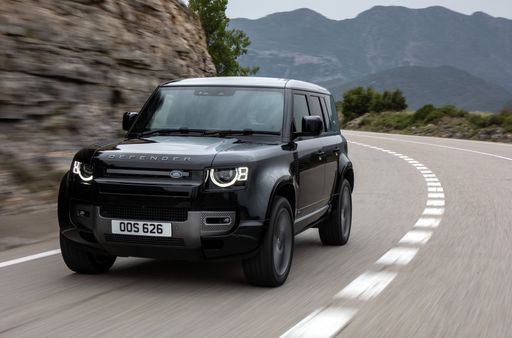
Land Rover Defender
Ford Transit Transporter
Land Rover Defender
Costs and Consumption
View detailed analysis
View detailed analysis
Engine and Performance
View detailed analysis
View detailed analysis
Dimensions and Body
View detailed analysis
View detailed analysis
Ford Transit Transporter
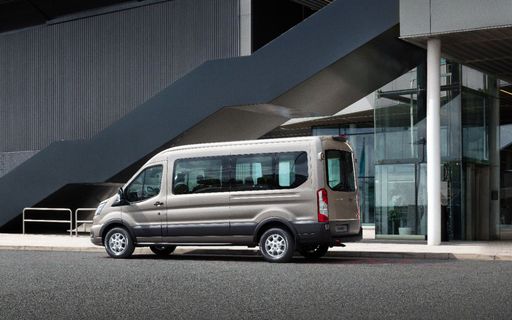
The Ford Transit is the no-nonsense workhorse that turns heavy-duty hauling into a surprisingly civilized experience, with a cabin that favors practicality over pretense. It’s the go-to for tradespeople and fleet managers who want reliability, adaptability and low running headaches — not showy gimmicks.
details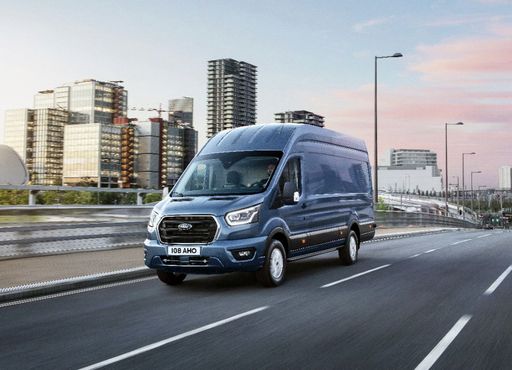

Land Rover Defender
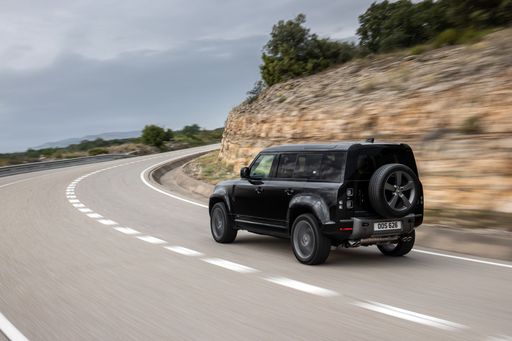
The Land Rover Defender looks like it could shrug off a weekend of serious off-road abuse while still turning heads on the high street. Inside it balances practical, no-nonsense utility with enough creature comforts to make daily driving feel less like an expedition and more like a stylish commute—rugged charm with civilized manners.
details
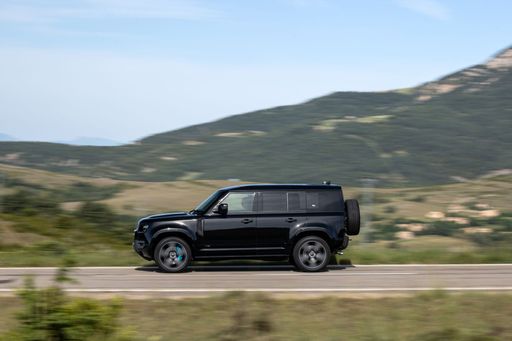
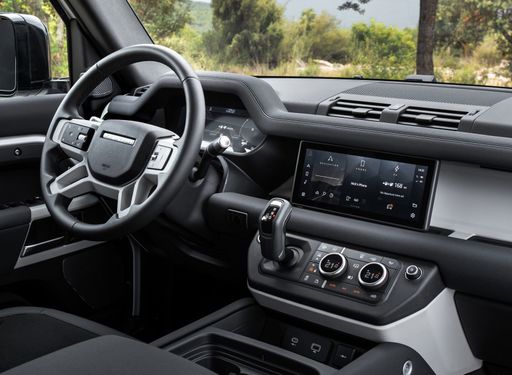

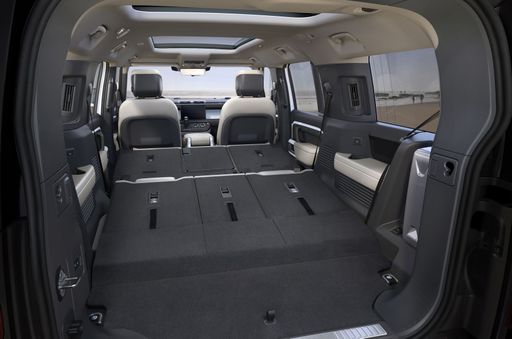
Ford Transit Transporter
Land Rover Defender
Costs and Consumption |
|
|---|---|
|
Price
67,300 - 73,000 £
|
Price
57,900 - 172,000 £
|
|
Consumption L/100km
-
|
Consumption L/100km
6 - 14.4 L/100km
|
|
Consumption kWh/100km
-
|
Consumption kWh/100km
-
|
|
Electric Range
341 - 402 km
|
Electric Range
48 km
|
|
Battery Capacity
-
|
Battery Capacity
-
|
|
co2
0 g/km
|
co2
135 - 324 g/km
|
|
Fuel tank capacity
-
|
Fuel tank capacity
-
|
Dimensions and Body |
|
|---|---|
|
Body Type
Cargo Van
|
Body Type
Off-Roader
|
|
Seats
3 - 6
|
Seats
2 - 8
|
|
Doors
-
|
Doors
-
|
|
Curb weight
-
|
Curb weight
2,300 - 2,745 kg
|
|
Trunk capacity
-
|
Trunk capacity
293 - 786 L
|
|
Length
-
|
Length
-
|
|
Width
2,059 mm
|
Width
2,008 mm
|
|
Height
-
|
Height
-
|
|
Max trunk capacity
-
|
Max trunk capacity
-
|
|
Payload
-
|
Payload
494 - 819 kg
|
Engine and Performance |
|
|---|---|
|
Engine Type
Electric
|
Engine Type
Petrol, Diesel MHEV, Plug-in Hybrid, Petrol MHEV
|
|
Transmission
Automatic
|
Transmission
Automatic
|
|
Transmission Detail
Reduction Gearbox
|
Transmission Detail
Automatic Gearbox
|
|
Drive Type
Rear-Wheel Drive
|
Drive Type
All-Wheel Drive
|
|
Power HP
184 - 269 HP
|
Power HP
200 - 635 HP
|
|
Acceleration 0-100km/h
-
|
Acceleration 0-100km/h
4 - 10.2 s
|
|
Max Speed
-
|
Max Speed
-
|
|
Torque
430 Nm
|
Torque
500 - 750 Nm
|
|
Number of Cylinders
-
|
Number of Cylinders
4 - 8
|
|
Power kW
135 - 198 kW
|
Power kW
147 - 467 kW
|
|
Engine capacity
-
|
Engine capacity
1,997 - 5,000 cm3
|
General |
|
|---|---|
|
Model Year
2024
|
Model Year
2025
|
|
CO2 Efficiency Class
A
|
CO2 Efficiency Class
G, D
|
|
Brand
Ford
|
Brand
Land Rover
|
DriveDuel uses data analysis and artificial intelligence to evaluate vehicle data and create content. Content is regularly reviewed and improved.
The displayed prices are estimates based on German list prices, adjusted to the respective country’s VAT. Country-specific registration taxes are not included. This information is not legally binding.