
 Deutschland
 France
 Nederland
 Great Britain
 Sverige
 Danmark
 Suomi
Suomi Italia
 Polska
 Česko
Česko España
VS
Honda CR-V vs Lexus RX comparison
Compare performance (184 HP vs 371 HP), boot space and price (40,200 £ vs 63,300 £ ) at a glance. Find out which car is the better choice for you – Honda CR-V or Lexus RX?
CR-V
Costs and Efficiency:
Price and efficiency are key factors when choosing a car – and this is often where the real differences emerge.
Honda CR-V is considerably cheaper – starting at 40,200 £ , while the Lexus RX costs 63,300 £ . That’s a price difference of around 23,100 £.
Fuel consumption also shows a difference: the Honda CR-V uses 2.6 L/100km and is visibly more efficient than the Lexus RX with 3.3 L/100km. The difference is about 0.7 L/100km.
As for electric range, the Honda CR-V offers somewhat more range – reaching up to 78 km, about 11 km more than the Lexus RX.
RX
Engine and Performance:
Power, torque and acceleration are the classic benchmarks for car enthusiasts – and here, some clear differences start to show.
When it comes to engine power, the Lexus RX offers substantially more power – delivering 371 HP compared to 184 HP. That’s roughly 187 HP more horsepower.
When accelerating from 0 to 100 km/h, the Lexus RX is substantially quicker – completing the sprint in 6.2 s, while the Honda CR-V takes 9 s. That’s about 2.8 s quicker.
There’s also a difference in torque: the Lexus RX delivers visibly more torque with 551 Nm compared to 335 Nm. That’s about 216 Nm more.
CR-V
Space and Everyday Use:
Cabin size, boot volume and payload all play a role in everyday practicality. Here, comfort and flexibility make the difference.
Both vehicles offer seating for 5 people.
In terms of curb weight, Honda CR-V is moderately lighter – 1,821 kg compared to 2,040 kg. The difference is around 219 kg.
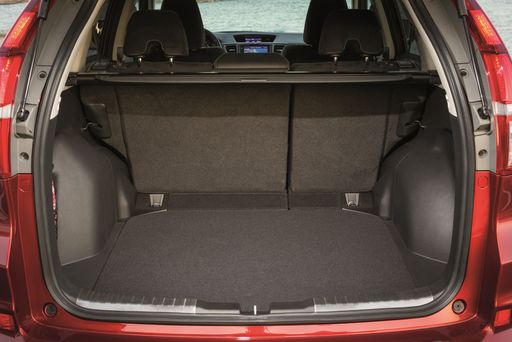
Looking at boot space, the Honda CR-V offers noticeably more boot space – 617 L compared to 461 L. That’s a difference of about 156 L.
When it comes to payload, the Lexus RX carries visibly more – 620 kg compared to 475 kg. That’s a difference of about 145 kg.
Who wins the race in the data check?
The Lexus RX is far ahead overall in the objective data comparison.
This result only shows which model scores more points on paper – not which of the two cars feels right for you.
from £63,300
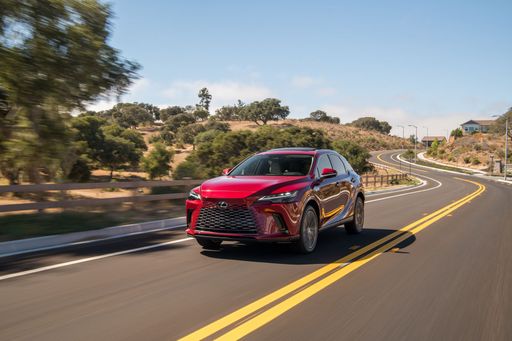
Lexus RX
Honda CR-V
Lexus RX
Costs and Consumption
View detailed analysis
View detailed analysis
Engine and Performance
View detailed analysis
View detailed analysis
Dimensions and Body
View detailed analysis
View detailed analysis
Honda CR-V
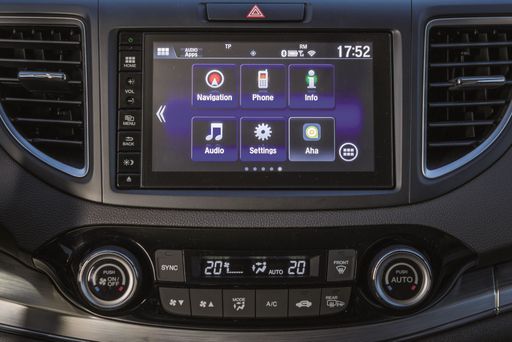
The Honda CR-V blends sensible practicality with a polished feel, offering roomy interiors and a confident ride that keeps commutes and weekend escapes equally comfortable. Its unshowy styling and reliable reputation make it a smart, low‑drama choice for buyers who want versatility without fuss — the kind of car that quietly makes everyday life a little easier.
details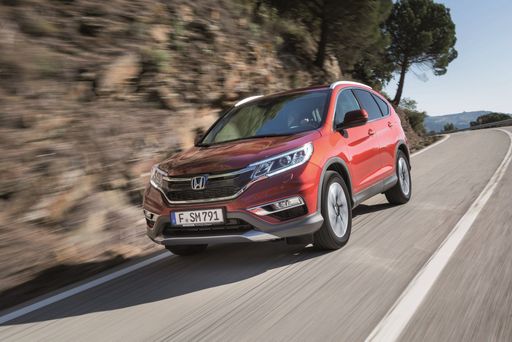

Lexus RX
The Lexus RX glides through city streets with the kind of hushed refinement that turns mundane commutes into a private lounge. It mixes plush comfort and polished practicality in a package that suits buyers who want to arrive relaxed and a touch smug.
details
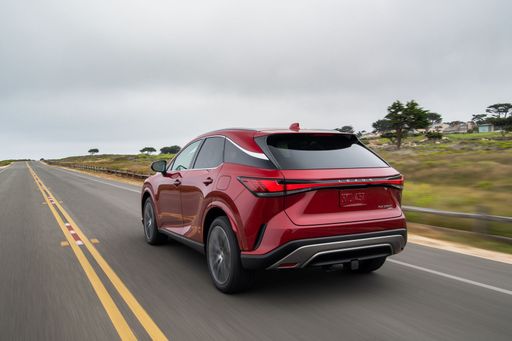
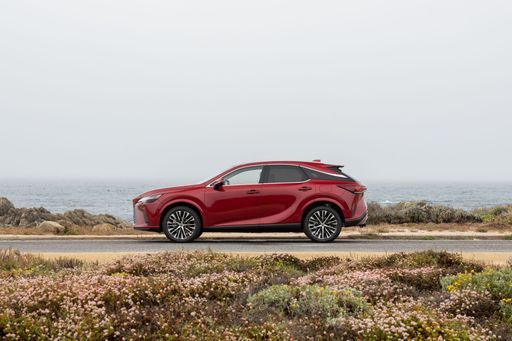
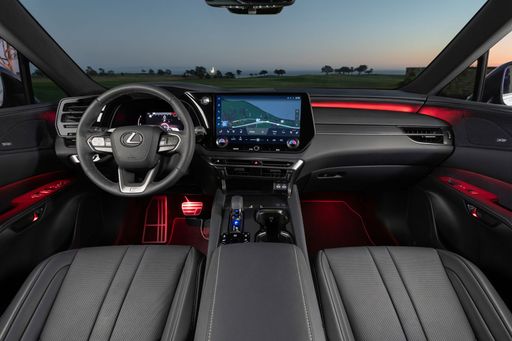
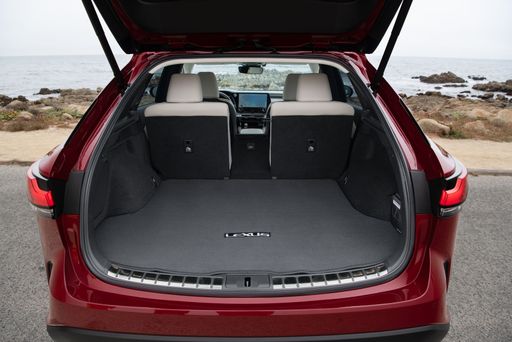
Honda CR-V
Lexus RX
Costs and Consumption |
|
|---|---|
|
Price
40,200 - 48,800 £
|
Price
63,300 - 87,400 £
|
|
Consumption L/100km
2.6 - 6.7 L/100km
|
Consumption L/100km
3.3 - 8.1 L/100km
|
|
Consumption kWh/100km
-
|
Consumption kWh/100km
-
|
|
Electric Range
78 km
|
Electric Range
67 km
|
|
Battery Capacity
-
|
Battery Capacity
-
|
|
co2
59 - 152 g/km
|
co2
75 - 183 g/km
|
|
Fuel tank capacity
-
|
Fuel tank capacity
-
|
Dimensions and Body |
|
|---|---|
|
Body Type
SUV
|
Body Type
SUV
|
|
Seats
5
|
Seats
5
|
|
Doors
-
|
Doors
-
|
|
Curb weight
1,821 - 1,988 kg
|
Curb weight
2,040 - 2,185 kg
|
|
Trunk capacity
579 - 617 L
|
Trunk capacity
461 L
|
|
Length
-
|
Length
-
|
|
Width
1,866 mm
|
Width
1,920 mm
|
|
Height
-
|
Height
-
|
|
Max trunk capacity
-
|
Max trunk capacity
-
|
|
Payload
439 - 475 kg
|
Payload
575 - 620 kg
|
Engine and Performance |
|
|---|---|
|
Engine Type
Full Hybrid, Plug-in Hybrid
|
Engine Type
Full Hybrid, Plug-in Hybrid
|
|
Transmission
Automatic
|
Transmission
Automatic
|
|
Transmission Detail
Automatic Gearbox
|
Transmission Detail
Automatic Gearbox, CVT
|
|
Drive Type
Front-Wheel Drive, All-Wheel Drive
|
Drive Type
All-Wheel Drive
|
|
Power HP
184 HP
|
Power HP
207 - 371 HP
|
|
Acceleration 0-100km/h
9 - 9.5 s
|
Acceleration 0-100km/h
6.2 - 7.9 s
|
|
Max Speed
-
|
Max Speed
-
|
|
Torque
335 Nm
|
Torque
551 Nm
|
|
Number of Cylinders
4
|
Number of Cylinders
4
|
|
Power kW
135 kW
|
Power kW
152 - 273 kW
|
|
Engine capacity
1,993 cm3
|
Engine capacity
2,393 - 2,487 cm3
|
General |
|
|---|---|
|
Model Year
2025
|
Model Year
2,024 - 2,025
|
|
CO2 Efficiency Class
D, E, B
|
CO2 Efficiency Class
G, E, B
|
|
Brand
Honda
|
Brand
Lexus
|
DriveDuel uses data analysis and artificial intelligence to evaluate vehicle data and create content. Content is regularly reviewed and improved.
The displayed prices are estimates based on German list prices, adjusted to the respective country’s VAT. Country-specific registration taxes are not included. This information is not legally binding.