
 Deutschland
 France
 Nederland
 Great Britain
 Sverige
 Norge
Norge Danmark
 Suomi
Suomi Italia
 Polska
 España
VS
Hyundai IONIQ 5 vs VW Amarok – Differences & prices compared
Compare performance, boot space, consumption and price in one view.
Find out now: which car is the better choice for you – Hyundai IONIQ 5 or VW Amarok?
The Hyundai IONIQ 5 (SUV) comes with a Electric engine and Automatic transmission. In comparison, the VW Amarok (Pickup) features a Diesel engine with Manuel or Automatic transmission.
When it comes to boot capacity, the Hyundai IONIQ 5 offers 520 L, while the VW Amarok provides – depending on how much space you need. If you’re looking for more power, decide whether the 650 HP of the Hyundai IONIQ 5 or the 240 HP of the VW Amarok suits your needs better.
In terms of consumption, the values are 15.60 kWh per 100 km for the Hyundai IONIQ 5, and 8.60 L for the VW Amarok.
Price-wise, the Hyundai IONIQ 5 starts at 38500 £, while the VW Amarok is available from 43200 £. Compare all the details and find out which model fits your lifestyle best!
Hyundai IONIQ 5
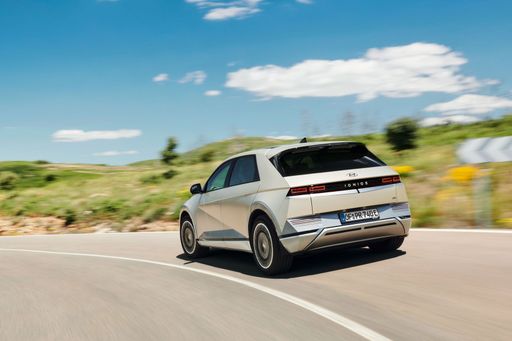
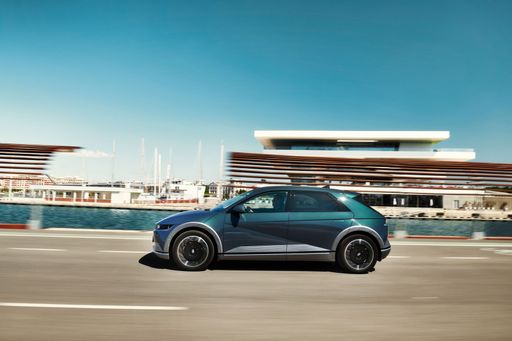
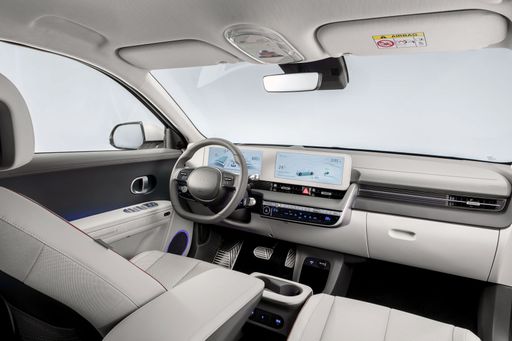
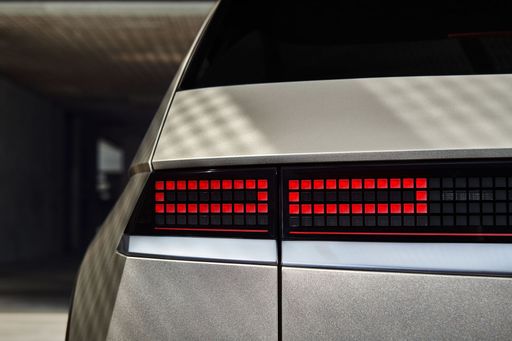
The Hyundai IONIQ 5 showcases a bold and futuristic design that captures attention with its striking facade and sharp lines. This electric vehicle offers an impressive blend of performance and efficiency, making it a compelling choice for environmentally conscious drivers. Inside, the spacious and tech-forward interior provides a comfortable and engaging driving experience for both driver and passengers.
details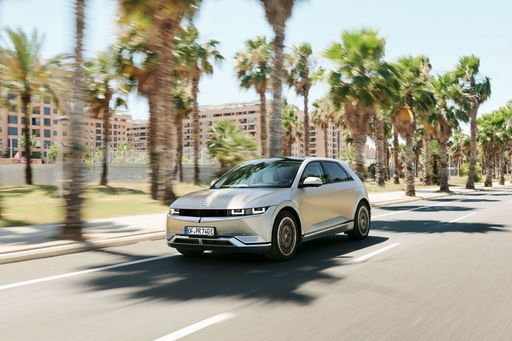 @ hyundai.news
 @ hyundai.news
 @ hyundai.news
 @ hyundai.news
 @ hyundai.news
VW Amarok
The VW Nutzfahrzeuge Amarok demonstrates a blend of rugged capability and refined design, making it a versatile choice for both work and leisure. Its robust build is complemented by a modern interior, offering comfort and practicality for drivers and passengers alike. On and off the road, the Amarok excels with a confident driving experience, catering to those who require both performance and style in one package.
details
Hyundai IONIQ 5
VW Amarok
|
|
|
|
|
|
Costs and Consumption |
|
|---|---|
|
Price
38500 - 64200 £
|
Price
43200 - 64100 £
|
|
Consumption L/100km
-
|
Consumption L/100km
8.6 - 10.3 L
|
|
Consumption kWh/100km
15.6 - 21.2 kWh
|
Consumption kWh/100km
-
|
|
Electric Range
440 - 570 km
|
Electric Range
-
|
|
Battery Capacity
63 - 84 kWh
|
Battery Capacity
-
|
|
co2
0 g/km
|
co2
226 - 270 g/km
|
|
Fuel tank capacity
-
|
Fuel tank capacity
80 L
|
Dimensions and Body |
|
|---|---|
|
Body Type
SUV
|
Body Type
Pickup
|
|
Seats
5
|
Seats
5
|
|
Doors
5
|
Doors
4
|
|
Curb weight
1955 - 2275 kg
|
Curb weight
2262 - 2423 kg
|
|
Trunk capacity
480 - 520 L
|
Trunk capacity
-
|
|
Length
4655 - 4715 mm
|
Length
5350 mm
|
|
Width
1890 - 1940 mm
|
Width
1910 mm
|
|
Height
1585 - 1605 mm
|
Height
1871 - 1884 mm
|
|
Payload
385 - 530 kg
|
Payload
883 - 983 kg
|
Engine and Performance |
|
|---|---|
|
Engine Type
Electric
|
Engine Type
Diesel
|
|
Transmission
Automatic
|
Transmission
Manuel, Automatic
|
|
Transmission Detail
Reduction Gearbox
|
Transmission Detail
Manual Gearbox, Automatic Gearbox
|
|
Drive Type
Rear-Wheel Drive, All-Wheel Drive
|
Drive Type
All-Wheel Drive
|
|
Power HP
170 - 650 HP
|
Power HP
170 - 240 HP
|
|
Acceleration 0-100km/h
3.5 - 8.5 s
|
Acceleration 0-100km/h
8.8 - 11.6 s
|
|
Max Speed
185 - 260 km/h
|
Max Speed
180 - 190 km/h
|
|
Torque
350 - 770 Nm
|
Torque
405 - 600 Nm
|
|
Number of Cylinders
-
|
Number of Cylinders
4 - 6
|
|
Power kW
125 - 478 kW
|
Power kW
125 - 177 kW
|
|
Engine capacity
-
|
Engine capacity
1996 - 2993 cm3
|
General |
|
|---|---|
|
Model Year
2024
|
Model Year
2023
|
|
CO2 Efficiency Class
A
|
CO2 Efficiency Class
G
|
|
Brand
Hyundai
|
Brand
VW
|
Hyundai IONIQ 5
Introducing the Hyundai IONIQ 5: A New Era in Electric Mobility
The Hyundai IONIQ 5 is a revolutionary addition to the electric car market, blending futurist aesthetics with ingenious technological features. As part of Hyundai's all-electric lineup, the IONIQ 5 exudes a refreshing approach to sustainable motoring, offering a blend of power, efficiency, and innovation that is set to transform everyday driving.
A Futuristic Design
The IONIQ 5 sets new standards in automotive design with its distinctive silhouette. Its clamshell bonnet and pixelated LED light design form a unique visual signature, evoking a sense of modernity and advancement. Built on Hyundai's Electric-Global Modular Platform (E-GMP), this SUV heralds a new direction for electric vehicles, serving both form and function with a flat floor that maximises interior space.
Performance and Efficiency
The Hyundai IONIQ 5 offers a variety of powertrains to cater to different driving preferences. Depending on the model, power output ranges from 170 PS to a staggering 609 PS, with corresponding torque between 350 Nm and 740 Nm. These configurations enable a brisk acceleration capability, reaching 0-100 km/h in as little as 3.5 seconds.
The car’s battery options of 63 kWh and 84 kWh provide flexibility between range and performance. The efficiency of the IONIQ 5 is admirable, with a consumption ranging from 15.6 to 21.2 kWh/100km, ensuring the capability to travel up to 570 km on a single charge.
Innovative Technology
The IONIQ 5 isn't just about efficient propulsion; it's laden with cutting-edge technology that enhances the driving experience. The vehicle includes an ultra-fast charging capability, able to reclaim 80% of the battery life within just 18 minutes. This is complemented by Vehicle-to-Load (V2L) technology, which turns the IONIQ 5 into a power source to charge devices or even other electric vehicles.
Comfort and Convenience
Inside, the IONIQ 5 continues to impress with a spacious and flexible cabin that maximises comfort and utility. Its minimalist dashboard, dual 12.3-inch screens for infotainment and digital instrument cluster, and extensive use of eco-friendly materials contribute to a serene driving environment.
Safety Meets Innovation
Hyundai has equipped the IONIQ 5 with an array of advanced driver assistance systems. These include features such as Smart Cruise Control, Highway Driving Assist, and Remote Smart Parking Assist, ensuring that safety is paramount without sacrificing convenience.
The Future of Sustainable Driving
With a CO2 efficiency class of A and zero emissions, the Hyundai IONIQ 5 signifies a shift towards more sustainable driving practices. Its blend of technology, performance, and aesthetic appeal positions it as a pivotal player in the electric vehicle market, paving the way for a cleaner, greener future in automotive design.
VW Amarok
The Adventurous Spirit of the VW Amarok: A Pickup with Versatile Strength
In the world of pickup trucks, the VW Amarok stands tall as a symbol of power, durability, and innovation. Known for its impressive off-road capabilities and robust engineering, the Amarok continues to push the boundaries of what a pickup truck can achieve. The latest models further solidify its reputation with a blend of technical sophistication and rugged reliability.
Under the Hood: Exploring the Powertrain
The VW Amarok comes equipped with an array of impressive powertrain options, each catering to the needs of different drivers. The models feature a range of diesel engines starting from the efficient 2.0 TDI units producing either 170 HP or 205 HP, advancing to the formidable 3.0 V6 TDI engines delivering a remarkable 240 HP. These engines combine efficiency with power, offering a maximum speed ranging from 180 to 190 km/h.
A variety of transmission systems are available, including manual and automatic options, enabling a driving experience tailored to the driver's preferences. With all-wheel drive as a standard feature, the Amarok is designed to tackle any terrain, demonstrating exceptional off-road capabilities that make it a versatile choice for both urban and adventure-seeking drivers.
Efficiency and Performance: Balancing Power with Economy
The Amarok’s efficiency is complemented by its CO2 emission ratings, with the diesel engines supporting a CO2 efficiency class G rating and emissions ranging from 226 to 270 g/km. Fuel consumption varies between models, with the latest versions demonstrating impressive figures such as 8.6 L/100 km for the 170 HP models and around 10.1 - 10.3 L/100 km for the high-performing 240 HP models.
Design and Comfort: A Blend of Utility and Style
Beyond its mechanical prowess, the Amarok impresses with its design. This pickup measures 5,350 mm in length and 1,910 mm in width, providing a spacious and commanding presence on the road. The interior is equally generous, accommodating five passengers with ease within its well-appointed cabin that offers a comfortable and technologically equipped ambiance.
The Amarok is not just about performance; it embraces style and comfort with trims such as the 4MOTION, Life 4MOTION Automatik, and the distinctive Aventura 4MOTION Automatik. Each trim level offers unique features and specifications designed to meet diverse lifestyle needs and preferences.
Payload and Versatility: Built for Various Needs
When it comes to payload, the Amarok is designed for serious work. With a payload capacity ranging from 883 kg to 983 kg, it is equipped to handle a variety of cargo needs. This makes it an ideal choice for those in trades, agriculture, or any fields requiring reliable transport of heavy loads.
Final Thoughts: The Amarok Legacy
The VW Amarok continues to be a favorite in the pickup truck segment, combining efficiency, power, and versatility in an attractive package. Whether you need a vehicle for rugged terrain or everyday utility, the Amarok promises a reliable partner on the road. With its blend of modern technology and timeless design, it stands ready to meet the challenges of today’s driving environments.
What drive types are available for the Hyundai IONIQ 5?
The Hyundai IONIQ 5 is available as Rear-Wheel Drive or All-Wheel Drive.
The prices and data displayed are estimates based on German list prices and may vary by country. This information is not legally binding.