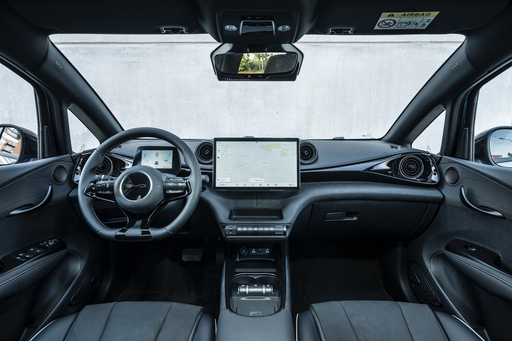
VS

Hyundai Kona vs BYD Dolphin comparison

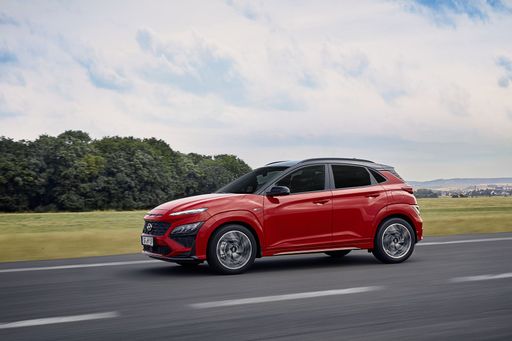
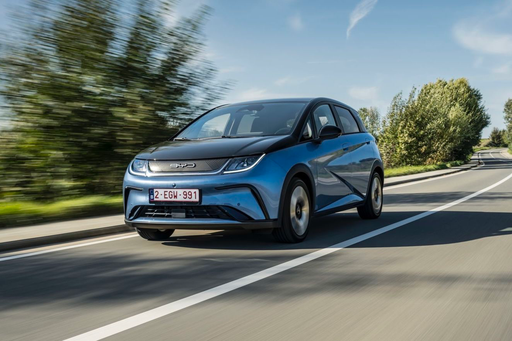
Compare performance (204 HP vs 204 HP), boot space and price (23,100 £ vs 29,700 £ ) at a glance. Find out which car is the better choice for you – Hyundai Kona or BYD Dolphin?

Hyundai Kona vs BYD Dolphin: Key differences

Hyundai Kona

4.4 (7 Reviews)
rate
  • clearly cheaper
  • only slightly more efficient
  • moderately more electric range
  • noticeably lighter
  • visibly more trunk space
details

BYD Dolphin

4 (4 Reviews)
rate
  • a bit quicker 0–100 km/h
details

All details on performance, efficiency, range and trunk space can be found in the technical comparison below – including user reviews for both models.

By Achim Sedelmaier

Kona

BYD Dolphin VS Hyundai Kona — quick take for buyers

BYD Dolphin VS Hyundai Kona set up a classic choice between an equipment-rich electric hatchback and a compact SUV that leans on everyday practicality. The BYD Dolphin presents itself as a value-packed, softly sprung city car with an unusually roomy rear bench and lots of standard kit. The Hyundai Kona trades some of that immediate gadget value for a more conventional small‑SUV package: bigger, more usable luggage space and a calmer, more planted character. Both appeal to families and commuters, but they reach that audience through different priorities: Dolphin focuses on interior space and features, Kona on composure and utility. Which matters more depends on whether you prioritise gear and rear-seat comfort over boot space and motorway manners.
Dolphin

Character and driving feel

The BYD Dolphin drives like a friendly, easygoing hatchback — soft suspension, light steering and a relaxed personality that makes urban driving effortless. The Hyundai Kona, by contrast, feels like a composed little SUV: steering and body control give a steadier, more predictable impression especially at higher speeds. BYD Dolphin rewards low‑speed manoeuvres and short trips with comfort and a breezy vibe, while Hyundai Kona rewards steady progress and confidence on mixed routes. If you favour playful, cushioned city trips pick the Dolphin; if you prefer a car that stays composed when the roads stretch out, the Kona is the calmer companion. Both are not aimed at drivers chasing sharp sportiness, but they deliver that mission in different ways.

Kona

Comfort and long‑distance behavior

On short runs the BYD Dolphin’s soft setup feels very forgiving — it soaks up potholes and city bumps in a way that keeps passengers relaxed. On longer autobahn or motorway stretches the BYD Dolphin’s softer body control and wind/tyre noise can make sustained high‑speed driving less serene than expected. The Hyundai Kona is the more settled long‑distance option: firmer suspension tuning and better acoustic composure translate into less driver fatigue on longer days. Charging and range behavior also play into comfort on trips; the Kona’s efficiency and faster recharge profile reduce the frequency and length of stops compared with the Dolphin’s more modest rapid‑charging pace. Put simply, Dolphin = excellent day‑to‑day comfort; Kona = more confident long‑distance cruiser.

Dolphin

Practicality and everyday usability

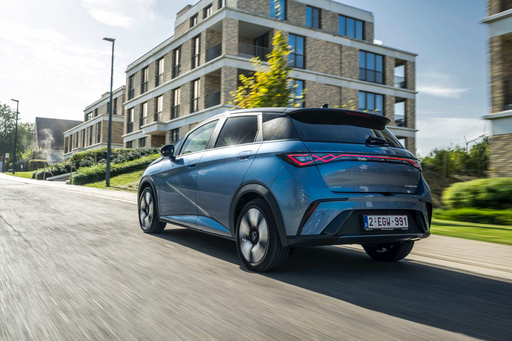
The BYD Dolphin surprises with roomy rear seats and thoughtful family features, so it often feels larger inside than its exterior implies, which helps with child seats and passenger comfort. The Hyundai Kona wins the practicality contest at the rear hatch: a noticeably bigger, easier‑to‑use boot and more flexible load‑carrying solutions make the Kona simpler for grocery runs, strollers or weekend gear. Dolphin’s boot usability is hampered by a higher sill and less adaptable floor arrangements, which reduces versatility despite decent overall capacity. For city families who prioritise rear passenger space and standard equipment the Dolphin is compelling, while buyers who regularly carry luggage or bulky items will find the Kona’s cargo practicality more convincing. Both fit small families, but they do so with different compromises between rear comfort and load flexibility.

Kona

Cabin feel, controls and perceived quality

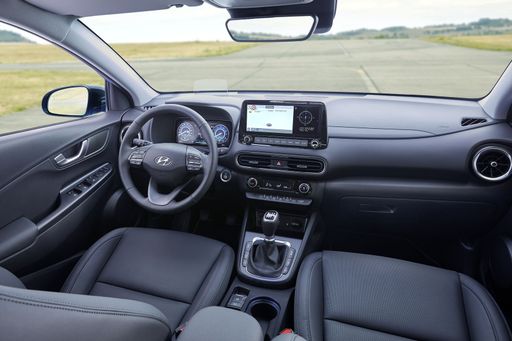
Inside, the BYD Dolphin feels modern and somewhat playful: generous feature lists and clever touches are obvious, but materials and some ergonomics remind you of its aggressive value positioning. The Hyundai Kona’s cabin aims for a calmer, more cohesive feel with clearer controls, tactile buttons and an interior that reads as slightly more polished. BYD Dolphin’s infotainment leans on deep menus and fewer physical shortcuts, which can be fiddly on the move, whereas Kona’s layout prioritises quick access and readable displays for everyday use. If perceived material quality and straightforward operation matter, the Kona edges ahead; if you want toys and tech bundled at the base price, the Dolphin delivers more kit per pound spent.

Dolphin

Who should choose which car — buyer fit

If your life is mainly urban and you prize rear‑seat comfort and a long equipment list for a modest outlay, the BYD Dolphin is tailored to that buyer: tech‑minded, family‑oriented city drivers who accept compromises on boot flexibility and high‑speed composure. If you need a more versatile daily driver with a larger, easier‑loading boot, clearer controls and a calmer motorway demeanor, the Hyundai Kona is better suited to commuters and small families who do regular longer trips and value usability over headline kit. Both are rational choices; the trade is clear — Dolphin maximises interior features and rear comfort, Kona maximises cargo practicality and composed highway behavior. The technical comparison that follows will unpack how range, charging and weight differences translate into those real‑world trade‑offs so you can pick the fit that matches your routine.

Here’s where it gets real: The technical differences in detail

Kona

Costs and Efficiency:

Looking at overall running costs, both models reveal some interesting differences in everyday economy.

Hyundai Kona is clearly cheaper – starting at 23,100 £ , while the BYD Dolphin costs 29,700 £ . That’s a price difference of around 6,634 £.

In terms of energy consumption, the Hyundai Kona is only slightly more efficient: consuming 14.6 kWh/100km compared to 15.9 kWh/100km for the BYD Dolphin. That’s a difference of about 1.3 kWh/100km.

As for electric range, the Hyundai Kona offers moderately more range – reaching up to 510 km, about 83 km more than the BYD Dolphin.

Dolphin

Engine and Performance:

Power, torque and acceleration say a lot about how a car feels on the road. This is where you see which model delivers more driving dynamics.

Both models deliver identical power – 204 HP each.

When accelerating from 0 to 100 km/h, the BYD Dolphin is a bit quicker – completing the sprint in 7 s, while the Hyundai Kona takes 8.1 s. That’s about 1.1 s quicker.

There’s also a difference in torque: the BYD Dolphin delivers slightly more torque with 310 Nm compared to 265 Nm. That’s about 45 Nm more.

Kona

Space and Everyday Use:

Cabin size, boot volume and payload all play a role in everyday practicality. Here, comfort and flexibility make the difference.

Both vehicles offer seating for 5 people.

In terms of curb weight, Hyundai Kona is noticeably lighter – 1,370 kg compared to 1,658 kg. The difference is around 288 kg.

Looking at boot space, the Hyundai Kona offers visibly more boot space – 466 L compared to 345 L. That’s a difference of about 121 L.

When it comes to payload, the Hyundai Kona carries somewhat more – 490 kg compared to 410 kg. That’s a difference of about 80 kg.

Who wins the race in the data check?

The Hyundai Kona stands well ahead of its rival in the objective data comparison.
This result only shows which model scores more points on paper – not which of the two cars feels right for you.

from £23,100
Kona

Hyundai Kona

  • Engine Type : Petrol, Full Hybrid, Electric
  • Transmission : Manuel, Automatic
  • Drive Type : Front-Wheel Drive, All-Wheel Drive
  • Power HP : 115 - 204 HP
  • Consumption L/100km : 4.6 - 7 L/100km
  • Consumption kWh/100km : 14.6 - 16.1 kWh/100km
  • Electric Range : 380 - 510 km
Hyundai Kona
BYD Dolphin

Costs and Consumption

View detailed analysis

Engine and Performance

View detailed analysis

Dimensions and Body

View detailed analysis

Hyundai Kona

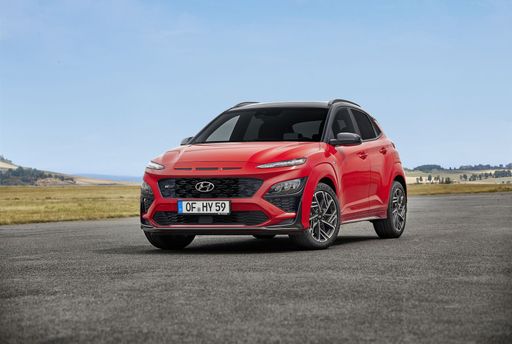
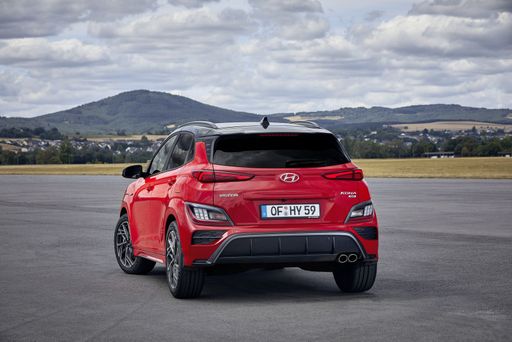
The Hyundai Kona is a compact crossover that pairs bold styling with practical everyday usability, offering a comfortable cabin and intuitive tech for modern drivers. Available in both conventional and electrified versions, Kona brings lively handling and strong value for buyers who want crossover versatility and standout character.

details

BYD Dolphin

The BYD Dolphin is a cheeky electric hatchback that blends playful styling with surprising practicality, making it a brilliant city companion for buyers who want modern tech without the showroom bravado. It’s comfy, efficient and easy to live with, and while it won’t blind you with supercar drama, it will quietly get the job done with plenty of character.

details
Hyundai Kona
BYD Dolphin

Costs and Consumption

Price
23,100 - 41,900 £
Price
29,700 - 31,400 £
Consumption L/100km
4.6 - 7 L/100km
Consumption L/100km
-
Consumption kWh/100km
14.6 - 16.1 kWh/100km
Consumption kWh/100km
15.9 kWh/100km
Electric Range
380 - 510 km
Electric Range
427 km
Battery Capacity
-
Battery Capacity
-
co2
0 - 163 g/km
co2
0 g/km
Fuel tank capacity
-
Fuel tank capacity
-

Dimensions and Body

Body Type
SUV
Body Type
Hatchback
Seats
5
Seats
5
Doors
-
Doors
-
Curb weight
1,370 - 1,773 kg
Curb weight
1,658 kg
Trunk capacity
466 L
Trunk capacity
345 L
Length
-
Length
-
Width
1,825 mm
Width
1,770 mm
Height
-
Height
-
Max trunk capacity
-
Max trunk capacity
-
Payload
420 - 490 kg
Payload
410 kg

Engine and Performance

Engine Type
Petrol, Full Hybrid, Electric
Engine Type
Electric
Transmission
Manuel, Automatic
Transmission
Automatic
Transmission Detail
Manual Gearbox, Dual-Clutch Automatic, Reduction Gearbox
Transmission Detail
Reduction Gearbox
Drive Type
Front-Wheel Drive, All-Wheel Drive
Drive Type
Front-Wheel Drive
Power HP
115 - 204 HP
Power HP
204 HP
Acceleration 0-100km/h
8.1 - 11.9 s
Acceleration 0-100km/h
7 s
Max Speed
-
Max Speed
-
Torque
200 - 265 Nm
Torque
310 Nm
Number of Cylinders
3 - 4
Number of Cylinders
-
Power kW
85 - 150 kW
Power kW
150 kW
Engine capacity
998 - 1,598 cm3
Engine capacity
-

General

Model Year
2025
Model Year
2023
CO2 Efficiency Class
D, C, E, F, A
CO2 Efficiency Class
A
Brand
Hyundai
Brand
BYD
DriveDuel uses data analysis and artificial intelligence to evaluate vehicle data and create content. Content is regularly reviewed and improved. The displayed prices are estimates based on German list prices, adjusted to the respective country’s VAT. Country-specific registration taxes are not included. This information is not legally binding.