
 Deutschland
 France
 Nederland
 Great Britain
 Italia
 Polska
 España
VS
Hyundai Kona vs Genesis GV70 – Differences & prices compared
Compare performance, boot space, consumption and price in one view.
Find out now: which car is the better choice for you – Hyundai Kona or Genesis GV70?
The Hyundai Kona (SUV) comes with a Petrol, Full Hybrid or Electric engine and Manuel or Automatic transmission. In comparison, the Genesis GV70 (SUV) features a Electric engine with Automatic transmission.
When it comes to boot capacity, the Hyundai Kona offers 466 L, while the Genesis GV70 provides 503 L – depending on how much space you need. If you’re looking for more power, decide whether the 218 HP of the Hyundai Kona or the 490 HP of the Genesis GV70 suits your needs better.
In terms of consumption, the values are 14.60 kWh4.50 L per 100 km for the Hyundai Kona, and 19.40 kWh for the Genesis GV70.
Price-wise, the Hyundai Kona starts at 23100 £, while the Genesis GV70 is available from 59200 £. Compare all the details and find out which model fits your lifestyle best!
Hyundai Kona
The Hyundai Kona blends a bold design with a versatile interior, making it a standout choice in the compact SUV market. Its crisp handling and responsive steering provide an engaging driving experience, whether in the city or on the open road. The vehicle also offers a range of features designed to enhance comfort and connectivity, ensuring a pleasurable journey for both driver and passengers.
details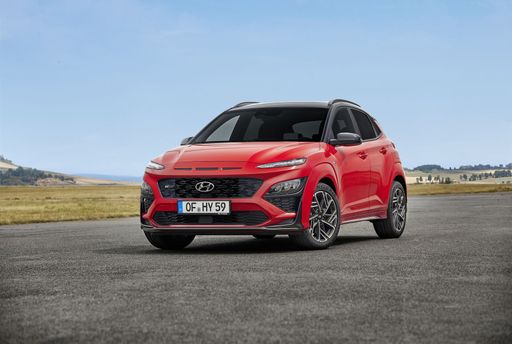 @ hyundai.news
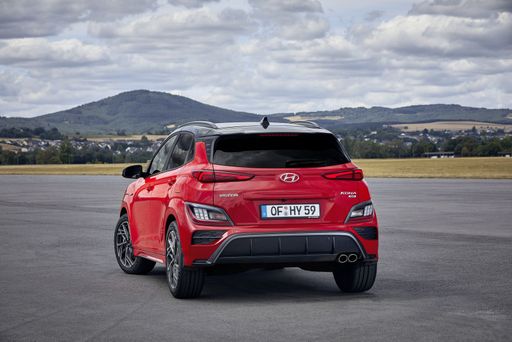 @ hyundai.news
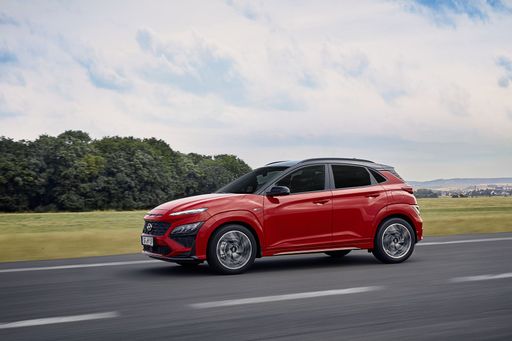 @ hyundai.news
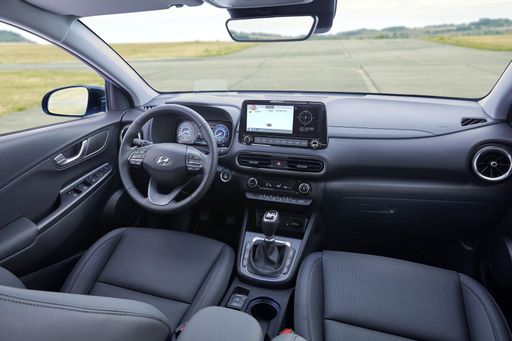 @ hyundai.news
Genesis GV70
The GV70 is a standout in the competitive luxury SUV market, blending sophisticated style with dynamic performance. Its exterior design is both bold and elegant, capturing attention with its distinctive grille and sleek lines. Inside, the GV70 offers a refined cabin space, boasting high-quality materials and advanced technology to enhance the driving experience.
details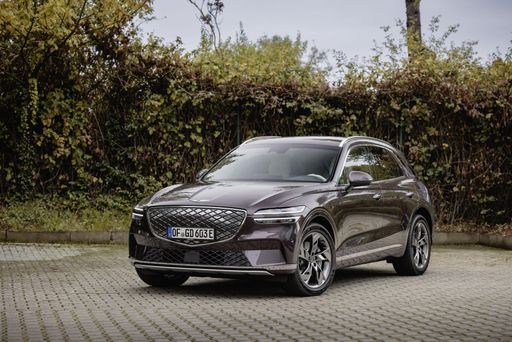 @ Genesis
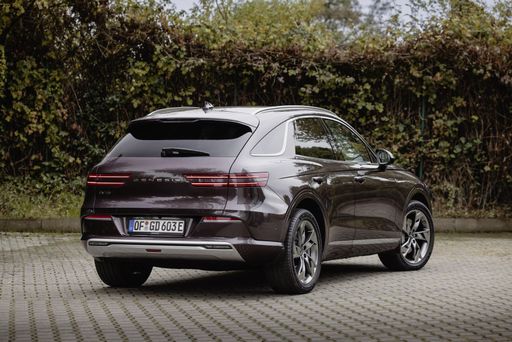 @ Genesis
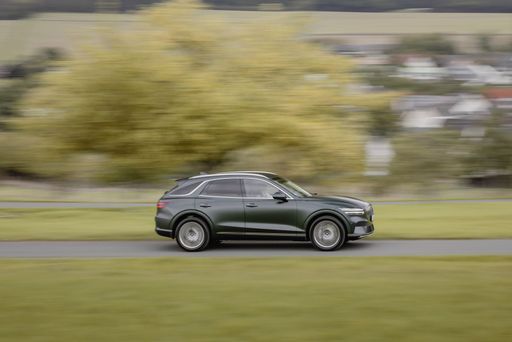 @ Genesis
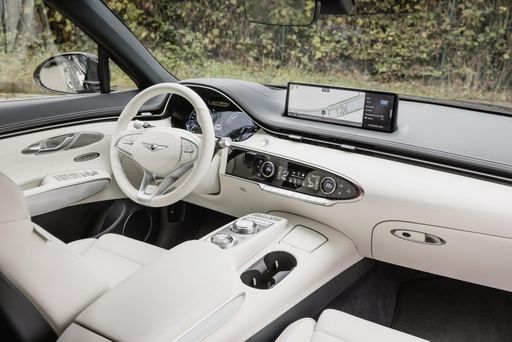 @ Genesis
Hyundai Kona
Genesis GV70
|
|
|
|
|
|
Costs and Consumption |
|
|---|---|
|
Price
23100 - 41600 £
|
Price
59200 - 64500 £
|
|
Consumption L/100km
4.5 - 6.9 L
|
Consumption L/100km
-
|
|
Consumption kWh/100km
14.6 - 16.8 kWh
|
Consumption kWh/100km
19.40 kWh
|
|
Electric Range
377 - 514 km
|
Electric Range
479 km
|
|
Battery Capacity
1.3 - 65.4 kWh
|
Battery Capacity
84 kWh
|
|
co2
0 - 157 g/km
|
co2
0 g/km
|
|
Fuel tank capacity
38 - 47 L
|
Fuel tank capacity
-
|
Dimensions and Body |
|
|---|---|
|
Body Type
SUV
|
Body Type
SUV
|
|
Seats
5
|
Seats
5
|
|
Doors
5
|
Doors
5
|
|
Curb weight
1370 - 1773 kg
|
Curb weight
2335 kg
|
|
Trunk capacity
466 L
|
Trunk capacity
503 L
|
|
Length
4350 - 4385 mm
|
Length
4715 mm
|
|
Width
1825 mm
|
Width
1910 mm
|
|
Height
1580 - 1585 mm
|
Height
1630 mm
|
|
Payload
420 - 490 kg
|
Payload
515 kg
|
Engine and Performance |
|
|---|---|
|
Engine Type
Petrol, Full Hybrid, Electric
|
Engine Type
Electric
|
|
Transmission
Manuel, Automatic
|
Transmission
Automatic
|
|
Transmission Detail
Manual Gearbox, Dual-Clutch Automatic
|
Transmission Detail
Reduction Gearbox
|
|
Drive Type
Front-Wheel Drive, All-Wheel Drive
|
Drive Type
All-Wheel Drive
|
|
Power HP
100 - 218 HP
|
Power HP
490 HP
|
|
Acceleration 0-100km/h
7.8 - 13.3 s
|
Acceleration 0-100km/h
4.40 s
|
|
Max Speed
162 - 208 km/h
|
Max Speed
235 km/h
|
|
Torque
200 - 265 Nm
|
Torque
700 Nm
|
|
Number of Cylinders
3 - 4
|
Number of Cylinders
-
|
|
Power kW
74 - 160 kW
|
Power kW
360 kW
|
|
Engine capacity
998 - 1598 cm3
|
Engine capacity
-
|
General |
|
|---|---|
|
Model Year
2024
|
Model Year
2025
|
|
CO2 Efficiency Class
D, C, E, F, A
|
CO2 Efficiency Class
A
|
|
Brand
Hyundai
|
Brand
Genesis
|
Hyundai Kona
The Hyundai Kona: A Comprehensive Overview
The Hyundai Kona has established itself as a standout in the compact SUV segment, blending innovation with performance and style. As the automotive world moves towards more sustainable and efficient options, the Kona offers a variety of powertrains, from traditional petrol engines to full hybrids and all-electric models.
Powertrain Options and Performance
The Hyundai Kona's powertrain choices cater to a wide range of preferences. For petrol enthusiasts, the Kona offers a 1.0L T-GDI engine, delivering 100 PS, and a more robust 1.6L T-GDI variant with up to 170 PS. Those looking for efficiency without sacrificing power can consider the full hybrid model, offering 129 PS and an impressive consumption of 4.5 L/100km.
For a greener option, the all-electric Kona provides a compelling case. With battery capacities of up to 65.4 kWh, the electric Kona offers power outputs of 156 to 218 PS, and efficiencies as low as 14.6 kWh/100km, enabling an electric range of up to 513 km.
Technical Specifications and Innovations
Built on a robust platform, the Kona delivers versatility and reliability. With a choice between manual or dual-clutch automatic gearboxes, along with options for front-wheel or all-wheel drive, the Kona ensures a tailored driving experience. The handling is enhanced by the car's lightweight construction, balancing a 1370 to 1773 kg curb weight with dynamic performance.
The Kona's design doesn't compromise cargo space for style; it offers a generous 466 L boot capacity. With a relatively compact body, measuring 4350 to 4385 mm in length, the Kona easily navigates urban environments while still commanding a strong road presence with its 1825 mm width.
Efficiency and Eco-Friendliness
Hyundai is committed to reducing emissions, as evidenced by the Kona's CO2 efficiency ratings, which range from class A for electric models to class D for some higher-performance petrol variants. The focus on reducing environmental impact without sacrificing driving pleasure is notable throughout the Kona range.
Costing and Value
The Hyundai Kona offers commendable value for money. Pricing starts at €26,400 and reaches up to €50,690, depending on the chosen configuration. The monthly running costs range from €956 to €1090, with a cost per kilometre of 38.3 to 43.6 cents, making it a competitive option in its class.
Conclusion: Modern, Efficient, and Versatile
The Hyundai Kona stands as a testament to Hyundai's commitment to innovation, efficiency, and practicality. Whether you are inclined towards a traditional combustion engine, a hybrid for a balance of power and efficiency, or a full electric model for maximum eco-friendliness, the Kona provides a tailored solution for each unique driver preference.
Genesis GV70
Discover the Genesis GV70: A Blend of Elegance and Power
The Genesis GV70 is the latest entry into the competitive SUV market, offering a remarkable combination of luxury, performance, and innovation. Known for its sleek design and cutting-edge technology, this vehicle caters to drivers who seek both style and substance.
Innovative Engine Options
The Genesis GV70 is available in several configurations, including 2.2D Diesel, 2.5T Petrol, and Electrified Electric models. Each offers something unique, catering to both traditional car enthusiasts and eco-conscious drivers. The diesel variant provides a robust 201 HP, delivering efficient fuel consumption at 7.2 L/100km. Meanwhile, the petrol version offers an exhilarating 304 HP, while maintaining a reasonable fuel consumption rate of 9.5 L/100km. Notably, the Electrified version steals the spotlight with its impressive 490 HP, drawing from a 77.4 kWh battery, offering an extensive range of 455 km.
All-Wheel Drive Mastery
All iterations of the Genesis GV70 come standard with an Automatic All-Wheel Drive system, ensuring that drivers enjoy optimum control and stability across various terrains and weather conditions. The performance capabilities are bolstered by both an automatic gearbox and a reduction gearbox option, engineering a seamless driving experience.
Performance Meets Luxury
The GV70 doesn’t only perform well; it’s also loaded with luxurious features. Acceleration across the range is impressive, with the 2.5T Petrol model capable of sprinting from 0 to 100 km/h in just 6.1 seconds, while the Electrified option accomplishes this in a mere 4.2 seconds. The highest trim levels provide a maximum speed of up to 240 km/h, underscoring the vehicle's sporty credentials.
Spacious and Functional Design
The SUV's body type allows for ample space and flexibility. With a length of 4715 mm, width of 1910 mm, and height of 1630 mm, the Genesis GV70 offers a spacious interior that comfortably seats five. The trunk capacity varies slightly between models but provides around 542 L of space, making it perfect for both everyday commutes and road trips.
Safety and Environmental Responsibility
Safety is paramount in the design of the Genesis GV70. The robust frame supports a number of advanced safety features. Moreover, the Electrified version boasts an eco-friendly nature, producing zero emissions and holding an A efficiency class, making it an ideal choice for environmentally conscious consumers.
The Verdict: A Worthwhile Investment
Ranging in price from €49,380 to €69,580, the Genesis GV70 offers a diverse appeal to drivers with varied priorities. Whether you value robust diesel efficiency, high-octane petrol excitement, or cutting-edge electric innovation, the GV70 merges performance with luxury, all within a sophisticated SUV package. It’s a vehicle that proves Genesis is not just entering the market but is here to make a statement.
The prices and data displayed are estimates based on German list prices and may vary by country. This information is not legally binding.