
 Deutschland
 France
 Nederland
 Great Britain
 Sverige
 Norge
Norge Danmark
 Suomi
Suomi Italia
 Polska
 España
VS
Hyundai Kona vs Honda Civic – Differences & prices compared
Compare performance, boot space, consumption and price in one view.
Find out now: which car is the better choice for you – Hyundai Kona or Honda Civic?
The Hyundai Kona (SUV) comes with a Electric, Petrol or Full Hybrid engine and Automatic or Manuel transmission. In comparison, the Honda Civic (Hatchback) features a Full Hybrid or Petrol engine with Automatic or Manuel transmission.
When it comes to boot capacity, the Hyundai Kona offers 466 L, while the Honda Civic provides 410 L – depending on how much space you need. If you’re looking for more power, decide whether the 218 HP of the Hyundai Kona or the 329 HP of the Honda Civic suits your needs better.
In terms of consumption, the values are 14.60 kWh4.60 L per 100 km for the Hyundai Kona, and 4.70 L for the Honda Civic.
Price-wise, the Hyundai Kona starts at 23100 £, while the Honda Civic is available from 33900 £. Compare all the details and find out which model fits your lifestyle best!
Hyundai Kona
The Hyundai Kona blends a bold design with a versatile interior, making it a standout choice in the compact SUV market. Its crisp handling and responsive steering provide an engaging driving experience, whether in the city or on the open road. The vehicle also offers a range of features designed to enhance comfort and connectivity, ensuring a pleasurable journey for both driver and passengers.
details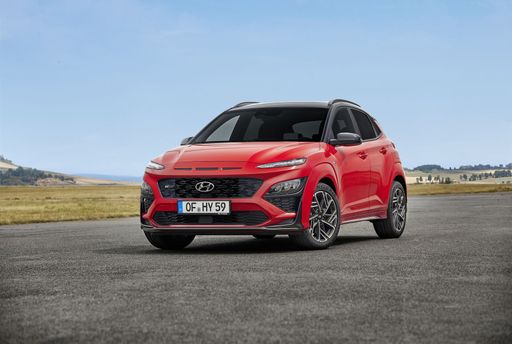 @ hyundai.news
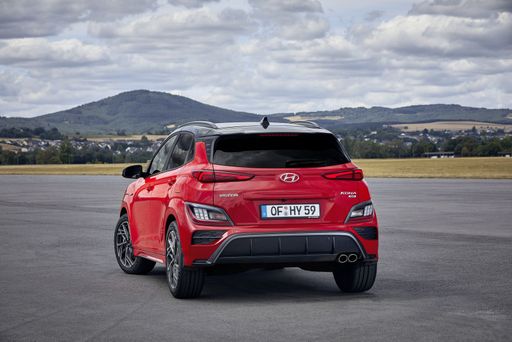 @ hyundai.news
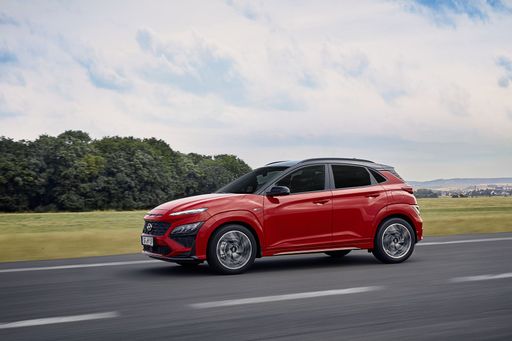 @ hyundai.news
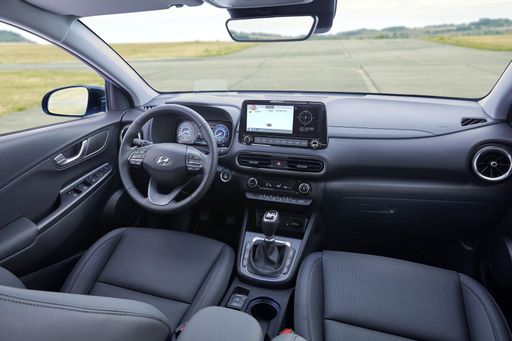 @ hyundai.news
Honda Civic
The Honda Civic has long been celebrated for its blend of reliability and style, making it a popular choice among drivers who value both aesthetics and performance. With its sleek design and spacious interior, the Civic offers a comfortable ride for both city commuting and longer journeys. The car's efficient engine ensures a smooth and responsive driving experience, while its advanced technology features cater to the needs of modern motoring enthusiasts.
details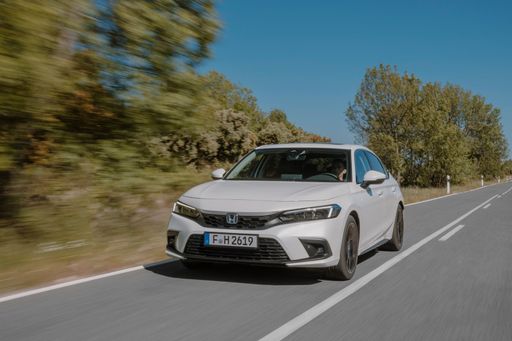 @ hondanews.eu
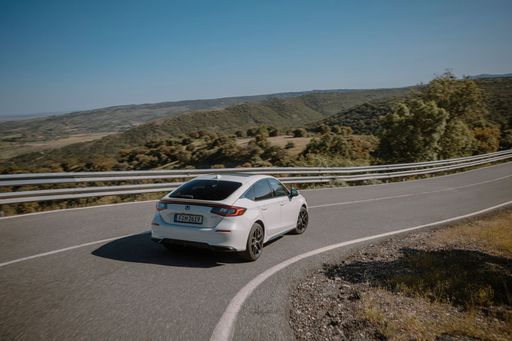 @ hondanews.eu
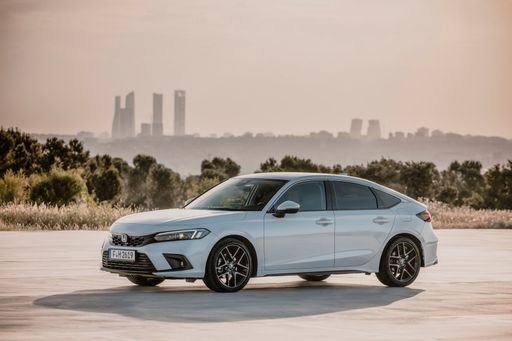 @ hondanews.eu
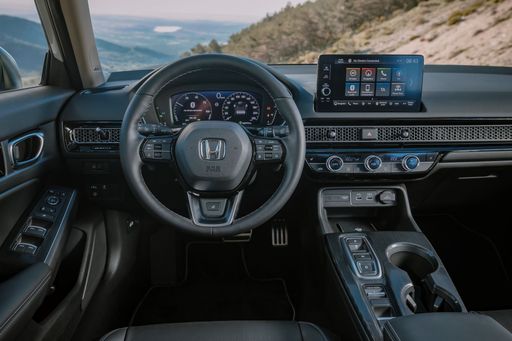 @ hondanews.eu
Hyundai Kona
Honda Civic
|
|
|
|
|
|
Costs and Consumption |
|
|---|---|
|
Price
23100 - 41600 £
|
Price
33900 - 56500 £
|
|
Consumption L/100km
4.6 - 7 L
|
Consumption L/100km
4.7 - 8.2 L
|
|
Consumption kWh/100km
14.6 - 16.8 kWh
|
Consumption kWh/100km
-
|
|
Electric Range
377 - 514 km
|
Electric Range
-
|
|
Battery Capacity
1.3 - 65.4 kWh
|
Battery Capacity
-
|
|
co2
0 - 163 g/km
|
co2
108 - 186 g/km
|
|
Fuel tank capacity
38 - 47 L
|
Fuel tank capacity
40 - 47 L
|
Dimensions and Body |
|
|---|---|
|
Body Type
SUV
|
Body Type
Hatchback
|
|
Seats
5
|
Seats
4 - 5
|
|
Doors
5
|
Doors
5
|
|
Curb weight
1370 - 1773 kg
|
Curb weight
1480 - 1533 kg
|
|
Trunk capacity
466 L
|
Trunk capacity
404 - 410 L
|
|
Length
4350 - 4385 mm
|
Length
4551 - 4594 mm
|
|
Width
1825 mm
|
Width
1890 mm
|
|
Height
1580 - 1585 mm
|
Height
1401 - 1408 mm
|
|
Payload
420 - 490 kg
|
Payload
320 - 397 kg
|
Engine and Performance |
|
|---|---|
|
Engine Type
Electric, Petrol, Full Hybrid
|
Engine Type
Full Hybrid, Petrol
|
|
Transmission
Automatic, Manuel
|
Transmission
Automatic, Manuel
|
|
Transmission Detail
Manual Gearbox, Dual-Clutch Automatic
|
Transmission Detail
Manual Gearbox
|
|
Drive Type
Front-Wheel Drive, All-Wheel Drive
|
Drive Type
Front-Wheel Drive
|
|
Power HP
115 - 218 HP
|
Power HP
184 - 329 HP
|
|
Acceleration 0-100km/h
7.8 - 11.9 s
|
Acceleration 0-100km/h
5.4 - 8.1 s
|
|
Max Speed
162 - 210 km/h
|
Max Speed
180 - 275 km/h
|
|
Torque
200 - 265 Nm
|
Torque
315 - 420 Nm
|
|
Number of Cylinders
3 - 4
|
Number of Cylinders
4
|
|
Power kW
85 - 160 kW
|
Power kW
135 - 242 kW
|
|
Engine capacity
998 - 1598 cm3
|
Engine capacity
1993 - 1996 cm3
|
General |
|
|---|---|
|
Model Year
2024 - 2025
|
Model Year
2025
|
|
CO2 Efficiency Class
A, D, C, E, F
|
CO2 Efficiency Class
C, G
|
|
Brand
Hyundai
|
Brand
Honda
|
Hyundai Kona
The Hyundai Kona: A Comprehensive Overview
The Hyundai Kona has established itself as a standout in the compact SUV segment, blending innovation with performance and style. As the automotive world moves towards more sustainable and efficient options, the Kona offers a variety of powertrains, from traditional petrol engines to full hybrids and all-electric models.
Powertrain Options and Performance
The Hyundai Kona's powertrain choices cater to a wide range of preferences. For petrol enthusiasts, the Kona offers a 1.0L T-GDI engine, delivering 100 PS, and a more robust 1.6L T-GDI variant with up to 170 PS. Those looking for efficiency without sacrificing power can consider the full hybrid model, offering 129 PS and an impressive consumption of 4.5 L/100km.
For a greener option, the all-electric Kona provides a compelling case. With battery capacities of up to 65.4 kWh, the electric Kona offers power outputs of 156 to 218 PS, and efficiencies as low as 14.6 kWh/100km, enabling an electric range of up to 513 km.
Technical Specifications and Innovations
Built on a robust platform, the Kona delivers versatility and reliability. With a choice between manual or dual-clutch automatic gearboxes, along with options for front-wheel or all-wheel drive, the Kona ensures a tailored driving experience. The handling is enhanced by the car's lightweight construction, balancing a 1370 to 1773 kg curb weight with dynamic performance.
The Kona's design doesn't compromise cargo space for style; it offers a generous 466 L boot capacity. With a relatively compact body, measuring 4350 to 4385 mm in length, the Kona easily navigates urban environments while still commanding a strong road presence with its 1825 mm width.
Efficiency and Eco-Friendliness
Hyundai is committed to reducing emissions, as evidenced by the Kona's CO2 efficiency ratings, which range from class A for electric models to class D for some higher-performance petrol variants. The focus on reducing environmental impact without sacrificing driving pleasure is notable throughout the Kona range.
Costing and Value
The Hyundai Kona offers commendable value for money. Pricing starts at €26,400 and reaches up to €50,690, depending on the chosen configuration. The monthly running costs range from €956 to €1090, with a cost per kilometre of 38.3 to 43.6 cents, making it a competitive option in its class.
Conclusion: Modern, Efficient, and Versatile
The Hyundai Kona stands as a testament to Hyundai's commitment to innovation, efficiency, and practicality. Whether you are inclined towards a traditional combustion engine, a hybrid for a balance of power and efficiency, or a full electric model for maximum eco-friendliness, the Kona provides a tailored solution for each unique driver preference.
Honda Civic
Innovative Elegance: The Honda Civic
The Honda Civic, a longstanding favourite in the automotive world, continues to impress with its blend of cutting-edge technology, stylish design, and outstanding performance. The latest iterations of this iconic vehicle showcase Honda's commitment to innovation and excellence, making them a top choice for those seeking both efficiency and excitement.
Powertrain and Performance
At the heart of the Honda Civic lies a range of powerful yet efficient engines. With options like the full-hybrid system producing up to 184 PS and a maximum torque of 315 Nm, drivers can enjoy a robust driving experience. For those seeking even more thrill, the Type R variant offers a staggering 329 PS, propelling the Civic from 0-100 km/h in as little as 5.4 seconds.
Front-wheel drive and advanced transmission options, including CVT and manual gearboxes, ensure that the Honda Civic provides a dynamic and responsive ride, whether you're navigating city streets or open motorways.
Fuel Efficiency and Sustainability
The Honda Civic boasts impressive fuel efficiency, with consumption figures as low as 4.7 L/100 km for the hybrid models, making it an eco-friendly choice without sacrificing performance. With CO2 emissions starting from 108 g/km, the Civic achieves a commendable balance between power and environmental responsibility, appealing to conscientious drivers.
Design and Dimensions
With sleek lines and a striking profile, the Honda Civic stands out in the hatchback segment. Measuring between 4551 mm and 4594 mm in length, with a width of 1890 mm and a height of 1401 mm to 1408 mm, the Civic offers both aesthetic appeal and practicality. The spacious interior accommodates four to five passengers comfortably, while a boot capacity of up to 410 litres provides ample space for luggage and belongings.
Advanced Technology and Features
The Honda Civic is equipped with a plethora of advanced features designed to enhance the driving experience. From state-of-the-art infotainment systems to comprehensive safety technologies, the Civic ensures comfort, connectivity, and peace of mind on every journey. Available in multiple trim levels, such as Elegance e-CVT, Advance e-CVT, and Sport e-CVT, the Civic caters to a variety of preferences and demands.
Cost of Ownership
With monthly costs ranging from €1,033 to €1,672 and a per-kilometre expense of 41.3 to 66.9 cents, the Honda Civic remains an economical choice for long-term ownership. The diverse range of models and trim levels ensures there is a Civic to suit every budget and requirement, making it a wise investment for both individuals and families.
Conclusion
The Honda Civic continues to set benchmarks in its class, combining performance, efficiency, and a suite of modern features in one sleek package. Whether you're drawn to its hybrid efficiency or the raw power of the Type R, the Civic delivers on all fronts, reaffirming its status as a beloved classic in the modern automotive landscape.
Which drive types are available for the Hyundai Kona?
Available as Front-Wheel Drive or All-Wheel Drive.
The prices and data displayed are estimates based on German list prices and may vary by country. This information is not legally binding.