@ Jaguar Land Rover Media
@ Dr. Ing. h.c. F. Porsche AG
VS

Jaguar I-Pace vs Porsche Macan – Which model is better for everyday use?

Both models have their strengths – but which one suits you more?
Compare performance, efficiency, price and space directly: Jaguar I-Pace or Porsche Macan?

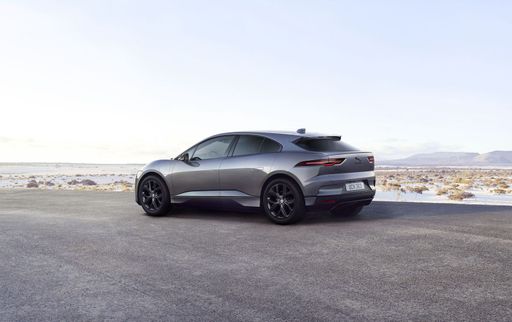
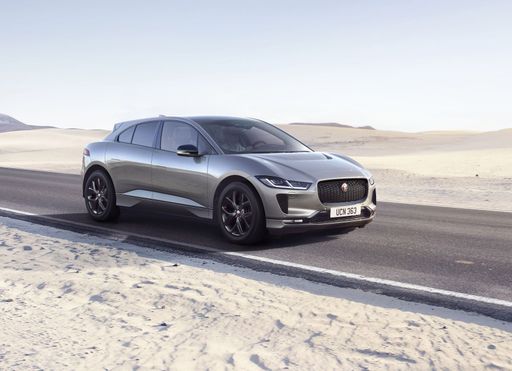
I-Pace @ Jaguar Land Rover Media

The electric vehicle market is burgeoning, and two of the most sought-after competitors in the premium SUV segment are the Jaguar I-Pace and the Porsche Macan. Both vehicles embody distinct philosophies toward luxury and performance, making this comparison particularly intriguing for automotive enthusiasts. Let's delve into the technical specifications, innovations, and overall driving experience of these two impressive models.
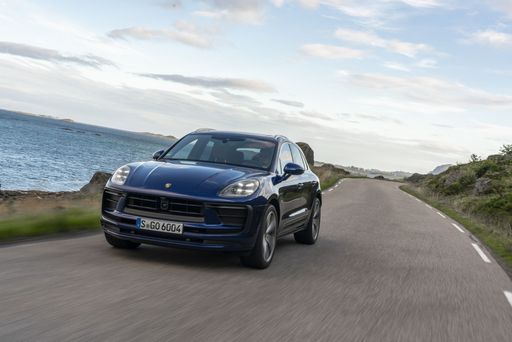
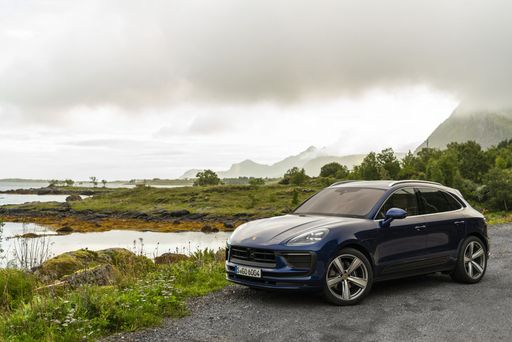
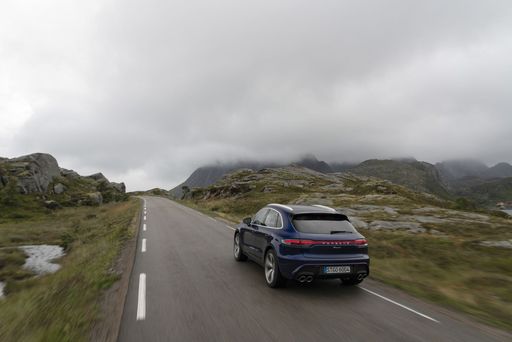
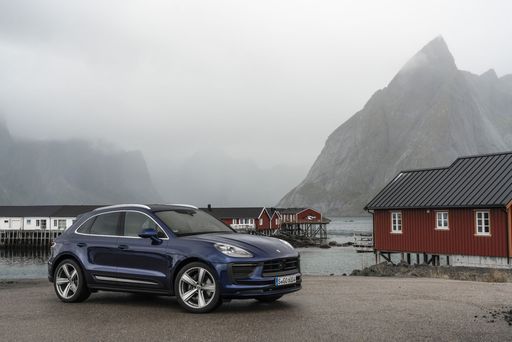
Macan @ Dr. Ing. h.c. F. Porsche AG

Powertrain Performance

The Jaguar I-Pace is powered by a dual electric motor setup that delivers an astonishing 400 HP and 696 Nm of torque, enabling it to sprint from 0 to 100 km/h in just 4.8 seconds. This electric powertrain is designed for all-wheel drive, ensuring optimal traction in various driving conditions. Additionally, with a battery capacity of 84.7 kWh, the I-Pace boasts an impressive electric range of up to 469 km on a full charge, with an energy consumption of 25.2 kWh/100km.

On the other hand, the Porsche Macan, set to dominate the market in 2024, offers a broader range of powertrains with output options between 360 HP and 639 HP. The Macan is available with both rear-wheel and all-wheel drive configurations, providing flexibility for drivers. The quickest variant can achieve a thrilling 0 to 100 km/h time of just 3.3 seconds. With a larger battery capacity of 96 kWh, the Macan excels in range, boasting up to 644 km on a full charge while consuming between 17 - 18.8 kWh/100km.

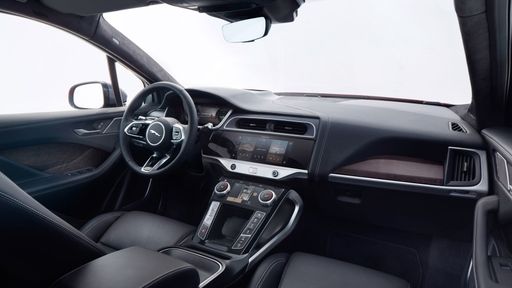
I-Pace @ Jaguar Land Rover Media

Design and Interior Comfort

In terms of aesthetics, the Jaguar I-Pace features a sleek and modern design with a characteristic low stance, emphasizing its sporty appeal while maintaining a premium quality. The interior offers a spacious cabin accommodating five passengers comfortably, along with a trunk capacity of 638 L.

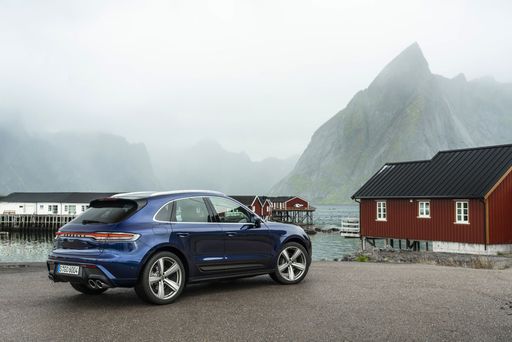
The Porsche Macan, while also elegant, showcases a more aggressive and muscular stance typical of the brand. It comes with versatile seating for five as well, but the trunk capacity is slightly less, at around 540 L depending on the variant. Both vehicles promise high-quality materials and advanced technology systems that enhance the driving experience.

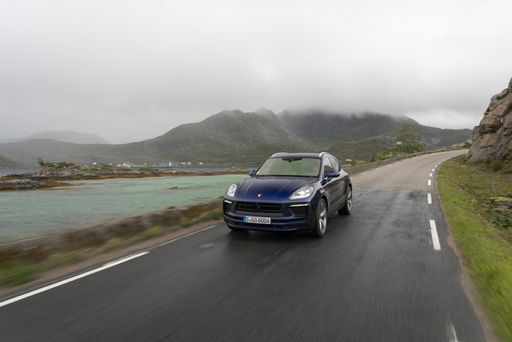
Macan @ Dr. Ing. h.c. F. Porsche AG

Technological Innovations

Both the I-Pace and Macan are equipped with cutting-edge technology. The Jaguar I-Pace comes with the latest Pivi Pro infotainment system, which boasts enhanced user interfaces and seamless smartphone integration. The digital cockpit provides essential driving data at a glance, enhancing the driver's connection to the vehicle.

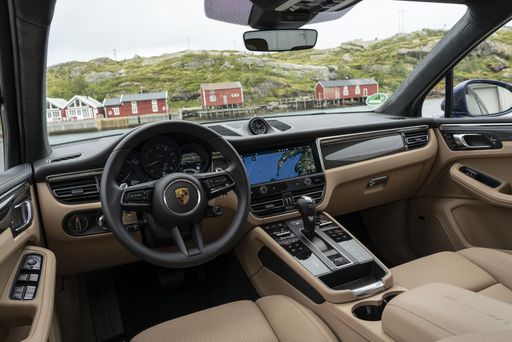
Porsche's Macan counters with its innovative Porsche Communication Management (PCM) system, featuring an intuitive touchscreen interface, sophisticated navigation tools, and smartphone connectivity, ensuring drivers remain connected and entertained on the go. Advanced driver-assistance systems are plentiful in both vehicles, putting the emphasis on safety while enhancing driving dynamics.

I-Pace @ Jaguar Land Rover Media

Driving Dynamics and Experience

The I-Pace is known for its balanced handling and instant torque delivery, providing a remarkably agile driving experience for an SUV. The vehicle's low center of gravity, attributed to its battery placement, adds to the sportiness characteristic of the Jaguar brand.

The Macan stands out in the realm of performance SUVs, providing a driving experience that feels more akin to a sports sedan. The precise steering and superior handling capabilities give drivers confidence, whether navigating through urban settings or winding mountain roads. With Porsche’s illustrious motorsport lineage, the Macan truly embodies a blend of luxury and sportiness.

Macan @ Dr. Ing. h.c. F. Porsche AG

Conclusion

In conclusion, the Jaguar I-Pace and Porsche Macan both provide compelling offerings in the electric SUV market, showcasing technological innovations and performance enhancements that cater to differing tastes. The I-Pace leans towards those seeking a luxurious yet sporty electric experience, while the Macan appeals to performance-oriented drivers desiring the thrill associated with the Porsche brand. Ultimately, the choice between these two vehicles hinges on individual preferences in performance, design, and technological features.

Here’s where it gets real: The technical differences in detail

Costs and Efficiency:

Looking at overall running costs, both models reveal some interesting differences in everyday economy.

Porsche Macan has a a bit advantage in terms of price – it starts at 69200 £, while the Jaguar I-Pace costs 79200 £. That’s a price difference of around 10029 £.

In terms of energy consumption, the advantage goes to the Porsche Macan: with 17 kWh per 100 km, it’s decisively more efficient than the Jaguar I-Pace with 25.20 kWh. That’s a difference of about 8.20 kWh.

As for range, the Porsche Macan performs distinct better – achieving up to 644 km, about 175 km more than the Jaguar I-Pace.

Engine and Performance:

Power, torque and acceleration say a lot about how a car feels on the road. This is where you see which model delivers more driving dynamics.

When it comes to engine power, the Porsche Macan has a distinct edge – offering 639 HP compared to 400 HP. That’s roughly 239 HP more horsepower.

In acceleration from 0 to 100 km/h, the Porsche Macan is decisively quicker – completing the sprint in 3.30 s, while the Jaguar I-Pace takes 4.80 s. That’s about 1.50 s faster.

In terms of top speed, the Porsche Macan performs noticeable better – reaching 260 km/h, while the Jaguar I-Pace tops out at 200 km/h. The difference is around 60 km/h.

There’s also a difference in torque: Porsche Macan pulls clearly perceptible stronger with 1130 Nm compared to 696 Nm. That’s about 434 Nm difference.

Space and Everyday Use:

Cabin size, boot volume and payload all play a role in everyday practicality. Here, comfort and flexibility make the difference.

Both vehicles offer seating for 5 people.

In curb weight, Jaguar I-Pace is slight lighter – 2226 kg compared to 2295 kg. The difference is around 69 kg.

In terms of boot space, the Jaguar I-Pace offers to a small extent more room – 638 L compared to 540 L. That’s a difference of about 98 L.

In maximum load capacity, the Jaguar I-Pace performs minimal better – up to 1453 L, which is about 105 L more than the Porsche Macan.

When it comes to payload, Porsche Macan somewhat takes the win – 545 kg compared to 444 kg. That’s a difference of about 101 kg.

Who comes out on top?

Overall, the Porsche Macan shows itself to be is largely superior and secures the title of DriveDuel Champion.
It convinces with the more balanced overall package and proves to be the more versatile choice for everyday use.

from about £69,200
Macan @ Dr. Ing. h.c. F. Porsche AG

Porsche Macan

  • Engine Type : Electric
  • Transmission : Automatic
  • Drive Type : Rear-Wheel Drive, All-Wheel Drive
  • Power HP : 360 - 639 HP
  • Consumption kWh/100km : 17 - 18.5 kWh
  • Electric Range : 585 - 644 km

Jaguar I-Pace

The Jaguar I-Pace represents a remarkable fusion of cutting-edge electric performance and iconic British luxury. With its sleek design and spacious interior, this model redefines what one can expect from an electric vehicle in terms of style and comfort. Its impressive driving dynamics and advanced technology make it a standout choice for those looking to make a statement on the road.

details

Porsche Macan

The Porsche Macan feels like a compact sports car dressed in SUV clothes, delivering razor-sharp handling and a cabin that somehow mixes luxury with everyday practicality. For buyers who crave driving thrills without sacrificing usability, the Macan is a rare breed that makes running errands feel like a weekend blast and manages to look smugly good in the process.

details
Jaguar I-Pace
Porsche Macan
I-Pace @ Jaguar Land Rover Media
Macan @ Dr. Ing. h.c. F. Porsche AG

Costs and Consumption

Price
79200 - 85500 £
Price
69200 - 99000 £
Consumption L/100km
-
Consumption L/100km
-
Consumption kWh/100km
25.20 kWh
Consumption kWh/100km
17 - 18.5 kWh
Electric Range
469 km
Electric Range
585 - 644 km
Battery Capacity
84.70 kWh
Battery Capacity
95 kWh
co2
0 g/km
co2
0 g/km
Fuel tank capacity
-
Fuel tank capacity
-

Dimensions and Body

Body Type
SUV
Body Type
SUV
Seats
5
Seats
5
Doors
5
Doors
5
Curb weight
2226 kg
Curb weight
2295 - 2470 kg
Trunk capacity
638 L
Trunk capacity
476 - 540 L
Length
4682 mm
Length
4784 - 4805 mm
Width
2011 mm
Width
1938 - 1952 mm
Height
1566 mm
Height
1613 - 1623 mm
Max trunk capacity
1453 L
Max trunk capacity
1288 - 1348 L
Payload
444 kg
Payload
470 - 545 kg

Engine and Performance

Engine Type
Electric
Engine Type
Electric
Transmission
Automatic
Transmission
Automatic
Transmission Detail
Reduction Gearbox
Transmission Detail
Reduction Gearbox
Drive Type
All-Wheel Drive
Drive Type
Rear-Wheel Drive, All-Wheel Drive
Power HP
400 HP
Power HP
360 - 639 HP
Acceleration 0-100km/h
4.80 s
Acceleration 0-100km/h
3.3 - 5.7 s
Max Speed
200 km/h
Max Speed
220 - 260 km/h
Torque
696 Nm
Torque
563 - 1130 Nm
Number of Cylinders
-
Number of Cylinders
-
Power kW
294 kW
Power kW
265 - 470 kW
Engine capacity
-
Engine capacity
-

General

Model Year
2023
Model Year
2024 - 2025
CO2 Efficiency Class
A
CO2 Efficiency Class
A
Brand
Jaguar
Brand
Porsche
What drivetrain options does the Jaguar I-Pace have?

Available configurations include All-Wheel Drive.

The prices and data displayed are estimates based on German list prices and may vary by country. This information is not legally binding.