VS

Jeep Avenger vs BYD Atto 2 - Differences and prices compared

Compare performance (156 HP vs 212 HP), boot space and price (21900 £ vs 27400 £ ) at a glance. Find out which car is the better choice for you – Jeep Avenger or BYD Atto 2?

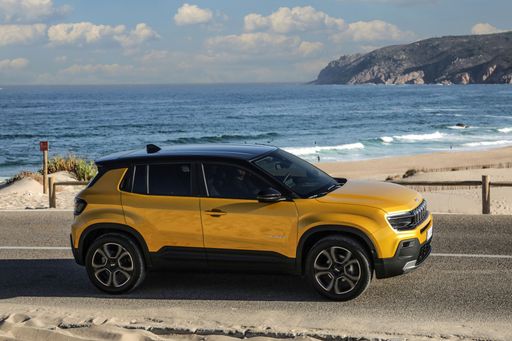
Avenger

Clash of the Titans: Jeep Avenger vs BYD Atto 2

In the rapidly evolving automotive landscape, the competition between electric vehicles is intensifying, with each model aiming to capture the hearts and minds of eco-conscious consumers. Two prominent players in this field, the Jeep Avenger and the BYD Atto 2, offer a compelling mix of performance, innovation, and sustainability. Let's dive deep into the technical aspects and innovations of these two SUV contenders.
Atto 2

Power and Performance

Both the Jeep Avenger and BYD Atto 2 are equipped with electric powertrains, yet they distinguish themselves through different power outputs and driving experiences. The Jeep Avenger provides a variety of engine choices: purely electric, petrol MHEV, and petrol versions, generating power between 100 and 156 HP. The electric variant delivers up to 156 HP with a torque of 260 Nm, achieving a respectable 0-100 km/h acceleration time of 9 seconds. It also offers flexibility with a choice between front-wheel drive and all-wheel drive models.

On the other hand, the BYD Atto 2 focuses solely on electric propulsion, delivering a more robust performance with 177 HP and torque of 290 Nm. This setup results in a quicker acceleration from 0-100 km/h in just 7.9 seconds, and a higher maximum speed of 160 km/h, making it the sportier option in this face-off.

Avenger

Range and Efficiency

Range anxiety is a major consideration for electric vehicle buyers, and both manufacturers address this with commendable offerings. The Jeep Avenger boasts an impressive electric range of 400 km, with a battery capacity of 51 kWh and an energy consumption of 15.4 kWh/100 km. For hybrid and petrol versions, fuel consumption ranges from 5.4 to 5.7 L/100 km.

The BYD Atto 2 offers a competitive electric range of 312 km, consuming 16 kWh/100 km, which, while slightly lower in range, provides a compelling performance boost due to its higher power output. Both vehicles boast a CO2 efficiency class of A, emphasizing their green credentials.

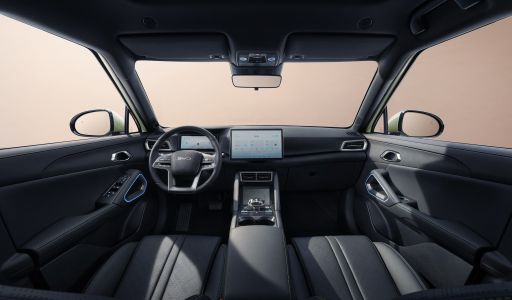
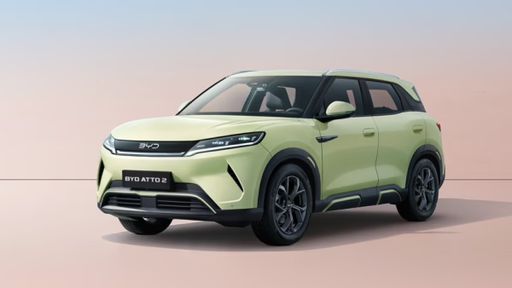
Atto 2

Design and Dimensions

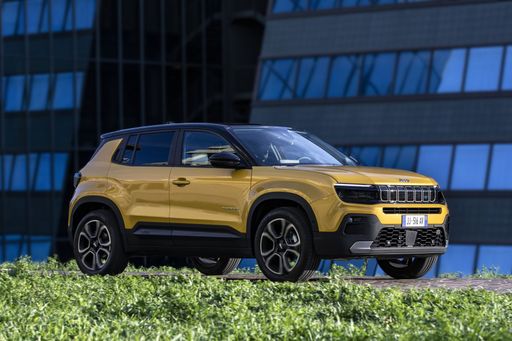
Design plays a crucial role in attracting potential buyers. The Jeep Avenger, with its classic SUV look, stands 4084 mm in length, 1776 mm in width, and up to 1536 mm in height. It offers various trunk capacities, reaching up to 380 liters, depending on the variant.

Meanwhile, the BYD Atto 2 showcases a modern design philosophy with slightly larger dimensions: 4310 mm in length, 1830 mm in width, and 1675 mm in height. It provides a generous trunk capacity of 400 liters, catering to practical needs, whether for daily use or extended trips.

Avenger

Technology and Innovation

The Jeep Avenger, available in both manual and automatic transmissions, incorporates innovative technology, including options such as dual-clutch automatic gearboxes and manual gearboxes for those who prefer a traditional driving experience. Its sophisticated design flourishes with advanced safety features and infotainment options.

The BYD Atto 2, with its automatic transmission, emphasizes a user-friendly driving experience coupled with cutting-edge infotainment systems and safety innovations, possibly equipped with BYD's renowned Blade Battery technology to enhance safety and longevity.

Conclusion

The decision between the Jeep Avenger and the BYD Atto 2 ultimately hinges on personal preference and driving priorities. If efficiency and range are paramount, the Jeep Avenger stands out with its versatility and longer range options. However, for those prioritizing performance and modernity, the BYD Atto 2 presents an attractive proposition with its higher power output and rapid acceleration.

As the electric vehicle segment grows, both these SUVs demonstrate the blend of sustainability, performance, and innovation that will drive the future of automotive technology.

Jeep Avenger

5 (2 Reviews)
rate

BYD Atto 2

5 (1 Reviews)
rate

Here’s where it gets real: The technical differences in detail

Costs and Efficiency:

When it comes to price and running costs, the biggest differences usually appear. This is often where you see which car fits your budget better in the long run.

Jeep Avenger has a evident advantage in terms of price – it starts at 21900 £ , while the BYD Atto 2 costs 27400 £ . That’s a price difference of around 5478 £.

In terms of energy consumption, the advantage goes to the Jeep Avenger: with 15.50 kWh per 100 km, it’s barely noticeable more efficient than the BYD Atto 2 with 15.80 kWh. That’s a difference of about 0.30 kWh.

As for electric range, the BYD Atto 2 performs minimal better – achieving up to 430 km, about 30 km more than the Jeep Avenger.

Engine and Performance:

Power, torque and acceleration say a lot about how a car feels on the road. This is where you see which model delivers more driving dynamics.

When it comes to engine power, the BYD Atto 2 has a noticeable edge – offering 212 HP compared to 156 HP. That’s roughly 56 HP more horsepower.

In acceleration from 0 to 100 km/h, the BYD Atto 2 is somewhat quicker – completing the sprint in 7.50 s, while the Jeep Avenger takes 9 s. That’s about 1.50 s faster.

In terms of top speed, the Jeep Avenger performs slightly better – reaching 194 km/h, while the BYD Atto 2 tops out at 160 km/h. The difference is around 34 km/h.

There’s also a difference in torque: BYD Atto 2 pulls to a small extent stronger with 310 Nm compared to 260 Nm. That’s about 50 Nm difference.

Space and Everyday Use:

Cabin size, boot volume and payload all play a role in everyday practicality. Here, comfort and flexibility make the difference.

Both vehicles offer seating for 5 people.

In curb weight, Jeep Avenger is clearly perceptible lighter – 1180 kg compared to 1510 kg. The difference is around 330 kg.

In terms of boot space, the BYD Atto 2 offers slightly more room – 450 L compared to 380 L. That’s a difference of about 70 L.

In maximum load capacity, the BYD Atto 2 performs slight better – up to 1340 L, which is about 63 L more than the Jeep Avenger.

When it comes to payload, Jeep Avenger barely noticeable takes the win – 502 kg compared to 490 kg. That’s a difference of about 12 kg.

Who wins the race in the data check?

The BYD Atto 2 is decisively ahead in the objective data comparison.
This result only shows which model scores more points on paper – not which of the two cars feels right for you.

Jeep Avenger
BYD Atto 2

Costs and Consumption

View detailed analysis

Engine and Performance

View detailed analysis

Dimensions and Body

View detailed analysis
from about £27,400
Atto 2

BYD Atto 2

  • Engine Type : Electric, Plugin Hybrid
  • Transmission : Automatic
  • Drive Type : Front-Wheel Drive
  • Power HP : 166 - 212 HP
  • Consumption kWh/100km : 15.8 - 16 kWh
  • Electric Range : 40 - 430 km

Jeep Avenger

5 (2 Reviews)
rate

The Jeep Avenger shrinks Jeep's boxy, adventurous styling into a city-friendly electric crossover that looks just as at home on tight streets as it does on muddy weekend lanes. It's a savvy pick for drivers who want go-anywhere attitude without the truck-size ego — practical inside, lively around town and ready to tackle a bit of rough stuff when the mood strikes.

details

BYD Atto 2

5 (1 Reviews)
rate

The Atto 2 is making waves in the electric vehicle market with its sleek design and impressive range. This innovative model combines cutting-edge technology with captivating aesthetics, making it a standout choice for eco-conscious drivers. With its spacious interior and advanced features, the Atto 2 offers both comfort and convenience for everyday use.

details
Jeep Avenger
BYD Atto 2

Costs and Consumption

Price
21900 - 36900 £
Price
27400 - 36000 £
Consumption L/100km
4.9 - 5.7 L
Consumption L/100km
-
Consumption kWh/100km
15.50 kWh
Consumption kWh/100km
15.8 - 16 kWh
Electric Range
400 km
Electric Range
40 - 430 km
Battery Capacity
51 kWh
Battery Capacity
-
co2
0 - 129 g/km
co2
0 - 41 g/km
Fuel tank capacity
44 L
Fuel tank capacity
-

Dimensions and Body

Body Type
SUV
Body Type
SUV
Seats
5
Seats
5
Doors
5
Doors
5
Curb weight
1180 - 1520 kg
Curb weight
1510 - 1720 kg
Trunk capacity
325 - 380 L
Trunk capacity
400 - 450 L
Length
4084 - 4088 mm
Length
4310 mm
Width
1776 mm
Width
1830 mm
Height
1527 - 1541 mm
Height
1675 mm
Max trunk capacity
1218 - 1277 L
Max trunk capacity
1340 L
Payload
494 - 502 kg
Payload
260 - 490 kg

Engine and Performance

Engine Type
Electric, Petrol, Petrol MHEV
Engine Type
Electric, Plugin Hybrid
Transmission
Automatic, Manuel
Transmission
Automatic
Transmission Detail
Reduction Gearbox, Manual Gearbox, Dual-Clutch Automatic
Transmission Detail
Reduction Gearbox, Automatic Gearbox
Drive Type
Front-Wheel Drive, All-Wheel Drive
Drive Type
Front-Wheel Drive
Power HP
100 - 156 HP
Power HP
166 - 212 HP
Acceleration 0-100km/h
9 - 10.6 s
Acceleration 0-100km/h
7.5 - 9.1 s
Max Speed
150 - 194 km/h
Max Speed
160 km/h
Torque
205 - 260 Nm
Torque
290 - 310 Nm
Number of Cylinders
3
Number of Cylinders
4
Power kW
74 - 115 kW
Power kW
122 - 156 kW
Engine capacity
1199 cm3
Engine capacity
1498 cm3

General

Model Year
2023 - 2025
Model Year
2025 - 2026
CO2 Efficiency Class
A, D, C
CO2 Efficiency Class
A, B
Brand
Jeep
Brand
BYD
What drivetrain options does the Jeep Avenger have?

Available configurations include Front-Wheel Drive or All-Wheel Drive.

The prices shown are estimates based on German list prices, adjusted for local VAT. Local registration taxes (e.g. NoVA, BPM or CO2 malus) are not included. This information is not legally binding.