
 Deutschland
 France
 Nederland
 Great Britain
 Sverige
 Danmark
 Suomi
Suomi Italia
 Polska
 Česko
Česko España
VS
Jeep Grand Cherokee vs Toyota bZ4X comparison
Compare performance (380 HP vs 380 HP), boot space and price (85,600 £ vs 36,800 £ ) at a glance. Find out which car is the better choice for you – Jeep Grand Cherokee or Toyota bZ4X?
Jeep Grand Cherokee vs Toyota bZ4X: Key differences
All details on performance, efficiency, range and trunk space can be found in the technical comparison below – including user reviews for both models.
Grand Cherokee
Costs and Efficiency:
Price and efficiency are key factors when choosing a car – and this is often where the real differences emerge.
Toyota bZ4X is substantially cheaper – starting at 36,800 £ , while the Jeep Grand Cherokee costs 85,600 £ . That’s a price difference of around 48,780 £.
As for electric range, the Toyota bZ4X offers considerably more range – reaching up to 591 km, about 546 km more than the Jeep Grand Cherokee.
bZ4X
Engine and Performance:
Power, torque and acceleration are the classic benchmarks for car enthusiasts – and here, some clear differences start to show.
Both models deliver identical power – 380 HP each.
When accelerating from 0 to 100 km/h, the Toyota bZ4X is significantly quicker – completing the sprint in 4.4 s, while the Jeep Grand Cherokee takes 6.3 s. That’s about 1.9 s quicker.
There’s also a difference in torque: the Jeep Grand Cherokee delivers substantially more torque with 637 Nm compared to 338 Nm. That’s about 299 Nm more.
Grand Cherokee
Space and Everyday Use:
Cabin size, boot volume and payload all play a role in everyday practicality. Here, comfort and flexibility make the difference.
Both vehicles offer seating for 5 people.
In terms of curb weight, Toyota bZ4X is clearly lighter – 1,900 kg compared to 2,434 kg. The difference is around 534 kg.
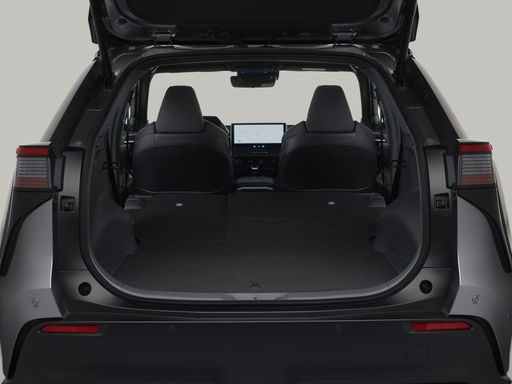
Looking at boot space, the Toyota bZ4X offers clearly more boot space – 669 L compared to 520 L. That’s a difference of about 149 L.
When it comes to payload, the Jeep Grand Cherokee carries a bit more – 641 kg compared to 565 kg. That’s a difference of about 76 kg.
Who wins the race in the data check?
The Toyota bZ4X is decisively ahead in the objective data comparison.
This result only shows which model scores more points on paper – not which of the two cars feels right for you.
from £36,800
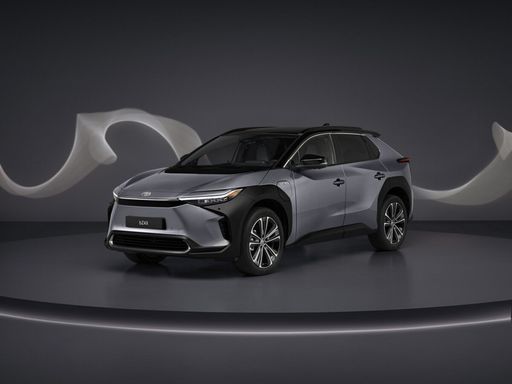
Toyota bZ4X
Jeep Grand Cherokee
Toyota bZ4X
Costs and Consumption
View detailed analysis
View detailed analysis
Engine and Performance
View detailed analysis
View detailed analysis
Dimensions and Body
View detailed analysis
View detailed analysis
Jeep Grand Cherokee
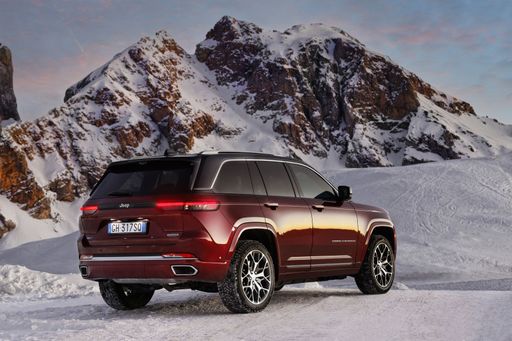
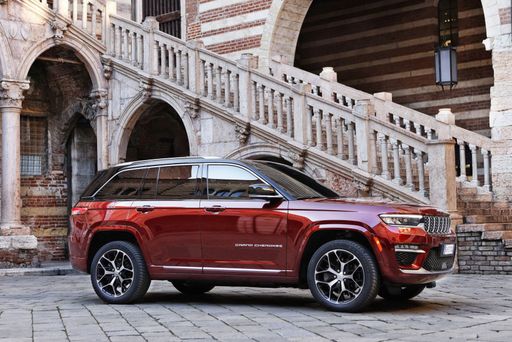
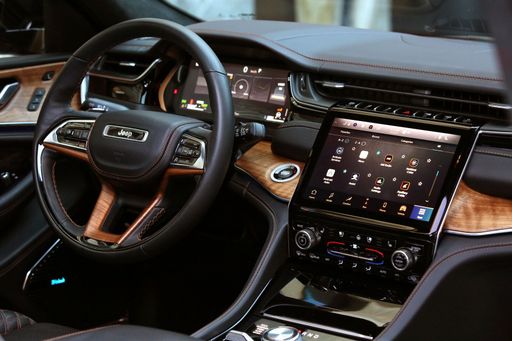
The Jeep Grand Cherokee wears its trail-ready roots proudly while wrapping them in a surprisingly civilized and upscale package, so it can tackle rough tracks and the school run with the same swagger. Inside, plush materials and intuitive tech make it a comfortable place to spend time, giving buyers a practical yet characterful SUV that doesn’t take itself too seriously.
details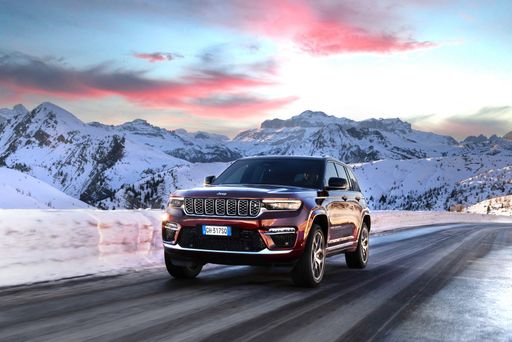
Toyota bZ4X
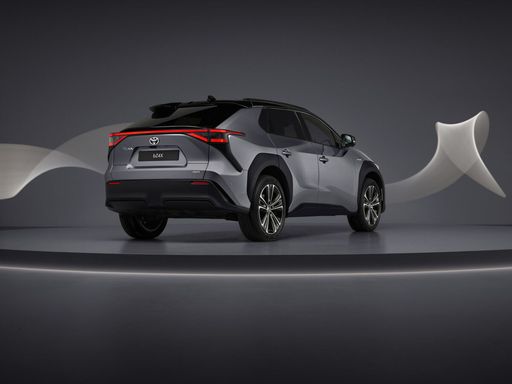
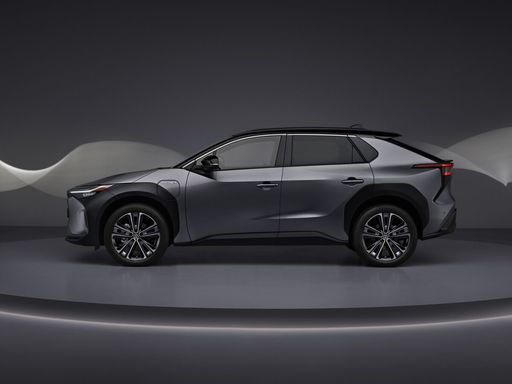
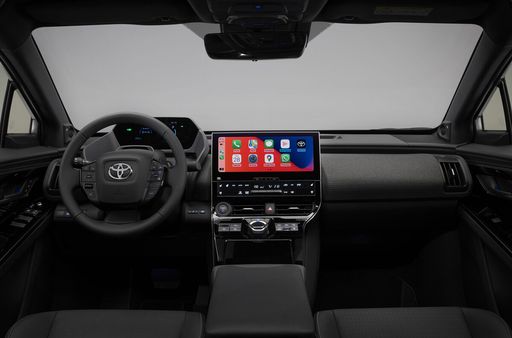
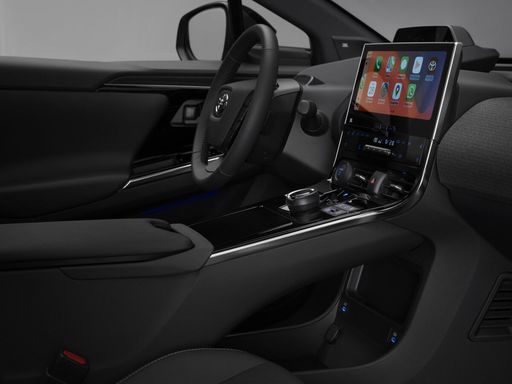
The Toyota bZ4X is an electric crossover that focuses on a calm ride, practical interior and predictable handling for everyday driving. It suits buyers who want an easygoing, reliable EV with Toyota's familiar build quality and a clean, simple design.
details
Jeep Grand Cherokee
Toyota bZ4X
Costs and Consumption |
|
|---|---|
|
Price
85,600 £
|
Price
36,800 - 51,000 £
|
|
Consumption L/100km
2.9 L/100km
|
Consumption L/100km
-
|
|
Consumption kWh/100km
-
|
Consumption kWh/100km
13.5 - 16.6 kWh/100km
|
|
Electric Range
45 km
|
Electric Range
444 - 591 km
|
|
Battery Capacity
-
|
Battery Capacity
-
|
|
co2
65 g/km
|
co2
0 g/km
|
|
Fuel tank capacity
-
|
Fuel tank capacity
-
|
Dimensions and Body |
|
|---|---|
|
Body Type
SUV
|
Body Type
SUV
|
|
Seats
5
|
Seats
5
|
|
Doors
-
|
Doors
-
|
|
Curb weight
2,434 kg
|
Curb weight
1,900 - 2,180 kg
|
|
Trunk capacity
520 L
|
Trunk capacity
452 - 669 L
|
|
Length
-
|
Length
-
|
|
Width
1,968 mm
|
Width
1,860 mm
|
|
Height
-
|
Height
-
|
|
Max trunk capacity
-
|
Max trunk capacity
-
|
|
Payload
641 kg
|
Payload
375 - 565 kg
|
Engine and Performance |
|
|---|---|
|
Engine Type
Plugin Hybrid
|
Engine Type
Electric
|
|
Transmission
Automatic
|
Transmission
Automatic
|
|
Transmission Detail
Automatic Gearbox
|
Transmission Detail
Reduction Gearbox
|
|
Drive Type
All-Wheel Drive
|
Drive Type
Front-Wheel Drive, All-Wheel Drive
|
|
Power HP
380 HP
|
Power HP
167 - 380 HP
|
|
Acceleration 0-100km/h
6.3 s
|
Acceleration 0-100km/h
4.4 - 8.6 s
|
|
Max Speed
-
|
Max Speed
-
|
|
Torque
637 Nm
|
Torque
268 - 338 Nm
|
|
Number of Cylinders
4
|
Number of Cylinders
-
|
|
Power kW
280 kW
|
Power kW
123 - 280 kW
|
|
Engine capacity
1,995 cm3
|
Engine capacity
-
|
General |
|
|---|---|
|
Model Year
2024
|
Model Year
2,025 - 2,026
|
|
CO2 Efficiency Class
B
|
CO2 Efficiency Class
A
|
|
Brand
Jeep
|
Brand
Toyota
|
DriveDuel uses data analysis and artificial intelligence to evaluate vehicle data and create content. Content is regularly reviewed and improved.
The displayed prices are estimates based on German list prices, adjusted to the respective country’s VAT. Country-specific registration taxes are not included. This information is not legally binding.