VS

Kia EV2 vs Hyundai Inster comparison

Compare performance (147 HP vs 115 HP), boot space and price (22,800 £ vs 20,500 £ ) at a glance. Find out which car is the better choice for you – Kia EV2 or Hyundai Inster?

Kia EV2 vs Hyundai Inster: Key differences

Kia EV2

  • noticeably more power
  • a bit more electric range
  • markedly quicker 0–100 km/h
details

Hyundai Inster

5 (1 Reviews)
rate
  • somewhat cheaper
  • only slightly more efficient
  • moderately lighter
details

By Achim Sedelmaier

EV2

Hyundai Inster VS Kia EV2: short take for buyers

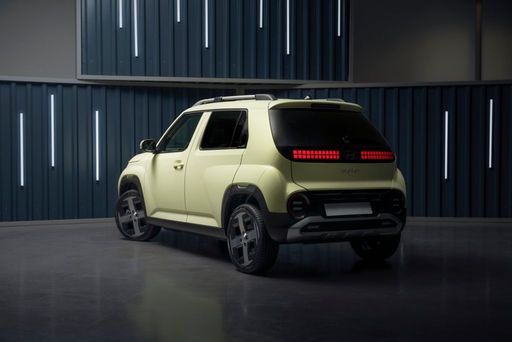
Hyundai Inster VS Kia EV2 sets up a classic city‑focused challenger against a comfort‑leaning compact electric SUV. The Hyundai Inster presents itself as the clever, efficient town car that keeps running costs low and makes tight parking painless, while the Kia EV2 aims higher on highway composure, interior space and outright usability. Hyundai Inster tends to be the cheaper, lighter and more frugal choice for daily urban duty, whereas Kia EV2 brings more torque, range options and a quieter long‑distance character that suits mixed driving. Buyers should read the contrasts below as trade‑offs: one favours nimbleness and efficiency, the other favours comfort, range and a more conventional family layout.
Inster

City friendliness and everyday maneuvering

In the urban arena the Hyundai Inster feels built for short trips: compact dimensions, a tight turning circle and a light steering setup make the Hyundai Inster easy to slot into small spaces and squeeze into tight garages. The Kia EV2 is also city‑friendly—excellent outward visibility and helpful cameras make parking less stressful—but its slightly larger footprint and softer, more composed ride give the Kia EV2 a more grown‑up feel when you’re not threading between cars. Hyundai Inster’s efficient one‑pedal driving and low real‑world energy use reward stop‑start urban runs, while the Kia EV2 rewards drivers who value calm refinement and straightforward infotainment access during daily commutes. Put simply: choose Hyundai Inster if urban agility and lower running costs matter most, choose Kia EV2 if you prefer calmness and all‑round usability when the town meets the motorway.

Comfort, noise and long‑distance behavior

On longer drives the differences become pronounced: the Kia EV2 is the quieter, more settled car on motorways, giving a bigger‑car sense thanks to better wind and road noise suppression and stronger acceleration when you need to overtake. The Hyundai Inster remains composed for suburban and shorter interurban trips, but it reveals its city DNA on sustained high‑speed runs—wind noise rises and the performance reserve feels limited compared with the Kia EV2. Energy behaviour also flips by use case: the Hyundai Inster often returns the lower in‑town consumption, while the Kia EV2’s larger battery and greater torque provide more confidence for longer journeys without frequent charging. If you routinely do long highway legs, the Kia EV2’s comfort and range options will reduce stress; if your miles are mainly urban, the Hyundai Inster’s efficiency and agility will save time and money.

Practicality and family usability

Practical differences are about layout as much as volume: the Hyundai Inster offers clever seat flexibility and some surprising interior tricks for its size, but it is built as a four‑seater with a higher loading lip and limited luggage ergonomics that complicate bulky cargo and cable storage. The Kia EV2 leans harder on everyday practicality with a more conventional five‑seat mindset (and market‑dependent sliding‑seat options), a more usable boot floor and generally better payload flexibility—that makes the Kia EV2 easier for small families or anyone who needs to carry varied kit frequently. Both cars have compromises around frunks and loading heights, but the Hyundai Inster requires more packing thought while the Kia EV2 simply fits more without as many workarounds. In short: Hyundai Inster is a smart small‑family or second‑car solution; Kia EV2 is the safer pick if you need genuine occupant and cargo versatility day‑to‑day.

Cabin feel, infotainment and perceived quality

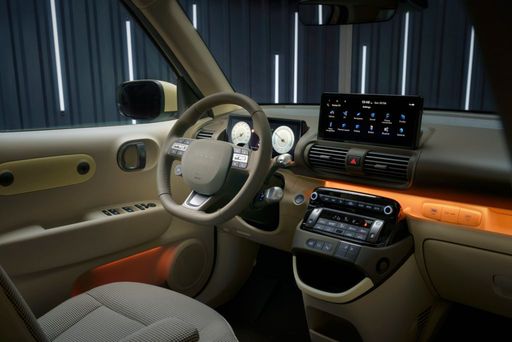
The cabin of the Hyundai Inster feels playful and well‑equipped for its price, but closer inspection reveals hard plastics and trims that remind you of the Inster’s cost‑conscious packaging, while its generous driver aids punch above class expectations. The Kia EV2’s interior projects a more solid, restrained quality with tactile controls, a clearer HMI layout and generally quieter ambience that enhances perceived refinement. Infotainment trade‑offs matter: the Hyundai Inster offers lots of kit early, though some smartphone functions may be wired‑only, whereas the Kia EV2 standardises wireless integration and a simpler control layout but buries some desirable options behind higher trims. If cabin polish and a hushed cruise are priorities, the Kia EV2 feels more premium; if tech density and bang‑for‑the‑buck safety systems are the selling points, the Hyundai Inster wins on immediate equipment value.

Who each car suits and what to check next

Choose the Hyundai Inster if you’re a city‑first buyer who values minimal running costs, compact footprint and high equipment levels for a modest outlay—the Hyundai Inster is the pragmatic, economical urbanist’s pick. Opt for the Kia EV2 if you need a more comfortable daily commuter that lives well between town and motorway, carries a full family on occasion and rewards you with quieter long runs and extra performance when you ask for it. Both the Hyundai Inster and the Kia EV2 have sensible options that change the equation—battery choice, AC charging and seat configuration—so a focused test drive and a look at the specific trim content will show which compromises you’ll live with. With those practical buyer‑fit points in mind, the technical comparison that follows will make the numbers behind these trade‑offs easier to evaluate.

Here’s where it gets real: The technical differences in detail

EV2

Costs and Efficiency:

Price and efficiency are key factors when choosing a car – and this is often where the real differences emerge.

Hyundai Inster is somewhat cheaper – starting at 20,500 £ , while the Kia EV2 costs 22,800 £ . That’s a price difference of around 2,315 £.

In terms of energy consumption, the Hyundai Inster is only slightly more efficient: consuming 14.3 kWh/100km compared to 15.1 kWh/100km for the Kia EV2. That’s a difference of about 0.8 kWh/100km.

As for electric range, the Kia EV2 offers a bit more range – reaching up to 453 km, about 83 km more than the Hyundai Inster.

Inster

Engine and Performance:

Under the bonnet, it becomes clear which model is tuned for sportiness and which one takes the lead when you hit the accelerator.

When it comes to engine power, the Kia EV2 offers noticeably more power – delivering 147 HP compared to 115 HP. That’s roughly 32 HP more horsepower.

When accelerating from 0 to 100 km/h, the Kia EV2 is markedly quicker – completing the sprint in 8.7 s, while the Hyundai Inster takes 10.6 s. That’s about 1.9 s quicker.

There’s also a difference in torque: the Kia EV2 delivers substantially more torque with 250 Nm compared to 147 Nm. That’s about 103 Nm more.

Space and Everyday Use:

Beyond pure performance, interior space and usability matter most in daily life. This is where you see which car is more practical and versatile.

Seats: Kia EV2 offers more seats – 5 vs 4.

In terms of curb weight, Hyundai Inster is moderately lighter – 1,380 kg compared to 1,620 kg. The difference is around 240 kg.

When it comes to payload, the Kia EV2 carries noticeably more – 475 kg compared to 357 kg. That’s a difference of about 118 kg.

Who wins the race in the data check?

The Kia EV2 is clearly superior overall in the objective data comparison.
This result only shows which model scores more points on paper – not which of the two cars feels right for you.

from £22,800
EV2

Kia EV2

  • Engine Type : Electric
  • Transmission : Automatic
  • Drive Type : Front-Wheel Drive
  • Power HP : 135 - 147 HP
  • Consumption kWh/100km : 15.1 - 16.3 kWh/100km
  • Electric Range : 317 - 453 km
Kia EV2
Hyundai Inster

Costs and Consumption

View detailed analysis

Engine and Performance

View detailed analysis

Dimensions and Body

View detailed analysis

Kia EV2

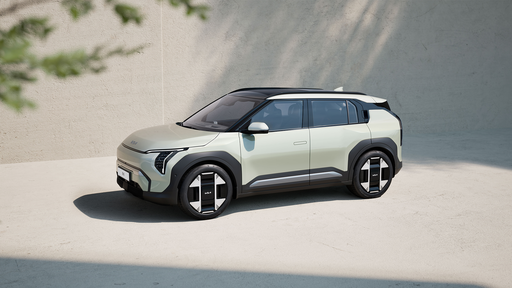
The Kia EV2 is a compact electric crossover aimed at buyers who want a practical, affordable EV with a modern, well-appointed cabin. It combines comfortable, predictable handling with straightforward tech and efficient everyday usability, making it a sensible choice for daily driving.

details

Hyundai Inster

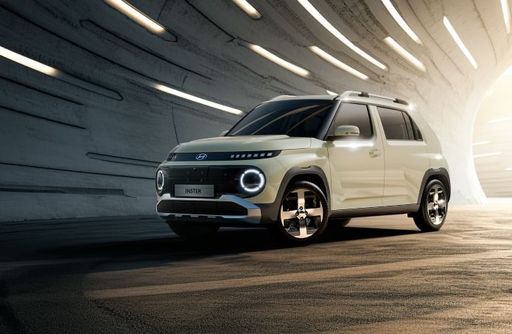
The Inster has quickly captured the attention of automotive enthusiasts with its striking design and dynamic performance. This model seamlessly blends advanced technology with comfort, making it an ideal choice for both daily commutes and adventurous road trips. With its spacious interior and innovative features, the Inster promises an exhilarating driving experience that doesn’t compromise on practicality.

details
Kia EV2
Hyundai Inster

Costs and Consumption

Price
22,800 - 31,600 £
Price
20,500 - 25,800 £
Consumption L/100km
-
Consumption L/100km
-
Consumption kWh/100km
15.1 - 16.3 kWh/100km
Consumption kWh/100km
14.3 - 15.1 kWh/100km
Electric Range
317 - 453 km
Electric Range
327 - 370 km
Battery Capacity
-
Battery Capacity
-
co2
0 g/km
co2
0 g/km
Fuel tank capacity
-
Fuel tank capacity
-

Dimensions and Body

Body Type
SUV
Body Type
SUV
Seats
4 - 5
Seats
4
Doors
-
Doors
-
Curb weight
1,620 - 1,625 kg
Curb weight
1,380 - 1,433 kg
Trunk capacity
-
Trunk capacity
238 - 280 L
Length
-
Length
-
Width
1,800 mm
Width
1,610 mm
Height
-
Height
-
Max trunk capacity
-
Max trunk capacity
-
Payload
400 - 475 kg
Payload
317 - 357 kg

Engine and Performance

Engine Type
Electric
Engine Type
Electric
Transmission
Automatic
Transmission
Automatic
Transmission Detail
Reduction Gearbox
Transmission Detail
Reduction Gearbox
Drive Type
Front-Wheel Drive
Drive Type
Front-Wheel Drive
Power HP
135 - 147 HP
Power HP
97 - 115 HP
Acceleration 0-100km/h
8.7 - 9.7 s
Acceleration 0-100km/h
10.6 - 11.7 s
Max Speed
-
Max Speed
-
Torque
250 Nm
Torque
147 Nm
Number of Cylinders
-
Number of Cylinders
-
Power kW
100 - 108 kW
Power kW
71 - 85 kW
Engine capacity
-
Engine capacity
-

General

Model Year
2026
Model Year
2025
CO2 Efficiency Class
A
CO2 Efficiency Class
A
Brand
Kia
Brand
Hyundai
DriveDuel uses data analysis and artificial intelligence to evaluate vehicle data and create content. Content is regularly reviewed and improved. The displayed prices are estimates based on German list prices, adjusted to the respective country’s VAT. Country-specific registration taxes are not included. This information is not legally binding.