VS

Kia EV2 vs Renault R4 comparison

Compare performance (147 HP vs 150 HP), boot space and price (22,800 £ vs 27,300 £ ) at a glance. Find out which car is the better choice for you – Kia EV2 or Renault R4?

Kia EV2 vs Renault R4: Key differences

Kia EV2

3.8 (1 Reviews)
rate
  • a bit cheaper
  • very slightly more electric range
details

Renault R4

5 (1 Reviews)
rate
  • very slightly more power
  • only slightly quicker 0–100 km/h
  • only slightly lighter
details

By Achim Sedelmaier

EV2

Renault R4 vs Kia EV2: the small electric SUV face‑off

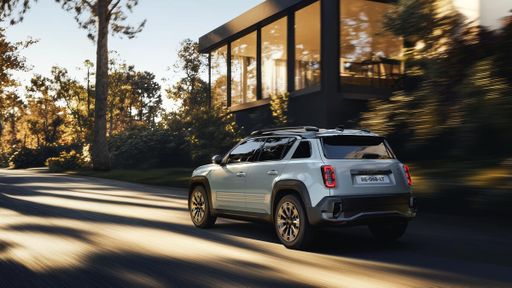
The Renault R4 and Kia EV2 target the same sweet spot: compact, efficient EVs that make daily driving easy. The Renault leans into charm and clever practicality, while the Kia feels roomier and more grown‑up on the move. In day‑to‑day use they overlap, but the Kia tends to travel a bit further between charges and usually starts cheaper. The Renault counters with a friendlier boot and an interface that’s refreshingly simple. Here’s how the differences play out where they actually matter.
R4

On the road: calm vs calmer

The Renault R4 feels light on its feet in town, responding keenly and threading through gaps with ease. Its suspension is comfort‑minded, though sharp urban edges can still be felt, and at motorway pace you notice more wind rustle than in the Kia. The Kia EV2 rides softer and settles quickly after bumps, giving it a quiet, almost larger‑car vibe on longer stints. It’s less talkative through the steering and rolls more in corners, but it trades that for a relaxed, unflustered character. If you want agility and a darty city feel, pick the Renault R4; for hush and composure over distance, the Kia EV2 suits better.

Space and comfort: back‑seat reality check

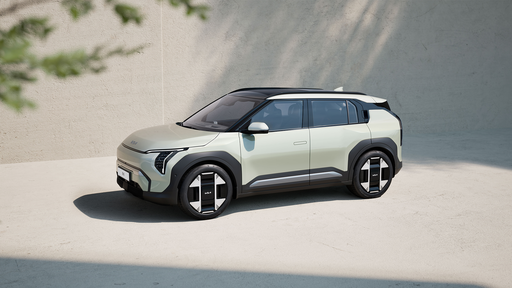
Up front, both feel airy, but the rear separates them. The Renault R4’s back bench is set low and taller adults will brush headliners and knees sooner, making it better for kids or short hops. The Kia EV2 offers more headroom and easier legroom management, and its upright glass gives a clearer view out for passengers and driver alike. Materials in both are solid rather than plush: the Renault trades on retro warmth, the Kia on tidy, modern functionality. Families with teens will be happier in the EV2, while a young family will find the R4 entirely workable.

Boot and usability: clever vs configurable

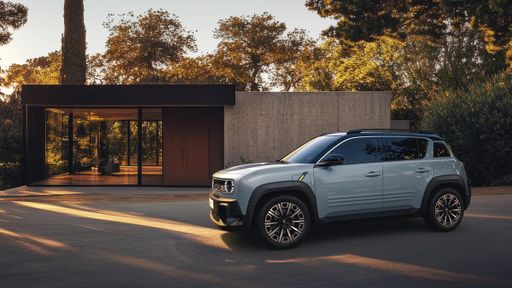
The Renault R4 nails everyday loading with a very low lip, wide opening and genuinely practical details that make lifting heavy stuff painless. There’s also a neat trick of taking long items thanks to its folding front passenger seat, though a step forms in the floor when you drop the rear bench and there’s no front storage. The Kia EV2’s cargo bay sits higher and is shallower, yet it fights back with a variable floor, better rear visibility for stress‑free parking and, in some trims, a small front compartment. Optional sliding rear seats in certain markets add flexibility for the Kia at the expense of outright simplicity. If you value easy loading and fuss‑free packing, the Renault R4 edges it; if you want seating tricks and clearer sightlines, the Kia EV2 appeals.

Tech, charging and efficiency: ease vs options

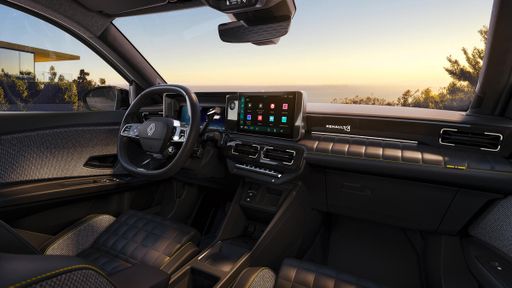
Both sip energy sensibly in mixed driving, but the Kia EV2 tends to stretch its range a touch further in the real world. The Renault R4’s Google‑based system is fast, logical and backed by physical climate controls, making daily use wonderfully straightforward, though its camera quality and rearward view can frustrate. The Kia’s three‑screen setup is intuitive and smartphone‑friendly, but the built‑in navigation can feel fiddly and many desirable features sit in option packs. Crucially for urban users, the EV2 can be had with faster AC charging and useful vehicle‑to‑load capability, shortening stops and adding flexibility; the R4’s rapid‑charge pace is more modest, which slows long‑trip progress. Pick Renault for tech that feels simple and sorted out of the box; pick Kia if you want more charging choices and are willing to configure them.

Costs and buyer fit: choose your priorities

The Kia EV2 typically undercuts the Renault R4 on entry price, delivering a lot of calm, space and efficiency for the money, though adding the best options quickly narrows that gap. The Renault R4’s value comes from how easy it is to live with: kinder boot ergonomics, straightforward controls and a relaxed temperament that suits urban and suburban life. Long commuters and quieter‑cabin seekers will lean Kia, as will families needing adult‑friendly rear space and more charging flexibility. City‑centric buyers who prize nimbleness, loading ease and simple tech will feel right at home in the Renault. If you’re split between them, the upcoming technical comparison of performance, range and charging will highlight which set of trade‑offs maps closest to your everyday drives.

Here’s where it gets real: The technical differences in detail

EV2

Costs and Efficiency:

Price and efficiency are key factors when choosing a car – and this is often where the real differences emerge.

Kia EV2 is a bit cheaper – starting at 22,800 £ , while the Renault R4 costs 27,300 £ . That’s a price difference of around 4,525 £.

When it comes to electricity consumption, both models perform equally – each averaging 15.1 kWh/100km.

As for electric range, the Kia EV2 offers very slightly more range – reaching up to 453 km, about 44 km more than the Renault R4.

R4

Engine and Performance:

Power, torque and acceleration are the classic benchmarks for car enthusiasts – and here, some clear differences start to show.

When it comes to engine power, the Renault R4 offers very slightly more power – delivering 150 HP compared to 147 HP. That’s roughly 3 HP more horsepower.

When accelerating from 0 to 100 km/h, the Renault R4 is only slightly quicker – completing the sprint in 8.2 s, while the Kia EV2 takes 8.7 s. That’s about 0.5 s quicker.

There’s also a difference in torque: the Kia EV2 delivers marginally more torque with 250 Nm compared to 245 Nm. That’s about 5 Nm more.

Space and Everyday Use:

Whether family car or daily driver – which one offers more room, flexibility and comfort?

Both vehicles offer seating for 5 people.

In terms of curb weight, Renault R4 is only slightly lighter – 1,510 kg compared to 1,620 kg. The difference is around 110 kg.

When it comes to payload, the Kia EV2 carries barely more – 475 kg compared to 443 kg. That’s a difference of about 32 kg.

Who wins the race in the data check?

The Kia EV2 shows a few small advantages in the objective data comparison.
This result only shows which model scores more points on paper – not which of the two cars feels right for you.

from £22,800
EV2

Kia EV2

  • Engine Type Electric
  • Transmission Automatic
  • Drive Type Front-Wheel Drive
  • Power HP 135 - 147 HP
  • Consumption kWh/100km 15.1 - 16.3 kWh/100km
  • Electric Range 317 - 453 km
Kia EV2
Renault R4

Costs and Consumption

View detailed analysis

Engine and Performance

View detailed analysis

Dimensions and Body

View detailed analysis

Kia EV2

The Kia EV2 is a compact electric crossover aimed at buyers who want a practical, affordable EV with a modern, well-appointed cabin. It combines comfortable, predictable handling with straightforward tech and efficient everyday usability, making it a sensible choice for daily driving.

details

Renault R4

The Renault R4, affectionately known as the "R4," is a quintessential symbol of French automotive simplicity and practicality. This classic compact car, originally introduced in the early 1960s, won over numerous enthusiasts with its versatile design and dependable performance. Its no-frills charm and robust build made it a beloved choice for rural drivers and city dwellers alike, cementing its status as an iconic piece of automotive history.

details
Kia EV2
Renault R4

Costs and Consumption

Price
22,800 - 31,600 £
Price
27,300 - 32,800 £
Consumption L/100km
-
Consumption L/100km
-
Consumption kWh/100km
15.1 - 16.3 kWh/100km
Consumption kWh/100km
15.1 kWh/100km
Electric Range
317 - 453 km
Electric Range
409 km
Battery Capacity
-
Battery Capacity
-
co2
0 g/km
co2
0 g/km
Fuel tank capacity
-
Fuel tank capacity
-

Dimensions and Body

Body Type
SUV
Body Type
SUV
Seats
4 - 5
Seats
2 - 5
Doors
-
Doors
-
Curb weight
1,620 - 1,625 kg
Curb weight
1,510 - 1,537 kg
Trunk capacity
-
Trunk capacity
420 - 1,045 L
Length
-
Length
-
Width
1,800 mm
Width
1,808 mm
Height
-
Height
-
Max trunk capacity
-
Max trunk capacity
-
Payload
400 - 475 kg
Payload
385 - 443 kg

Engine and Performance

Engine Type
Electric
Engine Type
Electric
Transmission
Automatic
Transmission
Automatic
Transmission Detail
Reduction Gearbox
Transmission Detail
Reduction Gearbox
Drive Type
Front-Wheel Drive
Drive Type
Front-Wheel Drive
Power HP
135 - 147 HP
Power HP
150 HP
Acceleration 0-100km/h
8.7 - 9.7 s
Acceleration 0-100km/h
8.2 s
Max Speed
-
Max Speed
-
Torque
250 Nm
Torque
245 Nm
Number of Cylinders
-
Number of Cylinders
-
Power kW
100 - 108 kW
Power kW
110 kW
Engine capacity
-
Engine capacity
-

General

Model Year
2026
Model Year
2,025 - 2,026
CO2 Efficiency Class
A
CO2 Efficiency Class
A
Brand
Kia
Brand
Renault
DriveDuel uses data analysis and artificial intelligence to evaluate vehicle data and create content. Content is regularly reviewed and improved. The displayed prices are estimates based on German list prices, adjusted to the respective country’s VAT. Country-specific registration taxes are not included. This information is not legally binding.