VS

Kia XCeed vs Renault Captur comparison

Compare performance (180 HP vs 158 HP), boot space and price (23,100 £ vs 21,400 £ ) at a glance. Find out which car is the better choice for you – Kia XCeed or Renault Captur?

Kia XCeed vs Renault Captur: Key differences

Kia XCeed

4.5 (3 Reviews)
rate
  • slightly more power
  • very slightly quicker 0–100 km/h
  • marginally more trunk space
details

Renault Captur

4.8 (7 Reviews)
rate
  • very slightly cheaper
  • substantially more efficient
  • very slightly lighter
details

All details on performance, efficiency, range and trunk space can be found in the technical comparison below – including user reviews for both models.

By Achim Sedelmaier

XCeed

Quick take: Kia XCeed VS Renault Captur — which suits your everyday life?

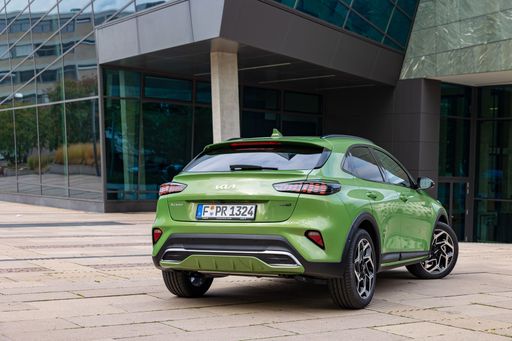
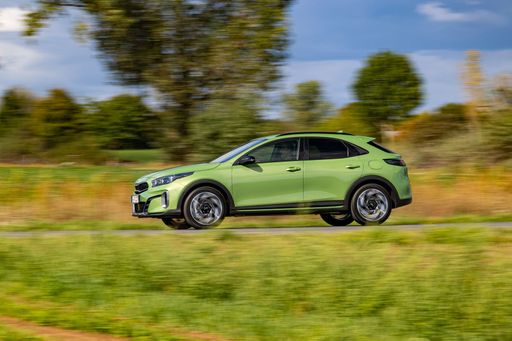
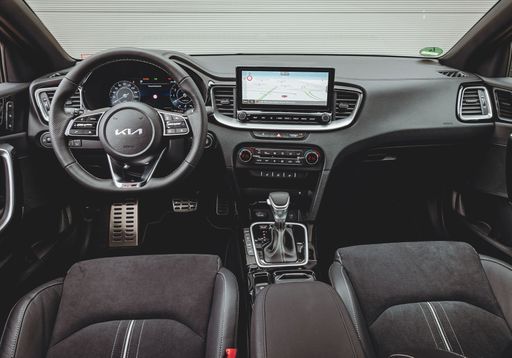
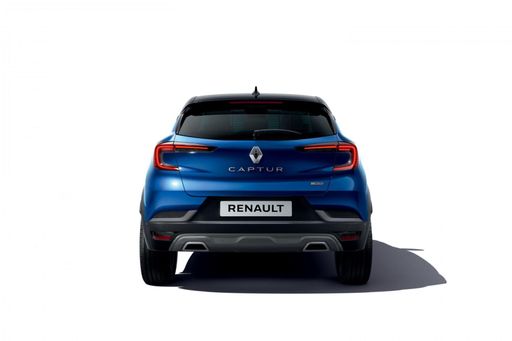
Kia XCeed VS Renault Captur sets up a classic clash: one leans toward composed highway comfort and generous equipment, the other toward urban versatility and hybrid efficiency. The Kia XCeed arrives with a reassuringly solid cabin, tactile controls and an emphasis on relaxed long-distance cruising. The Renault Captur answers with clever packaging, a sliding rear bench and a very modern, Google‑centric infotainment experience that feels at home in the city. In short, the XCeed trades a little rear-room and outright frugality for refinement and kit, while the Captur trades some haptic simplicity for modularity and lower running costs in hybrid form.
Captur

Driving character: composed cruiser versus urbane hybrid

The Kia XCeed tilts toward a composed, motorway‑friendly character with good insulation and steady high‑speed manners, so it feels more confident on long runs and motorway overtakes. The Renault Captur is tuned for urban life: its hybrid setups allow long stretches of quiet, electric‑leaning progress around town and make city commuting pleasantly easy. Where the XCeed feels stronger and more planted under hard acceleration, the Captur rewards economical driving and easy, relaxed inputs. Buyers who value spirited on‑road shove and low NVH on the motorway will prefer the XCeed; those who prioritise urban calm and economy will find the Captur more attractive.

XCeed

Cabin feel and perceived quality: tactile solidity vs modern digital polish

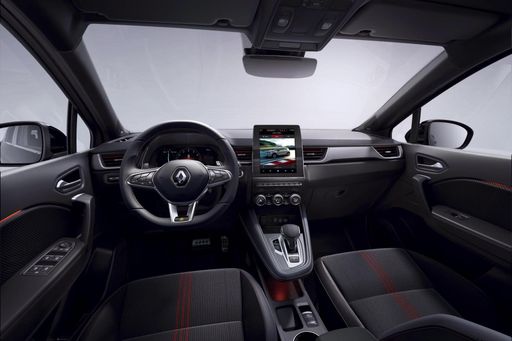
The Kia XCeed’s cabin aims for reassuring solidity — physical buttons, clear menus and a generally premium feel for the segment that calms daily use and makes controls intuitive without hunting through screens. The Renault Captur leans into a cleaner, software-led presentation with a big Google‑based screen and slick voice features that feel contemporary but give up a few physical controls, which some buyers miss. Rear passengers notice the difference: Captur’s sliding bench boosts practicality and daylight perception, while the XCeed’s rear is a touch cosier and a bit darker. If you prefer traditional ergonomics and tactile quality, the XCeed wins on feel; if you prize modern connectivity and configurable space, the Captur takes the edge.

Captur

Practicality and family usability: sliding bench versus straightforward boot

Practical differences are tangible: the Renault Captur’s sliding rear seat and double‑floor thinking let you prioritise passenger space or cargo in daily life, which helps family routines and weekend errands. The Kia XCeed counters with a straight‑forward, well shaped boot and pragmatic storage that makes loading everyday items easy and predictable; beware that electrified variants will cut into that cargo flexibility. Both cars have Isofix outer anchors and sensible trunk shapes for child seats and pushchairs, but Captur’s higher load lip and some dim boot lighting are recurring annoyances. Families who shuffle people and shopping will appreciate Captur’s modularity, while buyers who value simple, usable luggage space will favour the XCeed.

XCeed

City friendliness versus long‑distance comfort: where each car shines

In tight urban environments the Renault Captur feels more at home thanks to agile steering, compact dimensions and hybrid modes that reduce fuel use and engine noise on short trips. The Kia XCeed is still city‑capable with good visibility aids and parking tech, but its strengths reveal themselves on longer stints: superior sound insulation and a settled ride make motorway hours less fatiguing. Both suffer from limited rearward visibility to varying degrees, so you’ll likely rely on cameras in either car, but the Captur’s elevated seating and sliding bench help getting kids in and out. If your driving life is mainly urban errands and short commutes, Captur gives a smoother ownership rhythm; if you spend more time on highways, XCeed returns calmer, more comfortable miles.

Captur

Which buyer should pick which car — a practical decision framework

Choose the Kia XCeed if you want a quietly refined cruiser with tactile controls, lots of standard equipment and a sense of solidity for long commutes and motorway work. Opt for the Renault Captur if you prioritise flexible interior packaging, modern connectivity and hybrid efficiency for predominantly urban driving and family shuttles. Both models make sensible compromises, so the deciding question becomes whether you prefer XCeed’s long‑distance composure and traditional ergonomics or Captur’s room‑shuffling practicality and city‑centric running costs. Below this editorial comparison the technical section drills into drivetrain, consumption and boot numbers so you can match those real‑world tendencies to the spec that matters for your daily use.

Here’s where it gets real: The technical differences in detail

XCeed

Costs and Efficiency:

Looking at overall running costs, both models reveal some interesting differences in everyday economy.

Renault Captur is very slightly cheaper – starting at 21,400 £ , while the Kia XCeed costs 23,100 £ . That’s a price difference of around 1,749 £.

Fuel consumption also shows a difference: the Renault Captur uses 4.4 L/100km and is substantially more efficient than the Kia XCeed with 6.3 L/100km. The difference is about 1.9 L/100km.

Captur

Engine and Performance:

Power, torque and acceleration are the classic benchmarks for car enthusiasts – and here, some clear differences start to show.

When it comes to engine power, the Kia XCeed offers slightly more power – delivering 180 HP compared to 158 HP. That’s roughly 22 HP more horsepower.

When accelerating from 0 to 100 km/h, the Kia XCeed is very slightly quicker – completing the sprint in 8.5 s, while the Renault Captur takes 8.9 s. That’s about 0.4 s quicker.

Both models offer the same torque – 265 Nm.

XCeed

Space and Everyday Use:

Whether family car or daily driver – which one offers more room, flexibility and comfort?

Both vehicles offer seating for 5 people.

In terms of curb weight, Renault Captur is very slightly lighter – 1,323 kg compared to 1,351 kg. The difference is around 28 kg.

Looking at boot space, the Kia XCeed offers marginally more boot space – 426 L compared to 422 L. That’s a difference of about 4 L.

When it comes to payload, the Kia XCeed carries marginally more – 485 kg compared to 453 kg. That’s a difference of about 32 kg.

Who wins the race in the data check?

The Renault Captur is clearly superior overall in the objective data comparison.
This result only shows which model scores more points on paper – not which of the two cars feels right for you.

from £21,400
Captur

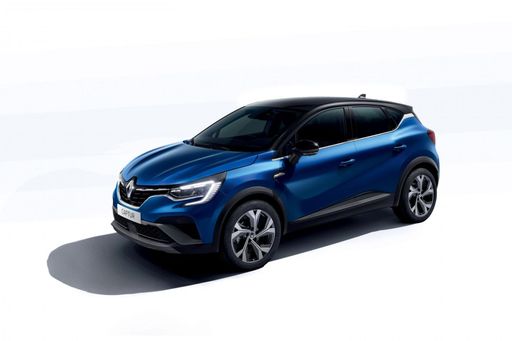
Renault Captur

  • Engine Type Full Hybrid, Petrol, Petrol MHEV
  • Transmission Automatic, Manuel
  • Drive Type Front-Wheel Drive
  • Power HP 115 - 158 HP
  • Consumption L/100km 4.4 - 6 L/100km
Kia XCeed
Renault Captur

Costs and Consumption

View detailed analysis

Engine and Performance

View detailed analysis

Dimensions and Body

View detailed analysis

Kia XCeed

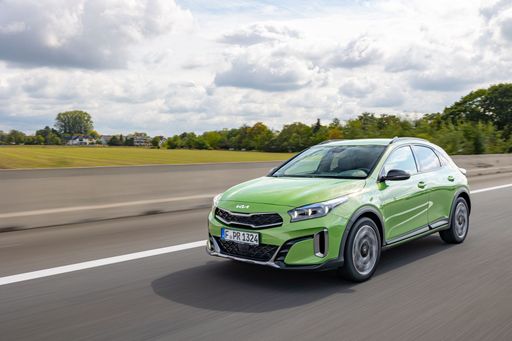
Kia XCeed blends hatchback agility with a coupe-like stance, wrapping practical space in a handsome, modern package that punches above its class in style. It’s an easygoing everyday companion — comfy, well-equipped and priced to make sensible buyers smile — with just enough spark to keep weekend drives interesting.

details

Renault Captur

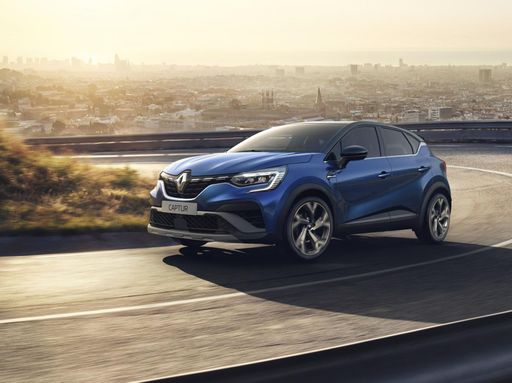
The Renault Captur is a stylish and practical compact crossover that combines a high seating position and easy manoeuvrability with a comfortable, well‑equipped cabin. Its flexible interior layout and modern infotainment make it a sensible, polished choice for city drivers and small families.

details
Kia XCeed
Renault Captur

Costs and Consumption

Price
23,100 - 33,000 £
Price
21,400 - 28,600 £
Consumption L/100km
6.3 - 6.8 L/100km
Consumption L/100km
4.4 - 6 L/100km
Consumption kWh/100km
-
Consumption kWh/100km
-
Electric Range
-
Electric Range
-
Battery Capacity
-
Battery Capacity
-
co2
143 - 155 g/km
co2
100 - 137 g/km
Fuel tank capacity
-
Fuel tank capacity
-

Dimensions and Body

Body Type
SUV
Body Type
SUV
Seats
5
Seats
5
Doors
-
Doors
-
Curb weight
1,351 - 1,419 kg
Curb weight
1,323 - 1,441 kg
Trunk capacity
380 - 426 L
Trunk capacity
326 - 422 L
Length
-
Length
-
Width
1,826 mm
Width
1,797 mm
Height
-
Height
-
Max trunk capacity
-
Max trunk capacity
-
Payload
471 - 485 kg
Payload
447 - 453 kg

Engine and Performance

Engine Type
Petrol, Petrol MHEV
Engine Type
Full Hybrid, Petrol, Petrol MHEV
Transmission
Manuel, Automatic
Transmission
Automatic, Manuel
Transmission Detail
Manual Gearbox, Dual-Clutch Automatic
Transmission Detail
Automatic Gearbox, Manual Gearbox, Dual-Clutch Automatic
Drive Type
Front-Wheel Drive
Drive Type
Front-Wheel Drive
Power HP
115 - 180 HP
Power HP
115 - 158 HP
Acceleration 0-100km/h
8.5 - 12.2 s
Acceleration 0-100km/h
8.9 - 12.3 s
Max Speed
-
Max Speed
-
Torque
200 - 265 Nm
Torque
160 - 265 Nm
Number of Cylinders
3 - 4
Number of Cylinders
3 - 4
Power kW
85 - 132 kW
Power kW
84 - 116 kW
Engine capacity
998 - 1,598 cm3
Engine capacity
1,199 - 1,789 cm3

General

Model Year
2,025 - 2,026
Model Year
2025
CO2 Efficiency Class
E
CO2 Efficiency Class
C, D, E
Brand
Kia
Brand
Renault
DriveDuel uses data analysis and artificial intelligence to evaluate vehicle data and create content. Content is regularly reviewed and improved. The displayed prices are estimates based on German list prices, adjusted to the respective country’s VAT. Country-specific registration taxes are not included. This information is not legally binding.