VS

Land Rover Range Rover Velar vs XPeng G9 comparison

Compare performance (404 HP vs 575 HP), boot space and price (62,000 £ vs 51,100 £ ) at a glance. Find out which car is the better choice for you – Land Rover Range Rover Velar or XPeng G9?

Land Rover Range Rover Velar vs XPeng G9: Key differences

Land Rover Range Rover Velar

  • a bit lighter

XPeng G9

4.6 (3 Reviews)
rate
  • noticeably cheaper
  • visibly more power
  • considerably more electric range
  • noticeably quicker 0–100 km/h

All details on performance, efficiency, range and trunk space can be found in the technical comparison below – including user reviews for both models.

Range Rover Velar

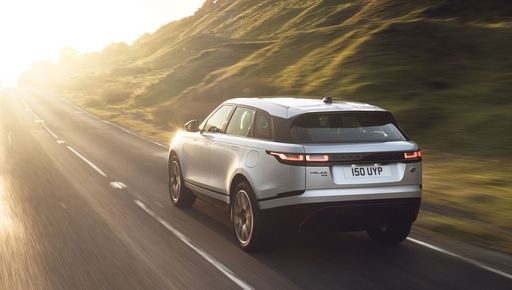
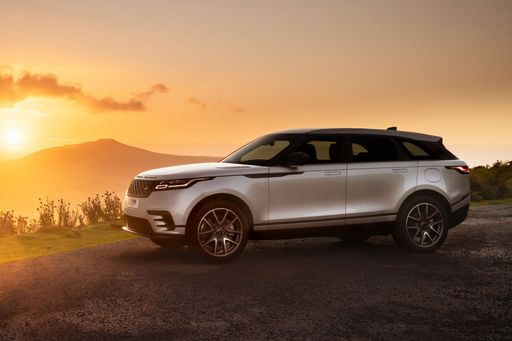
When it comes to the world of SUVs, few names carry the prestige of Land Rover and XPeng. The Land Rover Range Rover Velar and the XPeng G9 represent two distinct philosophies in modern automotive engineering. One is steeped in tradition and luxury, while the other heralds the dawn of electric innovation. This article will delve into a detailed comparison of these two remarkable vehicles, assessing their technical specifications and innovations.
G9

Design and Dimensions

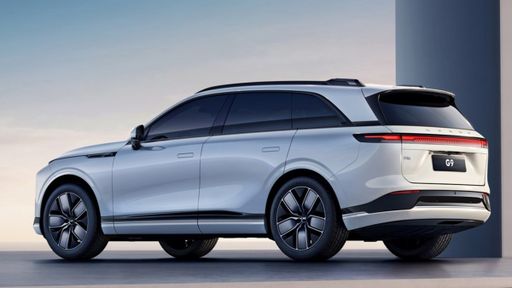
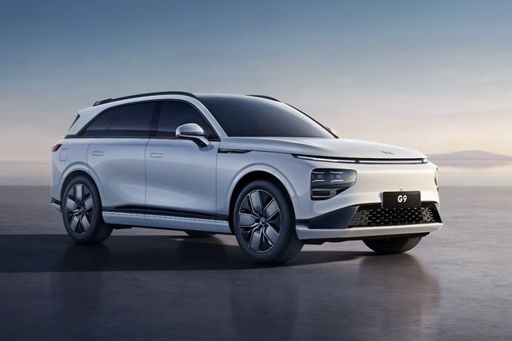
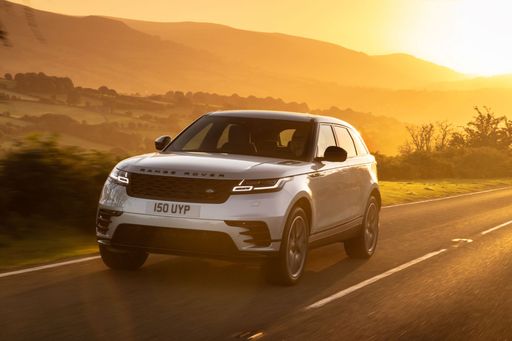
Both the Velar and G9 are striking examples of contemporary SUV design. The Velar, with a length of 4,797 mm, width of 1,933 mm, and height ranging from 1,657 mm to 1,665 mm, projects an elegant yet muscular stance. In contrast, the G9 is slightly larger, at 4,891 mm long, 1,937 mm wide, and standing at 1,670 mm to 1,680 mm high. The sleek lines of the G9 signify its electric heritage, combining aerodynamic efficiency with modern aesthetics.

Range Rover Velar

Performance: Power and Efficiency

The Range Rover Velar offers a diverse range of powertrains, with options including diesel and petrol MHEVs and plug-in hybrids. The power ranges from 204 HP in the entry-level model to a robust 404 HP in the top-of-the-line variant. With an impressive torque output of up to 650 Nm and all-wheel drive, the Velar promises both power and handling capabilities.

On the other hand, the XPeng G9 is fully electric, available in configurations delivering from 313 HP to a thrilling 551 HP. Acceleration is particularly noteworthy in the G9, achieving 0-100 km/h in just 3.9 seconds for the performance model. With a maximum torque of 717 Nm, it sets itself apart as a powerhouse in the electric SUV market. The G9 benefits from lower consumption rates, ranging from 19.4 kWh/100km, which underscores its efficiency.

G9

Electric Range and Battery Capacity

While the Velar boasts hybrid options with a limited electric range of 61 km, the G9 shines with an impressive range of 460 km to 570 km, depending on the battery configuration (75.8 kWh or 93.1 kWh). The G9’s electric capabilities position it well for both urban and longer-distance travel without the anxiety traditionally associated with electric vehicles.

Range Rover Velar

Interior and Comfort

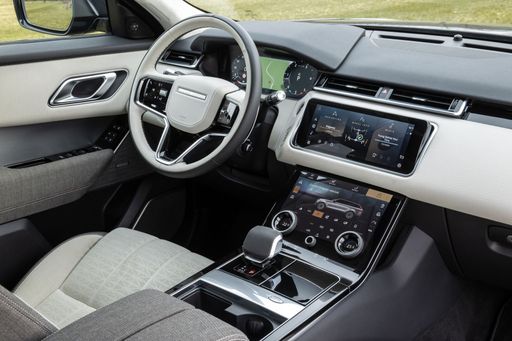
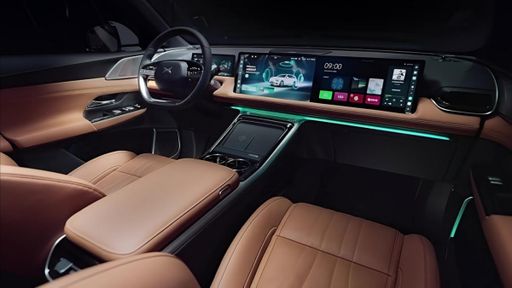
Inside, the Velar is renowned for its luxurious appointments and comfort, featuring a spacious trunk capacity of up to 552 liters and accommodating five passengers. The cabin showcases high-quality materials, advanced infotainment systems, and a refined aesthetic that exudes sophistication.

The XPeng G9, with its larger trunk capacity of 660 liters, also provides ample space for passengers and cargo, emphasizing practical comfort alongside modern technology. Its interior includes cutting-edge infotainment features with a strong focus on connectivity and convenience, which is characteristic of the brand.

G9

Safety and Technology Innovations

In terms of safety, both vehicles come equipped with advanced driver-assistance systems. The Velar offers features such as adaptive cruise control and lane-keeping assist, enhancing driving comfort and safety on the roads.

Conversely, the G9 pushes the boundaries with its autonomous driving capabilities, integrating advanced AI technology for a semi-autonomous driving experience. XPeng aims to revolutionize urban commuting with its pioneering approach to vehicle automation.

Range Rover Velar

Conclusion: Tradition Meets Innovation

The Land Rover Range Rover Velar and XPeng G9 each offer attractive packages for different consumer preferences. The Velar remains a legacy symbol of luxury and performance, allowing drivers to enjoy the classic SUV experience, while the G9 represents a progressive leap into the electric future, combining robust performance with cutting-edge technology.

Ultimately, choosing between the two will depend on individual values: heritage and luxury versus innovation and sustainability. The battle of SUVs is not just about specifications but about what the future holds for drivers worldwide.

Here’s where it gets real: The technical differences in detail

Range Rover Velar

Costs and Efficiency:

Price and efficiency are often the first things buyers look at. Here it becomes clear which model has the long-term edge – whether at the pump, the plug, or in purchase price.

XPeng G9 is noticeably cheaper – starting at 51,100 £ , while the Land Rover Range Rover Velar costs 62,000 £ . That’s a price difference of around 10,886 £.

As for electric range, the XPeng G9 offers considerably more range – reaching up to 585 km, about 527 km more than the Land Rover Range Rover Velar.

G9

Engine and Performance:

Under the bonnet, it becomes clear which model is tuned for sportiness and which one takes the lead when you hit the accelerator.

When it comes to engine power, the XPeng G9 offers visibly more power – delivering 575 HP compared to 404 HP. That’s roughly 171 HP more horsepower.

When accelerating from 0 to 100 km/h, the XPeng G9 is noticeably quicker – completing the sprint in 4.2 s, while the Land Rover Range Rover Velar takes 5.4 s. That’s about 1.2 s quicker.

There’s also a difference in torque: the XPeng G9 delivers marginally more torque with 695 Nm compared to 650 Nm. That’s about 45 Nm more.

Range Rover Velar

Space and Everyday Use:

Whether family car or daily driver – which one offers more room, flexibility and comfort?

Both vehicles offer seating for 5 people.

In terms of curb weight, Land Rover Range Rover Velar is a bit lighter – 2,003 kg compared to 2,210 kg. The difference is around 207 kg.

When it comes to payload, the Land Rover Range Rover Velar carries moderately more – 587 kg compared to 520 kg. That’s a difference of about 67 kg.

Who wins the race in the data check?

The XPeng G9 is decisively ahead in the objective data comparison.
This result only shows which model scores more points on paper – not which of the two cars feels right for you.

from £51,100
G9

XPeng G9

  • Engine Type : Electric
  • Transmission : Automatic
  • Drive Type : Rear-Wheel Drive, All-Wheel Drive
  • Power HP : 351 - 575 HP
  • Consumption kWh/100km : 18.4 - 20.1 kWh/100km
  • Electric Range : 502 - 585 km
Land Rover Range Rover Velar
XPeng G9

Costs and Consumption

View detailed analysis

Engine and Performance

View detailed analysis

Dimensions and Body

View detailed analysis

Land Rover Range Rover Velar

The Range Rover Velar marries sleek, pared-back styling with genuine off-road poise, so it looks at home in the city yet won’t flinch at rougher roads. Inside, a luxurious, tech-forward cabin pampers occupants while keeping the driving experience confidently in command — and yes, it somehow makes an SUV feel undeniably chic.

details

XPeng G9

The XPeng G9 feels like a confident leap into the electric SUV world, with sleek, purposeful styling and an interior that mixes modern tech with everyday comfort. On the road it’s calm and composed, serving up effortless pace and hushed refinement that turns long commutes into something you might actually enjoy — a strong pick for buyers who want electric convenience without compromise.

details
Land Rover Range Rover Velar
XPeng G9

Costs and Consumption

Price
62,000 - 87,400 £
Price
51,100 - 62,200 £
Consumption L/100km
4.5 - 10 L/100km
Consumption L/100km
-
Consumption kWh/100km
-
Consumption kWh/100km
18.4 - 20.1 kWh/100km
Electric Range
58 km
Electric Range
502 - 585 km
Battery Capacity
-
Battery Capacity
-
co2
103 - 228 g/km
co2
0 g/km
Fuel tank capacity
-
Fuel tank capacity
-

Dimensions and Body

Body Type
SUV
Body Type
SUV
Seats
5
Seats
5
Doors
-
Doors
-
Curb weight
2,003 - 2,280 kg
Curb weight
2,210 - 2,395 kg
Trunk capacity
-
Trunk capacity
660 L
Length
-
Length
-
Width
1,933 mm
Width
1,937 mm
Height
-
Height
-
Max trunk capacity
-
Max trunk capacity
-
Payload
460 - 587 kg
Payload
515 - 520 kg

Engine and Performance

Engine Type
Petrol MHEV, Plugin Hybrid, Diesel MHEV
Engine Type
Electric
Transmission
Automatic
Transmission
Automatic
Transmission Detail
Automatic Gearbox
Transmission Detail
Reduction Gearbox
Drive Type
All-Wheel Drive
Drive Type
Rear-Wheel Drive, All-Wheel Drive
Power HP
204 - 404 HP
Power HP
351 - 575 HP
Acceleration 0-100km/h
5.4 - 8.3 s
Acceleration 0-100km/h
4.2 - 6.6 s
Max Speed
-
Max Speed
-
Torque
430 - 650 Nm
Torque
465 - 695 Nm
Number of Cylinders
4 - 6
Number of Cylinders
-
Power kW
150 - 297 kW
Power kW
258 - 423 kW
Engine capacity
1,997 - 2,997 cm3
Engine capacity
-

General

Model Year
2,025 - 2,026
Model Year
2,025
CO2 Efficiency Class
G, C, F
CO2 Efficiency Class
A
Brand
Land Rover
Brand
XPeng
DriveDuel uses data analysis and artificial intelligence to evaluate vehicle data and create content. Content is regularly reviewed and improved. The displayed prices are estimates based on German list prices, adjusted to the respective country’s VAT. Country-specific registration taxes are not included. This information is not legally binding.