VS

XPeng G9 vs BYD Sealion 7 comparison

Compare performance (575 HP vs 530 HP), boot space and price (51100 £ vs 42800 £ ) at a glance. Find out which car is the better choice for you – XPeng G9 or BYD Sealion 7?

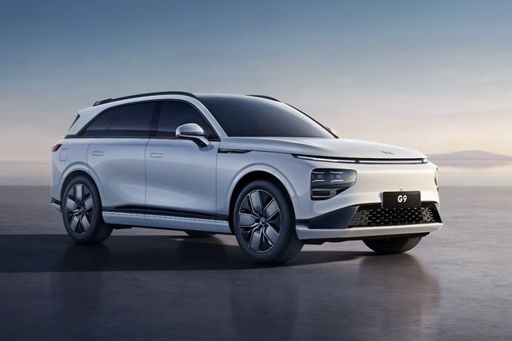
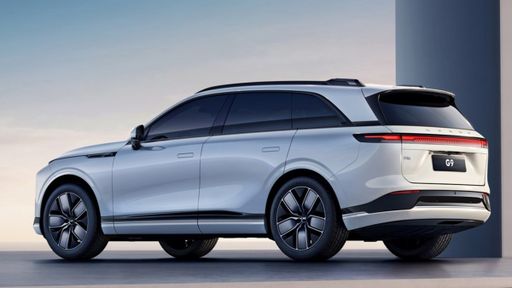
G9

Street Presence and Personality

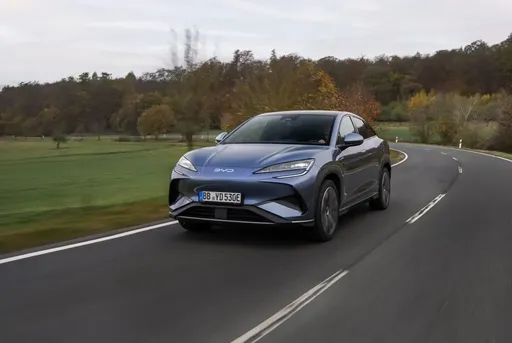
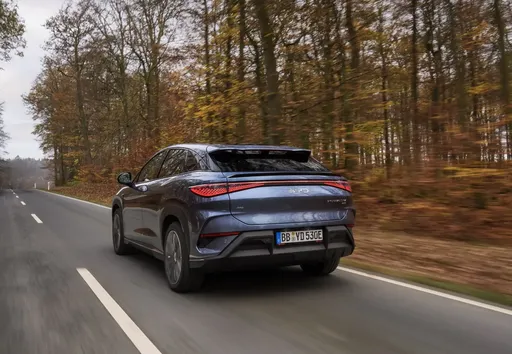
The XPeng G9 and the BYD Sealion 7 arrive with distinct attitudes: one leans into futuristic poise with sharp surfaces and a coupé-esque silhouette, the other balances clean elegance with a quietly confident stance. Both catch attention in different ways—one for its showy gestures, the other for its restrained sophistication—so your choice will say more about taste than practicality. Either way, you’re getting a car that looks like it belongs in the modern electric era rather than a warmed-over combustion-era design.
Sealion 7

What They Feel Like Behind the Wheel

On the move, the two reveal different characters: one prioritizes composed stability and a planted feel, the other trades a touch of that firmness for a livelier, more engaging demeanor. Steering and suspension tuning give each a personality—calmer and more assured versus a bit sportier and more responsive—so test drives will quickly tell you which temperament suits your daily routes. Neither feels out of place in urban traffic or on open roads, but their on-road moods are noticeably different.

G9

Cabin Atmosphere and Comfort

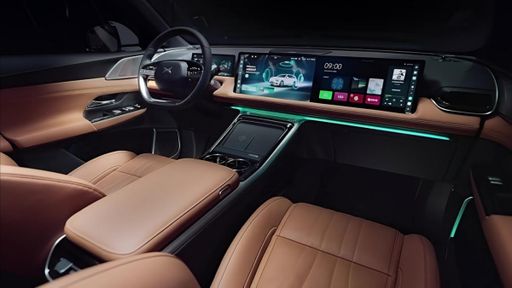
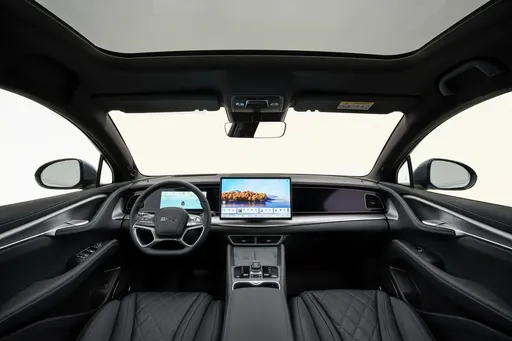
Inside, both cabins aim to soothe, but they take different paths: one creates a serene, hotel-lobby calm with soft touches and generous space, while the other emphasizes a modern, cockpit-forward vibe with tactile controls and supportive seating. Materials and layout feel considered in both, though one may seem slightly more upscale to passengers at first glance while the other impresses with ergonomics and clever storage. Long hours behind the wheel feel manageable in either, but your back and senses will reveal the real winner on a multi-hour drive.

Sealion 7

Everyday Practicality and Family Use

Practicality here is less about headline figures and more about how the cars live with you: both offer sensible entry points, flexible load options and family-friendly ergonomics that make shopping trips and school runs straightforward. One excels if you habitually lug bulky gear or want a little extra breathing room, while the other wins points for clever packaging and second-row comfort that keeps passengers happy. Either way, these are usable vehicles for real life—not just showroom ornaments.

G9

Tech, Screens and Usability

The infotainment and assistance suites are rich on both cars, but the experience is about more than screen size—it's how intuitive the software feels and whether the physical controls are sensibly placed. One system leans into a more immersive, futuristic interface that rewards familiarity, while the other keeps interactions straightforward and quick to learn. Expect both to impress in connectivity and safety aids, though the daily pleasure comes from how smoothly the tech integrates into your routine.

Sealion 7

Charging, Running and Ownership Vibes

Beyond the showroom, ownership boils down to convenience and confidence: charging habits, dealer support and perceived reliability matter more than headline claims. One model gives a slightly more relaxed long-range feel that suits frequent travelers, while the other offers a compelling ownership package for city-centric buyers who value cost-conscious operation. Either choice promises modern electric ownership without the old anxieties of early EV days.

Who Should Drive Which?

If you’re a style-conscious driver who wants a forward-looking cabin and a composed road demeanor, one of these will likely speak to you; if your priorities tilt toward energetic steering, clever packaging and a budget-minded purchase, the other will make more sense. Commuters, families, and long-distance cruisers will all find reasons to smile in both, so pick according to temperament rather than headline claims. Read on — the DriveDuel Champion will be revealed afterwards.

XPeng G9 vs BYD Sealion 7: Key differences

XPeng G9

4.6 (3 Reviews)
rate
  • barely noticeable more power
  • minimal more efficient
  • slightly more electric range
  • barely noticeable quicker from 0–100 km/h
  • hardly perceptible lighter
  • noticeable more trunk space

BYD Sealion 7

5 (2 Reviews)
rate
  • slightly cheaper

All details on performance, efficiency, range and trunk space can be found in the technical comparison below – including user reviews for both models.

Here’s where it gets real: The technical differences in detail

Costs and Efficiency:

Looking at overall running costs, both models reveal some interesting differences in everyday economy.

BYD Sealion 7 has a slightly advantage in terms of price – it starts at 42800 £ , while the XPeng G9 costs 51100 £ . That’s a price difference of around 8237 £.

In terms of energy consumption, the advantage goes to the XPeng G9: with 18.40 kWh per 100 km, it’s minimal more efficient than the BYD Sealion 7 with 19.90 kWh. That’s a difference of about 1.50 kWh.

As for electric range, the XPeng G9 performs slightly better – achieving up to 585 km, about 83 km more than the BYD Sealion 7.

Engine and Performance:

Power, torque and acceleration say a lot about how a car feels on the road. This is where you see which model delivers more driving dynamics.

When it comes to engine power, the XPeng G9 has a barely noticeable edge – offering 575 HP compared to 530 HP. That’s roughly 45 HP more horsepower.

In acceleration from 0 to 100 km/h, the XPeng G9 is barely noticeable quicker – completing the sprint in 4.20 s, while the BYD Sealion 7 takes 4.50 s. That’s about 0.30 s faster.

There’s also a difference in torque: XPeng G9 pulls minimal stronger with 695 Nm compared to 690 Nm. That’s about 5 Nm difference.

Space and Everyday Use:

Cabin size, boot volume and payload all play a role in everyday practicality. Here, comfort and flexibility make the difference.

Both vehicles offer seating for 5 people.

In curb weight, XPeng G9 is hardly perceptible lighter – 2210 kg compared to 2225 kg. The difference is around 15 kg.

In terms of boot space, the XPeng G9 offers noticeable more room – 660 L compared to 520 L. That’s a difference of about 140 L.

When it comes to payload, XPeng G9 evident takes the win – 520 kg compared to 410 kg. That’s a difference of about 110 kg.

Who wins the race in the data check?

The XPeng G9 holds a decisive overall lead in the objective data comparison.
This result only shows which model scores more points on paper – not which of the two cars feels right for you.

XPeng G9
BYD Sealion 7

Costs and Consumption

View detailed analysis

Engine and Performance

View detailed analysis

Dimensions and Body

View detailed analysis
from about £51,100
G9

XPeng G9

  • Engine Type : Electric
  • Transmission : Automatic
  • Drive Type : Rear-Wheel Drive, All-Wheel Drive
  • Power HP : 351 - 575 HP
  • Consumption kWh/100km : 18.4 - 20.1 kWh
  • Electric Range : 502 - 585 km

XPeng G9

4.6 (3 Reviews)
rate

The XPeng G9 feels like a confident leap into the electric SUV world, with sleek, purposeful styling and an interior that mixes modern tech with everyday comfort. On the road it’s calm and composed, serving up effortless pace and hushed refinement that turns long commutes into something you might actually enjoy — a strong pick for buyers who want electric convenience without compromise.

details

BYD Sealion 7

5 (2 Reviews)
rate

The Sealion 7 captivates with its striking design and impressive performance that appeals to both enthusiasts and casual drivers alike. With a focus on comfort and advanced technology, this model redefines the driving experience, making every journey enjoyable. Its sleek silhouette coupled with an innovative interior showcases the perfect blend of style and functionality.

details
XPeng G9
BYD Sealion 7

Costs and Consumption

Price
51100 - 62200 £
Price
42800 - 52300 £
Consumption L/100km
-
Consumption L/100km
-
Consumption kWh/100km
18.4 - 20.1 kWh
Consumption kWh/100km
19.9 - 21.9 kWh
Electric Range
502 - 585 km
Electric Range
456 - 502 km
Battery Capacity
-
Battery Capacity
-
co2
0 g/km
co2
0 g/km
Fuel tank capacity
-
Fuel tank capacity
-

Dimensions and Body

Body Type
SUV
Body Type
SUV
Seats
5
Seats
5
Doors
-
Doors
-
Curb weight
2210 - 2395 kg
Curb weight
2225 - 2435 kg
Trunk capacity
660 L
Trunk capacity
520 L
Length
-
Length
-
Width
1937 mm
Width
1925 mm
Height
-
Height
-
Max trunk capacity
-
Max trunk capacity
-
Payload
515 - 520 kg
Payload
410 kg

Engine and Performance

Engine Type
Electric
Engine Type
Electric
Transmission
Automatic
Transmission
Automatic
Transmission Detail
Reduction Gearbox
Transmission Detail
Reduction Gearbox
Drive Type
Rear-Wheel Drive, All-Wheel Drive
Drive Type
Rear-Wheel Drive, All-Wheel Drive
Power HP
351 - 575 HP
Power HP
313 - 530 HP
Acceleration 0-100km/h
4.2 - 6.6 s
Acceleration 0-100km/h
4.5 - 6.7 s
Max Speed
-
Max Speed
-
Torque
465 - 695 Nm
Torque
380 - 690 Nm
Number of Cylinders
-
Number of Cylinders
-
Power kW
258 - 423 kW
Power kW
230 - 390 kW
Engine capacity
-
Engine capacity
-

General

Model Year
2025
Model Year
2024
CO2 Efficiency Class
A
CO2 Efficiency Class
A
Brand
XPeng
Brand
BYD
What drive types are available for the XPeng G9?

Available configurations include Rear-Wheel Drive or All-Wheel Drive.

The prices shown are estimates based on German list prices, adjusted for local VAT. Local registration taxes (e.g. NoVA, BPM or CO2 malus) are not included. This information is not legally binding.