VS

Nissan Ariya vs BYD Sealion 7 - Differences and prices compared

Compare performance (435 HP vs 530 HP), boot space and price (37300 £ vs 42800 £ ) at a glance. Find out which car is the better choice for you – Nissan Ariya or BYD Sealion 7?

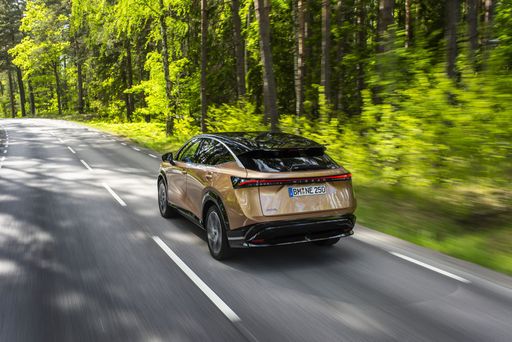
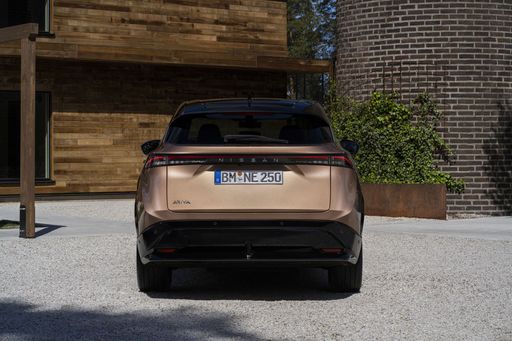
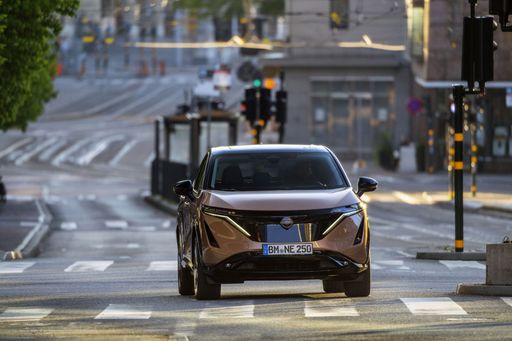
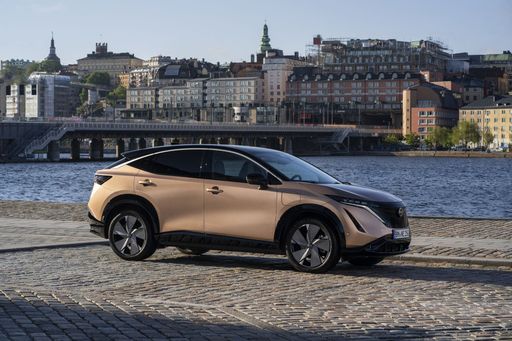
Ariya

A Clash of Electric Titans: Nissan Ariya vs BYD Sealion 7

In the rapidly evolving world of electric vehicles (EVs), two contenders stand out in the SUV segment: the Nissan Ariya and the BYD Sealion 7. Both bring impressive innovations and specifications to the table, aiming to cater to the eco-conscious yet performance-hungry driver. This article dives into a technical comparison, examining what each model has to offer in the electric SUV market.
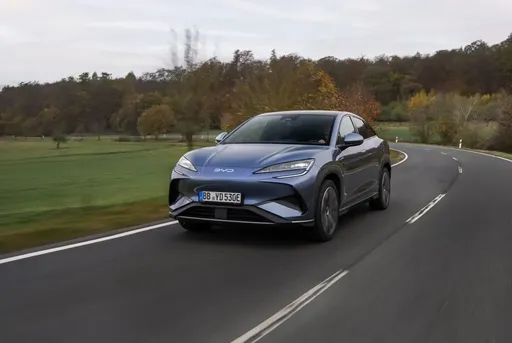
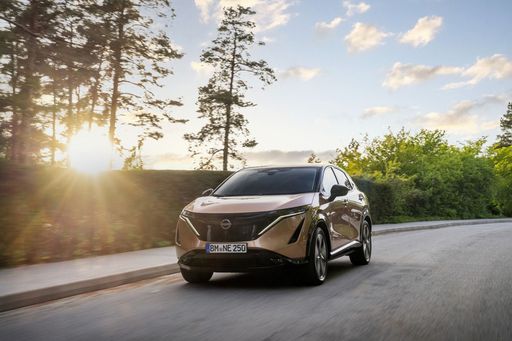
Sealion 7

Performance and Power

The Nissan Ariya offers a range of powertrain options, delivering between 218 HP to a whopping 435 HP. With its varied range, it provides flexibility in power, aligning with different driving preferences. The standard version starts with 218 HP and climbs to a robust 435 HP for those seeking more dynamic performance. The Ariya's torque ranges from 300 Nm to an impressive 600 Nm, ensuring quick acceleration and a responsive drive.

In contrast, the BYD Sealion 7 features powerful engines boasting 313 HP with a rear-wheel-drive variant and a substantial 530 HP in its all-wheel-drive configuration. Its torque offerings are equally competitive at 380 Nm and 690 Nm, capable of surging from 0 to 100 km/h in just 4.5 seconds for the high-performance model, justifying its claim as one of the swiftest in its class.

Ariya

Range and Efficiency

Electric range holds paramount importance in EVs, and here both the Ariya and Sealion 7 deliver promising figures. The Nissan Ariya offers a range spanning from 402 km up to 531 km, depending on the model and driving conditions. Its energy consumption ranges between 17.7 and 24.5 kWh/100 km, reflecting its efficiency in power usage.

Conversely, the BYD Sealion 7 provides a competitive range between 456 km and 502 km, alongside a slight increase in energy consumption at 19.9 to 21.9 kWh/100 km. While slightly less efficient than the top-of-the-line Ariya, its range remains impressive for those seeking long-distance travel without frequent recharges.

Sealion 7

Design and Dimensions

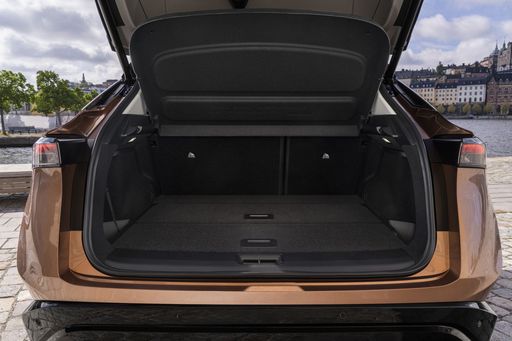
These electric SUVs showcase distinct design philosophies catered towards modern aesthetics and functionality. The Nissan Ariya sports a sleek, compact size measuring 4595 mm in length, 1850 mm in width, and 1650 mm in height, making it an agile urban cruiser while providing 468 to 415 liters of trunk capacity.

The BYD Sealion 7, on the other hand, offers a larger footprint with dimensions of 4830 mm in length, 1925 mm in width, and 1620 mm in height. Its bulkier size translates into a substantial 520-liter trunk space, accommodating those requiring extra cargo capacity.

Ariya

Technology and Innovation

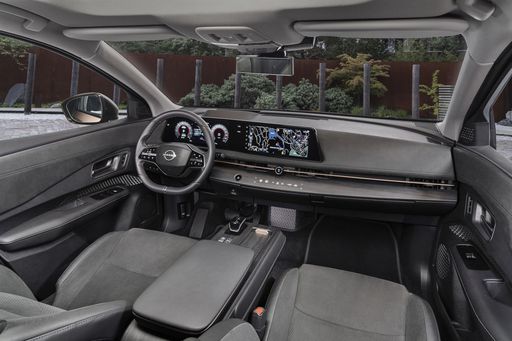
Innovation defines the era of EVs, and both vehicles shine in their technological prowess. The Nissan Ariya features a cutting-edge infotainment system with seamless smartphone integration and advanced driver-assistance technologies to enhance comfort and safety.

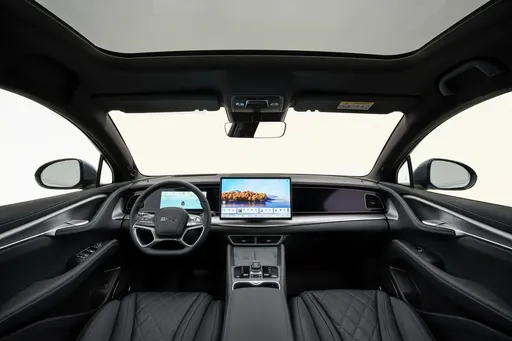
BYD's Sealion 7 competes robustly with its sophisticated user interface and an impressive array of driver-assistance features, including lane-keeping assistance and adaptive cruise control, ensuring a dynamic yet secure driving experience.

Sealion 7

Conclusion

The battle between the Nissan Ariya and the BYD Sealion 7 exemplifies the impressive strides made in the electric SUV market. The Ariya charms with its varied powertrains and superior efficiency, while the Sealion 7 excites with power and size, offering adventurous driving experiences. Whether you seek eco-efficiency or exhilarating performance, both models deliver compelling reasons to consider them for your next electric drive.

Nissan Ariya

5 (1 Reviews)
rate

BYD Sealion 7

5 (2 Reviews)
rate

Here’s where it gets real: The technical differences in detail

Ariya

Costs and Efficiency:

Price and efficiency are often the first things buyers look at. Here it becomes clear which model has the long-term edge – whether at the pump, the plug, or in purchase price.

Nissan Ariya has a slightly advantage in terms of price – it starts at 37300 £ , while the BYD Sealion 7 costs 42800 £ . That’s a price difference of around 5571 £.

In terms of energy consumption, the advantage goes to the Nissan Ariya: with 17.70 kWh per 100 km, it’s a bit more efficient than the BYD Sealion 7 with 19.90 kWh. That’s a difference of about 2.20 kWh.

As for electric range, the Nissan Ariya performs minimal better – achieving up to 531 km, about 29 km more than the BYD Sealion 7.

Engine and Performance:

Power, torque and acceleration say a lot about how a car feels on the road. This is where you see which model delivers more driving dynamics.

When it comes to engine power, the BYD Sealion 7 has a somewhat edge – offering 530 HP compared to 435 HP. That’s roughly 95 HP more horsepower.

In acceleration from 0 to 100 km/h, the BYD Sealion 7 is a bit quicker – completing the sprint in 4.50 s, while the Nissan Ariya takes 5 s. That’s about 0.50 s faster.

There’s also a difference in torque: BYD Sealion 7 pulls slightly stronger with 690 Nm compared to 600 Nm. That’s about 90 Nm difference.

Space and Everyday Use:

Beyond pure performance, interior space and usability matter most in daily life. This is where you see which car is more practical and versatile.

Both vehicles offer seating for 5 people.

In curb weight, Nissan Ariya is somewhat lighter – 1980 kg compared to 2225 kg. The difference is around 245 kg.

In terms of boot space, the BYD Sealion 7 offers minimal more room – 520 L compared to 468 L. That’s a difference of about 52 L.

When it comes to payload, Nissan Ariya slight takes the win – 420 kg compared to 410 kg. That’s a difference of about 10 kg.

Who wins the race in the data check?

The BYD Sealion 7 comes out modestly ahead in the objective data comparison.
This result only shows which model scores more points on paper – not which of the two cars feels right for you.

Nissan Ariya
BYD Sealion 7

Costs and Consumption

View detailed analysis

Engine and Performance

View detailed analysis

Dimensions and Body

View detailed analysis
from about £42,800
Sealion 7

BYD Sealion 7

  • Engine Type : Electric
  • Transmission : Automatic
  • Drive Type : Rear-Wheel Drive, All-Wheel Drive
  • Power HP : 313 - 530 HP
  • Consumption kWh/100km : 19.9 - 21.9 kWh
  • Electric Range : 456 - 502 km

Nissan Ariya

5 (1 Reviews)
rate

The Nissan Ariya wraps futuristic, sculpted styling around a calm, high-tech cabin, making the switch to electric feel surprisingly easy and grown-up. It’s a comfortable, sensible EV that favors everyday usability and clever packaging over headline-grabbing theatrics — ideal for buyers who want an elegant, low-fuss electric car without the ego.

details

BYD Sealion 7

5 (2 Reviews)
rate

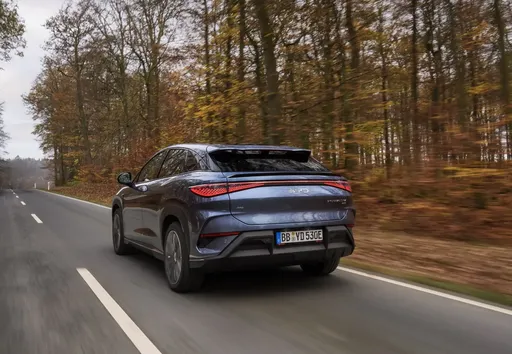
The Sealion 7 captivates with its striking design and impressive performance that appeals to both enthusiasts and casual drivers alike. With a focus on comfort and advanced technology, this model redefines the driving experience, making every journey enjoyable. Its sleek silhouette coupled with an innovative interior showcases the perfect blend of style and functionality.

details
Nissan Ariya
BYD Sealion 7

Costs and Consumption

Price
37300 - 54800 £
Price
42800 - 52300 £
Consumption L/100km
-
Consumption L/100km
-
Consumption kWh/100km
17.7 - 24.5 kWh
Consumption kWh/100km
19.9 - 21.9 kWh
Electric Range
402 - 531 km
Electric Range
456 - 502 km
Battery Capacity
63 - 87 kWh
Battery Capacity
-
co2
0 g/km
co2
0 g/km
Fuel tank capacity
-
Fuel tank capacity
-

Dimensions and Body

Body Type
SUV
Body Type
SUV
Seats
5
Seats
5
Doors
5
Doors
-
Curb weight
1980 - 2277 kg
Curb weight
2225 - 2435 kg
Trunk capacity
415 - 468 L
Trunk capacity
520 L
Length
4595 mm
Length
-
Width
1850 mm
Width
1925 mm
Height
1650 mm
Height
-
Max trunk capacity
1280 - 1350 L
Max trunk capacity
-
Payload
363 - 420 kg
Payload
410 kg

Engine and Performance

Engine Type
Electric
Engine Type
Electric
Transmission
Automatic
Transmission
Automatic
Transmission Detail
Reduction Gearbox
Transmission Detail
Reduction Gearbox
Drive Type
Front-Wheel Drive, All-Wheel Drive
Drive Type
Rear-Wheel Drive, All-Wheel Drive
Power HP
218 - 435 HP
Power HP
313 - 530 HP
Acceleration 0-100km/h
5 - 7.6 s
Acceleration 0-100km/h
4.5 - 6.7 s
Max Speed
160 - 200 km/h
Max Speed
-
Torque
300 - 600 Nm
Torque
380 - 690 Nm
Number of Cylinders
-
Number of Cylinders
-
Power kW
160 - 320 kW
Power kW
230 - 390 kW
Engine capacity
-
Engine capacity
-

General

Model Year
2022 - 2025
Model Year
2024
CO2 Efficiency Class
A
CO2 Efficiency Class
A
Brand
Nissan
Brand
BYD
What drivetrain options does the Nissan Ariya have?

The Nissan Ariya is offered with Front-Wheel Drive or All-Wheel Drive.

The prices shown are estimates based on German list prices, adjusted for local VAT. Local registration taxes (e.g. NoVA, BPM or CO2 malus) are not included. This information is not legally binding.