
 Deutschland
 France
 Nederland
 Great Britain
 Sverige
 Danmark
 Suomi
Suomi Italia
 Polska
 Česko
Česko España
VS
Lexus NX vs Peugeot 408 comparison
Compare performance (292 HP vs 240 HP), boot space and price (46,000 £ vs 35,100 £ ) at a glance. Find out which car is the better choice for you – Lexus NX or Peugeot 408?
Lexus NX vs Peugeot 408: Key differences
All details on performance, efficiency, range and trunk space can be found in the technical comparison below – including user reviews for both models.
NX
Costs and Efficiency:
Price and efficiency are often the first things buyers look at. Here it becomes clear which model has the long-term edge – whether at the pump, the plug, or in purchase price.
Peugeot 408 is noticeably cheaper – starting at 35,100 £ , while the Lexus NX costs 46,000 £ . That’s a price difference of around 10,911 £.
Fuel consumption also shows a difference: the Peugeot 408 uses 2.6 L/100km and is somewhat more efficient than the Lexus NX with 2.9 L/100km. The difference is about 0.3 L/100km.
As for electric range, the Peugeot 408 offers substantially more range – reaching up to 456 km, about 384 km more than the Lexus NX.
408
Engine and Performance:
Power, torque and acceleration say a lot about how a car feels on the road. This is where you see which model delivers more driving dynamics.
When it comes to engine power, the Lexus NX offers somewhat more power – delivering 292 HP compared to 240 HP. That’s roughly 52 HP more horsepower.
When accelerating from 0 to 100 km/h, the Lexus NX is moderately quicker – completing the sprint in 6.4 s, while the Peugeot 408 takes 7.2 s. That’s about 0.8 s quicker.
NX
Space and Everyday Use:
Beyond pure performance, interior space and usability matter most in daily life. This is where you see which car is more practical and versatile.
Both vehicles offer seating for 5 people.
In terms of curb weight, Peugeot 408 is somewhat lighter – 1,544 kg compared to 1,805 kg. The difference is around 261 kg.
When it comes to payload, the Lexus NX carries moderately more – 515 kg compared to 456 kg. That’s a difference of about 59 kg.
Who wins the race in the data check?
The Peugeot 408 holds a decisive overall lead in the objective data comparison.
This result only shows which model scores more points on paper – not which of the two cars feels right for you.
from £35,100
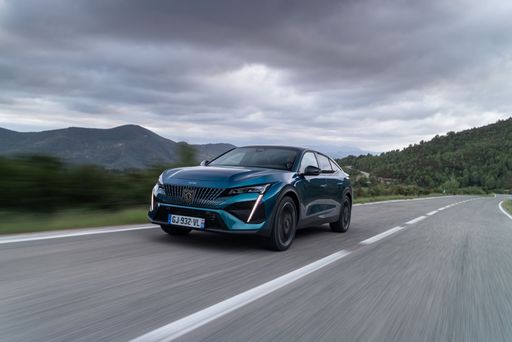
Peugeot 408
Lexus NX
Peugeot 408
Costs and Consumption
View detailed analysis
View detailed analysis
Engine and Performance
View detailed analysis
View detailed analysis
Dimensions and Body
View detailed analysis
View detailed analysis
Lexus NX
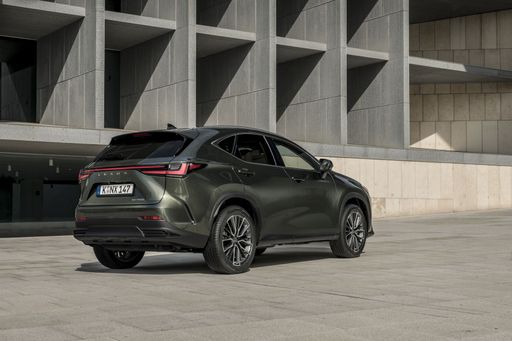
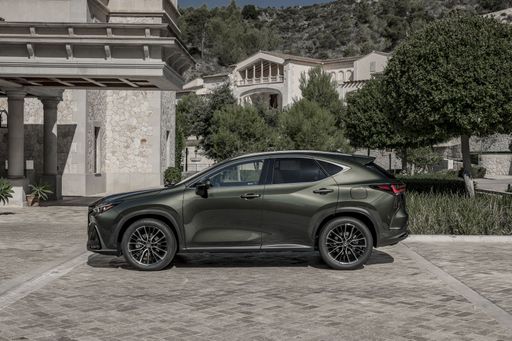
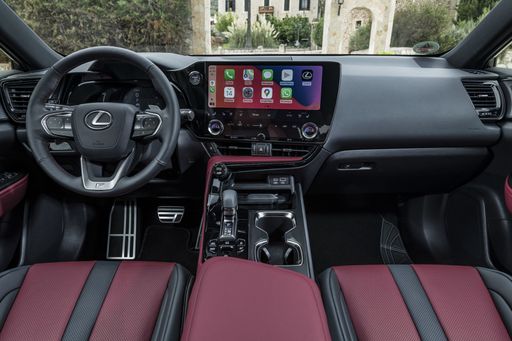
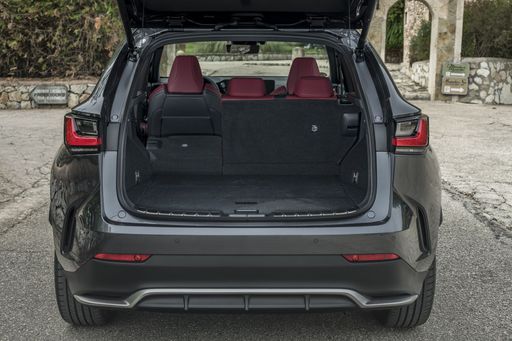
The Lexus NX wraps striking, chiseled styling around a cabin that feels more crafted living room than utility vehicle, with soft materials and user-friendly tech that give it genuine premium cachet. On the road it's composed and quietly confident, trading sporty pretensions for a refined, easygoing personality that will suit buyers who want luxury without fuss — with a little Lexus flair to make daily commutes feel special.
details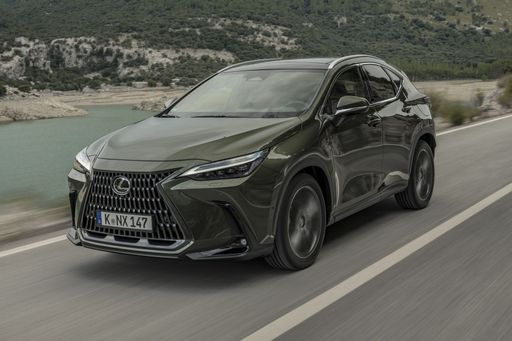
Peugeot 408
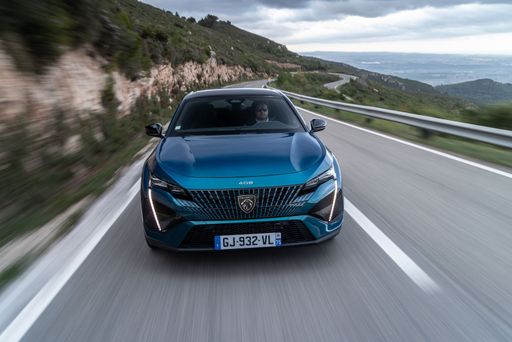
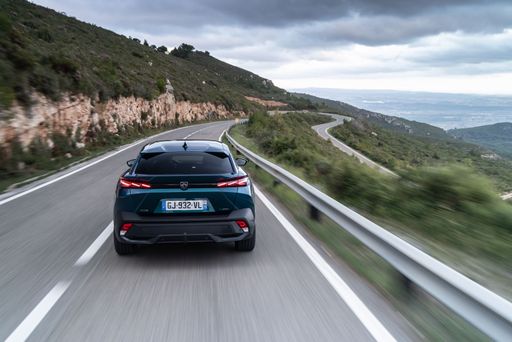
The Peugeot 408 blends a coupe-like roofline with practical sensibility, delivering striking looks and a surprisingly airy, premium-feeling cabin. On the road it prefers comfort and poise over manic thrills, making it a smart, stylish choice for buyers who want something a bit different from the usual family hatchback.
details
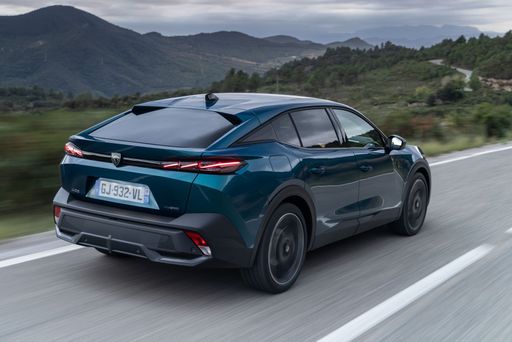
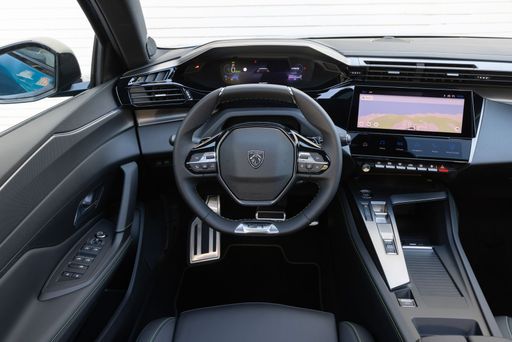
Lexus NX
Peugeot 408
Costs and Consumption |
|
|---|---|
|
Price
46,000 - 63,400 £
|
Price
35,100 - 48,000 £
|
|
Consumption L/100km
2.9 - 5.9 L/100km
|
Consumption L/100km
2.6 - 5 L/100km
|
|
Consumption kWh/100km
-
|
Consumption kWh/100km
14.7 kWh/100km
|
|
Electric Range
72 km
|
Electric Range
79 - 456 km
|
|
Battery Capacity
-
|
Battery Capacity
-
|
|
co2
65 - 134 g/km
|
co2
0 - 114 g/km
|
|
Fuel tank capacity
-
|
Fuel tank capacity
-
|
Dimensions and Body |
|
|---|---|
|
Body Type
SUV
|
Body Type
SUV
|
|
Seats
5
|
Seats
5
|
|
Doors
-
|
Doors
-
|
|
Curb weight
1,805 - 2,065 kg
|
Curb weight
1,544 - 1,879 kg
|
|
Trunk capacity
545 L
|
Trunk capacity
-
|
|
Length
-
|
Length
-
|
|
Width
1,865 mm
|
Width
1,848 mm
|
|
Height
-
|
Height
-
|
|
Max trunk capacity
-
|
Max trunk capacity
-
|
|
Payload
475 - 515 kg
|
Payload
371 - 456 kg
|
Engine and Performance |
|
|---|---|
|
Engine Type
Full Hybrid, Plugin Hybrid
|
Engine Type
Petrol MHEV, Plugin Hybrid, Electric
|
|
Transmission
Automatic
|
Transmission
Automatic
|
|
Transmission Detail
CVT
|
Transmission Detail
Dual-Clutch Automatic, Reduction Gearbox
|
|
Drive Type
Front-Wheel Drive, All-Wheel Drive
|
Drive Type
Front-Wheel Drive
|
|
Power HP
200 - 292 HP
|
Power HP
145 - 240 HP
|
|
Acceleration 0-100km/h
6.4 - 8.8 s
|
Acceleration 0-100km/h
7.2 - 9.4 s
|
|
Max Speed
-
|
Max Speed
-
|
|
Torque
-
|
Torque
230 - 360 Nm
|
|
Number of Cylinders
4
|
Number of Cylinders
3 - 4
|
|
Power kW
147 - 215 kW
|
Power kW
107 - 176 kW
|
|
Engine capacity
2,487 cm3
|
Engine capacity
1,199 - 1,598 cm3
|
General |
|
|---|---|
|
Model Year
2025
|
Model Year
2026
|
|
CO2 Efficiency Class
D, B
|
CO2 Efficiency Class
C, B, A
|
|
Brand
Lexus
|
Brand
Peugeot
|
DriveDuel uses data analysis and artificial intelligence to evaluate vehicle data and create content. Content is regularly reviewed and improved.
The displayed prices are estimates based on German list prices, adjusted to the respective country’s VAT. Country-specific registration taxes are not included. This information is not legally binding.