VS

Mercedes EQB vs BMW iX1 comparison

Compare performance (292 HP vs 313 HP), boot space and price (45,900 £ vs 42,300 £ ) at a glance. Find out which car is the better choice for you – Mercedes EQB or BMW iX1?

Mercedes EQB vs BMW iX1: Key differences

Mercedes EQB

4.3 (3 Reviews)
rate
  • only slightly more electric range
  • very slightly more trunk space

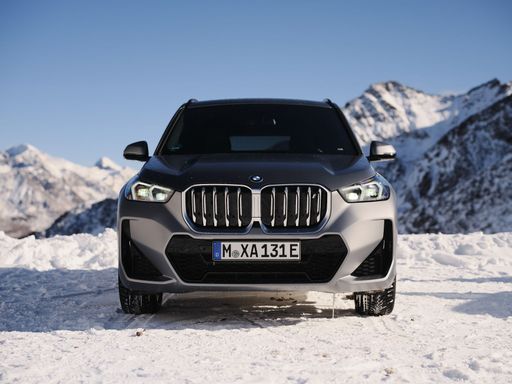
BMW iX1

4.7 (3 Reviews)
rate
  • barely cheaper
  • only slightly more power
  • only slightly more efficient
  • somewhat quicker 0–100 km/h
  • marginally lighter

All details on performance, efficiency, range and trunk space can be found in the technical comparison below – including user reviews for both models.

EQB

The electric vehicle market is expanding rapidly, with automakers rolling out innovative designs and technologies to meet the growing demand for sustainable transportation. Two premium compact electric SUVs that have piqued interest are the BMW iX1 and the Mercedes EQB. Both vehicles offer their own unique features, capabilities, and styling cues aimed at the modern driver. In this article, we will delve into a detailed comparison of these two electric SUVs.
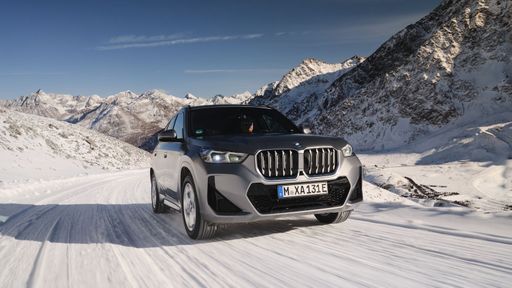
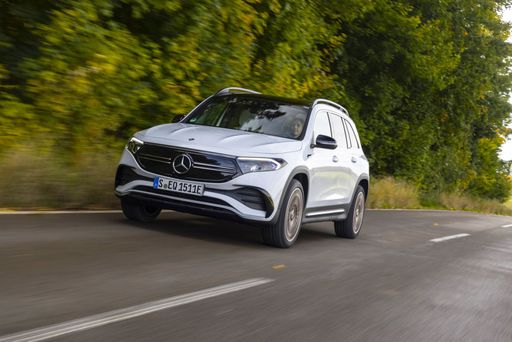
iX1

Design and Dimensions

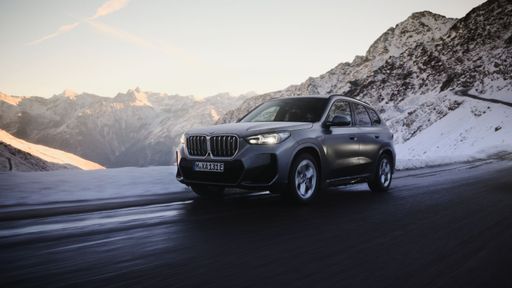
Starting with design, the BMW iX1 presents a sporty and dynamic appearance with its signature kidney grille and streamlined silhouette. It has a length of 4500 mm, width of 1845 mm, and a height of 1616 mm, making it a compact but spacious option for urban and suburban driving.

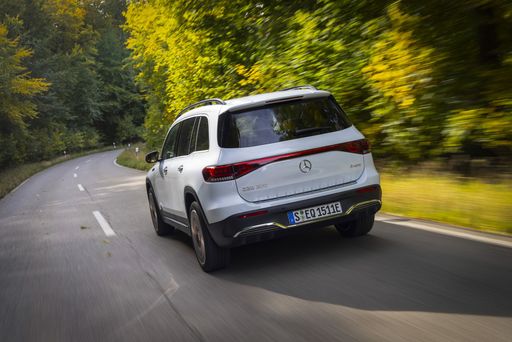
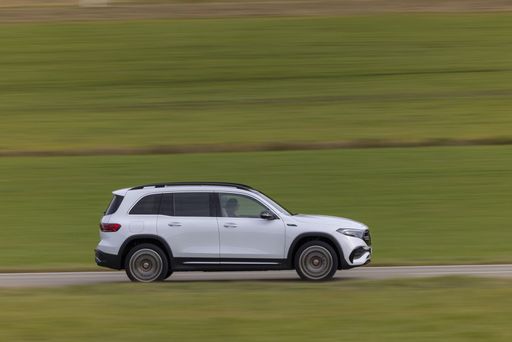
On the other hand, the Mercedes EQB boasts a slightly larger footprint, measuring 4684 mm in length, 1834 mm in width, and standing at 1654 mm (or 1689 mm for the EQB 350 variant). This gives it a more imposing presence on the road. Its clean lines, modern front fascia, and LED lighting add a touch of elegance typical of Mercedes-Benz vehicles.

EQB

Performance and Powertrain

When it comes to performance, the BMW iX1 offers two power configurations: 204 HP in the standard variant and up to 313 HP in the all-wheel-drive version. The iX1 can accelerate from 0-100 km/h in as little as 5.6 seconds, while its electric range reaches up to 463 km, thanks to its 64.8 kWh battery capacity. The energy consumption is rated from 15.8 kWh/100km to 17.1 kWh depending on the specific model.

Conversely, the Mercedes EQB features a broader range of power options, offering configurations from 190 HP to a powerful 292 HP in the EQB 350 variant. Its acceleration is impressive, with the top variant reaching 0-100 km/h in just 6.2 seconds. The EQB can achieve an electric range of up to 533 km with its 70.5 kWh battery, also showcasing a commendable energy consumption of approximately 15.2 kWh/100km.

iX1

Interior and Technology

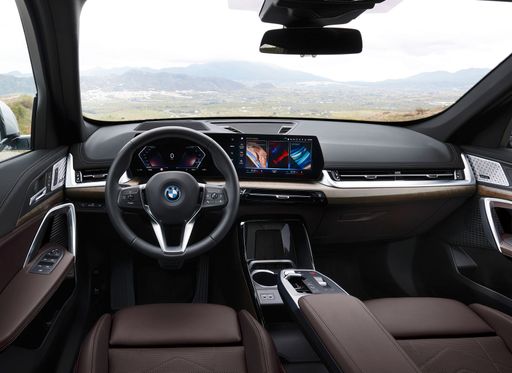
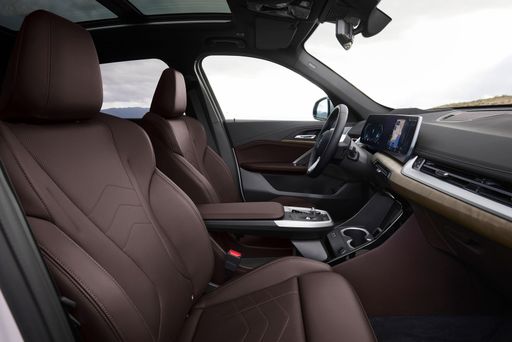
Inside, both vehicles deliver on luxury and functionality. The BMW iX1 focuses on a driver-centric cockpit, equipped with dual digital displays as part of its iDrive system, enhancing the overall technological experience. The interior is spacious, comfortably seating five passengers, and boasts a trunk capacity of 490 liters.

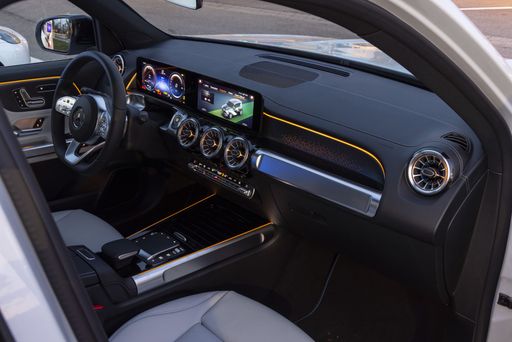
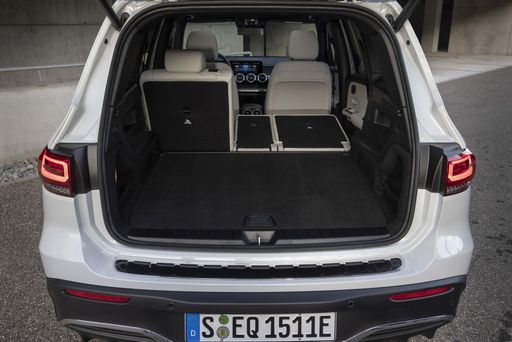
The Mercedes EQB, similarly, offers a high-tech interior featuring the MBUX infotainment system, which includes a vibrant touchscreen and advanced voice control capabilities. Like the iX1, it also provides comfortable seating for five and a trunk capacity of 495 liters, making both vehicles practical choices for families or daily commuting.

EQB

Charging and Sustainability

Both vehicles are designed with efficiency in mind. The BMW iX1, with a battery capacity of 64.8 kWh, allows for easy charging options and offers a competitive energy efficiency rating. Its high CO2 efficiency class of A signals a commitment to sustainability.

Meanwhile, the Mercedes EQB's larger battery capacity of 70.5 kWh offers similar advantages, combined with fast-charging capabilities that make it convenient for longer trips. Both vehicles emit zero tailpipe emissions, further affirming their eco-friendly stance.

iX1

Conclusion

Ultimately, choosing between the BMW iX1 and the Mercedes EQB boils down to personal preference and specific needs. The iX1 seems to favor performance and a sporty drive, while the EQB leans towards practicality and family-friendly features. With both models showcasing advanced technology, sustainable engineering, and impressive performance, electric SUV buyers will find enticing options in either vehicle.

As the automotive landscape continues to evolve, the BMW iX1 and Mercedes EQB symbolize the exciting future of electric mobility while catering to the discerning tastes of modern consumers.

Here’s where it gets real: The technical differences in detail

EQB

Costs and Efficiency:

Price and efficiency are often the first things buyers look at. Here it becomes clear which model has the long-term edge – whether at the pump, the plug, or in purchase price.

BMW iX1 is barely cheaper – starting at 42,300 £ , while the Mercedes EQB costs 45,900 £ . That’s a price difference of around 3,527 £.

In terms of energy consumption, the BMW iX1 is only slightly more efficient: consuming 14.3 kWh/100km compared to 15.2 kWh/100km for the Mercedes EQB. That’s a difference of about 0.9 kWh/100km.

As for electric range, the Mercedes EQB offers only slightly more range – reaching up to 535 km, about 21 km more than the BMW iX1.

iX1

Engine and Performance:

Under the bonnet, it becomes clear which model is tuned for sportiness and which one takes the lead when you hit the accelerator.

When it comes to engine power, the BMW iX1 offers only slightly more power – delivering 313 HP compared to 292 HP. That’s roughly 21 HP more horsepower.

When accelerating from 0 to 100 km/h, the BMW iX1 is somewhat quicker – completing the sprint in 5.6 s, while the Mercedes EQB takes 6.2 s. That’s about 0.6 s quicker.

There’s also a difference in torque: the Mercedes EQB delivers very slightly more torque with 520 Nm compared to 494 Nm. That’s about 26 Nm more.

EQB

Space and Everyday Use:

Whether family car or daily driver – which one offers more room, flexibility and comfort?

Both vehicles offer seating for 5 people.

In terms of curb weight, BMW iX1 is marginally lighter – 1,940 kg compared to 2,105 kg. The difference is around 165 kg.

Looking at boot space, the Mercedes EQB offers very slightly more boot space – 495 L compared to 490 L. That’s a difference of about 5 L.

When it comes to payload, the BMW iX1 carries somewhat more – 495 kg compared to 435 kg. That’s a difference of about 60 kg.

Who wins the race in the data check?

The BMW iX1 comes out clearly ahead in the objective data comparison.
This result only shows which model scores more points on paper – not which of the two cars feels right for you.

from £42,300
iX1

BMW iX1

  • Engine Type : Electric
  • Transmission : Automatic
  • Drive Type : Front-Wheel Drive, All-Wheel Drive
  • Power HP : 204 - 313 HP
  • Consumption kWh/100km : 14.3 - 15.7 kWh/100km
  • Electric Range : 466 - 514 km
Mercedes EQB
BMW iX1

Costs and Consumption

View detailed analysis

Engine and Performance

View detailed analysis

Dimensions and Body

View detailed analysis

Mercedes EQB

The Mercedes EQB is an electric compact SUV that dresses Mercedes' premium feel in practical clothing, with flexible seating and a serene, composed ride that turns everyday errands into a small luxury. It won't thrill the enthusiast, but for buyers who want a smart, spacious and well-made EV with tasteful tech and real-world usability, the EQB is a sensible, slightly buttoned-up choice that impresses without shouting.

details

BMW iX1

The BMW iX1 wraps BMW's electric ambition into a compact SUV package that feels unexpectedly premium, with sharp handling and a crisp, modern cabin that keeps the driver in charge. It's ideal for buyers who want a stylish, quiet daily driver with useful practicality and tech-savvy touches — plus enough character to make the commute feel less like a chore and more like a short joyride.

details
Mercedes EQB
BMW iX1

Costs and Consumption

Price
45,900 - 58,900 £
Price
42,300 - 55,200 £
Consumption L/100km
-
Consumption L/100km
-
Consumption kWh/100km
15.2 - 17.2 kWh/100km
Consumption kWh/100km
14.3 - 15.7 kWh/100km
Electric Range
468 - 535 km
Electric Range
466 - 514 km
Battery Capacity
70.5 kWh
Battery Capacity
-
co2
0 g/km
co2
0 g/km
Fuel tank capacity
-
Fuel tank capacity
-

Dimensions and Body

Body Type
SUV
Body Type
SUV
Seats
5
Seats
5
Doors
5
Doors
-
Curb weight
2,105 - 2,170 kg
Curb weight
1,940 - 2,085 kg
Trunk capacity
495 L
Trunk capacity
490 L
Length
4,684 mm
Length
-
Width
1,834 mm
Width
1,845 mm
Height
1,654 - 1,689 mm
Height
-
Max trunk capacity
1,710 L
Max trunk capacity
-
Payload
435 kg
Payload
495 kg

Engine and Performance

Engine Type
Electric
Engine Type
Electric
Transmission
Automatic
Transmission
Automatic
Transmission Detail
Reduction Gearbox
Transmission Detail
Reduction Gearbox
Drive Type
Front-Wheel Drive, All-Wheel Drive
Drive Type
Front-Wheel Drive, All-Wheel Drive
Power HP
190 - 292 HP
Power HP
204 - 313 HP
Acceleration 0-100km/h
6.2 - 8.9 s
Acceleration 0-100km/h
5.6 - 8.6 s
Max Speed
160 km/h
Max Speed
-
Torque
385 - 520 Nm
Torque
250 - 494 Nm
Number of Cylinders
-
Number of Cylinders
-
Power kW
140 - 215 kW
Power kW
150 - 230 kW
Engine capacity
-
Engine capacity
-

General

Model Year
2,024 - 2,025
Model Year
2,026
CO2 Efficiency Class
A
CO2 Efficiency Class
A
Brand
Mercedes-Benz
Brand
BMW
DriveDuel uses data analysis and artificial intelligence to evaluate vehicle data and create content. Content is regularly reviewed and improved. The displayed prices are estimates based on German list prices, adjusted to the respective country’s VAT. Country-specific registration taxes are not included. This information is not legally binding.