VS

Mercedes GLC EQ vs XPeng G9 comparison

Compare performance (489 HP vs 575 HP), boot space and price (61,100 £ vs 51,100 £ ) at a glance. Find out which car is the better choice for you – Mercedes GLC EQ or XPeng G9?

Mercedes GLC EQ vs XPeng G9: Key differences

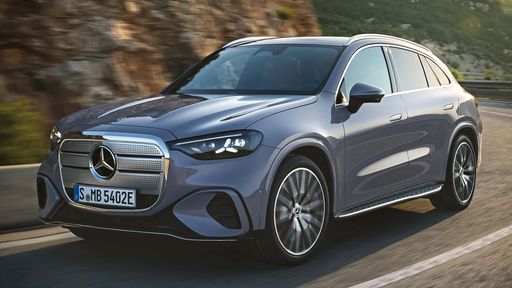
Mercedes GLC EQ

4.7 (3 Reviews)
rate
  • clearly more efficient
  • a bit more electric range
details

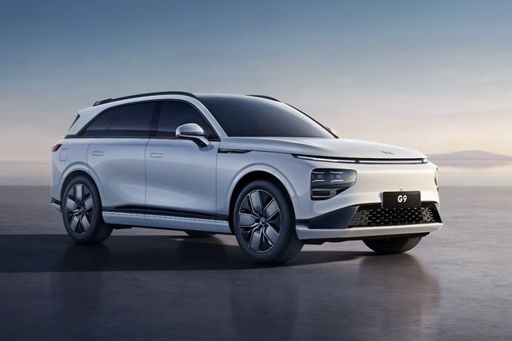
XPeng G9

4.8 (7 Reviews)
rate
  • somewhat cheaper
  • somewhat more power
  • very slightly quicker 0–100 km/h
  • slightly lighter
  • a bit more trunk space
details

All details on performance, efficiency, range and trunk space can be found in the technical comparison below – including user reviews for both models.

By Achim Sedelmaier

Here’s where it gets real: The technical differences in detail

GLC EQ

Costs and Efficiency:

Price and efficiency are often the first things buyers look at. Here it becomes clear which model has the long-term edge – whether at the pump, the plug, or in purchase price.

XPeng G9 is somewhat cheaper – starting at 51,100 £ , while the Mercedes GLC EQ costs 61,100 £ . That’s a price difference of around 10,013 £.

In terms of energy consumption, the Mercedes GLC EQ is clearly more efficient: consuming 14.9 kWh/100km compared to 18.4 kWh/100km for the XPeng G9. That’s a difference of about 3.5 kWh/100km.

As for electric range, the Mercedes GLC EQ offers a bit more range – reaching up to 714 km, about 129 km more than the XPeng G9.

G9

Engine and Performance:

Power, torque and acceleration say a lot about how a car feels on the road. This is where you see which model delivers more driving dynamics.

When it comes to engine power, the XPeng G9 offers somewhat more power – delivering 575 HP compared to 489 HP. That’s roughly 86 HP more horsepower.

When accelerating from 0 to 100 km/h, the XPeng G9 is very slightly quicker – completing the sprint in 4.2 s, while the Mercedes GLC EQ takes 4.3 s. That’s about 0.1 s quicker.

There’s also a difference in torque: the Mercedes GLC EQ delivers a bit more torque with 800 Nm compared to 695 Nm. That’s about 105 Nm more.

GLC EQ

Space and Everyday Use:

Whether family car or daily driver – which one offers more room, flexibility and comfort?

Both vehicles offer seating for 5 people.

In terms of curb weight, XPeng G9 is slightly lighter – 2,210 kg compared to 2,535 kg. The difference is around 325 kg.

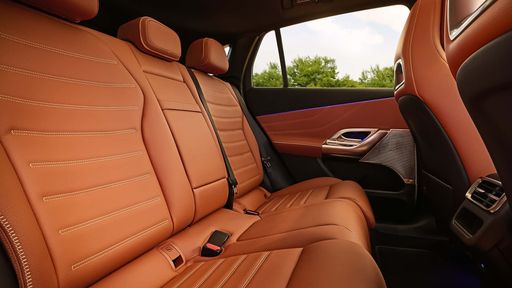
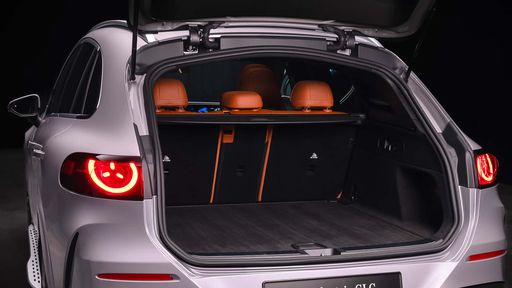
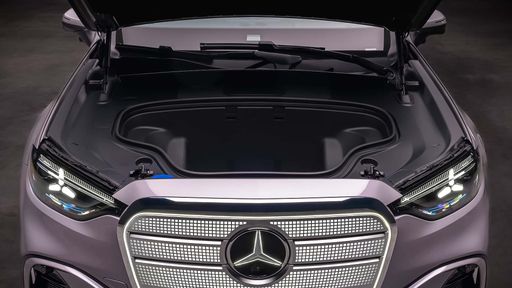
Looking at boot space, the XPeng G9 offers a bit more boot space – 660 L compared to 570 L. That’s a difference of about 90 L.

When it comes to payload, the XPeng G9 carries barely more – 520 kg compared to 505 kg. That’s a difference of about 15 kg.

Who wins the race in the data check?

The XPeng G9 has the upper hand in the objective data comparison.
This result only shows which model scores more points on paper – not which of the two cars feels right for you.

from £51,100
G9

XPeng G9

  • Engine Type Electric
  • Transmission Automatic
  • Drive Type Rear-Wheel Drive, All-Wheel Drive
  • Power HP 351 - 575 HP
  • Consumption kWh/100km 18.4 - 20.1 kWh/100km
  • Electric Range 502 - 585 km
Mercedes GLC EQ
XPeng G9

Costs and Consumption

View detailed analysis

Engine and Performance

View detailed analysis

Dimensions and Body

View detailed analysis

Mercedes GLC EQ

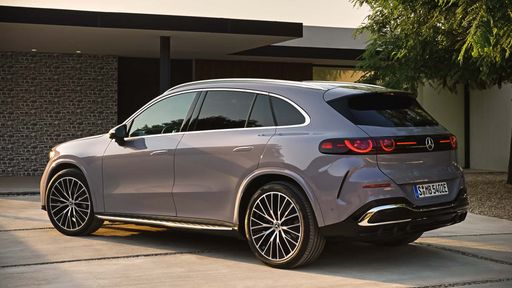
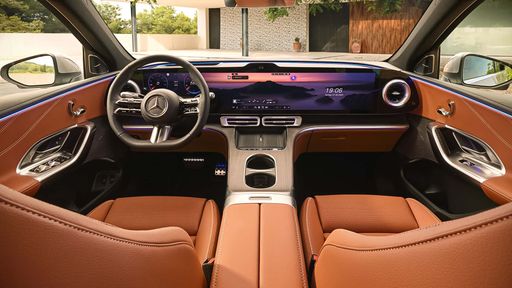
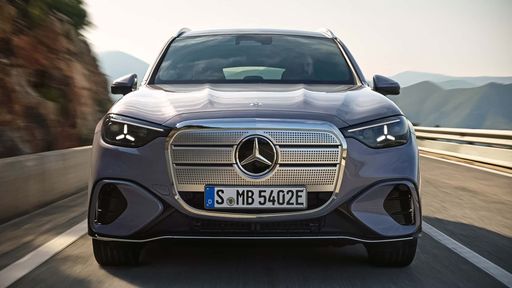
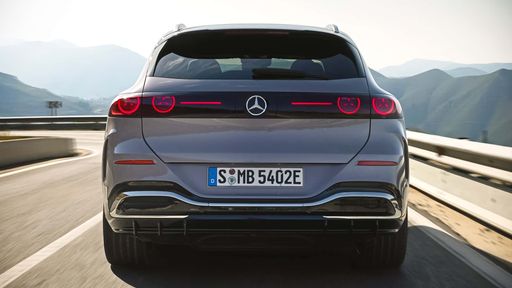
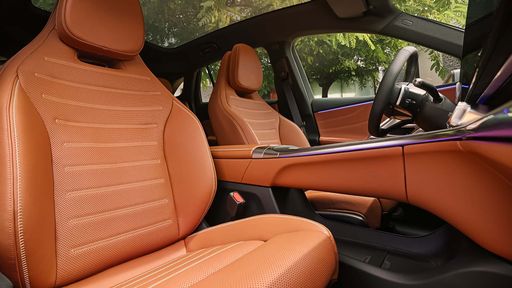
The Mercedes GLC EQ brings an electrified touch to Mercedes’ compact luxury SUV line, combining a quiet, refined ride with the comfort and polish you expect from the brand. It’s a smart choice for buyers who want premium materials and everyday practicality while reducing fuel use, though it leans more toward comfort than sporty handling.

details

XPeng G9

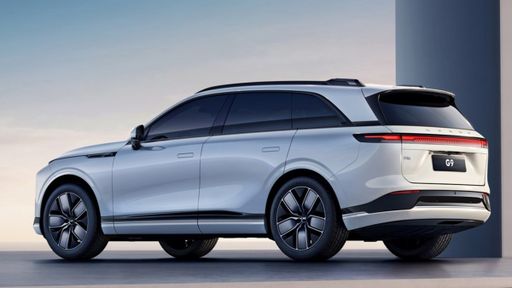
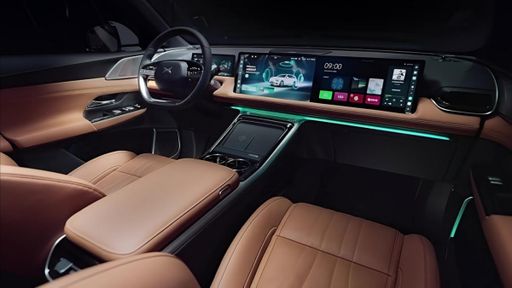
The XPeng G9 is a spacious, tech-forward electric SUV that pairs a calm, refined ride with responsive performance and a high-quality, minimalist cabin. With strong emphasis on connectivity and advanced driving assistance, it’s a compelling choice if you want modern EV features and generous practicality without a legacy badge.

details
Mercedes GLC EQ
XPeng G9

Costs and Consumption

Price
61,100 - 70,600 £
Price
51,100 - 62,200 £
Consumption L/100km
-
Consumption L/100km
-
Consumption kWh/100km
14.9 - 16.6 kWh/100km
Consumption kWh/100km
18.4 - 20.1 kWh/100km
Electric Range
645 - 714 km
Electric Range
502 - 585 km
Battery Capacity
-
Battery Capacity
-
co2
0 g/km
co2
0 g/km
Fuel tank capacity
-
Fuel tank capacity
-

Dimensions and Body

Body Type
SUV
Body Type
SUV
Seats
5
Seats
5
Doors
-
Doors
-
Curb weight
2,535 kg
Curb weight
2,210 - 2,395 kg
Trunk capacity
570 L
Trunk capacity
660 L
Length
-
Length
-
Width
1,913 mm
Width
1,937 mm
Height
-
Height
-
Max trunk capacity
-
Max trunk capacity
-
Payload
505 kg
Payload
515 - 520 kg

Engine and Performance

Engine Type
Electric
Engine Type
Electric
Transmission
Automatic
Transmission
Automatic
Transmission Detail
Reduction Gearbox
Transmission Detail
Reduction Gearbox
Drive Type
All-Wheel Drive
Drive Type
Rear-Wheel Drive, All-Wheel Drive
Power HP
489 HP
Power HP
351 - 575 HP
Acceleration 0-100km/h
4.3 s
Acceleration 0-100km/h
4.2 - 6.6 s
Max Speed
-
Max Speed
-
Torque
800 Nm
Torque
465 - 695 Nm
Number of Cylinders
-
Number of Cylinders
-
Power kW
360 kW
Power kW
258 - 423 kW
Engine capacity
-
Engine capacity
-

General

Model Year
2026
Model Year
2025
CO2 Efficiency Class
A
CO2 Efficiency Class
A
Brand
Mercedes-Benz
Brand
XPeng
DriveDuel uses data analysis and artificial intelligence to evaluate vehicle data and create content. Content is regularly reviewed and improved. The displayed prices are estimates based on German list prices, adjusted to the respective country’s VAT. Country-specific registration taxes are not included. This information is not legally binding.