VS

MG MG4 vs Hyundai Kona comparison

Compare performance (435 HP vs 204 HP), boot space and price (36,800 £ vs 23,600 £ ) at a glance. Find out which car is the better choice for you – MG MG4 or Hyundai Kona?

MG MG4 vs Hyundai Kona: Key differences

MG MG4

4.8 (3 Reviews)
rate
  • substantially more power
  • marginally more electric range
  • considerably quicker 0–100 km/h
details

Hyundai Kona

4.6 (9 Reviews)
rate
  • significantly cheaper
  • a bit more efficient
  • noticeably lighter
details

All details on performance, efficiency, range and trunk space can be found in the technical comparison below – including user reviews for both models.

By Achim Sedelmaier

MG4

Hyundai Kona VS MG MG4 — quick take

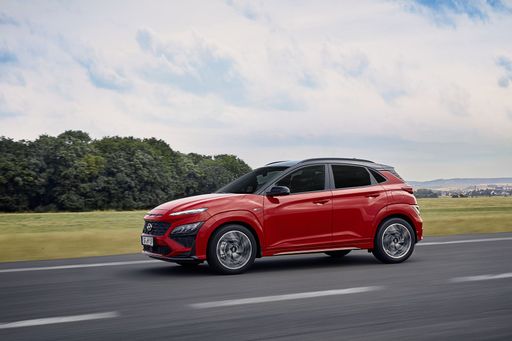
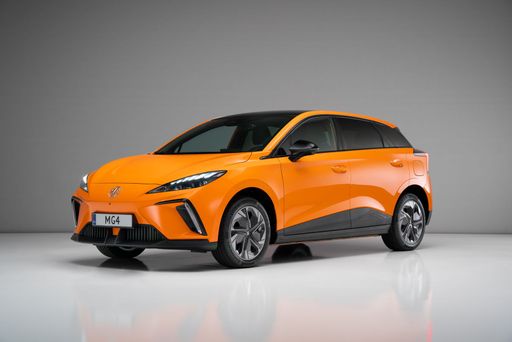
Hyundai Kona VS MG MG4 sets up a clear choice between a comfort‑focused B‑SUV and a compact, sportier electric hatch. The Hyundai Kona feels like an everyday utility player: roomy, calm and designed to make family life and daily errands easy. The MG MG4 pitches itself as the more dynamic, value‑focused EV with a driving character that leans toward involvement and strong kit for the money. In this comparison we’ll follow how those choices translate into cabin feel, practicality, city manners and long‑distance behavior. Expect trade‑offs: space and composure against agility and charging/reach advantages.
Kona

Character and driving manners

The MG MG4 drives with a sharper edge — it rewards cornering and feels livelier when you push, thanks to a rear‑biased, engaged set‑up that gives real mid‑corner confidence. The Hyundai Kona, by contrast, is tuned for predictability and comfort; it soaks up daily traffic and low‑speed manoeuvres with a more relaxed steering and suspension balance. If you want a car that makes routine roads feel entertaining, the MG MG4 will be more satisfying, but you’ll trade a little refinement for that engagement. For drivers who prefer composed progress, less fuss and a confidence‑inspiring ride when carrying family or shopping, the Kona will feel the more natural companion.

MG4

Comfort, cabin feel and perceived quality

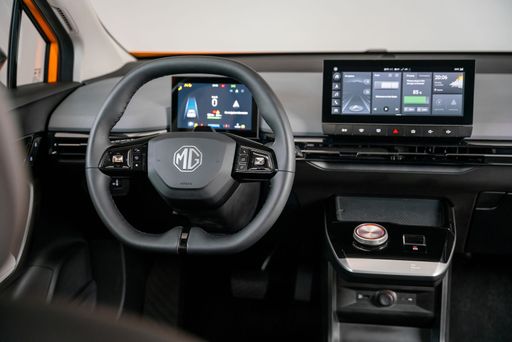
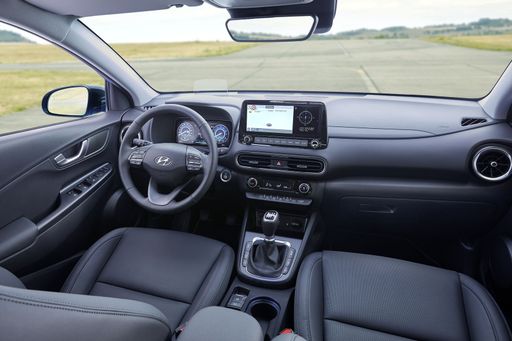
The Kona’s interior aims for a calming, user‑friendly experience with clear controls and a sensation of space that reads as slightly more grown‑up and composed. The MG MG4’s facelift has tightened up the materials and added practical physical controls, yet its cabin still leans toward a functional, no‑frills presentation that rewards practicality more than luxury. On long runs the Kona generally feels quieter and more insulated, while the MG MG4 is more alert and occasionally lets road and wind intrude — part of why it feels so lively on twisty roads. Both cars have improved ergonomics, but the Kona sells a calmer ambience and the MG MG4 sells engagement and clever value.

Kona

Practicality and everyday usability

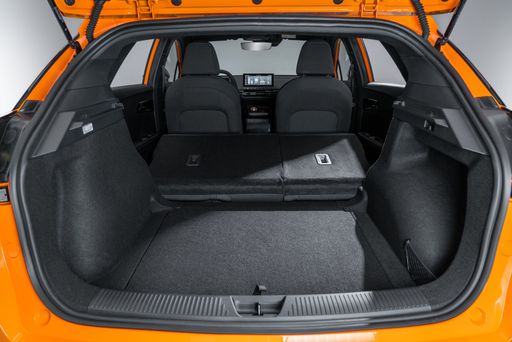
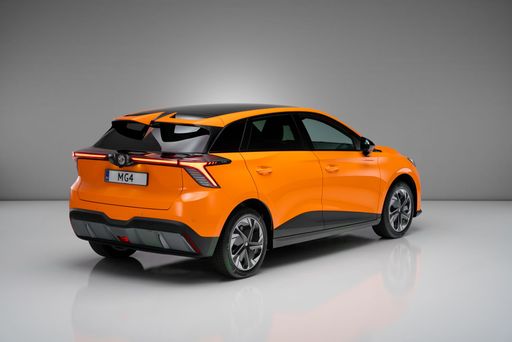
When it comes to day‑to‑day usefulness the Hyundai Kona holds the edge: a noticeably more flexible rear seat layout, larger and easier‑to‑load luggage area and well‑thought‑out storage make family life simpler. The MG MG4 answers with a tighter, flatter boot and a more compact footprint — fine for city runs and commute luggage but less forgiving for bulkier cargo and frequent family trips. MG counters with strong standard equipment and a longer warranty, so what you lose in physical space you partly regain in headline value and running confidence. In short, pick the Kona if cargo practicality and flexible interior space matter; pick the MG MG4 if you prioritise compact convenience and equipment per pound.

MG4

City friendliness versus long‑distance behavior

In town the Hyundai Kona feels exceptionally composed and easy to live with: light steering, good visibility up front and parking tech that reduces stress in tight spaces. The MG MG4 is no slouch in the city either — its compact dimensions and zippy electric response suit urban routines, and strong regenerative braking helps in heavy stop‑start traffic. On the motorway the Kona’s calmer noise and steady composure make long stretches less tiring, while the MG MG4 demands a bit more tolerance for tyre and wind noise and occasionally intrusive assistant interventions. Conversely, the MG MG4 offers a compelling advantage if you plan to structure longer trips around fast charging and want a car that rewards spirited driving between stops.

Kona

Buyer fit — who should book a test drive first?

If your priority is family practicality, low stress driving and a quietly composed cabin, the Hyundai Kona will align more closely with that brief and will feel easier to live with every day. If you value sharper handling, stronger value‑for‑money, and an EV that feels engaging to drive and charges quickly on planned trips, then the MG MG4 deserves your attention. Prospective buyers who carry lots of luggage or often have adults in the back will prefer the Kona; those who favour a compact footprint, stronger driving dynamics and a longer factory warranty will gravitate to the MG MG4. Dive into the technical section next to see how range, charging behaviour, performance and pricing map onto those real‑world trade‑offs.

Here’s where it gets real: The technical differences in detail

MG4

Costs and Efficiency:

Looking at overall running costs, both models reveal some interesting differences in everyday economy.

Hyundai Kona is significantly cheaper – starting at 23,600 £ , while the MG MG4 costs 36,800 £ . That’s a price difference of around 13,277 £.

In terms of energy consumption, the Hyundai Kona is a bit more efficient: consuming 14.6 kWh/100km compared to 16.1 kWh/100km for the MG MG4. That’s a difference of about 1.5 kWh/100km.

As for electric range, the MG MG4 offers marginally more range – reaching up to 545 km, about 35 km more than the Hyundai Kona.

Kona

Engine and Performance:

Power, torque and acceleration are the classic benchmarks for car enthusiasts – and here, some clear differences start to show.

When it comes to engine power, the MG MG4 offers substantially more power – delivering 435 HP compared to 204 HP. That’s roughly 231 HP more horsepower.

When accelerating from 0 to 100 km/h, the MG MG4 is considerably quicker – completing the sprint in 3.8 s, while the Hyundai Kona takes 8.1 s. That’s about 4.3 s quicker.

There’s also a difference in torque: the MG MG4 delivers substantially more torque with 600 Nm compared to 265 Nm. That’s about 335 Nm more.

MG4

Space and Everyday Use:

Beyond pure performance, interior space and usability matter most in daily life. This is where you see which car is more practical and versatile.

Both vehicles offer seating for 5 people.

In terms of curb weight, Hyundai Kona is noticeably lighter – 1,370 kg compared to 1,755 kg. The difference is around 385 kg.

When it comes to payload, the Hyundai Kona carries very slightly more – 490 kg compared to 448 kg. That’s a difference of about 42 kg.

Who wins the race in the data check?

The MG MG4 is far ahead overall in the objective data comparison.
This result only shows which model scores more points on paper – not which of the two cars feels right for you.

from £36,800
MG4

MG MG4

  • Engine Type Electric
  • Transmission Automatic
  • Drive Type Rear-Wheel Drive, All-Wheel Drive
  • Power HP 190 - 435 HP
  • Consumption kWh/100km 16.1 - 19 kWh/100km
  • Electric Range 405 - 545 km
MG MG4
Hyundai Kona

Costs and Consumption

View detailed analysis

Engine and Performance

View detailed analysis

Dimensions and Body

View detailed analysis

MG MG4

The MG4 is a sprightly electric hatch that marries bold, modern looks with genuinely useful practicality, making it a great everyday companion for city and weekend life alike. Inside it surprises with a smart, user-friendly cabin and an engaging drive that delivers more personality than you might expect for the price.

details

Hyundai Kona

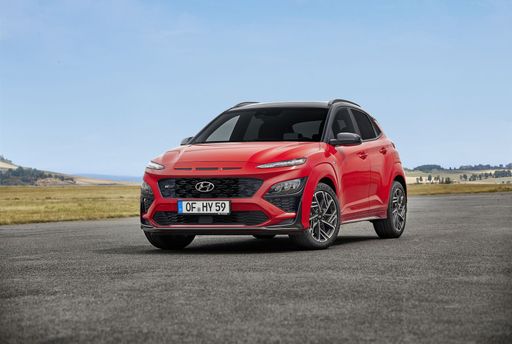
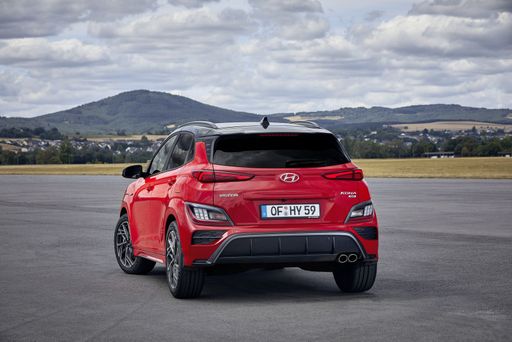
The Hyundai Kona is a compact crossover that pairs bold styling with practical everyday usability, offering a comfortable cabin and intuitive tech for modern drivers. Available in both conventional and electrified versions, Kona brings lively handling and strong value for buyers who want crossover versatility and standout character.

details
MG MG4
Hyundai Kona

Costs and Consumption

Price
36,800 - 40,300 £
Price
23,600 - 41,900 £
Consumption L/100km
-
Consumption L/100km
4.6 - 7 L/100km
Consumption kWh/100km
16.1 - 19 kWh/100km
Consumption kWh/100km
14.6 - 16.1 kWh/100km
Electric Range
405 - 545 km
Electric Range
380 - 510 km
Battery Capacity
-
Battery Capacity
-
co2
0 g/km
co2
0 - 163 g/km
Fuel tank capacity
-
Fuel tank capacity
-

Dimensions and Body

Body Type
Hatchback
Body Type
SUV
Seats
5
Seats
5
Doors
-
Doors
-
Curb weight
1,755 - 1,810 kg
Curb weight
1,370 - 1,773 kg
Trunk capacity
-
Trunk capacity
466 L
Length
-
Length
-
Width
1,836 mm
Width
1,825 mm
Height
-
Height
-
Max trunk capacity
-
Max trunk capacity
-
Payload
448 kg
Payload
420 - 490 kg

Engine and Performance

Engine Type
Electric
Engine Type
Petrol, Full Hybrid, Electric
Transmission
Automatic
Transmission
Manuel, Automatic
Transmission Detail
Reduction Gearbox
Transmission Detail
Manual Gearbox, Dual-Clutch Automatic, Reduction Gearbox
Drive Type
Rear-Wheel Drive, All-Wheel Drive
Drive Type
Front-Wheel Drive, All-Wheel Drive
Power HP
190 - 435 HP
Power HP
115 - 204 HP
Acceleration 0-100km/h
3.8 - 7.5 s
Acceleration 0-100km/h
8.1 - 11.9 s
Max Speed
-
Max Speed
-
Torque
350 - 600 Nm
Torque
200 - 265 Nm
Number of Cylinders
-
Number of Cylinders
3 - 4
Power kW
140 - 320 kW
Power kW
85 - 150 kW
Engine capacity
-
Engine capacity
998 - 1,598 cm3

General

Model Year
2026
Model Year
2025
CO2 Efficiency Class
A
CO2 Efficiency Class
D, C, E, F, A
Brand
MG
Brand
Hyundai
DriveDuel uses data analysis and artificial intelligence to evaluate vehicle data and create content. Content is regularly reviewed and improved. The displayed prices are estimates based on German list prices, adjusted to the respective country’s VAT. Country-specific registration taxes are not included. This information is not legally binding.