VS

Nissan Ariya vs Hyundai Kona comparison

Compare performance (435 HP vs 204 HP), boot space and price (54,800 £ vs 23,600 £ ) at a glance. Find out which car is the better choice for you – Nissan Ariya or Hyundai Kona?

Nissan Ariya vs Hyundai Kona: Key differences

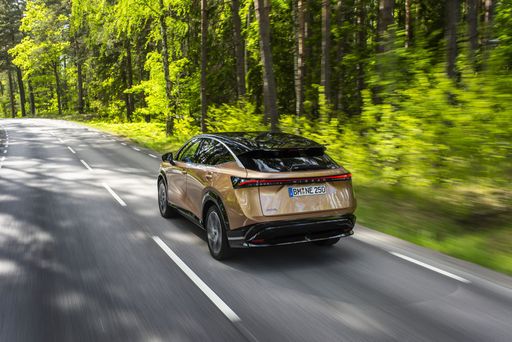
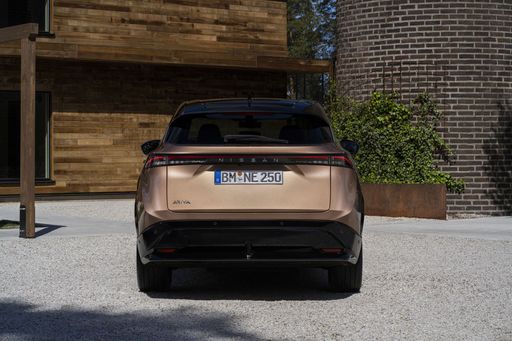
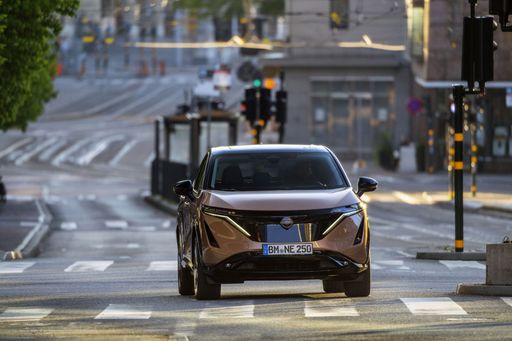
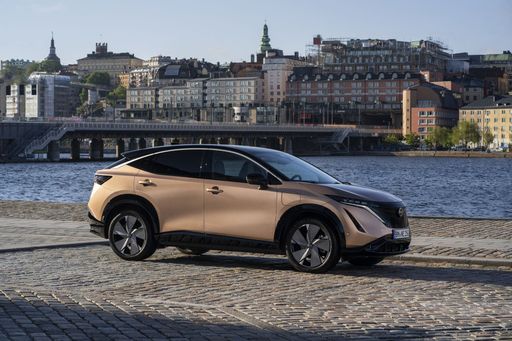
Nissan Ariya

5 (1 Reviews)
rate
  • considerably more power
  • significantly quicker 0–100 km/h
details

Hyundai Kona

4.6 (10 Reviews)
rate
  • considerably cheaper
  • considerably more efficient
  • moderately more electric range
  • substantially lighter
  • somewhat more trunk space
details

All details on performance, efficiency, range and trunk space can be found in the technical comparison below – including user reviews for both models.

By Achim Sedelmaier

Ariya

The Electrifying Showdown: Hyundai Kona vs. Nissan Ariya

In the burgeoning electric SUV segment, two names have captured the attention of enthusiasts and everyday drivers alike: the Hyundai Kona and the Nissan Ariya. Each promises a blend of cutting-edge technology, sustainability, and practical appeal. As electric vehicles continue to gain traction, the Kona and the Ariya offer compelling choices for those ready to embrace a greener future. Let's delve into the specifics and see how these two models stack up against each other.
Kona

Performance and Powertrain

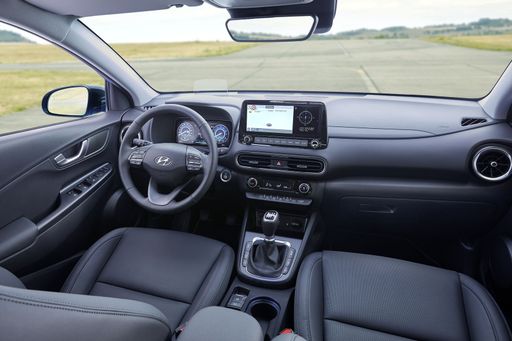
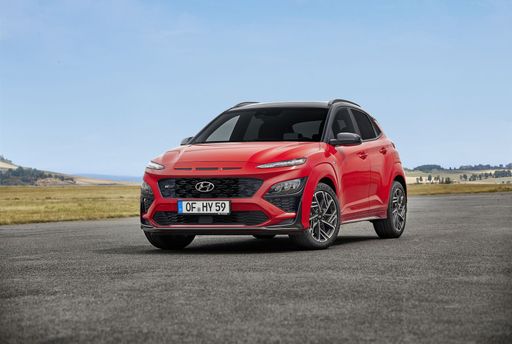
When it comes to performance, both the Hyundai Kona and the Nissan Ariya offer robust options, but they cater to different audiences. The Hyundai Kona is versatile, with a range of power options including petrol, full hybrid, and electric engines. Its electric variant offers 218 HP, a 0-100 km/h acceleration of 7.8 seconds, and a top speed of 201 km/h. The Kona's electric range reaches up to 514 km, perfect for those prioritizing extended travel without frequent charging stops.

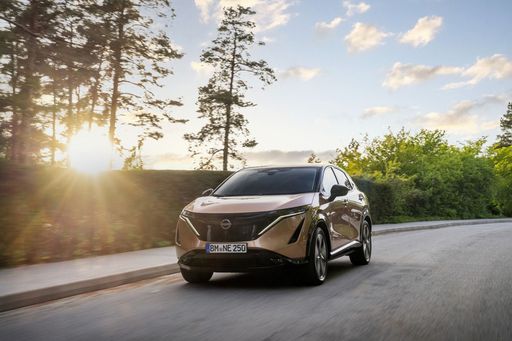
On the other hand, the Nissan Ariya is exclusively electric, embodying Nissan's commitment to an emissions-free future. With power outputs ranging from 218 to 435 HP, the Ariya accelerates from 0 to 100 km/h in as little as 5 seconds, a testament to its sporty performance. Its maximum electric range is an impressive 531 km, courtesy of an 87 kWh battery, making it an enticing option for drivers seeking both power and distance.

Ariya

Efficiency and Environmental Impact

Efficiency is crucial in the electric vehicle market, and both manufacturers strive to minimize environmental impact. The Kona's electric versions boast a consumption as low as 14.6 kWh/100km, coupled with its CO2 emission-free performance. The hybrid and petrol variants report CO2 emissions ranging from 103 to 152 g/km, with consumption levels between 4.5 and 6.7 L/100km.

In contrast, the Ariya focuses solely on electric consumption, offering a range from 17.7 to 24.5 kWh/100km. Its adherence to a CO2 efficiency class 'A' underlines its role as a sustainable choice. As an all-electric vehicle, the Ariya offers zero tailpipe emissions, setting a standard for environmental responsibility.

Kona

Design and Dimensions

Both SUVs feature design elements that reflect their modern outlook. The Kona's compact dimensions (4385 mm in length, 1825 mm in width, and up to 1585 mm in height) allow for agile maneuvering, making it suitable for urban environments. Its trunk capacity is a generous 466 liters, catering to everyday utility requirements.

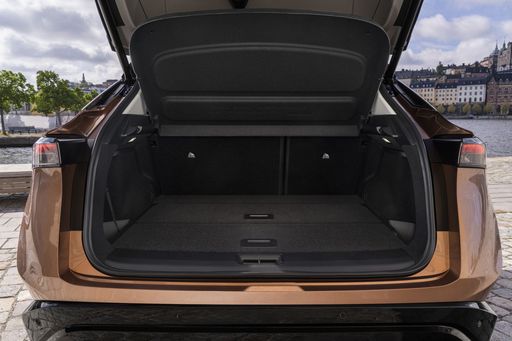
The Ariya, slightly larger, measures 4595 mm in length, 1850 mm in width, and 1650 mm in height. Its trunk capacity ranges from 415 to 468 liters, depending on the model variant, offering ample space for family adventures and longer journeys. Nissan's design emphasizes a sleek and futuristic aesthetic, positioning the Ariya as a stylish contender.

Ariya

Technology and Innovations

The integration of cutting-edge technology is pivotal in these models. The Kona incorporates a dual-clutch automatic transmission alongside its electric reduction gearbox, providing a seamless driving experience across its variations. With multiple drive configurations, including front-wheel drive and all-wheel drive, it offers flexibility for diverse driving conditions.

Meanwhile, the Nissan Ariya stands out with advanced autonomous features and a focus on connectivity. Its automatic transmission with reduction gearing enhances the driver interface, while innovations in autonomous driving technology reflect Nissan's pioneering spirit in electrification.

Kona

Conclusion: Choosing the Right Fit

Both the Hyundai Kona and the Nissan Ariya bring unique offerings to the electric SUV segment. The Kona is ideal for those who desire versatility, offering different drivetrain options while still embracing electrification. The Ariya, with its focus on power and range in an exclusively electric package, appeals to those prioritizing performance and innovation.

Ultimately, choosing between the Hyundai Kona and Nissan Ariya comes down to personal preference—whether one leans towards the diverse drivetrain versatility of the Kona or the purely electric promise of the Ariya. In either case, both vehicles mark a significant step forward in the automotive industry's sustainable journey.

Here’s where it gets real: The technical differences in detail

Ariya

Costs and Efficiency:

Price and efficiency are often the first things buyers look at. Here it becomes clear which model has the long-term edge – whether at the pump, the plug, or in purchase price.

Hyundai Kona is considerably cheaper – starting at 23,600 £ , while the Nissan Ariya costs 54,800 £ . That’s a price difference of around 31,277 £.

In terms of energy consumption, the Hyundai Kona is considerably more efficient: consuming 14.6 kWh/100km compared to 24.5 kWh/100km for the Nissan Ariya. That’s a difference of about 9.9 kWh/100km.

As for electric range, the Hyundai Kona offers moderately more range – reaching up to 510 km, about 93 km more than the Nissan Ariya.

Kona

Engine and Performance:

Power, torque and acceleration are the classic benchmarks for car enthusiasts – and here, some clear differences start to show.

When it comes to engine power, the Nissan Ariya offers considerably more power – delivering 435 HP compared to 204 HP. That’s roughly 231 HP more horsepower.

When accelerating from 0 to 100 km/h, the Nissan Ariya is significantly quicker – completing the sprint in 5 s, while the Hyundai Kona takes 8.1 s. That’s about 3.1 s quicker.

There’s also a difference in torque: the Nissan Ariya delivers substantially more torque with 600 Nm compared to 265 Nm. That’s about 335 Nm more.

Ariya

Space and Everyday Use:

Cabin size, boot volume and payload all play a role in everyday practicality. Here, comfort and flexibility make the difference.

Both vehicles offer seating for 5 people.

In terms of curb weight, Hyundai Kona is substantially lighter – 1,370 kg compared to 2,277 kg. The difference is around 907 kg.

Looking at boot space, the Hyundai Kona offers somewhat more boot space – 466 L compared to 415 L. That’s a difference of about 51 L.

When it comes to payload, the Hyundai Kona carries markedly more – 490 kg compared to 363 kg. That’s a difference of about 127 kg.

Who wins the race in the data check?

The Hyundai Kona is decisively ahead in the objective data comparison.
This result only shows which model scores more points on paper – not which of the two cars feels right for you.

from £23,600
Kona

Hyundai Kona

  • Engine Type Petrol, Full Hybrid, Electric
  • Transmission Manuel, Automatic
  • Drive Type Front-Wheel Drive, All-Wheel Drive
  • Power HP 115 - 204 HP
  • Consumption L/100km 4.6 - 7 L/100km
  • Consumption kWh/100km 14.6 - 16.1 kWh/100km
  • Electric Range 380 - 510 km
Nissan Ariya
Hyundai Kona

Costs and Consumption

View detailed analysis

Engine and Performance

View detailed analysis

Dimensions and Body

View detailed analysis

Nissan Ariya

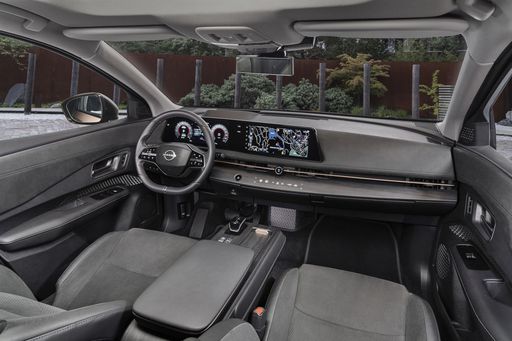
The Nissan Ariya wraps futuristic, sculpted styling around a calm, high-tech cabin, making the switch to electric feel surprisingly easy and grown-up. It’s a comfortable, sensible EV that favors everyday usability and clever packaging over headline-grabbing theatrics — ideal for buyers who want an elegant, low-fuss electric car without the ego.

details

Hyundai Kona

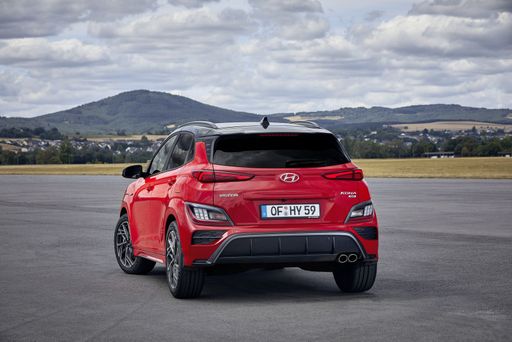
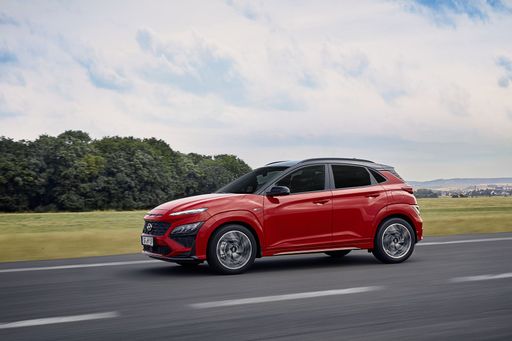
The Hyundai Kona is a compact crossover that pairs bold styling with practical everyday usability, offering a comfortable cabin and intuitive tech for modern drivers. Available in both conventional and electrified versions, Kona brings lively handling and strong value for buyers who want crossover versatility and standout character.

details
Nissan Ariya
Hyundai Kona

Costs and Consumption

Price
54,800 £
Price
23,600 - 41,900 £
Consumption L/100km
-
Consumption L/100km
4.6 - 7 L/100km
Consumption kWh/100km
24.5 kWh/100km
Consumption kWh/100km
14.6 - 16.1 kWh/100km
Electric Range
417 km
Electric Range
380 - 510 km
Battery Capacity
-
Battery Capacity
-
co2
0 g/km
co2
0 - 163 g/km
Fuel tank capacity
-
Fuel tank capacity
-

Dimensions and Body

Body Type
SUV
Body Type
SUV
Seats
5
Seats
5
Doors
-
Doors
-
Curb weight
2,277 kg
Curb weight
1,370 - 1,773 kg
Trunk capacity
415 L
Trunk capacity
466 L
Length
-
Length
-
Width
1,850 mm
Width
1,825 mm
Height
-
Height
-
Max trunk capacity
-
Max trunk capacity
-
Payload
363 kg
Payload
420 - 490 kg

Engine and Performance

Engine Type
Electric
Engine Type
Petrol, Full Hybrid, Electric
Transmission
Automatic
Transmission
Manuel, Automatic
Transmission Detail
Reduction Gearbox
Transmission Detail
Manual Gearbox, Dual-Clutch Automatic, Reduction Gearbox
Drive Type
All-Wheel Drive
Drive Type
Front-Wheel Drive, All-Wheel Drive
Power HP
435 HP
Power HP
115 - 204 HP
Acceleration 0-100km/h
5 s
Acceleration 0-100km/h
8.1 - 11.9 s
Max Speed
-
Max Speed
-
Torque
600 Nm
Torque
200 - 265 Nm
Number of Cylinders
-
Number of Cylinders
3 - 4
Power kW
320 kW
Power kW
85 - 150 kW
Engine capacity
-
Engine capacity
998 - 1,598 cm3

General

Model Year
2025
Model Year
2025
CO2 Efficiency Class
A
CO2 Efficiency Class
D, C, E, F, A
Brand
Nissan
Brand
Hyundai
DriveDuel uses data analysis and artificial intelligence to evaluate vehicle data and create content. Content is regularly reviewed and improved. The displayed prices are estimates based on German list prices, adjusted to the respective country’s VAT. Country-specific registration taxes are not included. This information is not legally binding.