VS

Omoda 9 vs BYD Sealion 7 comparison

Compare performance (537 HP vs 530 HP), boot space and price (45,300 £ vs 42,800 £ ) at a glance. Find out which car is the better choice for you – Omoda 9 or BYD Sealion 7?

Omoda 9 vs BYD Sealion 7: Key differences

Omoda 9

5 (1 Reviews)
rate
  • very slightly more power
details

BYD Sealion 7

4.9 (3 Reviews)
rate
  • only slightly cheaper
  • significantly more electric range
  • marginally quicker 0–100 km/h
  • very slightly lighter
  • marginally more trunk space
details

All details on performance, efficiency, range and trunk space can be found in the technical comparison below – including user reviews for both models.

By Achim Sedelmaier

9

BYD Sealion 7 VS Omoda 9 — quick take for buyers

BYD Sealion 7 and Omoda 9 are both large, well‑equipped SUVs but they approach the market with different priorities: the Sealion leans toward a quiet, high‑tech electric lounge while the Omoda pitches an efficient, well‑specified plug‑in option. The Sealion feels like a more grown‑up cabin with attention to materials and acoustic comfort, whereas the Omoda sells itself on usable electric driving and sheer value for equipment. Both pack lots of kit and rear‑seat room, yet those similarities hide real differences in long‑distance behavior, loading practicality and daily running costs. Read on to see which trade‑offs matter most for city commutes, family life and motorways before you dive into the numbers.
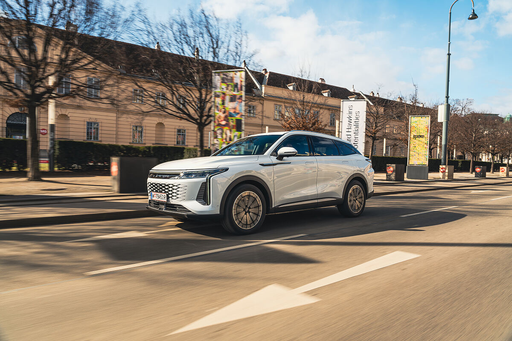
Sealion 7

Character and driving dynamics

The BYD Sealion 7 drives like a heavy, hushed cruiser — plenty of shove but a steering feel that favors serenity over feedback, so it rewards calm, confident drivers rather than button‑down corner cutters. The Omoda 9 is even more comfort‑biased: softer suspension and lighter steering make it an easy, forgiving companion, but that same setup blunts engagement and leaves the driver wanting on twisty roads. In everyday use the Sealion’s stronger electric thrust feels more decisive when merging or overtaking, while the Omoda’s relaxed responses are easier on passengers and tyres over imperfect surfaces. If you value outright smoothness and a planted highway presence, the Sealion tends to suit; if you want a relaxed, low‑effort cruiser with predictable manners, the Omoda is the more natural choice.

9

Comfort and cabin feel

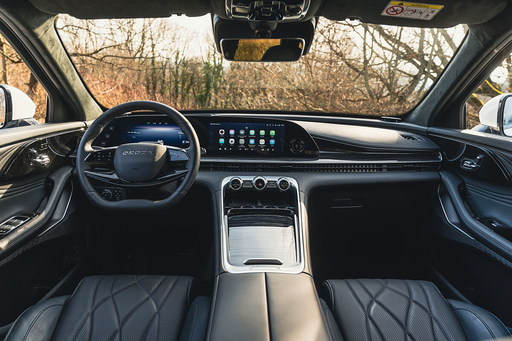
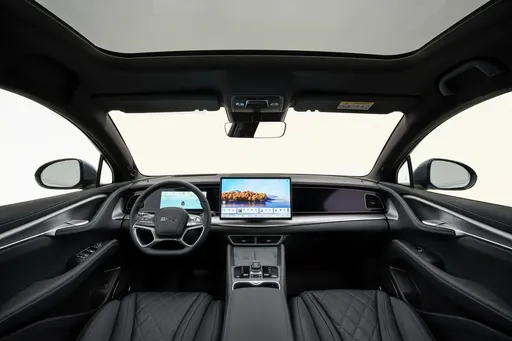
Step into the BYD Sealion 7 and the first impression is a quieter, more premium atmosphere — softer finishes, well‑damped doors and a sense of isolation from road noise that makes long trips less tiring. The Omoda 9 counters with smart packaging and a very generous rear seat experience: flat floor, good legroom and useful rear comforts (ventilation and adjustable backs) that families will appreciate. Where the Sealion prioritises hush and perceived quality, the Omoda focuses on practical creature comforts and a value‑rich spec that’s felt most in the back seats. Both cars have infotainment quirks and some buried menu items, but the Sealion’s cabin reads more upscale while the Omoda wins on practical rear comfort.

Sealion 7

Practicality and everyday usability

On paper both promise useful space, yet the Sealion’s sloping roofline trims headroom and makes its boot less straightforward for tall loads than the numbers suggest, so large‑item users should test it with real cargo. The Omoda 9 offers a flatter load floor and a roomy rear area that’s easier to live with for strollers, suitcases and family gear, although the trunk’s shallow shape and lack of deep underfloor storage can limit flexibility. In the real world the Sealion’s frunk and neat interior storage add convenience, while the Omoda’s simpler, more open boot is quicker to use day‑to‑day. If your priority is loading versatility and rear passenger practicality, the Omoda has the edge; if you prize a refined cabin and clever on‑board conveniences, the Sealion will feel more satisfying.

City friendliness versus long‑distance behavior

The BYD Sealion 7 excels at motorway calm — its acoustic refinement and sustained electric performance make long runs civilised, and the car’s capability to rapid charge shortens stops when infrastructure behaves. That said, its appetite at sustained high speeds means actual stage lengths can be shorter than advertised, so planning matters on long trips. The Omoda 9’s plug‑in layout delivers very usable everyday electric range for commuting and errand runs, keeping fuel bills down, and its soft ride is comfortable on highways, though it relies on the combustion engine for very long journeys. In town the Omoda’s efficiency and frugal daily running are strong selling points, while the Sealion is better when you want pure electric distance between charges and a quieter cocoon at motorway speeds — each suits a different travel pattern.

Buyer fit and how to choose what matters

If you’re after a full‑electric, premium‑feeling SUV with strong charging capability and a hushed cabin, the BYD Sealion 7 is aimed at comfort‑and‑tech buyers who prioritise long, quiet legs and cabin quality over maximum boot depth. If your life is dominated by daily electric commutes, predictable running costs and a need for practical rear space at a competitive price, the Omoda 9’s plug‑in flexibility and value will match you better. Families who prioritise rear‑seat usability and easy loading will prefer the Omoda’s layout, while those who want an upscale lounge for motorway miles will gravitate toward the Sealion. Use this editorial fit‑map as a guide to what to focus on in the technical comparison that follows — charging behavior, real‑world range and trunk geometry will be the deciding details for most buyers.

Here’s where it gets real: The technical differences in detail

9

Costs and Efficiency:

Looking at overall running costs, both models reveal some interesting differences in everyday economy.

BYD Sealion 7 is only slightly cheaper – starting at 42,800 £ , while the Omoda 9 costs 45,300 £ . That’s a price difference of around 2,494 £.

As for electric range, the BYD Sealion 7 offers significantly more range – reaching up to 502 km, about 357 km more than the Omoda 9.

Sealion 7

Engine and Performance:

Power, torque and acceleration say a lot about how a car feels on the road. This is where you see which model delivers more driving dynamics.

When it comes to engine power, the Omoda 9 offers very slightly more power – delivering 537 HP compared to 530 HP. That’s roughly 7 HP more horsepower.

When accelerating from 0 to 100 km/h, the BYD Sealion 7 is marginally quicker – completing the sprint in 4.5 s, while the Omoda 9 takes 4.9 s. That’s about 0.4 s quicker.

There’s also a difference in torque: the BYD Sealion 7 delivers only slightly more torque with 690 Nm compared to 650 Nm. That’s about 40 Nm more.

9

Space and Everyday Use:

Beyond pure performance, interior space and usability matter most in daily life. This is where you see which car is more practical and versatile.

Both vehicles offer seating for 5 people.

In terms of curb weight, BYD Sealion 7 is very slightly lighter – 2,225 kg compared to 2,270 kg. The difference is around 45 kg.

Looking at boot space, the BYD Sealion 7 offers marginally more boot space – 520 L compared to 471 L. That’s a difference of about 49 L.

When it comes to payload, the Omoda 9 carries marginally more – 447 kg compared to 410 kg. That’s a difference of about 37 kg.

Who wins the race in the data check?

The BYD Sealion 7 is far ahead overall in the objective data comparison.
This result only shows which model scores more points on paper – not which of the two cars feels right for you.

from £42,800
Sealion 7

BYD Sealion 7

  • Engine Type Electric
  • Transmission Automatic
  • Drive Type Rear-Wheel Drive, All-Wheel Drive
  • Power HP 313 - 530 HP
  • Consumption kWh/100km 19.9 - 21.9 kWh/100km
  • Electric Range 456 - 502 km
Omoda 9
BYD Sealion 7

Costs and Consumption

View detailed analysis

Engine and Performance

View detailed analysis

Dimensions and Body

View detailed analysis

Omoda 9

The Omoda 9 blends bold, contemporary styling with a surprisingly spacious and well-appointed interior that punches above its class. It offers a composed, comfortable ride and modern infotainment and safety features that make it a strong choice for buyers wanting a practical yet stylish family crossover.

details

BYD Sealion 7

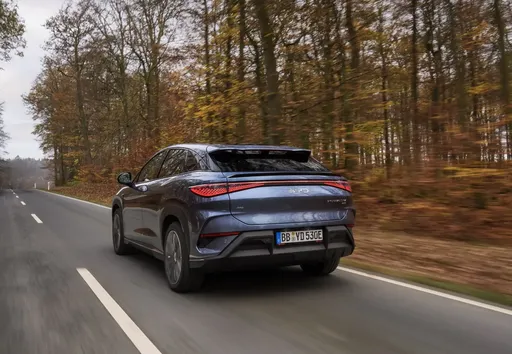
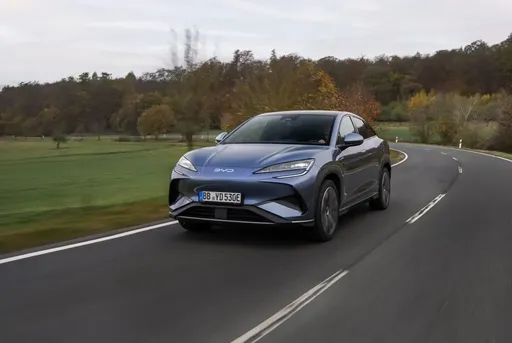
The BYD Sealion 7 is a sleek electric wagon that blends sporty styling with surprising practicality, making it a compelling choice for drivers who want something different from the usual hatchback or SUV. Its refined interior and composed road manners give it an upscale feel, while clever packaging keeps it versatile for daily use.

details
Omoda 9
BYD Sealion 7

Costs and Consumption

Price
45,300 £
Price
42,800 - 52,300 £
Consumption L/100km
1.6 L/100km
Consumption L/100km
-
Consumption kWh/100km
-
Consumption kWh/100km
19.9 - 21.9 kWh/100km
Electric Range
145 km
Electric Range
456 - 502 km
Battery Capacity
-
Battery Capacity
-
co2
38 g/km
co2
0 g/km
Fuel tank capacity
-
Fuel tank capacity
-

Dimensions and Body

Body Type
SUV
Body Type
SUV
Seats
5
Seats
5
Doors
-
Doors
-
Curb weight
2,270 kg
Curb weight
2,225 - 2,435 kg
Trunk capacity
471 L
Trunk capacity
520 L
Length
-
Length
-
Width
1,920 mm
Width
1,925 mm
Height
-
Height
-
Max trunk capacity
-
Max trunk capacity
-
Payload
447 kg
Payload
410 kg

Engine and Performance

Engine Type
Plugin Hybrid
Engine Type
Electric
Transmission
Automatic
Transmission
Automatic
Transmission Detail
Automatic Gearbox
Transmission Detail
Reduction Gearbox
Drive Type
All-Wheel Drive
Drive Type
Rear-Wheel Drive, All-Wheel Drive
Power HP
537 HP
Power HP
313 - 530 HP
Acceleration 0-100km/h
4.9 s
Acceleration 0-100km/h
4.5 - 6.7 s
Max Speed
-
Max Speed
-
Torque
650 Nm
Torque
380 - 690 Nm
Number of Cylinders
4
Number of Cylinders
-
Power kW
395 kW
Power kW
230 - 390 kW
Engine capacity
1,499 cm3
Engine capacity
-

General

Model Year
2026
Model Year
2024
CO2 Efficiency Class
B
CO2 Efficiency Class
A
Brand
Omoda
Brand
BYD
DriveDuel uses data analysis and artificial intelligence to evaluate vehicle data and create content. Content is regularly reviewed and improved. The displayed prices are estimates based on German list prices, adjusted to the respective country’s VAT. Country-specific registration taxes are not included. This information is not legally binding.