VS

Omoda 9 vs Mercedes GLC comparison

Compare performance (537 HP vs 472 HP), boot space and price (45,300 £ vs 50,300 £ ) at a glance. Find out which car is the better choice for you – Omoda 9 or Mercedes GLC?

Omoda 9 vs Mercedes GLC: Key differences

Omoda 9

4.9 (4 Reviews)
rate
  • moderately cheaper
  • moderately more power
  • moderately more electric range
details

Mercedes GLC

4.4 (16 Reviews)
rate
  • a bit quicker 0–100 km/h
  • somewhat lighter
  • markedly more trunk space
details

All details on performance, efficiency, range and trunk space can be found in the technical comparison below – including user reviews for both models.

By Achim Sedelmaier

9

Mercedes GLC vs Omoda 9 — quick summary for shoppers

Mercedes GLC and Omoda 9 address similar needs but with very different emphases: the GLC leans into premium refinement and traditional SUV utility, while the Omoda 9 pushes plug‑in electrification, rear‑seat comfort and value. The GLC feels like a settled, cultured long‑distance partner with a more luxurious material mix and the option to dial in air suspension for even greater composure. The Omoda 9 presents itself as a tech‑rich, cost‑conscious alternative that delivers a notably longer electric driving capability and remarkable standard equipment for the money. For many buyers the choice will come down to whether you prioritise premium polish and trunk practicality or electric range, rear passenger space and bang‑for‑buck equipment.
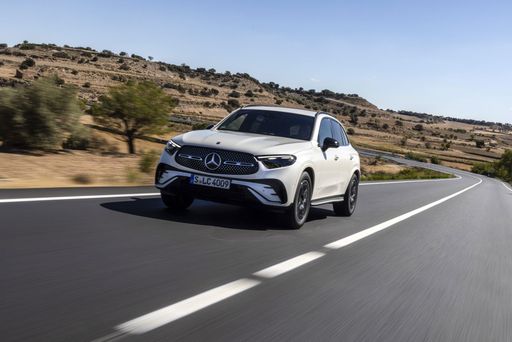
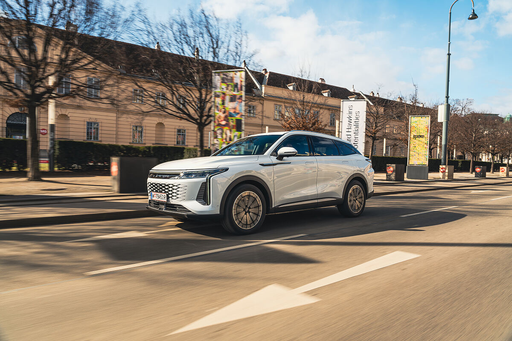
GLC

Driving character and everyday usability

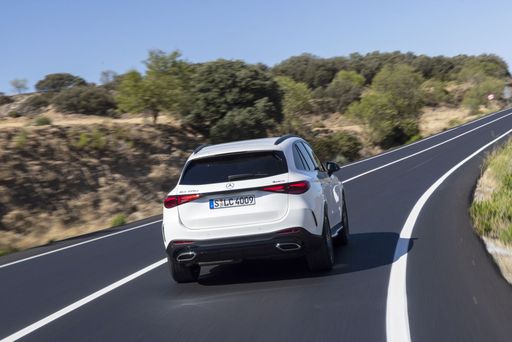
The Mercedes GLC drives like a composed, weighty SUV — it’s planted on the motorway and rewards patient inputs with stability rather than theatrical feedback. The Omoda 9 is tuned for serene cruising in electric mode and city calm, but its steering and body control feel softer and less communicative when you ask for enthusiasm. That trade‑off matters: the GLC will feel more confidence‑inspiring on twisty A‑roads or when towing, whereas the Omoda 9 makes stop‑start commuting and quiet neighbourhood runs noticeably easier. If you want an engaging mid‑size SUV, the GLC edges the experience; if you want easy, low‑stress daily driving and strong electric performance, the Omoda 9 is the more natural fit.

9

Comfort and long‑distance behavior

The cabin of the Mercedes GLC has the quieter, more insulated feel at speed, especially with the optional air suspension which smooths long motorway miles and eases loading. The Omoda 9 is also comfort‑oriented and pampers rear occupants with a flatter floor and generous legroom, making it a better companion for passengers on long trips. Where they differ in practice is noise and ride character: the GLC prioritises hush and a firmer composure at pace, the Omoda trades a touch more road and wind sound for plushness and a floating ride. Choose the GLC for the quietest highway cruise, pick the Omoda 9 if rear‑seat comfort and everyday electric cruising weigh heavier in your day‑to‑day.

GLC

Practicality, luggage and family use

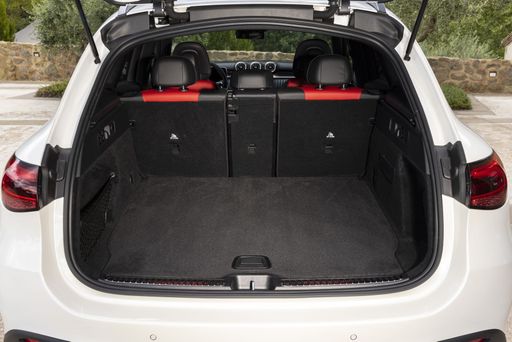
Mercedes GLC gives you the classic SUV practicality many families expect: a wide, usable luggage area in the conventional combustion variants and sensible payload behaviour for heavier loads. The Omoda 9 offers excellent rear‑seat flexibility and plenty of passenger room, but its luggage area is shallower and less adaptable under the floor, which can limit how you pack for longer trips. In daily family life the Omoda 9 wins on passenger comfort and ease of getting car seats in and out, while the GLC earns its keep when you routinely haul bulky suitcases or tow. That makes the GLC a stronger choice for luggage‑heavy holidays and the Omoda 9 better for families who prioritise interior space and electric commuting over deep cargo versatility.

Cabin tech, perceived quality and day‑to‑day ergonomics

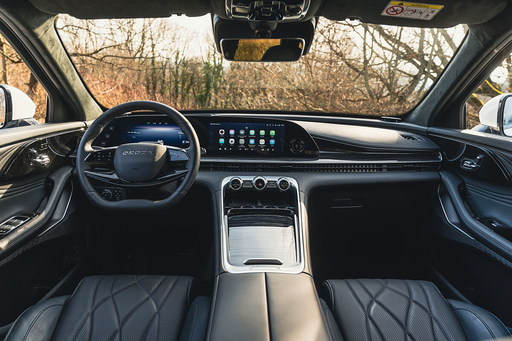
The Mercedes GLC feels more upscale under hand with premium finishes and a polished HMI, but its reliance on touch surfaces and sensitive steering‑wheel controls can be fiddly in everyday life. The Omoda 9 throws a lot of kit at buyers — often for a noticeably lower price — and balances big screens with physical climate knobs that make basic functions easier to reach. Where they both frustrate is in different ways: the GLC’s touch‑centric layout can feel over‑engineered, while the Omoda’s software sometimes buries important settings and shows smaller fonts. If tactile refinement and a quieter, higher‑grade ambience matter, the GLC will feel more satisfying; if you want modern features, rear comfort and simpler physical controls without the premium bill, the Omoda 9 delivers better value.

Which buyer should choose which car?

If your priority is premium feel, the smoothest highway manners and a traditionally usable boot, the Mercedes GLC is the car that will reward long miles and heavy packing with refinement and composure. If you want the most electric‑first miles, generous rear passenger space, and a high level of equipment for a lower outlay, the Omoda 9 fits that brief more tightly. Neither is a one‑size‑fits‑all: pick the GLC when brand presence, material polish and highway serenity are key, choose the Omoda 9 if electric range, rear‑seat usability and value tilt your decision. The technical comparison that follows will turn these everyday differences into the concrete performance, efficiency and packaging numbers that matter for final buying decisions.

Here’s where it gets real: The technical differences in detail

9

Costs and Efficiency:

Price and efficiency are key factors when choosing a car – and this is often where the real differences emerge.

Omoda 9 is moderately cheaper – starting at 45,300 £ , while the Mercedes GLC costs 50,300 £ . That’s a price difference of around 4,985 £.

Both cars consume an average of 1.6 L/100km – no difference here.

As for electric range, the Omoda 9 offers moderately more range – reaching up to 145 km, about 17 km more than the Mercedes GLC.

GLC

Engine and Performance:

Power, torque and acceleration say a lot about how a car feels on the road. This is where you see which model delivers more driving dynamics.

When it comes to engine power, the Omoda 9 offers moderately more power – delivering 537 HP compared to 472 HP. That’s roughly 65 HP more horsepower.

When accelerating from 0 to 100 km/h, the Mercedes GLC is a bit quicker – completing the sprint in 4.2 s, while the Omoda 9 takes 4.9 s. That’s about 0.7 s quicker.

There’s also a difference in torque: the Mercedes GLC delivers slightly more torque with 750 Nm compared to 650 Nm. That’s about 100 Nm more.

9

Space and Everyday Use:

Beyond pure performance, interior space and usability matter most in daily life. This is where you see which car is more practical and versatile.

Both vehicles offer seating for 5 people.

In terms of curb weight, Mercedes GLC is somewhat lighter – 1,985 kg compared to 2,270 kg. The difference is around 285 kg.

Looking at boot space, the Mercedes GLC offers markedly more boot space – 620 L compared to 471 L. That’s a difference of about 149 L.

When it comes to payload, the Mercedes GLC carries visibly more – 575 kg compared to 447 kg. That’s a difference of about 128 kg.

Who wins the race in the data check?

The Mercedes GLC is clearly superior overall in the objective data comparison.
This result only shows which model scores more points on paper – not which of the two cars feels right for you.

from £50,300
GLC

Mercedes GLC

  • Engine Type Diesel MHEV, Plugin Hybrid, Petrol MHEV
  • Transmission Automatic
  • Drive Type All-Wheel Drive
  • Power HP 186 - 472 HP
  • Consumption L/100km 1.6 - 9.4 L/100km
  • Electric Range 122 - 128 km
Omoda 9
Mercedes GLC

Costs and Consumption

View detailed analysis

Engine and Performance

View detailed analysis

Dimensions and Body

View detailed analysis

Omoda 9

The Omoda 9 blends bold, contemporary styling with a surprisingly spacious and well-appointed interior that punches above its class. It offers a composed, comfortable ride and modern infotainment and safety features that make it a strong choice for buyers wanting a practical yet stylish family crossover.

details

Mercedes GLC

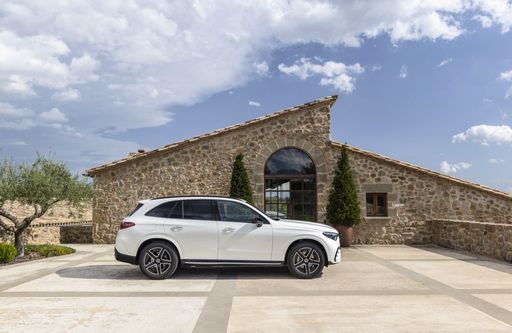
The Mercedes GLC blends quiet refinement with premium materials to create a comfortable, modern cabin that feels more upscale than its size might suggest. It delivers composed handling and confident on-road manners while offering practical versatility and a strong suite of driver assistance and infotainment features.

details
Omoda 9
Mercedes GLC

Costs and Consumption

Price
45,300 £
Price
50,300 - 82,100 £
Consumption L/100km
1.6 L/100km
Consumption L/100km
1.6 - 9.4 L/100km
Consumption kWh/100km
-
Consumption kWh/100km
-
Electric Range
145 km
Electric Range
122 - 128 km
Battery Capacity
-
Battery Capacity
-
co2
38 g/km
co2
41 - 214 g/km
Fuel tank capacity
-
Fuel tank capacity
-

Dimensions and Body

Body Type
SUV
Body Type
SUV
Seats
5
Seats
5
Doors
-
Doors
-
Curb weight
2,270 kg
Curb weight
1,985 - 2,400 kg
Trunk capacity
471 L
Trunk capacity
390 - 620 L
Length
-
Length
-
Width
1,920 mm
Width
1,890 - 1,920 mm
Height
-
Height
-
Max trunk capacity
-
Max trunk capacity
-
Payload
447 kg
Payload
475 - 575 kg

Engine and Performance

Engine Type
Plugin Hybrid
Engine Type
Diesel MHEV, Plugin Hybrid, Petrol MHEV
Transmission
Automatic
Transmission
Automatic
Transmission Detail
Automatic Gearbox
Transmission Detail
Automatic Gearbox
Drive Type
All-Wheel Drive
Drive Type
All-Wheel Drive
Power HP
537 HP
Power HP
186 - 472 HP
Acceleration 0-100km/h
4.9 s
Acceleration 0-100km/h
4.2 - 9 s
Max Speed
-
Max Speed
-
Torque
650 Nm
Torque
380 - 750 Nm
Number of Cylinders
4
Number of Cylinders
4 - 6
Power kW
395 kW
Power kW
137 - 347 kW
Engine capacity
1,499 cm3
Engine capacity
1,993 - 2,999 cm3

General

Model Year
2026
Model Year
2,025 - 2,026
CO2 Efficiency Class
B
CO2 Efficiency Class
D, B, E, F, G
Brand
Omoda
Brand
Mercedes-Benz
DriveDuel uses data analysis and artificial intelligence to evaluate vehicle data and create content. Content is regularly reviewed and improved. The displayed prices are estimates based on German list prices, adjusted to the respective country’s VAT. Country-specific registration taxes are not included. This information is not legally binding.