VS

Vauxhall Combo vs Citroen Berlingo comparison

Compare performance (130 HP vs 136 HP), boot space and price (22,900 £ vs 20,300 £ ) at a glance. Find out which car is the better choice for you – Vauxhall Combo or Citroen Berlingo?

Vauxhall Combo vs Citroen Berlingo: Key differences

Vauxhall Combo

details

Citroen Berlingo

  • moderately cheaper
  • only slightly more power
  • marginally more efficient
  • only slightly lighter
details

By Achim Sedelmaier

Combo

Citroen Berlingo VS Opel Combo — compact high-roof practicals compared

Citroen Berlingo and Opel Combo start from the same brief — a tall, practical cabin with sliding doors — but they deliver that brief in characterfully different ways. The Berlingo leans into maximum everyday usefulness and cushioned comfort, while the Combo emphasizes a quieter, more composed feel and simpler, familiar controls. Both promise huge usable space, yet the way they feel while living with them day to day is where the choice becomes obvious. This comparison looks beyond sheet‑specs to show which car suits which buyer and which compromises you’ll accept. Expect clear trade‑offs around comfort, loading, cabin materials and long‑distance usability rather than headline performance differences.
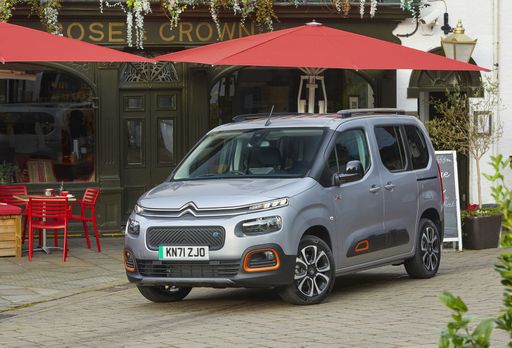
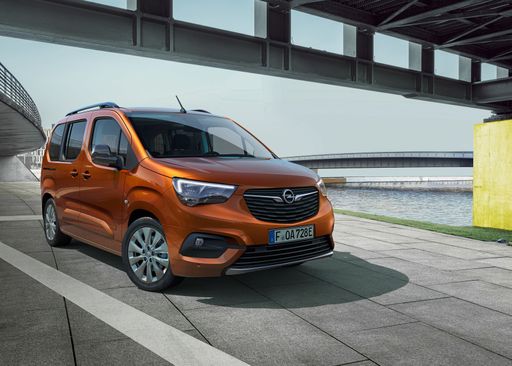
Berlingo

Driving character: relaxed comfort versus hushed composure

The Citroen Berlingo drives with a deliberately soft, forgiving suspension that prioritises passenger comfort and a relaxed ride over agility, so it feels pleasant on bumpy suburban streets and town lanes. The Opel Combo, by contrast, trades a touch of that floatiness for a quieter cabin and a steadier motorway demeanour — it settles into long runs with less intrusion from road and wind noise. Neither car is aimed at the enthusiast; both exhibit noticeable body roll and an indirect steering feel, but Berlingo’s softer setup makes it feel more lounge-like while the Combo feels more composed and grown-up on long straights. If you want the sensation of a comfortable wagon, Berlingo nudges ahead; if you prioritise low cabin noise and a planted feel on highways, Combo is the better companion.

Combo

Comfort and long-distance usability

Citroen Berlingo’s seats and suspension philosophy favour everyday comfort, making short hops and school runs pleasantly undemanding, and its optional advanced comfort seats are a genuine plus for regular passengers. Opel Combo offers a quieter, more insulated interior that reduces fatigue on sustained trips, though some front seats feel narrower and may require more frequent breaks on really long legs. The Berlingo can show more wind noise at higher speeds due to its boxy shape, which is noticeable on fast motorways; the Combo’s calmer acoustic environment masks distance better but can be limited by battery or range considerations if you’re in the electric version. So for frequent long-haul cruising the Combo’s refinement helps, while for mixed family use with lots of stops the Berlingo’s softer ride wins out.

Berlingo

Practicality and load-carrying: how they differ in real use

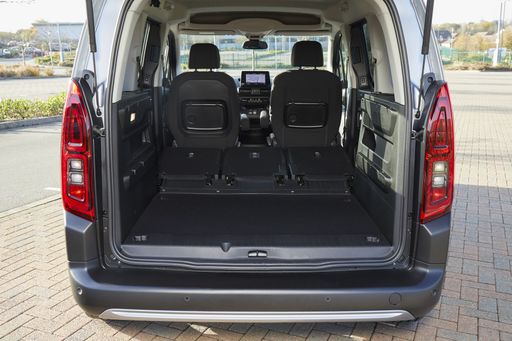
Both cars are exemplary for families and active lifestyles thanks to tall, square boot spaces and sliding doors, but the Berlingo amplifies that utility with a very user-friendly cargo area and stronger payload tolerance for heavier kit. The Combo counters with a lower load lip and a huge, easy opening that makes lifting bikes, crates or a stroller simpler — it’s the one you’ll choose if frequent manual loading matters. Berlingo’s higher payload capacity makes it more forgiving when you regularly carry heavier gear or fit roof racks and hitch accessories, whereas Combo’s practical loading geometry is nicer for awkward but lighter items and quicker day-to-day loading. In short: Berlingo is the better workhorse for weight and versatility, Combo is the faster, cleaner solution for getting things in and out without fuss.

Combo

Cabin feel and everyday usability

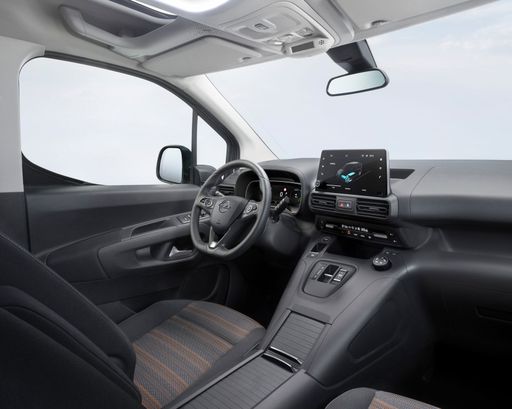
The Citroen Berlingo wears its utilitarian roots openly — lots of hardwearing plastics and practical, large storage cubbies — so the interior feels durable and very family‑friendly, but not premium. The Opel Combo generally feels a touch more refined inside, with clearer climate and volume controls and stronger lighting tech that make evenings and night driving easier, although its infotainment software can be fiddly and occasionally frustrating. Berlingo’s updated screen and connectivity offer modern features, but reviewers regularly flag the ergonomics as fiddly compared with Combo’s straightforward knobs and tactile basics. If you prize tactile, no-nonsense controls and better night visibility, Combo has the edge; if you prioritise rugged practicality and clever storage, Berlingo is the roomier, tougher-feeling choice.

Berlingo

Buyer fit: who should choose which car before digging into the specs

Choose the Citroen Berlingo if your life revolves around hauling family gear, irregular heavy loads or multi-child duty and you value the soft ride and maximum usable space over a polished cabin finish. Opt for the Opel Combo if you prefer a quieter, more composed motorway companion with easier day‑to‑day loading, clearer physical controls and stronger night-time visibility, while accepting the trade-offs around range and software in the electric variants. Both suit pragmatic buyers who prioritise utility, but Berlingo skews toward payload, modularity and comfort while Combo leans toward acoustic refinement, loading ergonomics and straightforward usability. The technical comparison that follows will unpack how those real‑world differences map to batteries, payload limits and cabin tech so you can translate feelings into the specs that matter for your routines.

Here’s where it gets real: The technical differences in detail

Combo

Costs and Efficiency:

Price and efficiency are often the first things buyers look at. Here it becomes clear which model has the long-term edge – whether at the pump, the plug, or in purchase price.

Citroen Berlingo is moderately cheaper – starting at 20,300 £ , while the Vauxhall Combo costs 22,900 £ . That’s a price difference of around 2,546 £.

Fuel consumption also shows a difference: the Citroen Berlingo uses 5.3 L/100km and is marginally more efficient than the Vauxhall Combo with 5.4 L/100km. The difference is about 0.1 L/100km.

Berlingo

Engine and Performance:

Power, torque and acceleration are the classic benchmarks for car enthusiasts – and here, some clear differences start to show.

When it comes to engine power, the Citroen Berlingo offers only slightly more power – delivering 136 HP compared to 130 HP. That’s roughly 6 HP more horsepower.

Both models offer the same torque – 300 Nm.

Combo

Space and Everyday Use:

Cabin size, boot volume and payload all play a role in everyday practicality. Here, comfort and flexibility make the difference.

Both vehicles offer seating for 7 people.

In terms of curb weight, Citroen Berlingo is only slightly lighter – 1,476 kg compared to 1,505 kg. The difference is around 29 kg.

Boot capacity is identical – both offer 1,050 L of storage.

When it comes to payload, the Citroen Berlingo carries moderately more – 840 kg compared to 695 kg. That’s a difference of about 145 kg.

Who wins the race in the data check?

The Citroen Berlingo holds a decisive overall lead in the objective data comparison.
This result only shows which model scores more points on paper – not which of the two cars feels right for you.

from £20,300
Berlingo

Citroen Berlingo

  • Engine Type Electric, Diesel, Petrol
  • Transmission Automatic, Manuel
  • Drive Type Front-Wheel Drive
  • Power HP 102 - 136 HP
  • Consumption L/100km 5.3 - 6.3 L/100km
  • Consumption kWh/100km 18 - 18.7 kWh/100km
  • Electric Range 334 - 343 km
Vauxhall Combo
Citroen Berlingo

Costs and Consumption

View detailed analysis

Engine and Performance

View detailed analysis

Dimensions and Body

View detailed analysis

Vauxhall Combo

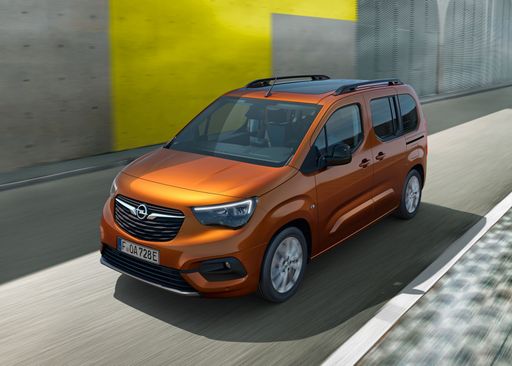
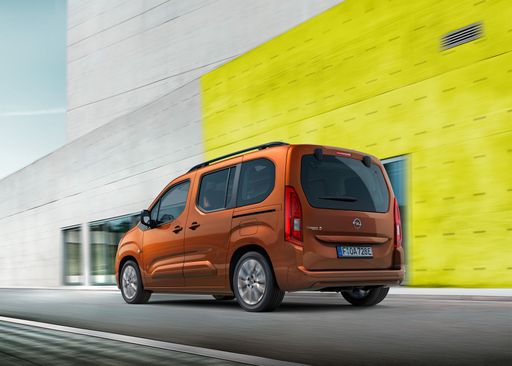
The Opel Combo is a hardworking and surprisingly polished small van that blends van-like practicality with car-like comfort, making it a sensible choice for families and tradespeople who need versatility without fuss. It may not grab attention on the style front, but clever packaging and a levelheaded approach mean you spend more time getting things done and less time worrying about compromise.

details

Citroen Berlingo

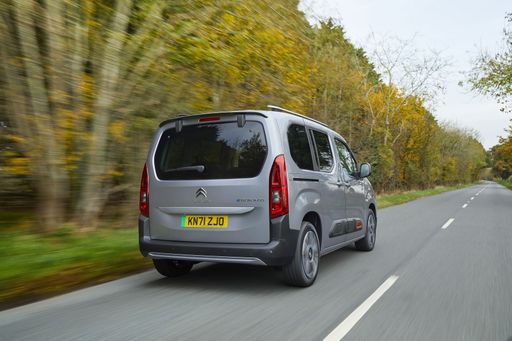
The Citroën Berlingo is a charming, practical MPV that blends everyday versatility with a comfy ride and clever storage tricks that make life easier for families and small businesses. It won’t star in a sports-car ad, but its sensible layout, enormous load flexibility and friendly demeanor mean it often wins on plain common sense — perfect for school runs, weekend escapes and the odd IKEA mission.

details
Vauxhall Combo
Citroen Berlingo

Costs and Consumption

Price
22,900 - 28,000 £
Price
20,300 - 34,900 £
Consumption L/100km
5.4 - 5.8 L/100km
Consumption L/100km
5.3 - 6.3 L/100km
Consumption kWh/100km
-
Consumption kWh/100km
18 - 18.7 kWh/100km
Electric Range
-
Electric Range
334 - 343 km
Battery Capacity
-
Battery Capacity
-
co2
141 - 151 g/km
co2
0 - 151 g/km
Fuel tank capacity
-
Fuel tank capacity
-

Dimensions and Body

Body Type
High Roof Estate
Body Type
High Roof Estate
Seats
5 - 7
Seats
5 - 7
Doors
-
Doors
-
Curb weight
1,505 - 1,644 kg
Curb weight
1,476 - 1,922 kg
Trunk capacity
775 - 1,050 L
Trunk capacity
775 - 1,050 L
Length
-
Length
-
Width
1,848 mm
Width
1,848 mm
Height
-
Height
-
Max trunk capacity
-
Max trunk capacity
-
Payload
544 - 695 kg
Payload
509 - 840 kg

Engine and Performance

Engine Type
Diesel
Engine Type
Electric, Diesel, Petrol
Transmission
Manuel
Transmission
Automatic, Manuel
Transmission Detail
Manual Gearbox
Transmission Detail
Reduction Gearbox, Manual Gearbox, Automatic Gearbox
Drive Type
Front-Wheel Drive
Drive Type
Front-Wheel Drive
Power HP
102 - 130 HP
Power HP
102 - 136 HP
Acceleration 0-100km/h
-
Acceleration 0-100km/h
11.2 - 14.3 s
Max Speed
-
Max Speed
-
Torque
250 - 300 Nm
Torque
205 - 300 Nm
Number of Cylinders
4
Number of Cylinders
3 - 4
Power kW
75 - 96 kW
Power kW
75 - 100 kW
Engine capacity
1,499 cm3
Engine capacity
1,199 - 1,499 cm3

General

Model Year
2025
Model Year
2,024 - 2,026
CO2 Efficiency Class
E
CO2 Efficiency Class
A, E
Brand
Vauxhall
Brand
Citroen
DriveDuel uses data analysis and artificial intelligence to evaluate vehicle data and create content. Content is regularly reviewed and improved. The displayed prices are estimates based on German list prices, adjusted to the respective country’s VAT. Country-specific registration taxes are not included. This information is not legally binding.