VS

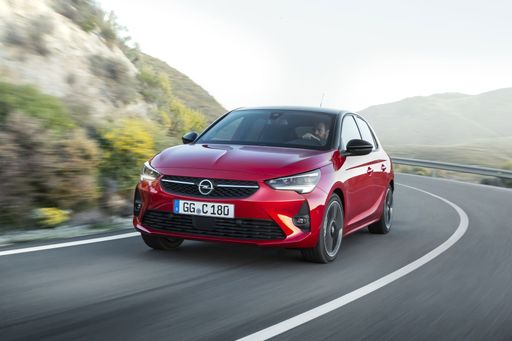
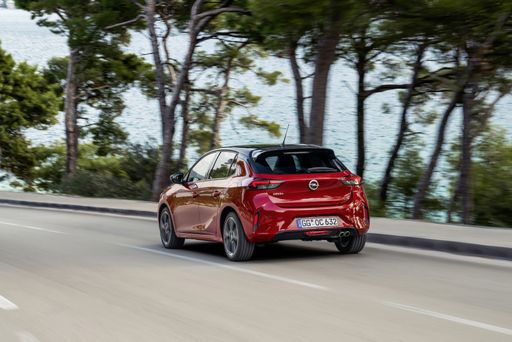
Vauxhall Corsa vs Suzuki Swift comparison

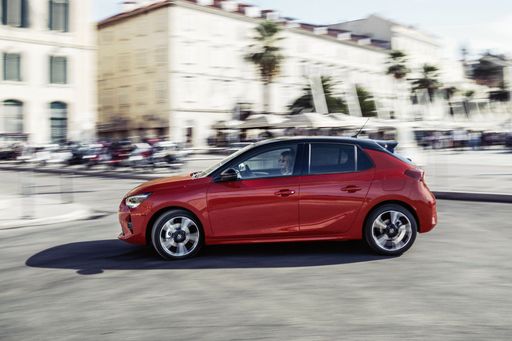
Compare performance (156 HP vs 82 HP), boot space and price (19,600 £ vs 17,100 £ ) at a glance. Find out which car is the better choice for you – Vauxhall Corsa or Suzuki Swift?

Vauxhall Corsa vs Suzuki Swift: Key differences

Vauxhall Corsa

  • significantly more power
details

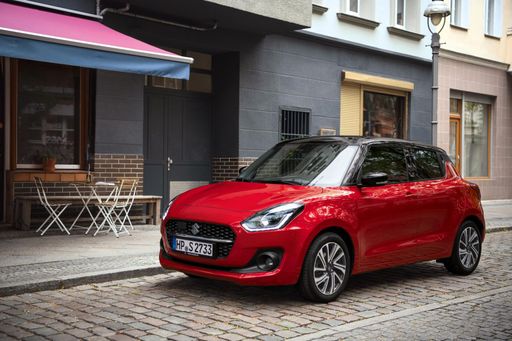
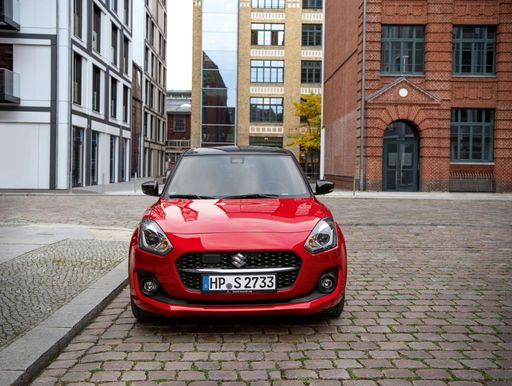
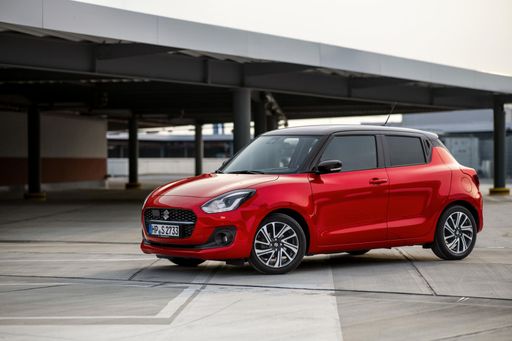
Suzuki Swift

4.2 (4 Reviews)
rate
  • somewhat cheaper
  • only slightly more efficient
  • marginally lighter
details

All details on performance, efficiency, range and trunk space can be found in the technical comparison below – including user reviews for both models.

By Achim Sedelmaier

Corsa

Vauxhall Corsa VS Suzuki Swift — who should you actually buy?

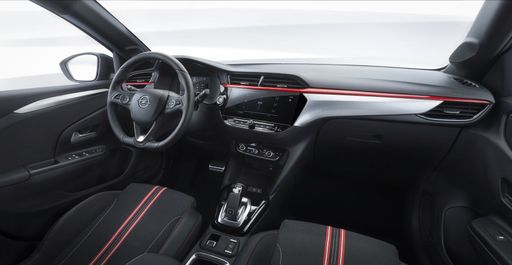
Vauxhall Corsa and Suzuki Swift plug into the same small‑car slot but arrive with noticeably different agendas: the Corsa plays the efficient, better‑equipped all‑rounder while the Swift trades outright refinement for low running costs and sprightliness. The Corsa leans on more modern infotainment and the option of very economical drivetrains, making it feel like a slightly more grown‑up small car. The Swift feels lighter and more playful in town and punches above its weight on price and kit. This matchup is less about which is “best” and more about which compromises you can live with day to day.
Swift

Character and driving feel

The Vauxhall Corsa drives with a controlled, slightly firm manner: steering is precise and the chassis rewards confident inputs, especially if you value a composed feel at speed, whereas the Suzuki Swift sells itself on lightness and agility, feeling brisk and eager in town corners. The Corsa’s stronger powertrains give it a more relaxed temperament on fast roads and when you need to overtake, while the Swift’s smaller, higher‑revving engine requires you to plan moves and work the gearbox more. In short, the Corsa feels like the scaled‑up, composed option and the Swift like the featherweight city sprinter. Both cars are fun in their own way, but they ask different driving styles from you.

Corsa

Comfort and long‑distance behavior

For everyday commutes and longer trips the Vauxhall Corsa typically rewards the driver with comfortable front seats and a confident highway presence, though its firmer suspension and audible wind or tyre noise can make long motorway stints feel a touch harsher. The Suzuki Swift’s compactness and lighter steering are effortless around town, but on rough roads and at sustained high speed it communicates more vibration and higher engine noise, which gets tiring sooner. If you cover a mix of motorway miles and want easier overtakes, the Corsa’s extra punch and seat comfort tip the balance; if most of your miles are short hops, the Swift’s simplicity is less fatiguing. Both will show their weaknesses on very long tours, but they do so for different reasons.

Swift

Usability, cabin and everyday practicality

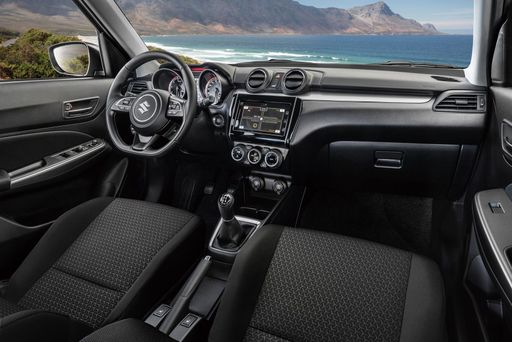
Inside, the Vauxhall Corsa presents a more modern interface with quicker infotainment and sensible physical climate controls, yet it also keeps a compact boot and a rear bench that feels tight for passengers, so practical usability is uneven. The Suzuki Swift offers clearer visibility, easier parking and a cabin that’s straightforward to live with, plus generous standard equipment, but its boot layout and high loading lip make everyday loading less convenient. So you get a smarter‑feeling cabin in the Corsa but more pragmatic ergonomics in the Swift; neither excels as a small‑family hauler. Depending on whether you prioritise driver tech or easy town practicality, one will feel more useful on a daily basis.

Corsa

Perceived quality, running costs and safety impressions

The Vauxhall Corsa gives a more contemporary impression thanks to updated infotainment and a refined engine lineup, but its material mix still includes noticeable hard plastics that keep the cabin feeling functional rather than premium. The Suzuki Swift makes up for simpler materials with lower purchase price and very modest real‑world fuel use, so ownership costs and value speak strongly in its favour. Safety and braking impressions are another wedge: the Swift’s value‑driven package comes with compromises in crash‑test impressions and pedal feel that some buyers will find unacceptable, while the Corsa generally feels safer and better equipped in active assistance. Put simply, the Swift saves you money now and later, the Corsa asks for a bit more cash in exchange for perceived tech and on‑road reassurance.

Swift

Buyer fit — who should pick which car?

If your priority is economical urban running, a low purchase price and a car that is effortless to park and live with every day, the Suzuki Swift is the clear lean: it’s light, well‑equipped as standard and cheap to run. If you want stronger performance reserves, a more modern infotainment experience, and front‑seat comfort that eases long commutes, the Vauxhall Corsa is the more suitable choice, particularly for drivers who mix city driving with regular motorway stretches. Families or buyers who need generous luggage space and the quietest long‑distance behaviour should look elsewhere from either model, but those who accept the Swift’s simple finish or the Corsa’s tighter rear will find clear, opposite strengths. The technical comparison that follows will walk through the exact drivetrain, space and equipment trade‑offs so you can match those profiles to your priorities.

Here’s where it gets real: The technical differences in detail

Corsa

Costs and Efficiency:

Price and efficiency are key factors when choosing a car – and this is often where the real differences emerge.

Suzuki Swift is somewhat cheaper – starting at 17,100 £ , while the Vauxhall Corsa costs 19,600 £ . That’s a price difference of around 2,478 £.

Fuel consumption also shows a difference: the Suzuki Swift uses 4.4 L/100km and is only slightly more efficient than the Vauxhall Corsa with 4.5 L/100km. The difference is about 0.1 L/100km.

Swift

Engine and Performance:

Under the bonnet, it becomes clear which model is tuned for sportiness and which one takes the lead when you hit the accelerator.

When it comes to engine power, the Vauxhall Corsa offers significantly more power – delivering 156 HP compared to 82 HP. That’s roughly 74 HP more horsepower.

There’s also a difference in torque: the Vauxhall Corsa delivers significantly more torque with 260 Nm compared to 112 Nm. That’s about 148 Nm more.

Corsa

Space and Everyday Use:

Whether family car or daily driver – which one offers more room, flexibility and comfort?

Both vehicles offer seating for 5 people.

In terms of curb weight, Suzuki Swift is marginally lighter – 1,069 kg compared to 1,175 kg. The difference is around 106 kg.

When it comes to payload, the Vauxhall Corsa carries noticeably more – 445 kg compared to 296 kg. That’s a difference of about 149 kg.

Who wins the race in the data check?

The Vauxhall Corsa is far ahead overall in the objective data comparison.
This result only shows which model scores more points on paper – not which of the two cars feels right for you.

from £19,600
Corsa

Vauxhall Corsa

  • Engine Type : Electric, Petrol MHEV, Petrol
  • Transmission : Automatic, Manuel
  • Drive Type : Front-Wheel Drive
  • Power HP : 100 - 156 HP
  • Consumption L/100km : 4.5 - 5.2 L/100km
  • Consumption kWh/100km : 14.2 - 15.7 kWh/100km
  • Electric Range : 357 - 429 km
Vauxhall Corsa
Suzuki Swift

Costs and Consumption

View detailed analysis

Engine and Performance

View detailed analysis

Dimensions and Body

View detailed analysis

Vauxhall Corsa

The Opel Corsa is a tidy little package that blends cheeky styling with sensible practicality, perfect for city streets and weekend escapes alike. It’s easy to live with, economical to run and just lively enough to make daily driving a bit more fun.

details

Suzuki Swift

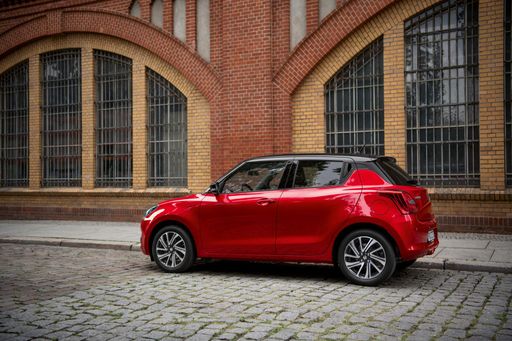
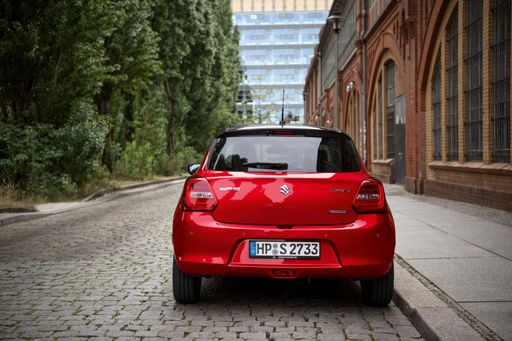
The Suzuki Swift is a cheeky little hatch that turns city streets into its playground with lively handling and a grin-inducing drive. Practical enough for daily chores, thrifty to run and kinder on your wallet than many rivals, it's a sensible pick for buyers who want fun without drama.

details
Vauxhall Corsa
Suzuki Swift

Costs and Consumption

Price
19,600 - 30,600 £
Price
17,100 - 21,200 £
Consumption L/100km
4.5 - 5.2 L/100km
Consumption L/100km
4.4 - 4.9 L/100km
Consumption kWh/100km
14.2 - 15.7 kWh/100km
Consumption kWh/100km
-
Electric Range
357 - 429 km
Electric Range
-
Battery Capacity
-
Battery Capacity
-
co2
0 - 116 g/km
co2
98 - 110 g/km
Fuel tank capacity
-
Fuel tank capacity
-

Dimensions and Body

Body Type
Hatchback
Body Type
Hatchback
Seats
5
Seats
5
Doors
-
Doors
-
Curb weight
1,175 - 1,544 kg
Curb weight
1,069 - 1,145 kg
Trunk capacity
267 - 309 L
Trunk capacity
-
Length
-
Length
-
Width
1,765 mm
Width
1,735 mm
Height
-
Height
-
Max trunk capacity
-
Max trunk capacity
-
Payload
376 - 445 kg
Payload
282 - 296 kg

Engine and Performance

Engine Type
Electric, Petrol MHEV, Petrol
Engine Type
Petrol MHEV
Transmission
Automatic, Manuel
Transmission
Manuel, Automatic
Transmission Detail
Reduction Gearbox, Dual-Clutch Automatic, Manual Gearbox
Transmission Detail
Manual Gearbox, CVT
Drive Type
Front-Wheel Drive
Drive Type
Front-Wheel Drive, All-Wheel Drive
Power HP
100 - 156 HP
Power HP
82 HP
Acceleration 0-100km/h
7.9 - 9.9 s
Acceleration 0-100km/h
-
Max Speed
-
Max Speed
-
Torque
205 - 260 Nm
Torque
112 Nm
Number of Cylinders
3
Number of Cylinders
3
Power kW
74 - 115 kW
Power kW
61 kW
Engine capacity
1,199 cm3
Engine capacity
1,197 cm3

General

Model Year
2,024 - 2,025
Model Year
2025
CO2 Efficiency Class
A, C, D
CO2 Efficiency Class
C
Brand
Vauxhall
Brand
Suzuki
DriveDuel uses data analysis and artificial intelligence to evaluate vehicle data and create content. Content is regularly reviewed and improved. The displayed prices are estimates based on German list prices, adjusted to the respective country’s VAT. Country-specific registration taxes are not included. This information is not legally binding.