VS

Vauxhall Corsa vs VW Golf comparison

Compare performance (156 HP vs 325 HP), boot space and price (19,600 £ vs 28,300 £ ) at a glance. Find out which car is the better choice for you – Vauxhall Corsa or VW Golf?

Vauxhall Corsa vs VW Golf: Key differences

Vauxhall Corsa

  • significantly cheaper
  • significantly more electric range
  • a bit lighter
details

VW Golf

4.6 (1 Reviews)
rate
  • considerably more power
  • significantly more efficient
  • considerably quicker 0–100 km/h
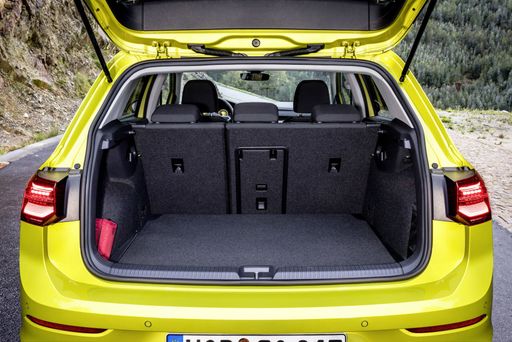
  • slightly more trunk space
details

By Achim Sedelmaier

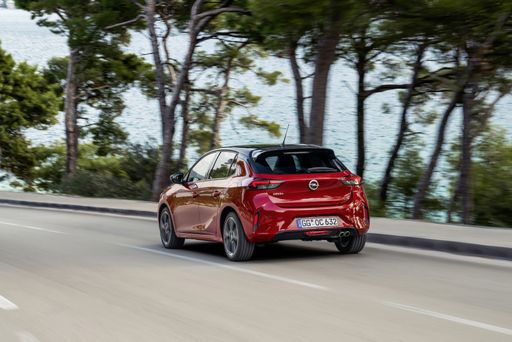
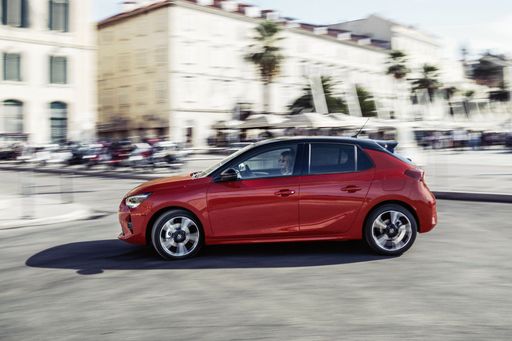
Corsa

Vauxhall Corsa VS VW Golf — quick overview

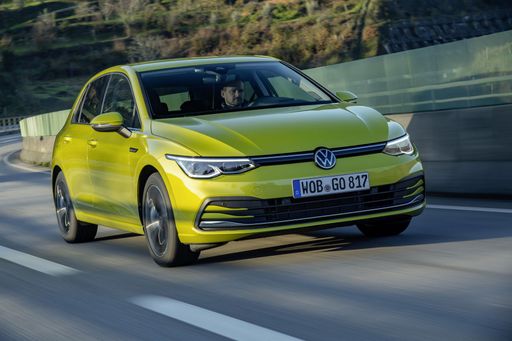
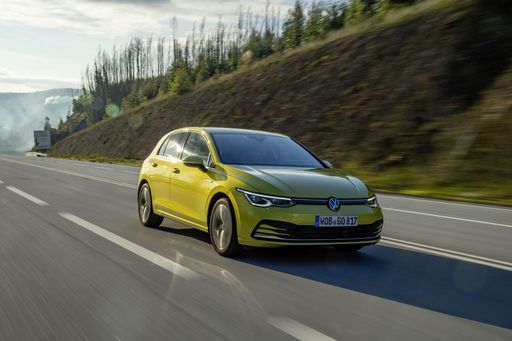
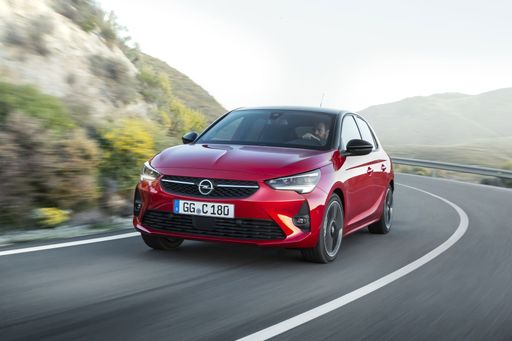
The Vauxhall Corsa and the VW Golf are frequently pitted against each other — this Vauxhall Corsa VS VW Golf comparison explains who each car actually suits. The Corsa shows itself as a compact, efficient city car that keeps ownership and parking simple, while the Golf leans into space, refinement and long‑distance composure. That split shapes everything from suspension tuning to cabin noise and running costs, so the right choice depends on whether you prioritise urban agility or motorway serenity. Read on for clear contrasts in character, comfort, usability and buyer fit to help you decide which one matches your routine.
Golf

Character and driving feel

The Vauxhall Corsa feels light, eager and direct, while the VW Golf presents a heavier, steadier and more restrained character. Corsa’s nimble steering and compact footprint make it quick to change lanes and easy to toss into tight parking spots, whereas Golf rewards measured inputs and trades immediacy for composure at speed. If you like a sharper, slightly firmer ride that keeps you involved, the Corsa will feel engaging; if you want a transmission and chassis that disappear into the background, the Golf is closer to that ideal. Both are competent in traffic, but their personalities clearly favour different drivers — the Corsa for interaction, the Golf for calm confidence.

Corsa

Comfort and long-distance behaviour

On long trips the VW Golf’s advantages are obvious: a quieter cabin, more forgiving suspension settings and seats tuned for extended hours make it a more relaxed motorway companion than the Vauxhall Corsa. The Corsa’s front seats are supportive and comfortable for many journeys, but its firmer ride and more audible wind and tyre noise mean long distances feel more purposeful than plush. Rear occupants will notice the gap too — the Golf gives adults more breathing room while the Corsa’s back seat is tighter. If motorway serenity and low fatigue matter, the Golf is the easier daily partner; if your miles are mostly short hops, the Corsa remains perfectly usable.

Golf

Practicality and everyday usability

Practicality exposes the trade‑offs clearly: the VW Golf offers a roomier cabin and a more usable boot with clever details, while the Vauxhall Corsa prioritises compactness and ease of use in congested environments. Everyday loading and longer luggage runs are simpler in the Golf thanks to a squarer opening and flexible floor options, but the Corsa wins when curb‑side parking or narrow lanes are the daily reality. Both cars come with modern infotainment and driver assists, yet Corsa’s tactile climate buttons and straightforward controls feel quicker to operate on the move, whereas the Golf’s revised interface is cleaner and more polished. Families or regular luggage haulers will prefer the Golf’s space; city dwellers and first‑time buyers will appreciate the Corsa’s simplicity and manoeuvrability.

Corsa

Cabin feel and perceived quality

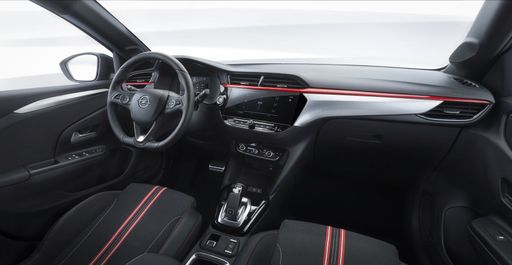
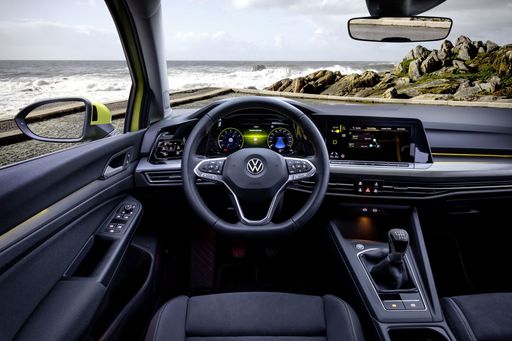
Step inside and the philosophical split becomes tangible: the VW Golf aims for a quieter, more refined cabin impression while the Vauxhall Corsa trades some material finesse for functional touches and a fresher, sportier vibe. Golf’s quieter acoustics and subtler surface finishes create a more premium atmosphere even if practical hard plastics are visible in secondary areas. Corsa’s facelifted dashboard and physical controls make daily operation straightforward and intuitive, which feels like a usability win even when the tactile quality isn’t quite as upmarket. The effect is simple — choose Golf when a restrained, mature interior matters; choose Corsa when usable, no‑nonsense ergonomics are your priority.

Golf

Who should choose which

If your life is dominated by town runs, tight parking and keeping ownership costs down, the Vauxhall Corsa is the sharper fit thanks to its agility, efficiency and lower entry cost. If you routinely carry adults, luggage and cover long motorway miles, the VW Golf rewards you with more space, quieter cruising and features that reduce fatigue on long trips. Budget, driving priorities and typical routes are the deciding factors: Corsa trims the compromises needed for city living, Golf spends more to deliver comfort and usability at scale. Read the technical comparison next to see which specific engines, transmissions and options tip the balance for either the Vauxhall Corsa or the VW Golf.

Here’s where it gets real: The technical differences in detail

Corsa

Costs and Efficiency:

Looking at overall running costs, both models reveal some interesting differences in everyday economy.

Vauxhall Corsa is significantly cheaper – starting at 19,600 £ , while the VW Golf costs 28,300 £ . That’s a price difference of around 8,661 £.

Fuel consumption also shows a difference: the VW Golf uses 1.1 L/100km and is significantly more efficient than the Vauxhall Corsa with 4.5 L/100km. The difference is about 3.4 L/100km.

As for electric range, the Vauxhall Corsa offers significantly more range – reaching up to 429 km, about 286 km more than the VW Golf.

Golf

Engine and Performance:

Power, torque and acceleration are the classic benchmarks for car enthusiasts – and here, some clear differences start to show.

When it comes to engine power, the VW Golf offers considerably more power – delivering 325 HP compared to 156 HP. That’s roughly 169 HP more horsepower.

When accelerating from 0 to 100 km/h, the VW Golf is considerably quicker – completing the sprint in 5.3 s, while the Vauxhall Corsa takes 7.9 s. That’s about 2.6 s quicker.

There’s also a difference in torque: the VW Golf delivers noticeably more torque with 420 Nm compared to 260 Nm. That’s about 160 Nm more.

Corsa

Space and Everyday Use:

Beyond pure performance, interior space and usability matter most in daily life. This is where you see which car is more practical and versatile.

Both vehicles offer seating for 5 people.

In terms of curb weight, Vauxhall Corsa is a bit lighter – 1,175 kg compared to 1,307 kg. The difference is around 132 kg.

Looking at boot space, the VW Golf offers slightly more boot space – 381 L compared to 309 L. That’s a difference of about 72 L.

When it comes to payload, the VW Golf carries a bit more – 508 kg compared to 445 kg. That’s a difference of about 63 kg.

Who wins the race in the data check?

The VW Golf is clearly superior overall in the objective data comparison.
This result only shows which model scores more points on paper – not which of the two cars feels right for you.

from £28,300
Golf

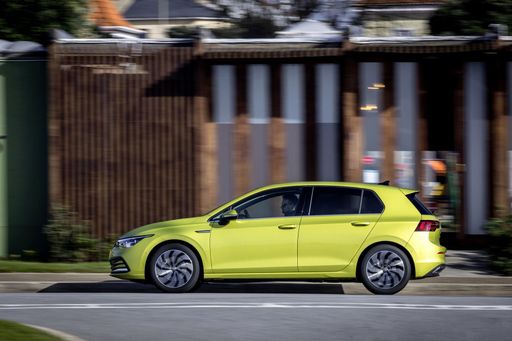
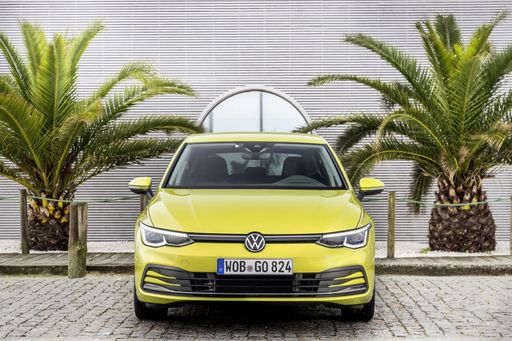
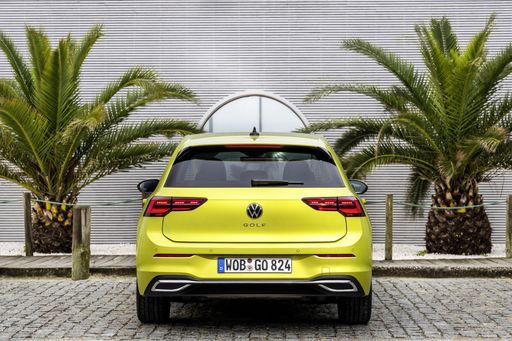
VW Golf

  • Engine Type Petrol, Petrol MHEV, Diesel, Plugin Hybrid
  • Transmission Manuel, Automatic
  • Drive Type Front-Wheel Drive, All-Wheel Drive
  • Power HP 116 - 325 HP
  • Consumption L/100km 1.1 - 7.6 L/100km
  • Electric Range 131 - 143 km
Vauxhall Corsa
VW Golf

Costs and Consumption

View detailed analysis

Engine and Performance

View detailed analysis

Dimensions and Body

View detailed analysis

Vauxhall Corsa

The Opel Corsa is a tidy little package that blends cheeky styling with sensible practicality, perfect for city streets and weekend escapes alike. It’s easy to live with, economical to run and just lively enough to make daily driving a bit more fun.

details

VW Golf

The Golf is a quietly accomplished compact that blends practicality, refinement and approachable driving manners into a very usable everyday package. It’s well built, comfortable and versatile, making it a smart choice whether you want sensible family transport or an enjoyable commuter.

details
Vauxhall Corsa
VW Golf

Costs and Consumption

Price
19,600 - 30,600 £
Price
28,300 - 46,700 £
Consumption L/100km
4.5 - 5.1 L/100km
Consumption L/100km
1.1 - 7.6 L/100km
Consumption kWh/100km
14.2 - 15.7 kWh/100km
Consumption kWh/100km
-
Electric Range
357 - 429 km
Electric Range
131 - 143 km
Battery Capacity
-
Battery Capacity
-
co2
0 - 116 g/km
co2
25 - 173 g/km
Fuel tank capacity
-
Fuel tank capacity
-

Dimensions and Body

Body Type
Hatchback
Body Type
Hatchback
Seats
5
Seats
5
Doors
-
Doors
-
Curb weight
1,175 - 1,544 kg
Curb weight
1,307 - 1,662 kg
Trunk capacity
267 - 309 L
Trunk capacity
273 - 381 L
Length
-
Length
-
Width
1,765 mm
Width
1,789 mm
Height
-
Height
-
Max trunk capacity
-
Max trunk capacity
-
Payload
376 - 445 kg
Payload
438 - 508 kg

Engine and Performance

Engine Type
Electric, Petrol MHEV, Petrol
Engine Type
Petrol, Petrol MHEV, Diesel, Plugin Hybrid
Transmission
Automatic, Manuel
Transmission
Manuel, Automatic
Transmission Detail
Reduction Gearbox, Dual-Clutch Automatic, Manual Gearbox
Transmission Detail
Manual Gearbox, Dual-Clutch Automatic
Drive Type
Front-Wheel Drive
Drive Type
Front-Wheel Drive, All-Wheel Drive
Power HP
100 - 156 HP
Power HP
116 - 325 HP
Acceleration 0-100km/h
7.9 - 9.9 s
Acceleration 0-100km/h
5.3 - 10.2 s
Max Speed
-
Max Speed
-
Torque
205 - 260 Nm
Torque
220 - 420 Nm
Number of Cylinders
3
Number of Cylinders
4
Power kW
74 - 115 kW
Power kW
85 - 239 kW
Engine capacity
1,199 cm3
Engine capacity
1,498 - 1,984 cm3

General

Model Year
2,024 - 2,025
Model Year
2025
CO2 Efficiency Class
A, C, D
CO2 Efficiency Class
D, C, F, B
Brand
Vauxhall
Brand
VW
DriveDuel uses data analysis and artificial intelligence to evaluate vehicle data and create content. Content is regularly reviewed and improved. The displayed prices are estimates based on German list prices, adjusted to the respective country’s VAT. Country-specific registration taxes are not included. This information is not legally binding.