VS

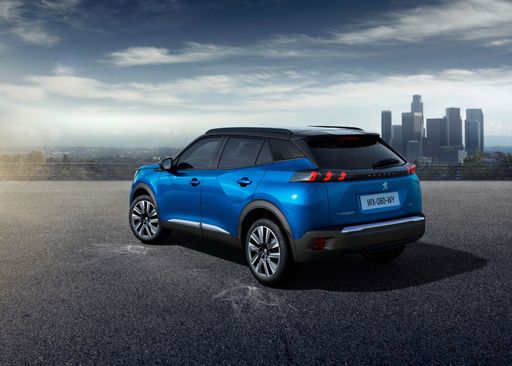
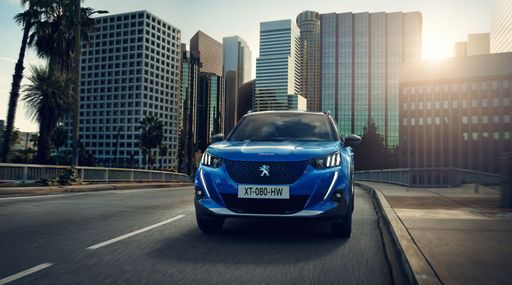
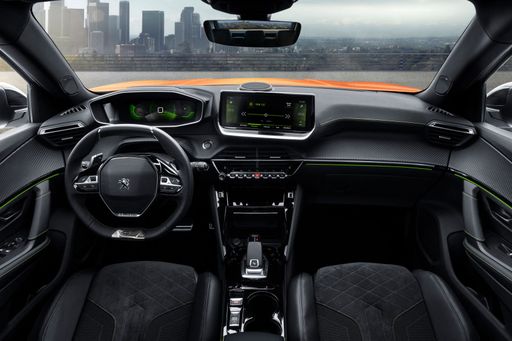
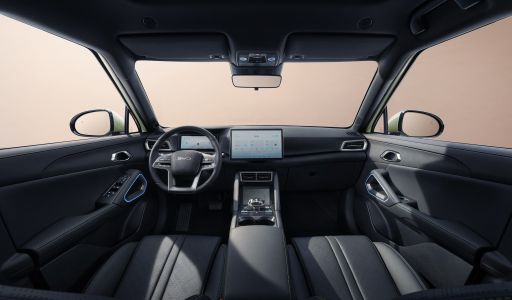
Peugeot 2008 vs BYD Atto 2 comparison

Compare performance (156 HP vs 212 HP), boot space and price (24,800 £ vs 27,400 £ ) at a glance. Find out which car is the better choice for you – Peugeot 2008 or BYD Atto 2?

Peugeot 2008 vs BYD Atto 2: Key differences

Peugeot 2008

5 (1 Reviews)
rate
  • moderately cheaper
  • only slightly more efficient
  • slightly lighter
details

BYD Atto 2

4.9 (4 Reviews)
rate
  • noticeably more power
  • barely more electric range
  • moderately quicker 0–100 km/h
  • barely more trunk space
details

All details on performance, efficiency, range and trunk space can be found in the technical comparison below – including user reviews for both models.

By Achim Sedelmaier

2008

Peugeot 2008 vs BYD Atto 2: A Clash of Compact SUV Titans

In the ever-expanding world of compact SUVs, the Peugeot 2008 and BYD Atto 2 have emerged as frontrunners, each bringing a unique blend of style, technology, and innovation to the table. Let's delve into a comparison of these two popular models, exploring their technical specifications and highlighting their innovative features.
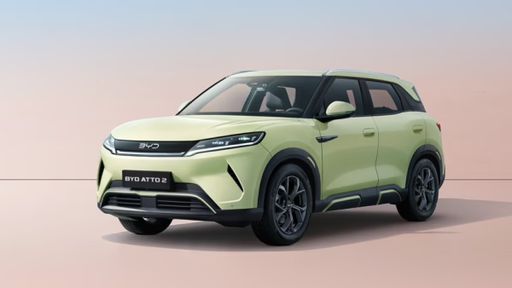
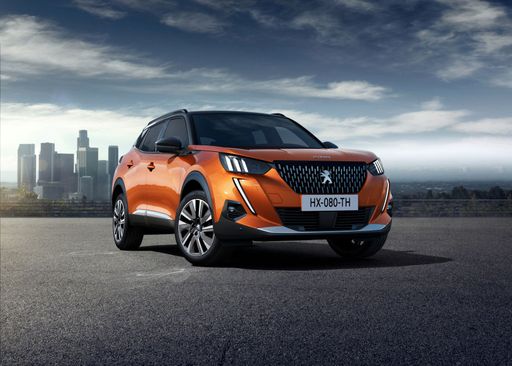
Atto 2

Design and Dimensions: Compact Yet Spacious

The Peugeot 2008 and BYD Atto 2 both embody the quintessential traits of an SUV within compact dimensions. The Peugeot 2008 sports a length of 4304 mm, a width of 1770 mm, and a height of 1523 mm. In contrast, the BYD Atto 2 is slightly larger, measuring 4310 mm in length, 1830 mm in width, and an imposing 1675 mm in height. Both models offer five doors and comfortable seating for five passengers, ensuring practicality for family journeys.

2008

Engine Choices: Flexibility vs. Focus

The Peugeot 2008 distinguishes itself with a choice of engine types: Petrol MHEV, Petrol, and Electric, providing versatility to suit varying driver preferences. Power outputs range from 101 to 156 HP, coupled with transmission options like Dual-Clutch Automatic and Manual Gearbox for a tailored driving experience. On the other hand, the BYD Atto 2 is laser-focused with its all-electric drivetrain, boasting a 177 HP electric motor paired with an automatic transmission, underlining its commitment to sustainable mobility.

Atto 2

Performance and Efficiency

In terms of performance, the BYD Atto 2 accelerates from 0 to 100 km/h in a brisk 7.9 seconds, slightly outperforming the electric variant of the Peugeot 2008, which achieves the sprint in around 8.3 seconds. However, Peugeot's diverse engine lineup implies varied performances across its range with different acceleration figures.

Focusing on efficiency, the Peugeot 2008’s electric variant offers a range of up to 406 km on a single charge, consuming 15.5 kWh/100 km. Comparatively, the BYD Atto 2 provides a slightly lesser range of 312 km with a consumption of 16 kWh/100 km. For petrol enthusiasts, the Peugeot's consumption ranges around 5 to 5.7 L/100 km, ensuring economic fuel use.

2008

Innovative Features and Technology

Both models are packed with technological innovations enhancing the driving experience. The Peugeot 2008 integrates a modern infotainment system with connectivity capabilities, adaptive cruise control, and a panoramic sunroof that amplifies its allure. Meanwhile, the BYD Atto 2 impresses with its expansive digital dashboard, autonomous driving features, and advanced safety systems, setting a benchmark for modern electric SUVs.

Environmental Impact

With the global shift toward environmental consciousness, both vehicles claim favorable CO2 efficiency classes. The electric variants of the Peugeot 2008 and the BYD Atto 2 receive an 'A' rating, with zero emissions in operation. The Peugeot 2008’s petrol variants also perform admirably across the efficiency spectrum, balancing power and environmental responsibility.

Conclusion: Choosing Between Two Icons

The decision between the Peugeot 2008 and the BYD Atto 2 hinges on individual preferences and priorities. For those seeking variety and driving flexibility, the Peugeot 2008 stands out with its multiple engine options and refined styling. Meanwhile, the BYD Atto 2 serves as a robust option for eco-conscious motorists looking for cutting-edge electric performance and advanced technology.

Both SUVs epitomize the evolution of the compact SUV market, merging practicality, innovation, and performance seamlessly. Whichever choice you make, it's clear that both the Peugeot 2008 and BYD Atto 2 deliver compelling packages, heralding a new era of automotive excellence.

Here’s where it gets real: The technical differences in detail

2008

Costs and Efficiency:

Price and efficiency are often the first things buyers look at. Here it becomes clear which model has the long-term edge – whether at the pump, the plug, or in purchase price.

Peugeot 2008 is moderately cheaper – starting at 24,800 £ , while the BYD Atto 2 costs 27,400 £ . That’s a price difference of around 2,658 £.

In terms of energy consumption, the Peugeot 2008 is only slightly more efficient: consuming 15.3 kWh/100km compared to 15.8 kWh/100km for the BYD Atto 2. That’s a difference of about 0.5 kWh/100km.

As for electric range, the BYD Atto 2 offers barely more range – reaching up to 430 km, about 25 km more than the Peugeot 2008.

Atto 2

Engine and Performance:

Under the bonnet, it becomes clear which model is tuned for sportiness and which one takes the lead when you hit the accelerator.

When it comes to engine power, the BYD Atto 2 offers noticeably more power – delivering 212 HP compared to 156 HP. That’s roughly 56 HP more horsepower.

When accelerating from 0 to 100 km/h, the BYD Atto 2 is moderately quicker – completing the sprint in 7.5 s, while the Peugeot 2008 takes 8.3 s. That’s about 0.8 s quicker.

There’s also a difference in torque: the BYD Atto 2 delivers a bit more torque with 310 Nm compared to 270 Nm. That’s about 40 Nm more.

2008

Space and Everyday Use:

Beyond pure performance, interior space and usability matter most in daily life. This is where you see which car is more practical and versatile.

Both vehicles offer seating for 5 people.

In terms of curb weight, Peugeot 2008 is slightly lighter – 1,263 kg compared to 1,510 kg. The difference is around 247 kg.

Looking at boot space, the BYD Atto 2 offers barely more boot space – 450 L compared to 434 L. That’s a difference of about 16 L.

When it comes to payload, the BYD Atto 2 carries barely more – 490 kg compared to 447 kg. That’s a difference of about 43 kg.

Who wins the race in the data check?

The BYD Atto 2 stands well ahead of its rival in the objective data comparison.
This result only shows which model scores more points on paper – not which of the two cars feels right for you.

from £27,400
Atto 2

BYD Atto 2

  • Engine Type : Electric, Plugin Hybrid
  • Transmission : Automatic
  • Drive Type : Front-Wheel Drive
  • Power HP : 166 - 212 HP
  • Consumption kWh/100km : 15.8 - 16 kWh/100km
  • Electric Range : 40 - 430 km
Peugeot 2008
BYD Atto 2

Costs and Consumption

View detailed analysis

Engine and Performance

View detailed analysis

Dimensions and Body

View detailed analysis

Peugeot 2008

The Peugeot 2008 is a stylish, city-friendly crossover that packs big character into a compact package, turning mundane errands into a mildly entertaining drive. Its clever interior layout, polished looks and confident ride make it a smart choice for buyers who want practical daily sense with a touch of flair.

details

BYD Atto 2

The Atto 2 is making waves in the electric vehicle market with its sleek design and impressive range. This innovative model combines cutting-edge technology with captivating aesthetics, making it a standout choice for eco-conscious drivers. With its spacious interior and advanced features, the Atto 2 offers both comfort and convenience for everyday use.

details
Peugeot 2008
BYD Atto 2

Costs and Consumption

Price
24,800 - 40,400 £
Price
27,400 - 36,000 £
Consumption L/100km
4.9 - 5.7 L/100km
Consumption L/100km
-
Consumption kWh/100km
15.3 kWh/100km
Consumption kWh/100km
15.8 - 16 kWh/100km
Electric Range
405 km
Electric Range
40 - 430 km
Battery Capacity
-
Battery Capacity
-
co2
0 - 129 g/km
co2
0 - 41 g/km
Fuel tank capacity
-
Fuel tank capacity
-

Dimensions and Body

Body Type
SUV
Body Type
SUV
Seats
5
Seats
5
Doors
-
Doors
-
Curb weight
1,263 - 1,623 kg
Curb weight
1,510 - 1,720 kg
Trunk capacity
434 L
Trunk capacity
400 - 450 L
Length
-
Length
-
Width
1,770 mm
Width
1,830 mm
Height
-
Height
-
Max trunk capacity
-
Max trunk capacity
-
Payload
407 - 447 kg
Payload
260 - 490 kg

Engine and Performance

Engine Type
Petrol MHEV, Electric, Petrol
Engine Type
Electric, Plugin Hybrid
Transmission
Automatic, Manuel
Transmission
Automatic
Transmission Detail
Dual-Clutch Automatic, Reduction Gearbox, Manual Gearbox
Transmission Detail
Reduction Gearbox, Automatic Gearbox
Drive Type
Front-Wheel Drive
Drive Type
Front-Wheel Drive
Power HP
101 - 156 HP
Power HP
166 - 212 HP
Acceleration 0-100km/h
8.3 - 10.9 s
Acceleration 0-100km/h
7.5 - 9.1 s
Max Speed
-
Max Speed
-
Torque
205 - 270 Nm
Torque
290 - 310 Nm
Number of Cylinders
3
Number of Cylinders
4
Power kW
74 - 115 kW
Power kW
122 - 156 kW
Engine capacity
1,199 cm3
Engine capacity
1,498 cm3

General

Model Year
2,025 - 2,026
Model Year
2,025 - 2,026
CO2 Efficiency Class
C, A, D
CO2 Efficiency Class
A, B
Brand
Peugeot
Brand
BYD
DriveDuel uses data analysis and artificial intelligence to evaluate vehicle data and create content. Content is regularly reviewed and improved. The displayed prices are estimates based on German list prices, adjusted to the respective country’s VAT. Country-specific registration taxes are not included. This information is not legally binding.