VS

Peugeot 208 vs Fiat 500 comparison

Compare performance (156 HP vs 118 HP), boot space and price (21,000 £ vs 17,100 £ ) at a glance. Find out which car is the better choice for you – Peugeot 208 or Fiat 500?

Peugeot 208 vs Fiat 500: Key differences

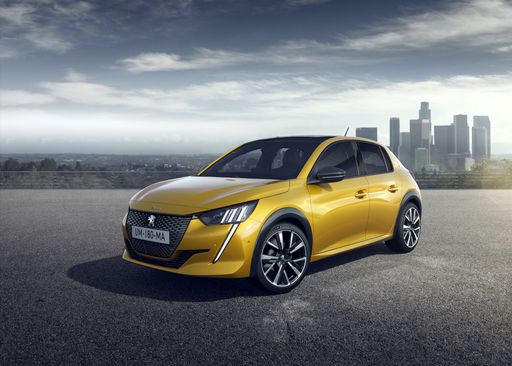
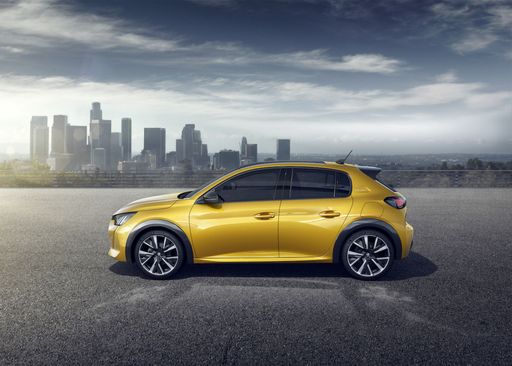
Peugeot 208

4 (2 Reviews)
rate
  • markedly more power
  • a bit more efficient
  • markedly more electric range
  • marginally quicker 0–100 km/h
  • substantially more trunk space
details

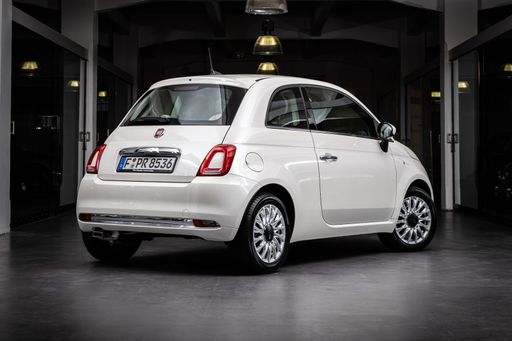
Fiat 500

3.7 (1 Reviews)
rate
  • visibly cheaper
  • barely more efficient
  • only slightly lighter
details

All details on performance, efficiency, range and trunk space can be found in the technical comparison below – including user reviews for both models.

By Achim Sedelmaier

208

Fiat 500 vs Peugeot 208: A Comprehensive Comparison

In the sleek world of urban hatchbacks, the Fiat 500 and Peugeot 208 stand out as two formidable contenders. With their distinctive styling and advanced technology, both vehicles attract a diverse clientele. Whether you’re seeking a compact city companion or a stylish statement on the road, this comparison provides insights into the technical aspects and innovations of these two popular models.
500

Design and Dimensions

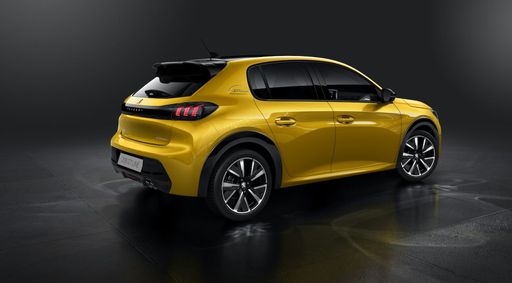
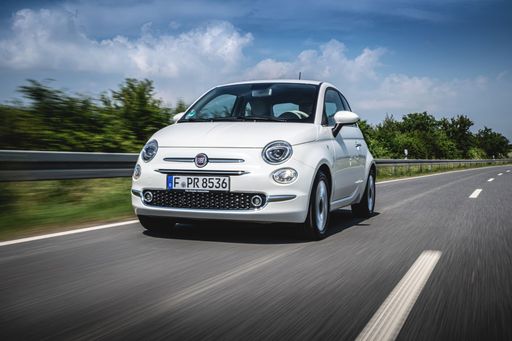
The Fiat 500, with its retro charm, measures 3,632 mm in length, 1,683 mm in width, and 1,527 mm in height. It boasts an eye-catching hatchback body style complemented by a compact frame that is perfect for nipping through city traffic. On the other hand, the Peugeot 208 is slightly larger at 4,055 mm long, 1,745 mm wide, and 1,430 mm high, offering a more dynamic presence on the road. The 208’s aggressive lines and modern design language make it a strong competitor in terms of aesthetics.

208

Powertrains and Performance

The Fiat 500 is available with electric powertrains, offering up to 118 HP with a torque of 220 Nm. It features a front-wheel drive system, making it agile and responsive in the urban environment. With two battery options, 37.3 kWh and 21.3 kWh, the electric range reaches up to 321 km, making it a practical choice for city dwellers. Acceleration from 0-100 km/h takes approximately 9 seconds, with a top speed of 150 km/h.

Conversely, the Peugeot 208 offers a broader range of engine choices, including petrol, MHEV (mild-hybrid), and electric options. The most powerful engine delivers up to 156 HP and a torque of 270 Nm, providing an exhilarating driving experience. Depending on the configuration, the electric variant can travel up to 410 km on a single charge, substantially exceeding the Fiat’s capabilities. Acceleration times range from 8.3 to 10.9 seconds, with a maximum speed of 200 km/h for the most powerful variants.

500

Efficiency and Economy

When it comes to efficiency, the Fiat 500 shines with a consumption rate of approximately 14.4 kWh/100 km, making it an excellent option for eco-conscious drivers. With a CO2 efficiency classification of A, this electric vehicle stands out as a green choice for city driving.

The Peugeot 208 also offers impressive fuel economy, particularly with its petrol engines, consuming between 4.7 to 5.4 L/100 km depending on the configuration. Its electric variant has an efficiency of 14.0 kWh/100 km which slightly affects its range. The 208 carries CO2 efficiency classes ranging from A to D, indicating its hybrid adaptability and lower emissions in some variants.

208

Interior and Comfort

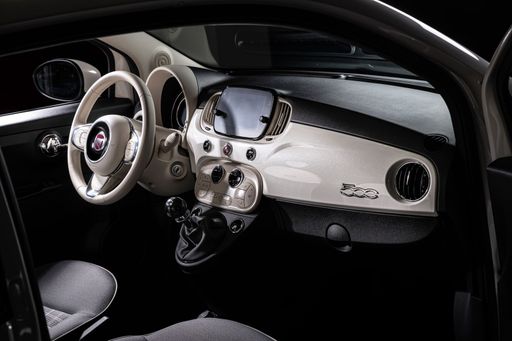
Inside, the Fiat 500 seats up to four passengers with 185 liters of trunk capacity, perfect for urban commuting and light cargo. Its design emphasizes style with a modern twist on retro aesthetics, making every drive a delightful experience.

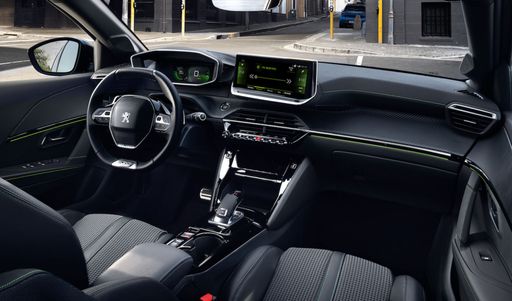
The Peugeot 208, however, excels in passenger space, accommodating five individuals comfortably and boasting a larger trunk capacity of 309 liters. Its interior design features a contemporary dashboard with advanced connectivity options, ensuring that both driver and passengers enjoy a quality driving experience.

500

Innovations and Technology

Both vehicles are equipped with an array of technology to enhance the driving experience. The Fiat 500 includes a user-friendly infotainment system with smartphone integration, making it easy to stay connected on-the-go. Additionally, its advanced safety features cater to modern driving concerns.

In contrast, the Peugeot 208 aims high with its i-Cockpit technology, which includes a digital instrument panel and an intuitive touchscreen interface. Various driver-assistance features, like adaptive cruise control and lane-keeping assist, provide added safety and convenience.

208

Conclusion: Choosing Your Champion

In summary, both the Fiat 500 and Peugeot 208 offer unique benefits appealing to different types of drivers. The Fiat 500’s charm, electric efficiency, and compact design make it an excellent choice for urban lifestyles, while the Peugeot 208’s diverse powertrains, spacious interior, and cutting-edge technology cater to those seeking more versatility and performance. Ultimately, the choice between these two vehicles will depend on personal preferences and driving needs.

Here’s where it gets real: The technical differences in detail

208

Costs and Efficiency:

Price and efficiency are often the first things buyers look at. Here it becomes clear which model has the long-term edge – whether at the pump, the plug, or in purchase price.

Fiat 500 is visibly cheaper – starting at 17,100 £ , while the Peugeot 208 costs 21,000 £ . That’s a price difference of around 3,848 £.

Fuel consumption also shows a difference: the Peugeot 208 uses 4.5 L/100km and is a bit more efficient than the Fiat 500 with 5.2 L/100km. The difference is about 0.7 L/100km.

In terms of energy consumption, the Fiat 500 is barely more efficient: consuming 13 kWh/100km compared to 14.1 kWh/100km for the Peugeot 208. That’s a difference of about 1.1 kWh/100km.

As for electric range, the Peugeot 208 offers markedly more range – reaching up to 432 km, about 101 km more than the Fiat 500.

500

Engine and Performance:

Power, torque and acceleration say a lot about how a car feels on the road. This is where you see which model delivers more driving dynamics.

When it comes to engine power, the Peugeot 208 offers markedly more power – delivering 156 HP compared to 118 HP. That’s roughly 38 HP more horsepower.

When accelerating from 0 to 100 km/h, the Peugeot 208 is marginally quicker – completing the sprint in 8.3 s, while the Fiat 500 takes 9 s. That’s about 0.7 s quicker.

There’s also a difference in torque: the Peugeot 208 delivers somewhat more torque with 270 Nm compared to 220 Nm. That’s about 50 Nm more.

208

Space and Everyday Use:

Cabin size, boot volume and payload all play a role in everyday practicality. Here, comfort and flexibility make the difference.

Seats: Peugeot 208 offers more seats – 5 vs 4.

In terms of curb weight, Fiat 500 is only slightly lighter – 1,130 kg compared to 1,165 kg. The difference is around 35 kg.

Looking at boot space, the Peugeot 208 offers substantially more boot space – 352 L compared to 185 L. That’s a difference of about 167 L.

When it comes to payload, the Peugeot 208 carries visibly more – 430 kg compared to 325 kg. That’s a difference of about 105 kg.

Who wins the race in the data check?

The Peugeot 208 holds a decisive overall lead in the objective data comparison.
This result only shows which model scores more points on paper – not which of the two cars feels right for you.

from £21,000
208

Peugeot 208

  • Engine Type Petrol MHEV, Electric, Petrol
  • Transmission Automatic, Manuel
  • Drive Type Front-Wheel Drive
  • Power HP 101 - 156 HP
  • Consumption L/100km 4.5 - 5.1 L/100km
  • Consumption kWh/100km 14.1 - 15.4 kWh/100km
  • Electric Range 363 - 432 km
Peugeot 208
Fiat 500

Costs and Consumption

View detailed analysis

Engine and Performance

View detailed analysis

Dimensions and Body

View detailed analysis

Peugeot 208

The Peugeot 208 feels like a city-savvy fox: compact, stylish and surprisingly grown-up, with a cabin that punches above its weight and enough personality to make daily commutes a little less boring. It’s a smart pick for buyers who want chic practicality without the showroom bluster — easy to park, thrifty to run and oddly fun when the road tightens up.

details

Fiat 500

The Fiat 500 is a cheeky, retro‑styled city car that turns heads with its iconic looks and playful personality. Perfect for weaving through tight streets and easing into tiny parking spots, it’s aimed at buyers who want style and character more than grand touring prowess.

details
Peugeot 208
Fiat 500

Costs and Consumption

Price
21,000 - 33,200 £
Price
17,100 - 27,400 £
Consumption L/100km
4.5 - 5.1 L/100km
Consumption L/100km
5.2 - 5.3 L/100km
Consumption kWh/100km
14.1 - 15.4 kWh/100km
Consumption kWh/100km
13 - 14.7 kWh/100km
Electric Range
363 - 432 km
Electric Range
190 - 331 km
Battery Capacity
-
Battery Capacity
-
co2
0 - 116 g/km
co2
0 - 121 g/km
Fuel tank capacity
-
Fuel tank capacity
-

Dimensions and Body

Body Type
Hatchback
Body Type
Hatchback
Seats
5
Seats
4
Doors
-
Doors
-
Curb weight
1,165 - 1,530 kg
Curb weight
1,130 - 1,475 kg
Trunk capacity
309 - 352 L
Trunk capacity
183 - 185 L
Length
-
Length
-
Width
1,745 mm
Width
1,683 - 1,684 mm
Height
-
Height
-
Max trunk capacity
-
Max trunk capacity
-
Payload
380 - 430 kg
Payload
250 - 325 kg

Engine and Performance

Engine Type
Petrol MHEV, Electric, Petrol
Engine Type
Electric, Petrol MHEV
Transmission
Automatic, Manuel
Transmission
Automatic, Manuel
Transmission Detail
Dual-Clutch Automatic, Reduction Gearbox, Manual Gearbox
Transmission Detail
Reduction Gearbox, Manual Gearbox
Drive Type
Front-Wheel Drive
Drive Type
Front-Wheel Drive
Power HP
101 - 156 HP
Power HP
65 - 118 HP
Acceleration 0-100km/h
8.3 - 10.9 s
Acceleration 0-100km/h
9 - 16.2 s
Max Speed
-
Max Speed
-
Torque
205 - 270 Nm
Torque
92 - 220 Nm
Number of Cylinders
3
Number of Cylinders
3
Power kW
74 - 115 kW
Power kW
48 - 87 kW
Engine capacity
1,199 cm3
Engine capacity
999 cm3

General

Model Year
2,025 - 2,026
Model Year
2025
CO2 Efficiency Class
C, A, D
CO2 Efficiency Class
A, D
Brand
Peugeot
Brand
Fiat
DriveDuel uses data analysis and artificial intelligence to evaluate vehicle data and create content. Content is regularly reviewed and improved. The displayed prices are estimates based on German list prices, adjusted to the respective country’s VAT. Country-specific registration taxes are not included. This information is not legally binding.