
 Deutschland
 France
 Nederland
 Great Britain
 Sverige
 Norge
Norge Danmark
 Suomi
Suomi Italia
 Polska
 España
VS
Peugeot 208 vs Volvo XC60 - Differences and prices compared
208
@ Peugeot / Stellantis Media
Costs and Efficiency:
Price and efficiency are often the first things buyers look at. Here it becomes clear which model has the long-term edge – whether at the pump, the plug, or in purchase price.
Peugeot 208 has a clearly advantage in terms of price – it starts at 20700 £, while the Volvo XC60 costs 49200 £. That’s a price difference of around 28509 £.
Fuel consumption also shows a difference: Volvo XC60 manages with 2.80 L and is therefore convincingly more efficient than the Peugeot 208 with 4.50 L. The difference is about 1.70 L per 100 km.
As for range, the Peugeot 208 performs decisively better – achieving up to 432 km, about 350 km more than the Volvo XC60.
XC60
@ Volvo Cars
Engine and Performance:
Under the bonnet, it becomes clear which model is tuned for sportiness and which one takes the lead when you hit the accelerator.
When it comes to engine power, the Volvo XC60 has a significantly edge – offering 455 HP compared to 156 HP. That’s roughly 299 HP more horsepower.
In acceleration from 0 to 100 km/h, the Volvo XC60 is decisively quicker – completing the sprint in 4.90 s, while the Peugeot 208 takes 8.30 s. That’s about 3.40 s faster.
In terms of top speed, the Peugeot 208 performs hardly perceptible better – reaching 200 km/h, while the Volvo XC60 tops out at 180 km/h. The difference is around 20 km/h.
There’s also a difference in torque: Volvo XC60 pulls decisively stronger with 709 Nm compared to 270 Nm. That’s about 439 Nm difference.
208
@ Peugeot / Stellantis Media
Space and Everyday Use:
Cabin size, boot volume and payload all play a role in everyday practicality. Here, comfort and flexibility make the difference.
Seats: offers more seating capacity – vs .
In curb weight, Peugeot 208 is significantly lighter – 1165 kg compared to 1900 kg. The difference is around 735 kg.
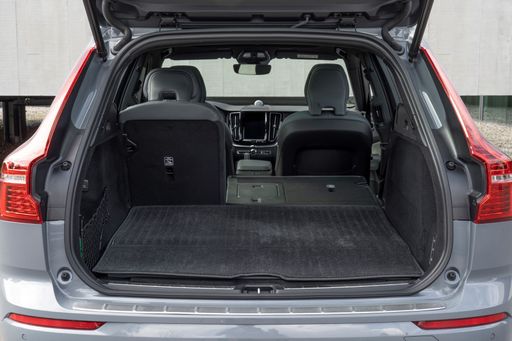
In terms of boot space, the Volvo XC60 offers distinct more room – 483 L compared to 352 L. That’s a difference of about 131 L.
In maximum load capacity, the Volvo XC60 performs clearly perceptible better – up to 1543 L, which is about 380 L more than the Peugeot 208.
When it comes to payload, Volvo XC60 clearly perceptible takes the win – 550 kg compared to 430 kg. That’s a difference of about 120 kg.
Who comes out on top?
Overall, the Volvo XC60 shows itself to be slightly ahead and secures the title of DriveDuel Champion.
It convinces with the more balanced overall package and proves to be the more versatile choice for everyday use.
from about £49,200
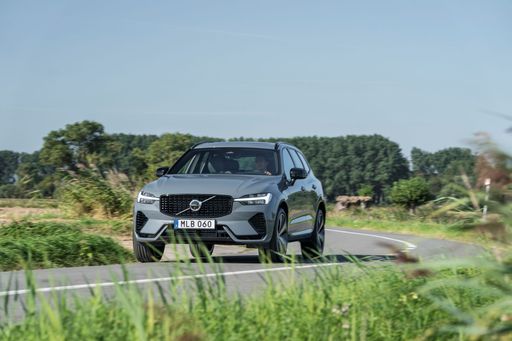 @ Volvo Cars
Volvo XC60
Peugeot 208
Volvo XC60
Costs and Consumption
View detailed analysis
View detailed analysis
Engine and Performance
View detailed analysis
View detailed analysis
Dimensions and Body
View detailed analysis
View detailed analysis
Peugeot 208
3 (1 Reviews)
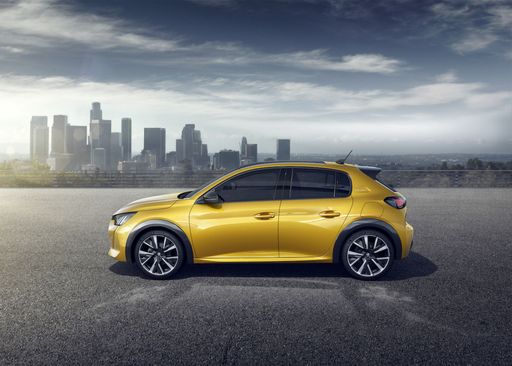
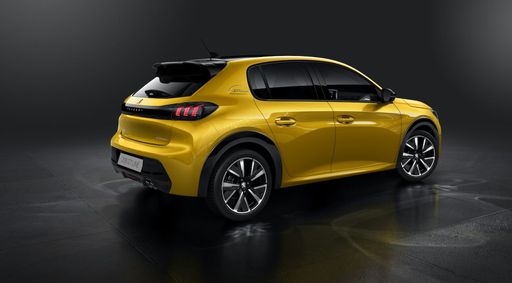
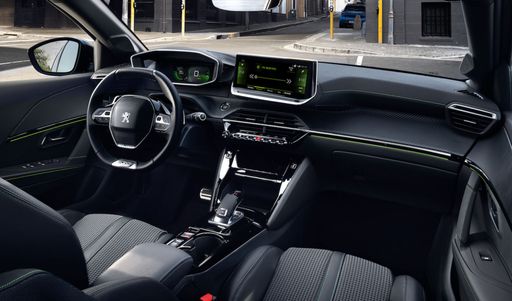
The Peugeot 208 feels like a city-savvy fox: compact, stylish and surprisingly grown-up, with a cabin that punches above its weight and enough personality to make daily commutes a little less boring. It’s a smart pick for buyers who want chic practicality without the showroom bluster — easy to park, thrifty to run and oddly fun when the road tightens up.
details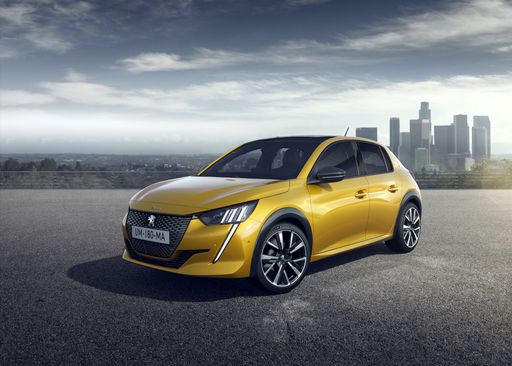 @ Peugeot / Stellantis Media
 @ Peugeot / Stellantis Media
 @ Peugeot / Stellantis Media
 @ Peugeot / Stellantis Media
Volvo XC60
5 (1 Reviews)
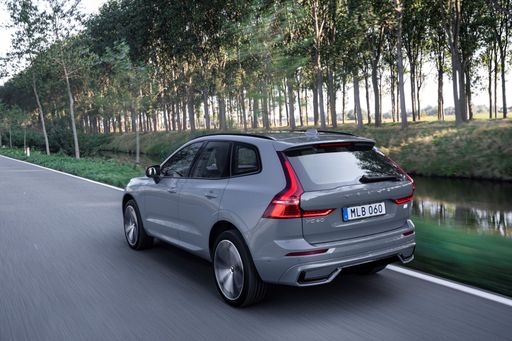
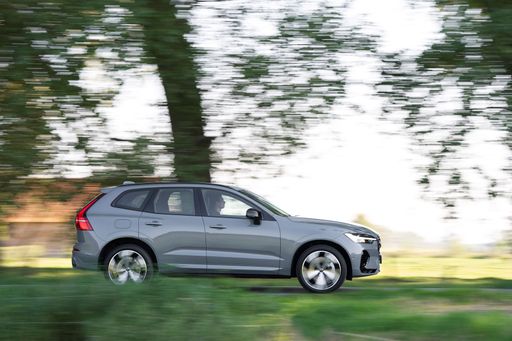
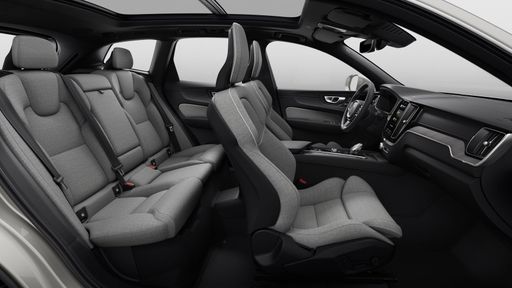
The Volvo XC60 blends Scandinavian calm with confident presence, offering a cabin that feels plush without shouting for attention. It’s a smart pick for buyers after a composed ride, clever practicality and thoughtful safety touches — it even makes running the family shuttle feel almost serene, which is a small miracle.
details
@ Volvo Cars
 @ Volvo Cars
 @ Volvo Cars
 @ Volvo Cars
 @ Volvo Cars
Peugeot 208
Volvo XC60
|
@ Peugeot / Stellantis Media
|
@ Volvo Cars
|
|
|
|
Costs and Consumption |
|
|---|---|
|
Price
20700 - 35200 £
|
Price
49200 - 75100 £
|
|
Consumption L/100km
4.5 - 5.2 L
|
Consumption L/100km
2.8 - 7.5 L
|
|
Consumption kWh/100km
14.1 - 15.4 kWh
|
Consumption kWh/100km
-
|
|
Electric Range
362 - 432 km
|
Electric Range
74 - 82 km
|
|
Battery Capacity
46 - 51 kWh
|
Battery Capacity
14.70 kWh
|
|
co2
0 - 117 g/km
|
co2
64 - 169 g/km
|
|
Fuel tank capacity
44 L
|
Fuel tank capacity
71 L
|
Dimensions and Body |
|
|---|---|
|
Body Type
Hatchback
|
Body Type
SUV
|
|
Seats
5
|
Seats
5
|
|
Doors
5
|
Doors
5
|
|
Curb weight
1165 - 1530 kg
|
Curb weight
1900 - 2150 kg
|
|
Trunk capacity
309 - 352 L
|
Trunk capacity
468 - 483 L
|
|
Length
4055 mm
|
Length
4708 mm
|
|
Width
1745 mm
|
Width
1902 mm
|
|
Height
1430 mm
|
Height
1651 - 1655 mm
|
|
Max trunk capacity
1118 - 1163 L
|
Max trunk capacity
1528 - 1543 L
|
|
Payload
380 - 430 kg
|
Payload
510 - 550 kg
|
Engine and Performance |
|
|---|---|
|
Engine Type
Petrol, Electric, Petrol MHEV
|
Engine Type
Petrol MHEV, Plugin Hybrid
|
|
Transmission
Manuel, Automatic
|
Transmission
Automatic
|
|
Transmission Detail
Manual Gearbox, Reduction Gearbox, Dual-Clutch Automatic
|
Transmission Detail
Automatic Gearbox
|
|
Drive Type
Front-Wheel Drive
|
Drive Type
All-Wheel Drive
|
|
Power HP
101 - 156 HP
|
Power HP
250 - 455 HP
|
|
Acceleration 0-100km/h
8.3 - 10.9 s
|
Acceleration 0-100km/h
4.9 - 6.9 s
|
|
Max Speed
150 - 200 km/h
|
Max Speed
180 km/h
|
|
Torque
205 - 270 Nm
|
Torque
350 - 709 Nm
|
|
Number of Cylinders
3
|
Number of Cylinders
4
|
|
Power kW
74 - 115 kW
|
Power kW
184 - 335 kW
|
|
Engine capacity
1199 cm3
|
Engine capacity
1969 cm3
|
General |
|
|---|---|
|
Model Year
2023 - 2025
|
Model Year
2025
|
|
CO2 Efficiency Class
D, A, C
|
CO2 Efficiency Class
F, B
|
|
Brand
Peugeot
|
Brand
Volvo
|
What drive types are available for the Peugeot 208?
The Peugeot 208 is offered with Front-Wheel Drive.
The prices and data displayed are estimates based on German list prices and may vary by country. This information is not legally binding.