VS

Peugeot 308 vs DS Automobiles DS 4 comparison

Compare performance (195 HP vs 130 HP), boot space and price (29,200 £ vs 34,000 £ ) at a glance. Find out which car is the better choice for you – Peugeot 308 or DS Automobiles DS 4?

Peugeot 308 vs DS Automobiles DS 4: Key differences

Peugeot 308

5 (2 Reviews)
rate
  • a bit cheaper
  • clearly more power
  • considerably more efficient
  • clearly quicker 0–100 km/h
  • marginally lighter
details

DS Automobiles DS 4

  • marginally more trunk space
details

By Achim Sedelmaier

308

Overview: DS Automobiles DS 4 VS Peugeot 308 in one glance

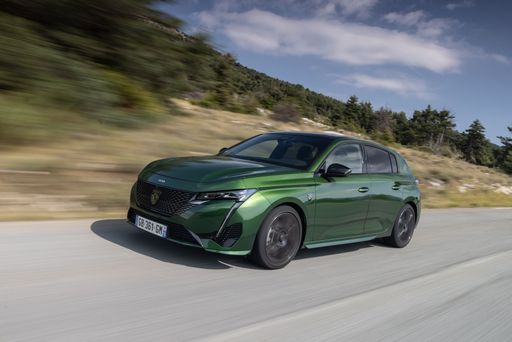
The DS Automobiles DS 4 and the Peugeot 308 share a compact footprint but deliver very different personalities in everyday life. The DS 4 leans into fashion‑forward styling, a hushed cabin and a comfort‑first mission, while the Peugeot 308 emphasises polish, efficiency and a slightly more agile driving feel. That contrast shows up in how each car behaves on a long run, how their cabins are laid out and how forgiving they are with luggage and rear passengers. If you want presence and a premium vibe the DS 4 reads as more couture; if you prefer a tidy, efficient hatch that feels competent in more situations, the 308 skews more pragmatic. Expect trade‑offs: one favours emotional quality and cruising comfort, the other rewards practical efficiency and sharper responses.
DS 4

Character and driving feel

The DS 4 presents itself as a relaxed cruiser — steering light, ride tuned for smooth miles and a deliberate, comfortable tempo that encourages calm motorway runs. The Peugeot 308 feels more alert behind the wheel, with crisper turn‑in and a sense that it wants to cover bends with a bit more confidence and immediacy. That means drivers who enjoy an effortless, composed long‑distance experience will prefer the DS 4’s refined demeanor, while those who value communicative steering and a slightly sportier attitude will feel at home in the 308. Neither is a hot‑hatch, but the 308’s chassis setup makes urban lane changes and twisty B‑roads feel more rewarding. Choose based on mood: serenity with style in the DS 4, nimbleness and responsiveness in the Peugeot 308.

308

Cabin comfort and perceived quality

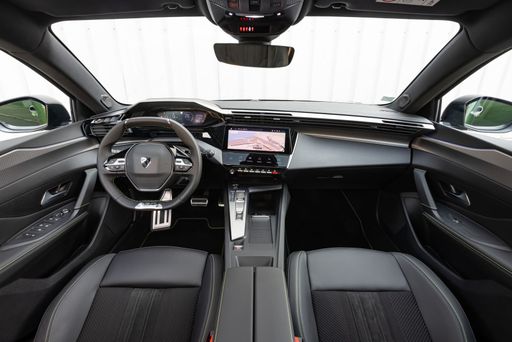
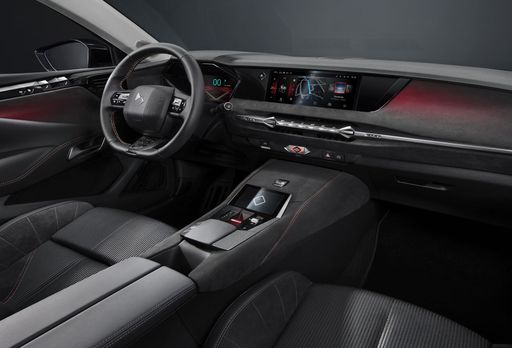
Inside, the DS 4 trades on tactile luxury: layered materials, deliberate detailing and a quieter ambience that makes short trips feel more special and long days less tiring. The Peugeot 308 also punches above its class on material quality, but its cabin reads more functional‑modern, with the compact steering and cockpit layout giving a sportier, more driver‑focused posture. In practice the DS 4’s seat comfort and acoustic calm make it the better cocoon for long commutes, whereas the 308’s ergonomics and sharper design feel slightly more engaging for anyone who likes the driving position to accentuate control. Both cabins have tech compromises: the DS 4’s menus can feel sluggish and fiddly, and the 308’s touch‑centric controls demand getting used to, so user patience will shape daily satisfaction. If finish and ambience matter most, the DS 4 leans premium; if clean, modern execution with a driver bias matters, the 308 delivers.

DS 4

Practicality and everyday usability

Practical differences are subtle but meaningful: the DS 4 tends to be friendlier with luggage thanks to its shape, yet it pays that forward with a higher lift‑over and a boot opening that can feel less convenient when loading heavy or awkward items. The Peugeot 308’s hatch layout is straightforward and efficient for routine chores, though certain drivetrains can eat into usable boot space and make you rethink bulky shopping trips. Rear passenger space is a weak spot for both cars — the DS 4 feels more sculpted and intimate in back while the 308 feels tighter because of its cockpit packaging and thick rear pillars. If you regularly ferry adults in the rear or fit bulky child seats, neither is the obvious choice over larger estate options, but for weekend luggage and everyday bags the DS 4 edges toward better volumetric practicality while the 308 keeps things compact and simple. Consider how often you load large items versus how often you carry rear passengers when weighing the two.

308

City friendliness versus long‑distance behavior

In town both the DS 4 and the Peugeot 308 are easy to manoeuvre, but the 308’s sharper steering and helpful camera systems make tight parking and reverse manœuvres feel more straightforward. The DS 4 hides its size well with light steering and comfortable seats, yet its narrow rear glass and thicker pillars can compromise rear visibility in urban curbside situations. On motorways the DS 4’s acoustic insulation and composed ride turn long trips into a less fatiguing experience, while the 308 balances low noise with better fuel/energy efficiency that keeps running costs down on sustained journeys. So city drivers who prize parking ease and camera clarity will tilt to the 308, and those who spend lots of highway miles or who value a tranquil cabin will prefer the DS 4. Your daily route — tight streets or long corridors — should decide which compromise you accept.

DS 4

Buyer fit: who should pick which before the technical deep dive

Choose the DS Automobiles DS 4 if you want a compact that reads as premium, prioritises cabin calm and makes long trips feel effortless, and you’re happy to trade rear‑seat space and some infotainment polish for atmosphere and luggage capacity. Opt for the Peugeot 308 if you value sharper on‑road manners, cleaner efficiency and a more straightforward, practical hatchback layout with modern interior design and city‑friendly agility. Budget considerations, drivetrain choice and how often you carry rear passengers or large loads will tilt the decision quickly, so use those daily needs to map the trade‑offs. If you want to move from feel to facts, the next technical comparison will show where power, economy, weight and luggage figures explain those real‑world differences in detail.

Here’s where it gets real: The technical differences in detail

308

Costs and Efficiency:

When it comes to price and running costs, the biggest differences usually appear. This is often where you see which car fits your budget better in the long run.

Peugeot 308 is a bit cheaper – starting at 29,200 £ , while the DS Automobiles DS 4 costs 34,000 £ . That’s a price difference of around 4,740 £.

Fuel consumption also shows a difference: the Peugeot 308 uses 2.3 L/100km and is considerably more efficient than the DS Automobiles DS 4 with 5.2 L/100km. The difference is about 2.9 L/100km.

DS 4

Engine and Performance:

Power, torque and acceleration are the classic benchmarks for car enthusiasts – and here, some clear differences start to show.

When it comes to engine power, the Peugeot 308 offers clearly more power – delivering 195 HP compared to 130 HP. That’s roughly 65 HP more horsepower.

When accelerating from 0 to 100 km/h, the Peugeot 308 is clearly quicker – completing the sprint in 7.6 s, while the DS Automobiles DS 4 takes 10.9 s. That’s about 3.3 s quicker.

Both models offer the same torque – 300 Nm.

308

Space and Everyday Use:

Whether family car or daily driver – which one offers more room, flexibility and comfort?

Both vehicles offer seating for 5 people.

In terms of curb weight, Peugeot 308 is marginally lighter – 1,453 kg compared to 1,558 kg. The difference is around 105 kg.

Looking at boot space, the DS Automobiles DS 4 offers marginally more boot space – 430 L compared to 412 L. That’s a difference of about 18 L.

When it comes to payload, the Peugeot 308 carries a bit more – 503 kg compared to 442 kg. That’s a difference of about 61 kg.

Who wins the race in the data check?

The Peugeot 308 stands well ahead of its rival in the objective data comparison.
This result only shows which model scores more points on paper – not which of the two cars feels right for you.

from £29,200
308

Peugeot 308

  • Engine Type Petrol MHEV, Diesel, Plugin Hybrid, Electric
  • Transmission Automatic
  • Drive Type Front-Wheel Drive
  • Power HP 131 - 195 HP
  • Consumption L/100km 2.3 - 5.1 L/100km
  • Consumption kWh/100km 15.6 kWh/100km
  • Electric Range 81 - 450 km
Peugeot 308
DS Automobiles DS 4

Costs and Consumption

View detailed analysis

Engine and Performance

View detailed analysis

Dimensions and Body

View detailed analysis

Peugeot 308

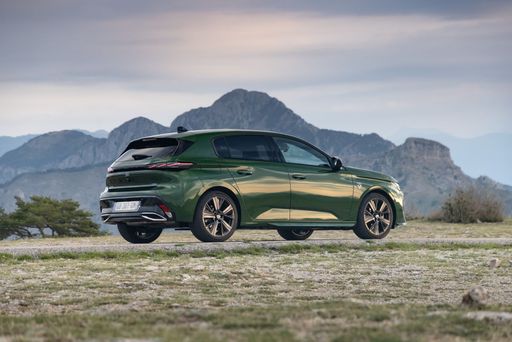
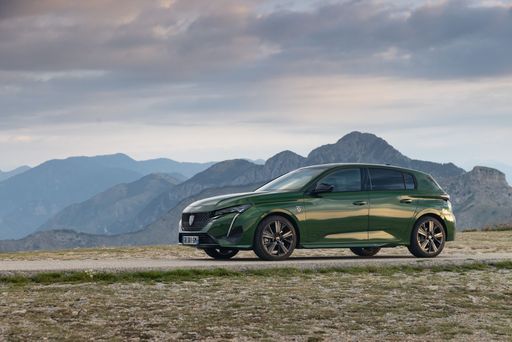
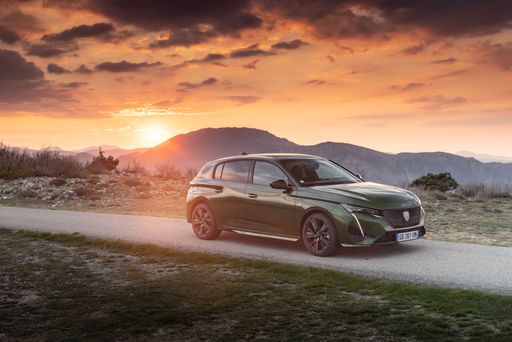
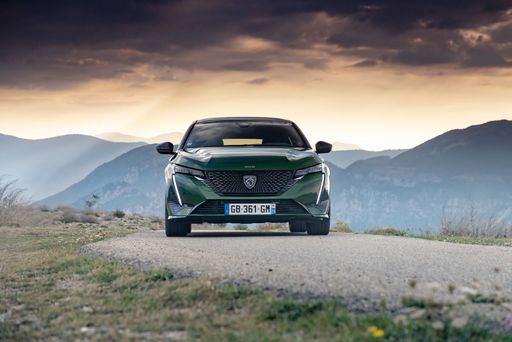
The Peugeot 308 brings a sleek, feline profile and an unexpectedly upscale cabin, with clever packaging and materials that feel a touch more premium than you might expect. It’s composed on the road, easy to live with for daily life, and a smart choice if you want a stylish hatch that still behaves when the road gets interesting.

details

DS Automobiles DS 4

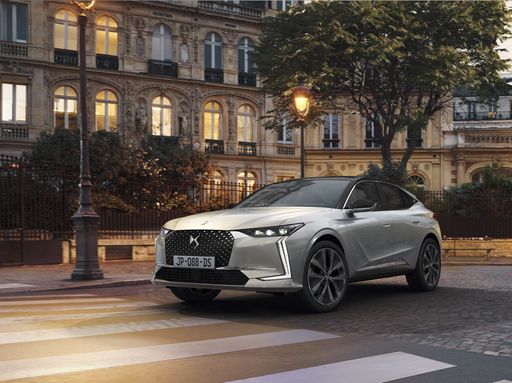
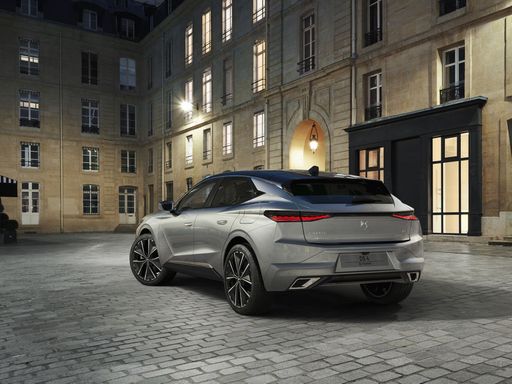
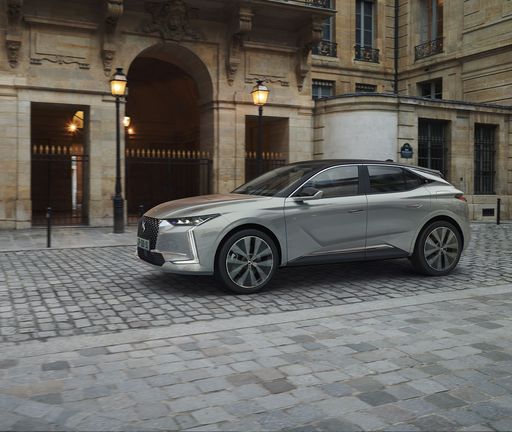
The DS 4 is a striking compact that wears couture-inspired styling like a tailored suit, and its cabin feels more boutique hotel than ordinary hatchback with premium materials and clever detailing. On the road it mixes poise with comfort, rewarding drivers who want a refined, characterful alternative to the usual suspects — and enjoy the odd admiring glance at the lights.

details
Peugeot 308
DS Automobiles DS 4

Costs and Consumption

Price
29,200 - 42,600 £
Price
34,000 - 41,700 £
Consumption L/100km
2.3 - 5.1 L/100km
Consumption L/100km
5.2 L/100km
Consumption kWh/100km
15.6 kWh/100km
Consumption kWh/100km
-
Electric Range
81 - 450 km
Electric Range
-
Battery Capacity
-
Battery Capacity
-
co2
0 - 133 g/km
co2
137 g/km
Fuel tank capacity
-
Fuel tank capacity
53 L

Dimensions and Body

Body Type
Hatchback
Body Type
Hatchback
Seats
5
Seats
5
Doors
-
Doors
5
Curb weight
1,453 - 1,749 kg
Curb weight
1,558 kg
Trunk capacity
314 - 412 L
Trunk capacity
430 L
Length
-
Length
4,400 mm
Width
1,852 mm
Width
1,830 mm
Height
-
Height
1,470 mm
Max trunk capacity
-
Max trunk capacity
1,240 L
Payload
430 - 503 kg
Payload
442 kg

Engine and Performance

Engine Type
Petrol MHEV, Diesel, Plugin Hybrid, Electric
Engine Type
Diesel
Transmission
Automatic
Transmission
Automatic
Transmission Detail
Dual-Clutch Automatic, Automatic Gearbox, Reduction Gearbox
Transmission Detail
Automatic Gearbox
Drive Type
Front-Wheel Drive
Drive Type
Front-Wheel Drive
Power HP
131 - 195 HP
Power HP
130 HP
Acceleration 0-100km/h
7.6 - 10.6 s
Acceleration 0-100km/h
10.9 s
Max Speed
-
Max Speed
203 km/h
Torque
230 - 300 Nm
Torque
300 Nm
Number of Cylinders
3 - 4
Number of Cylinders
4
Power kW
96 - 143 kW
Power kW
96 kW
Engine capacity
1,199 - 1,598 cm3
Engine capacity
1,499 cm3

General

Model Year
2,025 - 2,026
Model Year
2,024 - 2,025
CO2 Efficiency Class
C, D, B, A
CO2 Efficiency Class
E
Brand
Peugeot
Brand
DS Automobiles
DriveDuel uses data analysis and artificial intelligence to evaluate vehicle data and create content. Content is regularly reviewed and improved. The displayed prices are estimates based on German list prices, adjusted to the respective country’s VAT. Country-specific registration taxes are not included. This information is not legally binding.