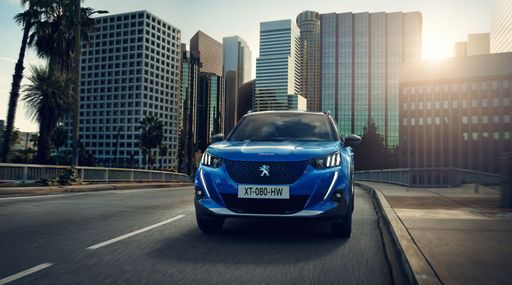
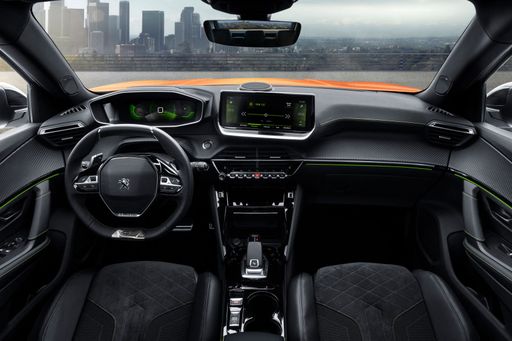
VS

DS Automobiles DS 4 vs Peugeot 2008 comparison

Compare performance (130 HP vs 156 HP), boot space and price (34,000 £ vs 24,800 £ ) at a glance. Find out which car is the better choice for you – DS Automobiles DS 4 or Peugeot 2008?

DS Automobiles DS 4 vs Peugeot 2008: Key differences

DS Automobiles DS 4

details

Peugeot 2008

5 (1 Reviews)
rate
  • clearly cheaper
  • a bit more power
  • barely more efficient
  • noticeably quicker 0–100 km/h
  • noticeably lighter
  • marginally more trunk space
details

By Achim Sedelmaier

DS 4

Futuristic Flair vs. Urban Practicality: DS 4 and Peugeot 2008 Go Head-to-Head

The automotive market is ever-evolving, with manufacturers persistently innovating to capture the attention of discerning customers. Today, we delve into a fascinating comparison between two notable contenders: the premium DS Automobiles DS 4 hatchback and the versatile Peugeot 2008 SUV. Both vehicles, with their distinct offerings, promise exciting driving experiences. Let’s dive into the technical specifications and innovations that set these models apart.
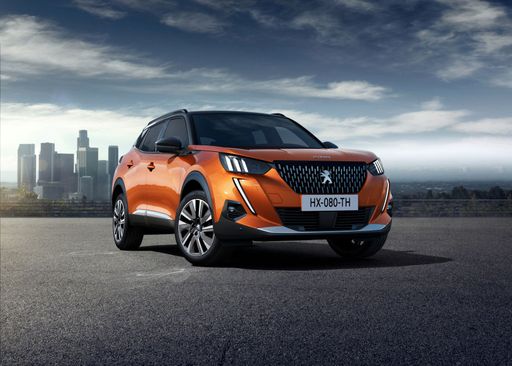
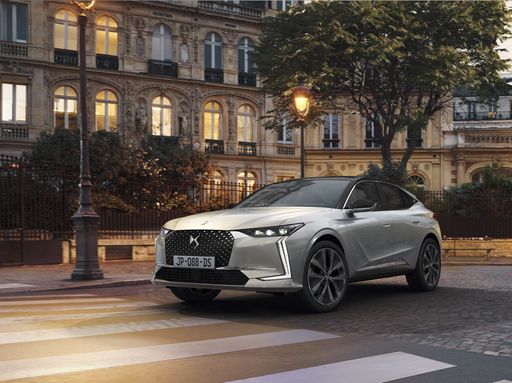
2008

Design and Dimensions: Compact Elegance vs. Modern Ruggedness

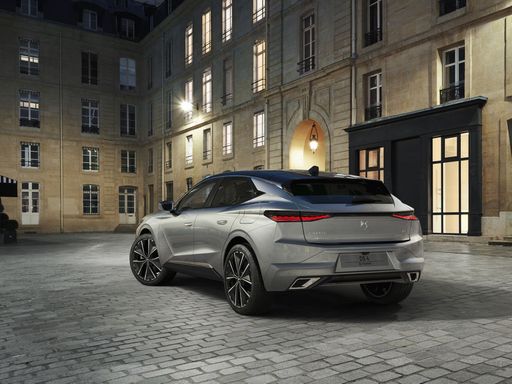
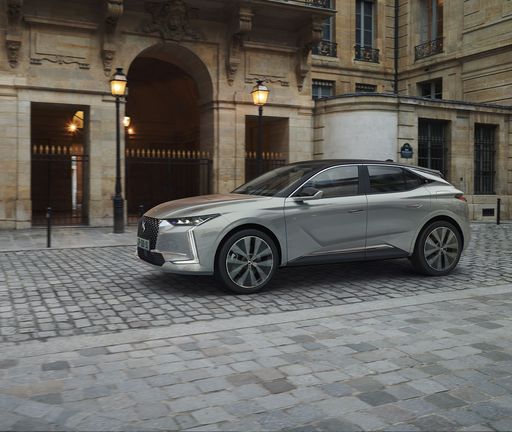
The DS 4 stands out with its elegant hatchback design, sporting a length of 4400 mm, a width of 1830 mm, and a height of 1470 mm. Its athletic yet sleek exterior is complemented by a versatile interior that seats five comfortably while offering a trunk capacity of 430 liters.

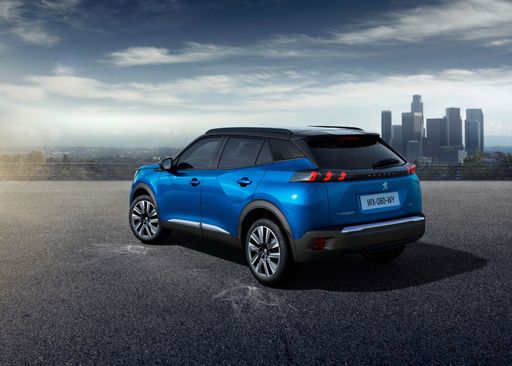
On the other hand, the Peugeot 2008, with its SUV body type, offers a more rugged aesthetic. Measuring 4304 mm in length, 1770 mm in width, and 1523 mm in height, it offers a slightly higher stance. This model maintains urban practicality with a similar seating capacity and a marginally larger trunk space of 434 liters.

DS 4

Power and Performance: Diverse Options for Discerning Drivers

Under the hood, the DS 4 presents a variety of engine types, from petrol and diesel to plug-in hybrid options. The power output ranges from 130 to 224 HP, depending on the configuration, delivering a spirited driving experience with an acceleration from 0 to 100 km/h in as little as 7.7 seconds for some variants.

The Peugeot 2008 offers petrol, and electric drivetrains with power outputs ranging from 101 to 156 HP. Notably, the all-electric version can cover an impressive range of up to 406 km on a single charge. Its acceleration capabilities also promise excitement, with figures as low as 8.3 seconds for the 0 to 100 km/h sprint.

2008

Transmission and Drive Types: Smooth Transitions and Front-Wheel Efficiency

Both models offer automatic transmissions with the DS 4 featuring options like an automatic gearbox and a dual-clutch automatic. The Peugeot 2008 further includes a manual gearbox and a reduction gearbox for its electric version. Both cars are front-wheel drive, ensuring efficient handling and maneuverability in urban environments.

DS 4

Fuel and Efficiency: Balancing Economy and Emissions

The DS 4’s range of engines delivers competitive fuel consumption figures, with the plug-in hybrid variant achieving a commendable 1.4 L/100 km and an electric range of 62 km. CO2 emissions are notably low, starting at 32 g/km for the most environmentally considerate options.

For the Peugeot 2008, efficiency is a highlight, particularly for the electric variant with a consumption rate as low as 15.5 kWh/100 km. Petrol options maintain respectable consumption figures, starting at 5 L/100 km, paired with CO2 emissions of 113 g/km, thus balancing performance with eco-friendliness.

2008

Innovations and Technological Features: The Edge of Comfort and Connectivity

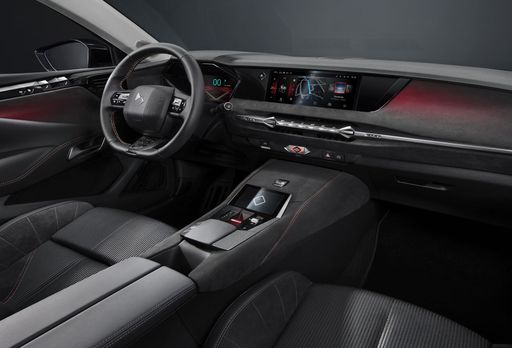
Both the DS 4 and Peugeot 2008 come equipped with advanced technological features designed to enhance driving comfort and connectivity. The DS 4 incorporates premium interior materials and a suite of technological enhancements that elevate the luxury driving experience. Meanwhile, the Peugeot 2008 offers driver-assistance features and infotainment options tailored to the tech-savvy urban driver.

DS 4

Conclusion: Tailoring Choices to Lifestyle Needs

In the end, choosing between the DS 4 and the Peugeot 2008 comes down to personal preferences and lifestyle needs. The DS 4 appeals to those seeking a premium hatchback experience with luxury trimmings and efficient hybrid options. Conversely, the Peugeot 2008 caters to drivers desiring the practicality of an SUV with efficient urban transportation, including a compelling all-electric choice. Both models proficiently showcase the blend of performance, efficiency, and innovation, each carving its niche in the competitive automotive landscape.

Here’s where it gets real: The technical differences in detail

DS 4

Costs and Efficiency:

Price and efficiency are key factors when choosing a car – and this is often where the real differences emerge.

Peugeot 2008 is clearly cheaper – starting at 24,800 £ , while the DS Automobiles DS 4 costs 34,000 £ . That’s a price difference of around 9,215 £.

Fuel consumption also shows a difference: the Peugeot 2008 uses 4.9 L/100km and is barely more efficient than the DS Automobiles DS 4 with 5.2 L/100km. The difference is about 0.3 L/100km.

2008

Engine and Performance:

Power, torque and acceleration say a lot about how a car feels on the road. This is where you see which model delivers more driving dynamics.

When it comes to engine power, the Peugeot 2008 offers a bit more power – delivering 156 HP compared to 130 HP. That’s roughly 26 HP more horsepower.

When accelerating from 0 to 100 km/h, the Peugeot 2008 is noticeably quicker – completing the sprint in 8.3 s, while the DS Automobiles DS 4 takes 10.9 s. That’s about 2.6 s quicker.

There’s also a difference in torque: the DS Automobiles DS 4 delivers only slightly more torque with 300 Nm compared to 270 Nm. That’s about 30 Nm more.

DS 4

Space and Everyday Use:

Cabin size, boot volume and payload all play a role in everyday practicality. Here, comfort and flexibility make the difference.

Both vehicles offer seating for 5 people.

In terms of curb weight, Peugeot 2008 is noticeably lighter – 1,263 kg compared to 1,558 kg. The difference is around 295 kg.

Looking at boot space, the Peugeot 2008 offers marginally more boot space – 434 L compared to 430 L. That’s a difference of about 4 L.

When it comes to payload, the Peugeot 2008 carries only slightly more – 447 kg compared to 442 kg. That’s a difference of about 5 kg.

Who wins the race in the data check?

The Peugeot 2008 stands well ahead of its rival in the objective data comparison.
This result only shows which model scores more points on paper – not which of the two cars feels right for you.

from £24,800
2008

Peugeot 2008

  • Engine Type : Petrol MHEV, Electric, Petrol
  • Transmission : Automatic, Manuel
  • Drive Type : Front-Wheel Drive
  • Power HP : 101 - 156 HP
  • Consumption L/100km : 4.9 - 5.7 L/100km
  • Consumption kWh/100km : 15.3 kWh/100km
  • Electric Range : 405 km
DS Automobiles DS 4
Peugeot 2008

Costs and Consumption

View detailed analysis

Engine and Performance

View detailed analysis

Dimensions and Body

View detailed analysis

DS Automobiles DS 4

The DS 4 is a striking compact that wears couture-inspired styling like a tailored suit, and its cabin feels more boutique hotel than ordinary hatchback with premium materials and clever detailing. On the road it mixes poise with comfort, rewarding drivers who want a refined, characterful alternative to the usual suspects — and enjoy the odd admiring glance at the lights.

details

Peugeot 2008

The Peugeot 2008 is a stylish, city-friendly crossover that packs big character into a compact package, turning mundane errands into a mildly entertaining drive. Its clever interior layout, polished looks and confident ride make it a smart choice for buyers who want practical daily sense with a touch of flair.

details
DS Automobiles DS 4
Peugeot 2008

Costs and Consumption

Price
34,000 - 41,700 £
Price
24,800 - 40,400 £
Consumption L/100km
5.2 L/100km
Consumption L/100km
4.9 - 5.7 L/100km
Consumption kWh/100km
-
Consumption kWh/100km
15.3 kWh/100km
Electric Range
-
Electric Range
405 km
Battery Capacity
-
Battery Capacity
-
co2
137 g/km
co2
0 - 129 g/km
Fuel tank capacity
53 L
Fuel tank capacity
-

Dimensions and Body

Body Type
Hatchback
Body Type
SUV
Seats
5
Seats
5
Doors
5
Doors
-
Curb weight
1,558 kg
Curb weight
1,263 - 1,623 kg
Trunk capacity
430 L
Trunk capacity
434 L
Length
4,400 mm
Length
-
Width
1,830 mm
Width
1,770 mm
Height
1,470 mm
Height
-
Max trunk capacity
1,240 L
Max trunk capacity
-
Payload
442 kg
Payload
407 - 447 kg

Engine and Performance

Engine Type
Diesel
Engine Type
Petrol MHEV, Electric, Petrol
Transmission
Automatic
Transmission
Automatic, Manuel
Transmission Detail
Automatic Gearbox
Transmission Detail
Dual-Clutch Automatic, Reduction Gearbox, Manual Gearbox
Drive Type
Front-Wheel Drive
Drive Type
Front-Wheel Drive
Power HP
130 HP
Power HP
101 - 156 HP
Acceleration 0-100km/h
10.9 s
Acceleration 0-100km/h
8.3 - 10.9 s
Max Speed
203 km/h
Max Speed
-
Torque
300 Nm
Torque
205 - 270 Nm
Number of Cylinders
4
Number of Cylinders
3
Power kW
96 kW
Power kW
74 - 115 kW
Engine capacity
1,499 cm3
Engine capacity
1,199 cm3

General

Model Year
2,024 - 2,025
Model Year
2,025 - 2,026
CO2 Efficiency Class
E
CO2 Efficiency Class
C, A, D
Brand
DS Automobiles
Brand
Peugeot
DriveDuel uses data analysis and artificial intelligence to evaluate vehicle data and create content. Content is regularly reviewed and improved. The displayed prices are estimates based on German list prices, adjusted to the respective country’s VAT. Country-specific registration taxes are not included. This information is not legally binding.