VS

Peugeot 2008 vs Peugeot 408 comparison

Compare performance (156 HP vs 225 HP), boot space and price (24,800 £ vs 35,100 £ ) at a glance. Find out which car is the better choice for you – Peugeot 2008 or Peugeot 408?

Peugeot 2008 vs Peugeot 408: Key differences

Peugeot 2008

5 (1 Reviews)
rate
  • significantly cheaper
  • markedly lighter

Peugeot 408

4.9 (1 Reviews)
rate
  • noticeably more power
  • clearly more efficient
  • only slightly more efficient
  • slightly more electric range
  • slightly quicker 0–100 km/h
  • slightly more trunk space

All details on performance, efficiency, range and trunk space can be found in the technical comparison below – including user reviews for both models.

2008

Compact SUV Showdown: Peugeot 2008 vs. Peugeot 408

In an era where compact SUVs dominate the roads, Peugeot's offering is exceptionally enticing, with the Peugeot 2008 and 408 providing diverse solutions for urban explorers and long-distance travelers alike. Both models showcase the French automaker's commitment to style, comfort, and performance. Let’s delve into how these two Peugeot models compare head-to-head.
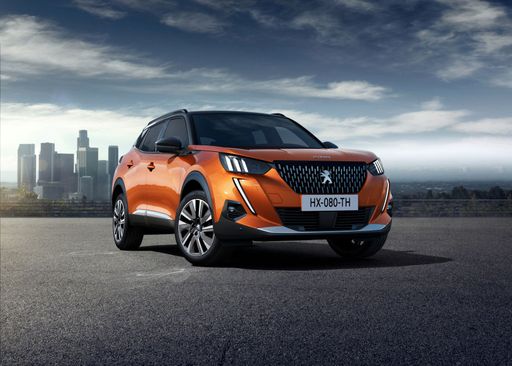
408

Design & Dimensions

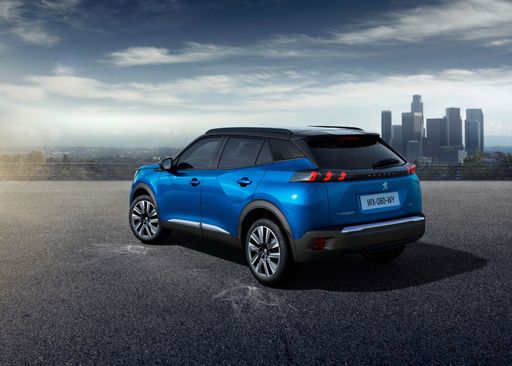
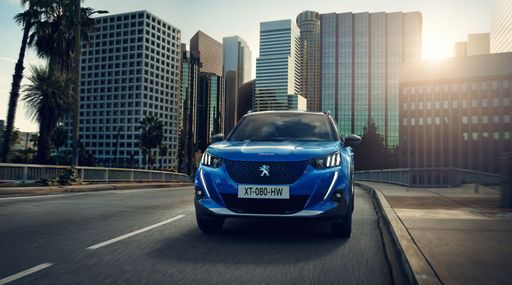
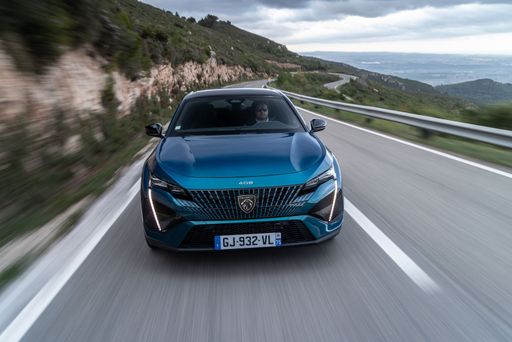
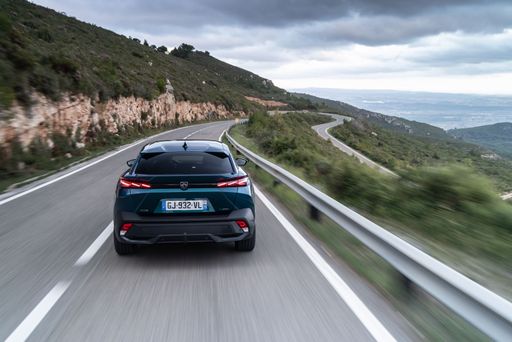
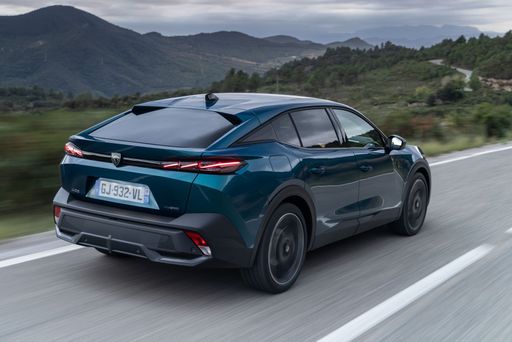
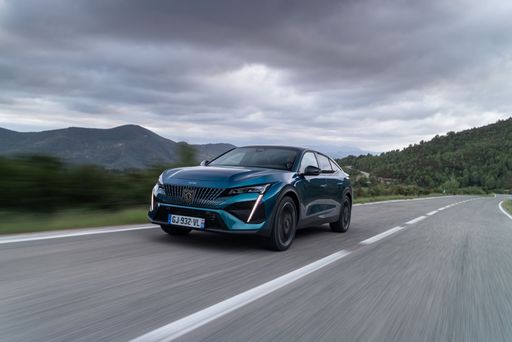
The Peugeot 2008 and the 408 both sport SUV designs, yet they cater to different tastes. The 2008, measuring 4304 mm in length, 1770 mm in width, and standing at 1523 mm tall, offers a compact silhouette ideal for navigating tight city streets. In contrast, the 408 is more elongated at 4687 mm in length, 1848 mm in width, and 1478 mm in height, providing a bolder presence, suggestive of its versatility on highways and in the suburbs.

2008

Performance & Powertrains

Under the hood, the Peugeot 2008 offers various powertrains, ranging from the efficient 101 HP petrol engine to the responsive 156 HP electric variant, providing a driving blend that can reach a top speed of 206 km/h. The 2008’s electric model boasts an impressive range of up to 406 km, powered by a 51 kWh battery, ensuring an eco-friendly commute with zero emissions.

The Peugeot 408, on the other hand, is geared for a balance of power and efficiency. Its engine options include a potent 225 HP plug-in hybrid setup that significantly cuts down on fuel consumption to just 1.5 L/100km. With an electric range of up to 63 km, this bachelor SUV extends its prowess to a maximum of 233 km/h thanks to its hybrid powertrain.

408

Driving Dynamics & Comfort

Both the 2008 and 408 employ a front-wheel-drive layout, ensuring agile handling and control. The 2008’s versatility is evident in its various transmission choices, including a dual-clutch automatic and a reduction gearbox for the electric model, providing smooth gear shifts tailored to driving preferences.

The 408, however, simplifies options with only an automatic transmission, further refining the driver's experience with its seamless power delivery. The increased curb weight of the 408 model enhances ride comfort, making it a great option for those who appreciate long drives enveloped in luxury.

2008

Room for Utility & Comfort

The Peugeot 2008 offers a trunk capacity of 434 liters, sufficient for urban lifestyles or short weekend getaways. In contrast, the 408 shines with a substantial 536 liters of trunk space, accommodating extended family trips or hefty grocery runs with ease.

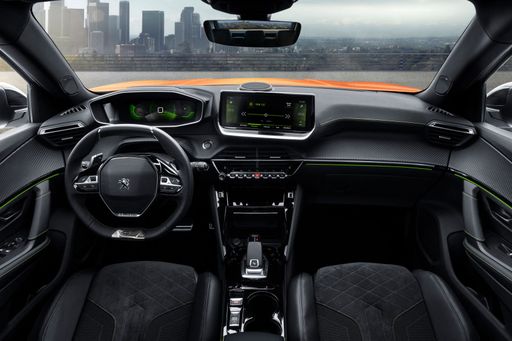
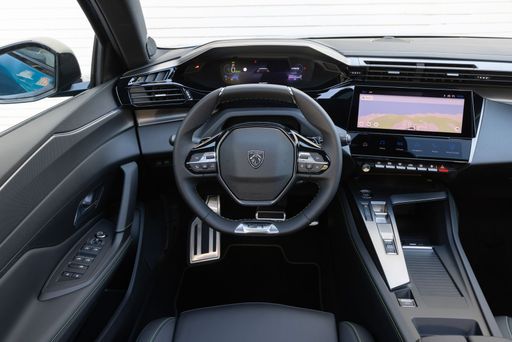
Both models comfortably seat five passengers, but the 408's more spacious interior ensures ample legroom and comfort, especially during longer rides. Furthermore, the refined interior styling of both models underscores Peugeot’s attention to detail, with high-quality materials used throughout the cabin.

408

Efficiency & Environmental Considerations

In today's environmentally conscious market, both models stand out with excellent efficiency. The 2008 offers a delightful choice for eco-minded drivers with its fully electric variant emitting zero emissions. For the 408, its plug-in hybrid model stands as a testament to sustainable practices, achieving a CO2 emission rate as low as 31 g/km.

2008

Final Verdict

The Peugeot 2008 and 408 exemplify the brand’s ability to blend form, function, and performance. The 2008 is an ideal choice for city dwellers who value compactness and versatility, whereas the 408 caters more to those seeking a blend of performance and space. Ultimately, both models fulfill Peugeot’s promise of an enjoyable driving experience, leaving potential buyers to choose based on their lifestyle needs and aesthetic preferences.

Here’s where it gets real: The technical differences in detail

2008

Costs and Efficiency:

Price and efficiency are key factors when choosing a car – and this is often where the real differences emerge.

Peugeot 2008 is significantly cheaper – starting at 24,800 £ , while the Peugeot 408 costs 35,100 £ . That’s a price difference of around 10,355 £.

Fuel consumption also shows a difference: the Peugeot 408 uses 2.7 L/100km and is clearly more efficient than the Peugeot 2008 with 4.9 L/100km. The difference is about 2.2 L/100km.

In terms of energy consumption, the Peugeot 408 is only slightly more efficient: consuming 14.8 kWh/100km compared to 15.3 kWh/100km for the Peugeot 2008. That’s a difference of about 0.5 kWh/100km.

As for electric range, the Peugeot 408 offers slightly more range – reaching up to 455 km, about 49 km more than the Peugeot 2008.

408

Engine and Performance:

Under the bonnet, it becomes clear which model is tuned for sportiness and which one takes the lead when you hit the accelerator.

When it comes to engine power, the Peugeot 408 offers noticeably more power – delivering 225 HP compared to 156 HP. That’s roughly 69 HP more horsepower.

When accelerating from 0 to 100 km/h, the Peugeot 408 is slightly quicker – completing the sprint in 7.2 s, while the Peugeot 2008 takes 8.3 s. That’s about 1.1 s quicker.

Looking at top speed, the Peugeot 408 is moderately faster – reaching 233 km/h, while the Peugeot 2008 tops out at 206 km/h. The difference is around 27 km/h.

There’s also a difference in torque: the Peugeot 408 delivers noticeably more torque with 360 Nm compared to 270 Nm. That’s about 90 Nm more.

2008

Space and Everyday Use:

Whether family car or daily driver – which one offers more room, flexibility and comfort?

Both vehicles offer seating for 5 people.

In terms of curb weight, Peugeot 2008 is markedly lighter – 1,263 kg compared to 1,544 kg. The difference is around 281 kg.

Looking at boot space, the Peugeot 408 offers slightly more boot space – 536 L compared to 434 L. That’s a difference of about 102 L.

For maximum load capacity, the Peugeot 408 offers only slightly more capacity – up to 1,583 L, about 116 L more than the Peugeot 2008.

When it comes to payload, the Peugeot 408 carries only slightly more – 456 kg compared to 447 kg. That’s a difference of about 9 kg.

Who wins the race in the data check?

The Peugeot 408 is far ahead overall in the objective data comparison.
This result only shows which model scores more points on paper – not which of the two cars feels right for you.

from £35,100
408

Peugeot 408

  • Engine Type : Electric, Petrol MHEV, Plugin Hybrid
  • Transmission : Automatic
  • Drive Type : Front-Wheel Drive
  • Power HP : 145 - 225 HP
  • Consumption L/100km : 2.7 - 5.1 L/100km
  • Consumption kWh/100km : 14.8 kWh/100km
  • Electric Range : 79 - 455 km
Peugeot 2008
Peugeot 408

Costs and Consumption

View detailed analysis

Engine and Performance

View detailed analysis

Dimensions and Body

View detailed analysis

Peugeot 2008

The Peugeot 2008 is a stylish, city-friendly crossover that packs big character into a compact package, turning mundane errands into a mildly entertaining drive. Its clever interior layout, polished looks and confident ride make it a smart choice for buyers who want practical daily sense with a touch of flair.

details

Peugeot 408

The Peugeot 408 blends a coupe-like roofline with practical sensibility, delivering striking looks and a surprisingly airy, premium-feeling cabin. On the road it prefers comfort and poise over manic thrills, making it a smart, stylish choice for buyers who want something a bit different from the usual family hatchback.

details
Peugeot 2008
Peugeot 408

Costs and Consumption

Price
24,800 - 40,400 £
Price
35,100 - 48,000 £
Consumption L/100km
4.9 - 5.7 L/100km
Consumption L/100km
2.7 - 5.1 L/100km
Consumption kWh/100km
15.3 - 15.5 kWh/100km
Consumption kWh/100km
14.8 kWh/100km
Electric Range
405 - 406 km
Electric Range
79 - 455 km
Battery Capacity
51 kWh
Battery Capacity
58.2 kWh
co2
0 - 129 g/km
co2
0 - 114 g/km
Fuel tank capacity
44 L
Fuel tank capacity
42 - 52 L

Dimensions and Body

Body Type
SUV
Body Type
SUV
Seats
5
Seats
5
Doors
5
Doors
5
Curb weight
1,263 - 1,623 kg
Curb weight
1,544 - 1,879 kg
Trunk capacity
434 L
Trunk capacity
471 - 536 L
Length
4,304 mm
Length
4,687 mm
Width
1,770 mm
Width
1,848 mm
Height
1,523 mm
Height
1,478 mm
Max trunk capacity
1,467 L
Max trunk capacity
1,528 - 1,583 L
Payload
407 - 447 kg
Payload
371 - 456 kg

Engine and Performance

Engine Type
Electric, Petrol MHEV, Petrol
Engine Type
Electric, Petrol MHEV, Plugin Hybrid
Transmission
Automatic, Manuel
Transmission
Automatic
Transmission Detail
Reduction Gearbox, Dual-Clutch Automatic, Manual Gearbox
Transmission Detail
Reduction Gearbox, Dual-Clutch Automatic
Drive Type
Front-Wheel Drive
Drive Type
Front-Wheel Drive
Power HP
101 - 156 HP
Power HP
145 - 225 HP
Acceleration 0-100km/h
8.3 - 10.9 s
Acceleration 0-100km/h
7.2 - 9.4 s
Max Speed
150 - 206 km/h
Max Speed
160 - 233 km/h
Torque
205 - 270 Nm
Torque
230 - 360 Nm
Number of Cylinders
3
Number of Cylinders
4
Power kW
74 - 115 kW
Power kW
107 - 165 kW
Engine capacity
1,199 cm3
Engine capacity
1,199 - 1,598 cm3

General

Model Year
2,023 - 2,026
Model Year
2,024 - 2,025
CO2 Efficiency Class
A, C, D
CO2 Efficiency Class
A, C, B
Brand
Peugeot
Brand
Peugeot
DriveDuel uses data analysis and artificial intelligence to evaluate vehicle data and create content. Content is regularly reviewed and improved. The displayed prices are estimates based on German list prices, adjusted to the respective country’s VAT. Country-specific registration taxes are not included. This information is not legally binding.