Peugeot 408 SUV – Electric, Petrol MHEV or Plugin Hybrid, starting at 35100 £

The Peugeot 408 SUV impresses with a Electric, Petrol MHEV or Plugin Hybrid engine, 225 HP 455 km and an attractive starting price of 35100 £. Here are all the details at a glance.

from about £35,100
408 @ Peugeot / Stellantis Media

Peugeot 408

  • Engine Type : Electric, Petrol MHEV, Plugin Hybrid
  • Transmission : Automatic
  • Drive Type : Front-Wheel Drive
  • Power HP : 145 - 225 HP
  • Consumption L/100km : 2.7 - 5.1 L
  • Consumption kWh/100km : 14.80 kWh
  • Electric Range : 79 - 455 km
@ Peugeot / Stellantis Media

Design & Presence

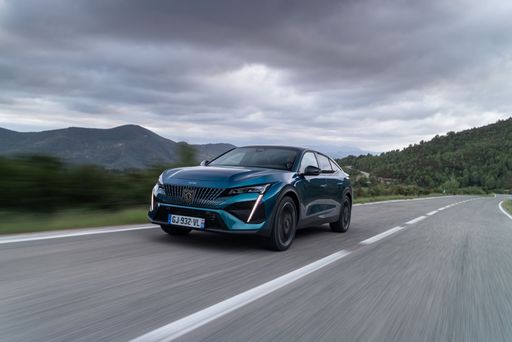
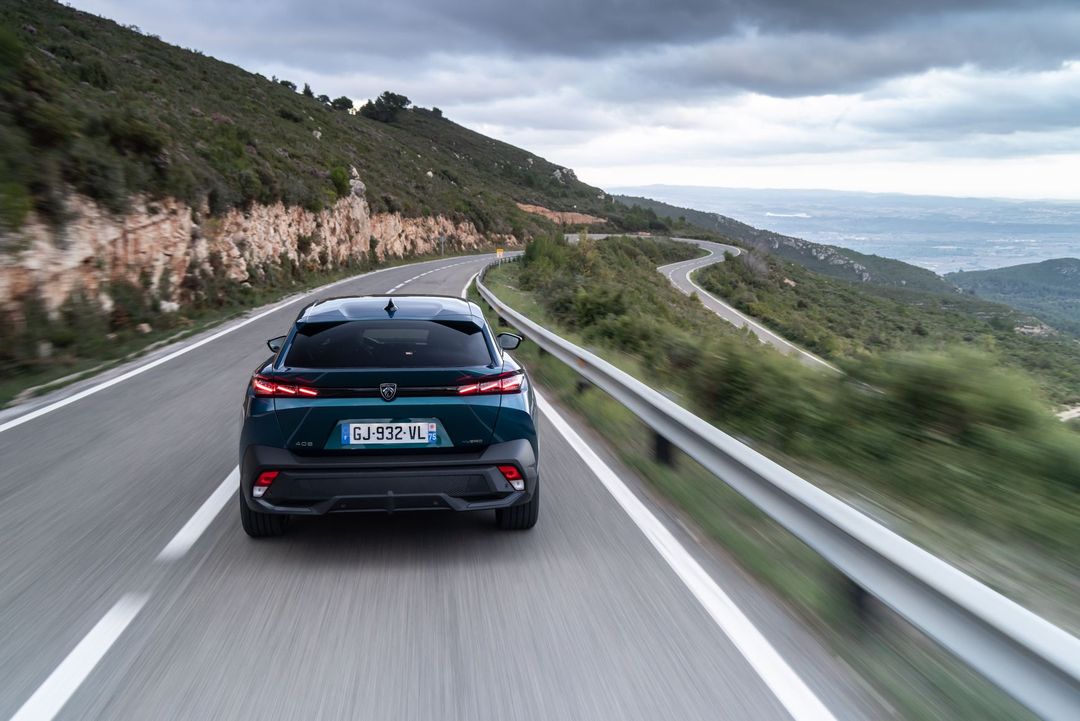
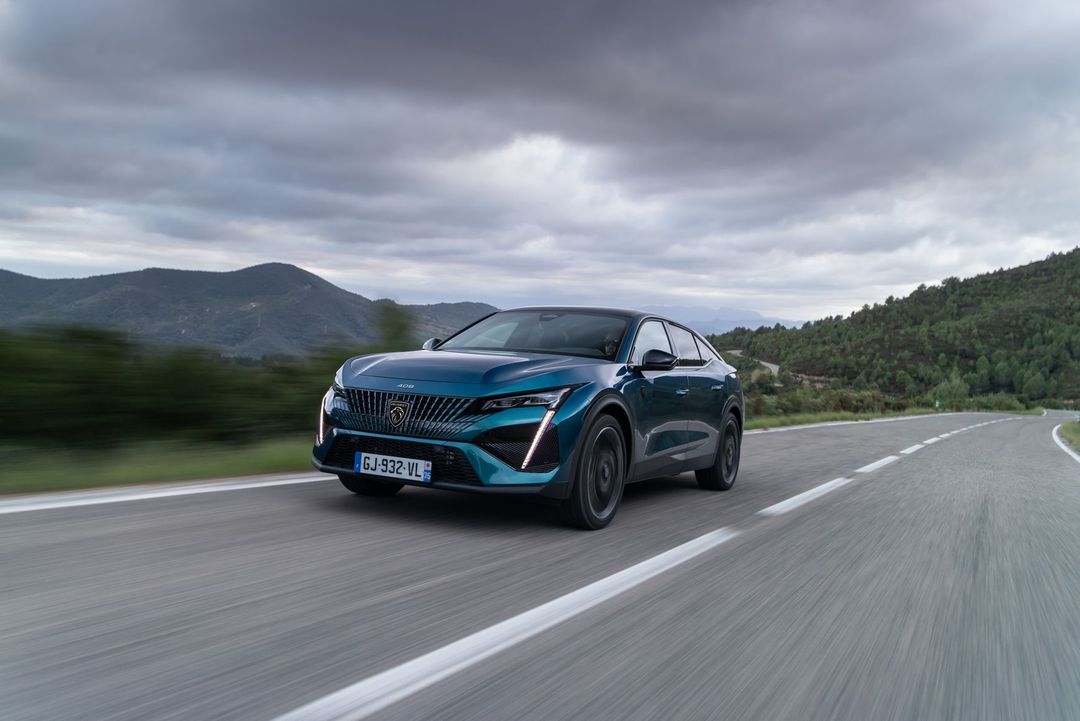
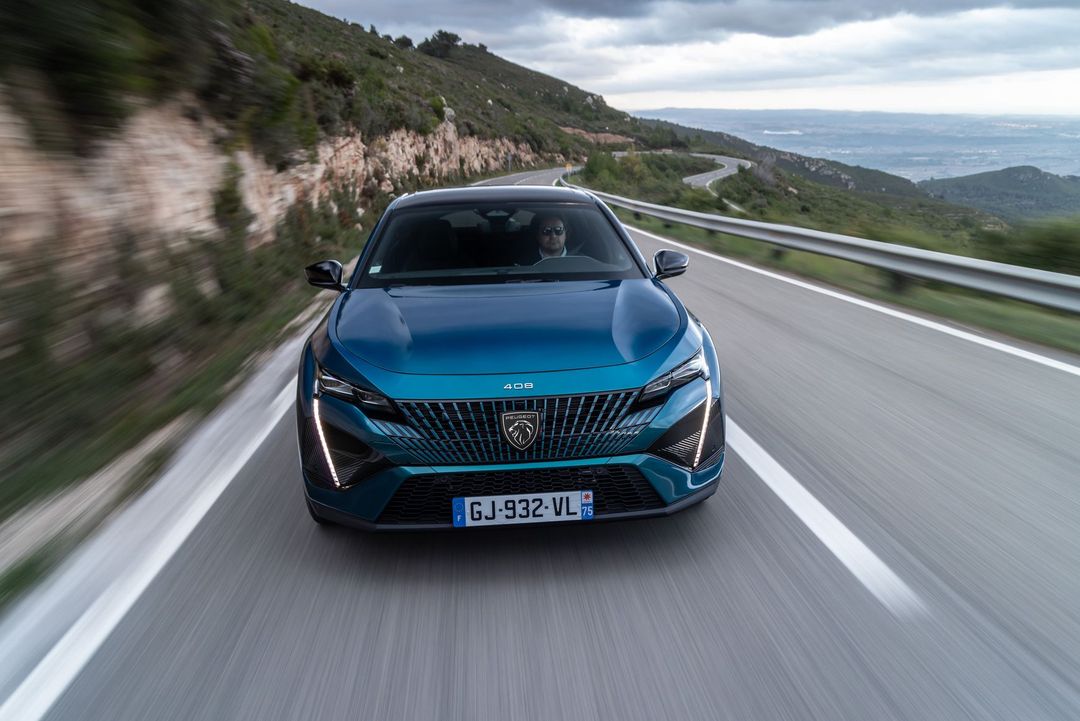
The Peugeot 408 wears Peugeot's "coupe crossover" theme with a low, sloping roof and a wide, assertive front end that gives it more presence than a conventional compact SUV. At 4,687 mm long, 1,848 mm wide and just 1,478 mm tall the profile feels sporty rather than boxy, which looks dramatic on the road and helps with aerodynamics. The trade-off is slightly reduced rear headroom compared with upright SUVs, but visually the 408 stands out as a tasteful alternative to a hatchback or estate.
@ Peugeot / Stellantis Media

Interior & Usability

Inside the Peugeot 408 the elevated i‑Cockpit layout with a compact steering wheel and high‑mounted instruments still dominates, pairing a digital driver display with a central touchscreen depending on trim. Materials are generally good for the class with soft touches and contrasting stitching, although some hard plastics remain on lower panels; visibility over the sloping bonnet is fine up front but rearward sightlines are narrower than a tall SUV. Practical controls and comfortable front seats make daily commuting easy, while a sensible boot lip and usable centre console keep everyday tasks straightforward.

@ Peugeot / Stellantis Media

Space & Everyday Practicality

Practicality balances the 408's coupe styling: five seats are standard and rear legroom is class‑competitive, yet the swept roofline eats into headroom for taller passengers. Boot capacity depends on the powertrain — expect around 471 litres on some versions and up to about 536 litres on others, with a maximum load space near 1,528–1,583 litres when the rear seats fold — so weekly shopping and airport luggage are handled without drama. Clever small storage areas and a well‑positioned loading sill make loading easier, though bulky items sometimes require a rethink given the hatch shape. Five‑seat use is realistic for four adults and an occasional fifth, but families fitting three child seats should verify fitment before buying.

@ Peugeot / Stellantis Media

Driving & Handling

Handling is tuned more towards comfort than track precision: the 408's suspension soaks up bumps with composure while the steering remains direct enough to make lane changes and B‑road driving satisfying. Performance varies by drivetrain — the electric e‑408 delivers brisk thrust (214 hp, roughly 0–100 km/h in about 7.2 s), the 1.2‑litre mild‑hybrid is more relaxed (around 9.4 s), and the 1.6 PHEV brings more poke with about 225 hp and 0–100 km/h close to 7.5 s — so there is a clear choice between eager electric progress and efficient hybrids. Front‑wheel drive keeps predictability high, but the extra mass of hybrid and electric variants tempers agility compared with lighter rivals.

@ Peugeot / Stellantis Media

Efficiency, Consumption & Range

The 408 lineup covers pure electric, mild‑hybrid and plug‑in variants, from the e‑408 electric (214 hp, 58.2 kWh battery with WLTP around 455 km and consumption around 14.8 kWh/100 km) to the 1.2‑litre 145 hp MHEV (around 5.1 L/100 km) and a 1.6‑litre 225 hp plug‑in hybrid that claims roughly 79 km electric range and combined figures near 2.7 L/100 km. In everyday use the e‑408's WLTP range is generous for commuters and many weekend trips, though real‑world figures rise at motorway speeds and in cold weather; the PHEV will produce very low fuel figures if regularly charged. The mild‑hybrid is the simplest, lightest and lowest‑hassle option for those who want reduced consumption without plugging in, but it lacks the instant torque and silence of the electric version. Charging time, home setup and typical journey profiles should guide the choice more than headline WLTP numbers alone.

Assistance & Infotainment

The 408 brings modern assistance systems such as adaptive cruise control, lane keeping, blind‑spot monitoring and parking aids, configured to reduce fatigue rather than promise full autonomy. Infotainment centres on a responsive touchscreen with smartphone mirroring and higher trims get over‑the‑air updates, while the configurable digital instrument cluster keeps essential info close to the driver; some menu layers require a little navigation to personalise. Overall the tech delivers useful everyday features and safety aids, though certain touch menus and button locations can be fiddly while on the move.

Who is it for?

The Peugeot 408 suits buyers who want the elevated presence and practicality of an SUV wrapped in a sleeker, more fashionable silhouette than a traditional crossover. Urban commuters who prize quiet electric driving will appreciate the e‑408, families who need flexibility may find the PHEV a sensible compromise, and the MHEV works well for those prioritising low running costs without charging. Those needing maximum rear‑headroom or serious off‑road capability should look elsewhere, but for style‑conscious buyers seeking modern tech and a range of efficient drivetrains the 408 is a compelling, well‑rounded choice.

Costs and Consumption

Price
35100 - 48000 £
Consumption L/100km
2.7 - 5.1 L
Consumption kWh/100km
14.80 kWh
Electric Range
79 - 455 km
Battery Capacity
58.20 kWh
co2
0 - 114 g/km
Fuel tank capacity
42 - 52 L

Dimensions and Body

Body Type
SUV
Seats
5
Doors
5
Curb weight
1544 - 1879 kg
Trunk capacity
471 - 536 L
Length
4687 mm
Width
1848 mm
Height
1478 mm
Max trunk capacity
1528 - 1583 L
Payload
371 - 456 kg

Engine and Performance

Engine Type
Electric, Petrol MHEV, Plugin Hybrid
Transmission
Automatic
Transmission Detail
Reduction Gearbox, Dual-Clutch Automatic
Drive Type
Front-Wheel Drive
Power HP
145 - 225 HP
Acceleration 0-100km/h
7.2 - 9.4 s
Max Speed
160 - 233 km/h
Torque
230 - 360 Nm
Number of Cylinders
4
Power kW
107 - 165 kW
Engine capacity
1199 - 1598 cm3

General

Model Year
2024 - 2025
CO2 Efficiency Class
A, C, B
Brand
Peugeot
What drivetrain options does the Peugeot 408 have?

The Peugeot 408 is offered with Front-Wheel Drive.

The prices and data displayed are estimates based on German list prices and may vary by country. This information is not legally binding.