VS

Peugeot Rifter vs Citroen Berlingo comparison

Compare performance (130 HP vs 136 HP), boot space and price (22,900 £ vs 20,300 £ ) at a glance. Find out which car is the better choice for you – Peugeot Rifter or Citroen Berlingo?

Peugeot Rifter vs Citroen Berlingo: Key differences

Peugeot Rifter

4.6 (2 Reviews)
rate
details

Citroen Berlingo

  • a bit cheaper
  • barely more power
  • very slightly more efficient
  • very slightly quicker 0–100 km/h
  • barely lighter
details

All details on performance, efficiency, range and trunk space can be found in the technical comparison below – including user reviews for both models.

By Achim Sedelmaier

Rifter

Citroen Berlingo vs Peugeot Rifter: space-first showdown

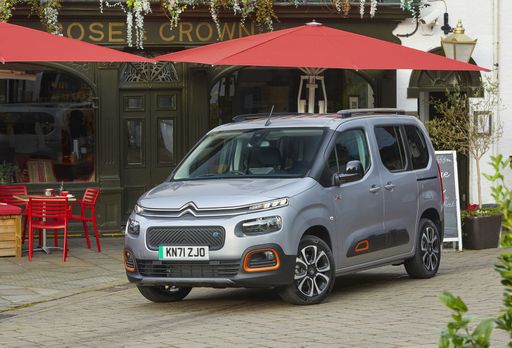
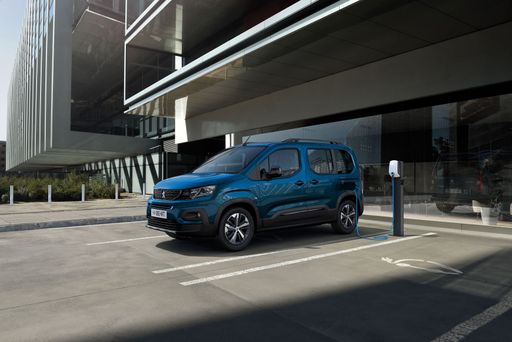
The Citroen Berlingo and Peugeot Rifter are cut from the same ultra-practical cloth, yet they feel different in daily life. This Citroen Berlingo VS Peugeot Rifter comparison focuses on how each one treats your family, your commute, and your weekends. Both deliver towering practicality with sliding doors, a huge boot, and an easy step-in height, but their cabins and price positioning pull in different directions. If you prize comfort-first seats and value for money, the Berlingo leans your way; if you favour a tidier driving position and simpler controls, the Rifter makes a strong case.
Berlingo

Cabin character and perceived quality

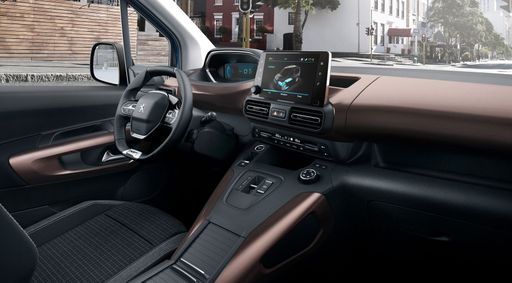
The Citroen Berlingo feels like a lounge on wheels: soft seats, a relaxed driving position, and a light, airy vibe that keeps stress low. The Peugeot Rifter counters with a slightly more driver-focused posture and clearer physical controls for core functions, which many owners appreciate at a glance. Materials in both are robust rather than plush, but the Rifter’s tidier switchgear layout helps the cabin feel more organised, while the Berlingo wins on seat comfort over long stints. If your passengers value cushy chairs and a calming mood, go Berlingo; if you like a cockpit that’s straightforward and businesslike, the Rifter fits better.

Rifter

Family usability and everyday practicality

Both cars nail the family brief: big sliding doors, three individual rear seats that handle child seats cleanly, and a square, low-loading boot that swallows buggies and bikes. The Citroen Berlingo’s softer cushions and gentle ride make school runs and stop‑start errands especially soothing, even when the car is full. The Peugeot Rifter’s neatly arranged climate and infotainment controls reduce faff when you’re juggling kids, calls, and navigation, and the optional opening tailgate glass on many versions is a real time-saver. The tailgate itself is huge on both and can be awkward in tight garages, so frequent parkers should check clearance before deciding.

Berlingo

City manners and visibility

In town, the Citroen Berlingo’s light steering and supple damping take the edge off potholes and speed humps, making it a calm companion. The Peugeot Rifter wins back ground with excellent outward visibility and generous mirrors, which make threading through traffic and tight bays feel more precise. Sliding doors are gold dust on both when kids or pets are involved, and their upright shapes mean kerbs and pillars are easy to judge. If you want the most relaxed, cushioned feel for urban trundling, the Berlingo suits; if you prioritise sightlines and tidy control at low speeds, the Rifter has the edge.

Rifter

Long-distance behaviour and efficiency

Hold a steady motorway cruise and you’ll hear more wind than in a sleeker SUV, whichever you choose; that’s the trade for all that space. The Citroen Berlingo’s comfort‑oriented seats and ride tuning take the sting out of long slogs, though it can float a touch over big undulations. The Peugeot Rifter feels similarly secure but builds wind noise sooner, encouraging a gentler pace where it settles nicely. Where available, diesel variants remain the smart pick for frequent motorway miles, while the latest electric Berlingo feels a touch more relaxed between charges; the electric Rifter shines most in city‑to‑suburb duty cycles.

Berlingo

Costs, value, and who should buy which

The Citroen Berlingo typically undercuts the Peugeot Rifter on price for comparable equipment, and it also feels a shade livelier when loaded, which families notice on hills and slip roads. The Rifter often asks a bit more but gives you a cleaner control layout and excellent visibility that professional drivers and ride‑sharing users value. Both are cheap to run in town and reward gentle driving, yet the Berlingo’s comfort and value tilt make it a standout for budget‑minded families and hobbyists. If you want maximum calm and space per pound, pick the Berlingo; if your day is about quick, fuss‑free operation and superb outward vision, the Rifter fits better—now dive into the details to see which spec seals it for you.

Here’s where it gets real: The technical differences in detail

Rifter

Costs and Efficiency:

Price and efficiency are key factors when choosing a car – and this is often where the real differences emerge.

Citroen Berlingo is a bit cheaper – starting at 20,300 £ , while the Peugeot Rifter costs 22,900 £ . That’s a price difference of around 2,529 £.

Fuel consumption also shows a difference: the Citroen Berlingo uses 5.3 L/100km and is very slightly more efficient than the Peugeot Rifter with 5.4 L/100km. The difference is about 0.1 L/100km.

Berlingo

Engine and Performance:

Under the bonnet, it becomes clear which model is tuned for sportiness and which one takes the lead when you hit the accelerator.

When it comes to engine power, the Citroen Berlingo offers barely more power – delivering 136 HP compared to 130 HP. That’s roughly 6 HP more horsepower.

When accelerating from 0 to 100 km/h, the Citroen Berlingo is very slightly quicker – completing the sprint in 11.2 s, while the Peugeot Rifter takes 11.3 s. That’s about 0.1 s quicker.

Both models offer the same torque – 300 Nm.

Rifter

Space and Everyday Use:

Whether family car or daily driver – which one offers more room, flexibility and comfort?

Both vehicles offer seating for 7 people.

In terms of curb weight, Citroen Berlingo is barely lighter – 1,476 kg compared to 1,498 kg. The difference is around 22 kg.

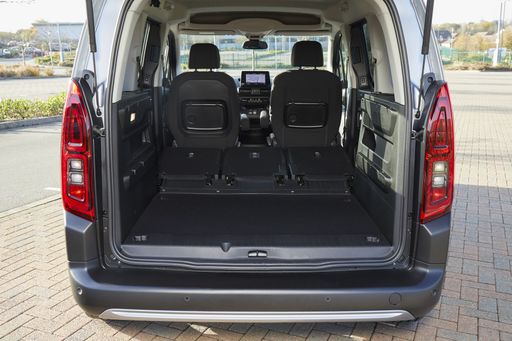
Boot capacity is identical – both offer 1,050 L of storage.

When it comes to payload, the Citroen Berlingo carries barely more – 840 kg compared to 814 kg. That’s a difference of about 26 kg.

Who wins the race in the data check?

The Citroen Berlingo is decisively ahead in the objective data comparison.
This result only shows which model scores more points on paper – not which of the two cars feels right for you.

from £20,300
Berlingo

Citroen Berlingo

  • Engine Type Electric, Diesel, Petrol
  • Transmission Automatic, Manuel
  • Drive Type Front-Wheel Drive
  • Power HP 102 - 136 HP
  • Consumption L/100km 5.3 - 6.3 L/100km
  • Consumption kWh/100km 18 - 18.7 kWh/100km
  • Electric Range 334 - 343 km
Peugeot Rifter
Citroen Berlingo

Costs and Consumption

View detailed analysis

Engine and Performance

View detailed analysis

Dimensions and Body

View detailed analysis

Peugeot Rifter

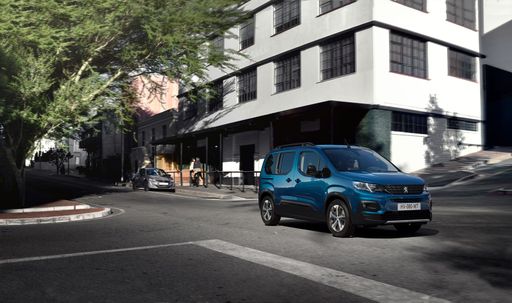
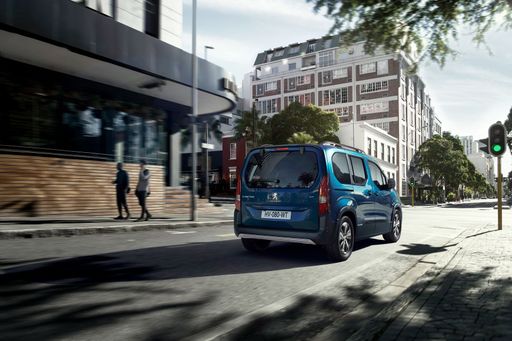
The Peugeot Rifter is a practical, family-friendly people carrier that makes everyday errands and weekend escapes feel effortless thanks to its airy cabin and clever, flexible interior. With chunky, purposeful styling and storage solutions everywhere, the Rifter manages to be both unashamedly useful and unexpectedly likeable.

details

Citroen Berlingo

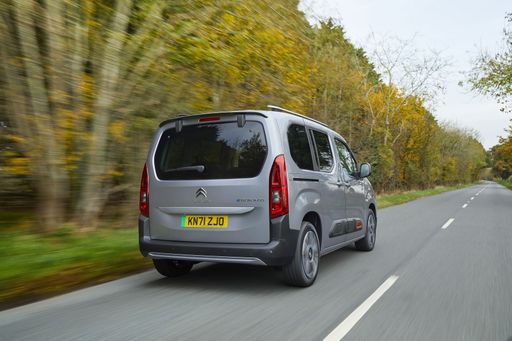
The Citroën Berlingo is a charming, practical MPV that blends everyday versatility with a comfy ride and clever storage tricks that make life easier for families and small businesses. It won’t star in a sports-car ad, but its sensible layout, enormous load flexibility and friendly demeanor mean it often wins on plain common sense — perfect for school runs, weekend escapes and the odd IKEA mission.

details
Peugeot Rifter
Citroen Berlingo

Costs and Consumption

Price
22,900 - 30,100 £
Price
20,300 - 34,900 £
Consumption L/100km
5.4 - 6.5 L/100km
Consumption L/100km
5.3 - 6.3 L/100km
Consumption kWh/100km
-
Consumption kWh/100km
18 - 18.7 kWh/100km
Electric Range
-
Electric Range
334 - 343 km
Battery Capacity
-
Battery Capacity
-
co2
142 - 157 g/km
co2
0 - 151 g/km
Fuel tank capacity
-
Fuel tank capacity
-

Dimensions and Body

Body Type
High Roof Estate
Body Type
High Roof Estate
Seats
5 - 7
Seats
5 - 7
Doors
-
Doors
-
Curb weight
1,498 - 1,694 kg
Curb weight
1,476 - 1,922 kg
Trunk capacity
322 - 1,050 L
Trunk capacity
775 - 1,050 L
Length
-
Length
-
Width
1,848 mm
Width
1,848 mm
Height
-
Height
-
Max trunk capacity
-
Max trunk capacity
-
Payload
518 - 814 kg
Payload
509 - 840 kg

Engine and Performance

Engine Type
Petrol, Diesel
Engine Type
Electric, Diesel, Petrol
Transmission
Manuel, Automatic
Transmission
Automatic, Manuel
Transmission Detail
Manual Gearbox, Automatic Gearbox
Transmission Detail
Reduction Gearbox, Manual Gearbox, Automatic Gearbox
Drive Type
Front-Wheel Drive
Drive Type
Front-Wheel Drive
Power HP
102 - 130 HP
Power HP
102 - 136 HP
Acceleration 0-100km/h
11.3 - 13.5 s
Acceleration 0-100km/h
11.2 - 14.3 s
Max Speed
-
Max Speed
-
Torque
205 - 300 Nm
Torque
205 - 300 Nm
Number of Cylinders
3 - 4
Number of Cylinders
3 - 4
Power kW
75 - 96 kW
Power kW
75 - 100 kW
Engine capacity
1,199 - 1,499 cm3
Engine capacity
1,199 - 1,499 cm3

General

Model Year
2026
Model Year
2,024 - 2,026
CO2 Efficiency Class
E, F
CO2 Efficiency Class
A, E
Brand
Peugeot
Brand
Citroen
DriveDuel uses data analysis and artificial intelligence to evaluate vehicle data and create content. Content is regularly reviewed and improved. The displayed prices are estimates based on German list prices, adjusted to the respective country’s VAT. Country-specific registration taxes are not included. This information is not legally binding.