VS

Polestar 3 vs Volvo ES90 comparison

Compare performance (517 HP vs 680 HP), boot space and price (67,400 £ vs 69,900 £ ) at a glance. Find out which car is the better choice for you – Polestar 3 or Volvo ES90?

Polestar 3 vs Volvo ES90: Key differences

Polestar 3

4.9 (1 Reviews)
rate
  • very slightly cheaper
  • very slightly lighter
details

Volvo ES90

4.3 (5 Reviews)
rate
  • markedly more power
  • very slightly more efficient
  • slightly quicker 0–100 km/h
details

All details on performance, efficiency, range and trunk space can be found in the technical comparison below – including user reviews for both models.

By Achim Sedelmaier

3

Polestar 3 and Volvo ES90: which one fits your life?

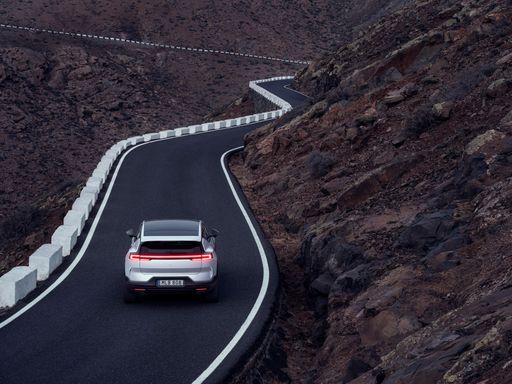
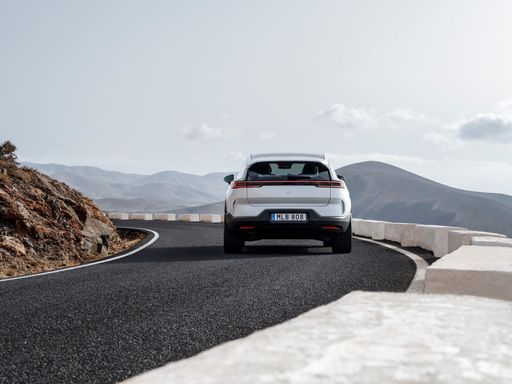
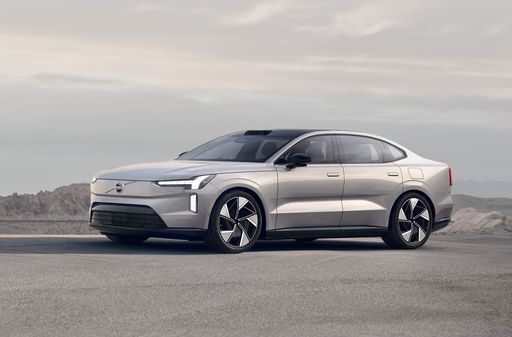
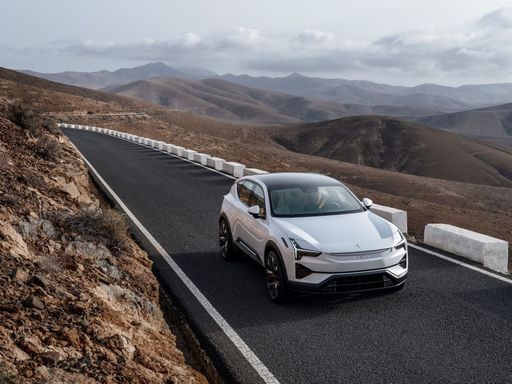
Polestar 3 and Volvo ES90 sit next to each other in the electric premium segment but aim at slightly different buyers, which makes the Polestar 3 VS Volvo ES90 comparison less about spec sheets and more about daily habits. The Polestar 3 plays the role of a sporty, design‑led SUV with lots of rear legroom and a tauter feel, while the Volvo ES90 presents itself as a serene, comfort‑first fastback with a very quiet cabin and a practical hatch. Both use modern Google‑based infotainment, yet both frustrate some buyers by hiding routine controls behind touch menus. Read on to see which car better matches long drives, family life, city use and how each will feel day to day.
ES90

Driving character and road manners

The Polestar 3 feels more athletic and engaged, with a chassis bias that rewards composed cornering and a firmer overall demeanor when you want to push. The Volvo ES90 deliberately softens the edges: suspension and sound insulation prioritize glide and composure, turning long motorway miles into a calm experience rather than a sporting exercise. In town the Polestar 3 can feel larger and a touch more planted, whereas the Volvo ES90’s lighter steering and cushioned ride make city bumps almost vanish but reduce feedback for drivers who like involvement. Choose the Polestar 3 if you want a lively SUV that still behaves on the motorway; pick the Volvo ES90 if you want glass‑smooth cruising and a less demanding driving seat.

3

Cabin feel, materials and technology

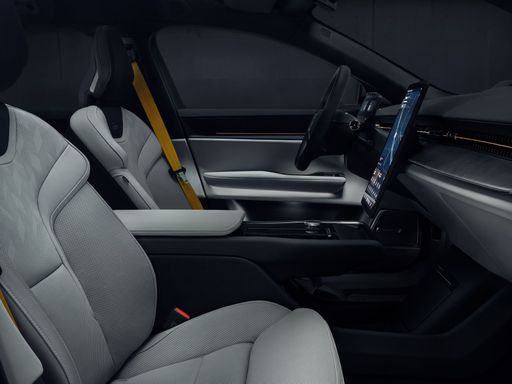
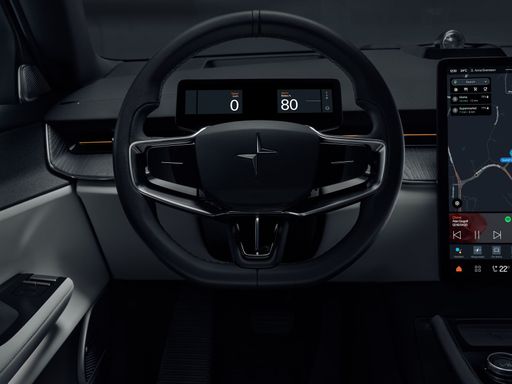
Inside, the Volvo ES90 leans into traditional premium cues: richer materials and a warmer ambience deliver a more immediately luxurious impression than the Polestar 3’s minimalist, tech‑focused cockpit. The Polestar 3’s sparse layout and deliberate use of screens create a modern, restrained aesthetic that appeals if you prefer a clean, Scandinavian tech vibe. Both cars frustrate a similar group of buyers by removing many tactile controls behind a central screen, but the Polestar 3’s interface emphasizes driving‑centric displays while the Volvo ES90 trades more on serenity and material finish. If perceived luxury is key for passengers, the Volvo ES90 wins that battle; if you value a pared‑back, contemporary tech cabin, the Polestar 3 will feel more satisfying.

Practicality and everyday usability for families

The Polestar 3 surprises with generous rear legroom and a flat floor that makes it the better choice for carrying four adults in comfort, whereas the Volvo ES90’s fastback shape uses space differently and leaves a narrower centre rear seat. When it comes to loading, the Volvo ES90’s hatchback opening is more practical for awkward, bulky items despite an overall luggage space that reviewers find modest; the Polestar 3 offers clever load floor solutions but a smaller overall boot that forces packing discipline for long trips. Both cars will handle child seats and day‑to‑day family errands well, yet families who frequently run with adult passengers in the back will prefer the Polestar 3’s roomy rear, while those who prioritise easy loading of strollers or boxes will like the ES90’s hatch. Consider how often you need to move bulky items versus how often you carry full grown passengers when choosing between them.

Long distance behavior and charging/efficiency realities

On long runs the Volvo ES90 makes its strengths obvious: exceptional quietness, measured energy use and a charging architecture tuned for shorter stops make it the commuter’s or business traveller’s dream. The Polestar 3 is also composed on motorways and offers strong reserves for overtaking, but its real‑world efficiency can be slightly more sensitive to wheel choice and speed, which translates to more frequent range planning. Charging experience tends to feel quicker and less intrusive in the ES90 because its systems and architecture are optimised for fast top‑ups, while Polestar 3 owners appreciate the cabin warmth and driving poise but should expect to mind their charging strategy a touch more. If long motorway days and rapid charging convenience are priorities, the Volvo ES90 has the edge; if you prize driving stability and rear comfort on long hauls, the Polestar 3 remains highly competitive.

City friendliness, daily usability and buyer fit

In urban life both cars have compromises: Polestar 3’s SUV width and lack of rear‑axle steering make tight multi‑storey parking a more deliberate task, while the Volvo ES90’s limited rear visibility forces greater reliance on cameras and sensors when manoeuvring. Both cabins demand a learning curve because many routine controls hide in menus, so tech‑sceptics should budget an adjustment period regardless of choice. For buyers who want a statement SUV that is roomy in the back and drives with a sharper edge, the Polestar 3 is the better fit; for those who prefer a serene, hotel‑like cabin, quicker public charging sessions and a more traditional executive presence, the Volvo ES90 suits better. These trade‑offs lead neatly into the technical comparison that follows, where charging architecture, drive outputs and luggage numbers explain the practical consequences of the choices above.

Here’s where it gets real: The technical differences in detail

3

Costs and Efficiency:

Looking at overall running costs, both models reveal some interesting differences in everyday economy.

Polestar 3 is very slightly cheaper – starting at 67,400 £ , while the Volvo ES90 costs 69,900 £ . That’s a price difference of around 2,572 £.

In terms of energy consumption, the Volvo ES90 is very slightly more efficient: consuming 16.6 kWh/100km compared to 17.6 kWh/100km for the Polestar 3. That’s a difference of about 1 kWh/100km.

The electric range is almost identical – both manage about 706 km on a single charge.

ES90

Engine and Performance:

Under the bonnet, it becomes clear which model is tuned for sportiness and which one takes the lead when you hit the accelerator.

When it comes to engine power, the Volvo ES90 offers markedly more power – delivering 680 HP compared to 517 HP. That’s roughly 163 HP more horsepower.

When accelerating from 0 to 100 km/h, the Volvo ES90 is slightly quicker – completing the sprint in 4 s, while the Polestar 3 takes 4.7 s. That’s about 0.7 s quicker.

There’s also a difference in torque: the Polestar 3 delivers very slightly more torque with 910 Nm compared to 870 Nm. That’s about 40 Nm more.

3

Space and Everyday Use:

Beyond pure performance, interior space and usability matter most in daily life. This is where you see which car is more practical and versatile.

Both vehicles offer seating for 5 people.

In terms of curb weight, Polestar 3 is very slightly lighter – 2,575 kg compared to 2,610 kg. The difference is around 35 kg.

When it comes to payload, the Polestar 3 carries only slightly more – 496 kg compared to 460 kg. That’s a difference of about 36 kg.

Who wins the race in the data check?

The Volvo ES90 comes out clearly ahead in the objective data comparison.
This result only shows which model scores more points on paper – not which of the two cars feels right for you.

from £69,900
ES90

Volvo ES90

  • Engine Type : Electric
  • Transmission : Automatic
  • Drive Type : All-Wheel Drive
  • Power HP : 456 - 680 HP
  • Consumption kWh/100km : 16.6 kWh/100km
  • Electric Range : 706 km
Polestar 3
Volvo ES90

Costs and Consumption

View detailed analysis

Engine and Performance

View detailed analysis

Dimensions and Body

View detailed analysis

Polestar 3

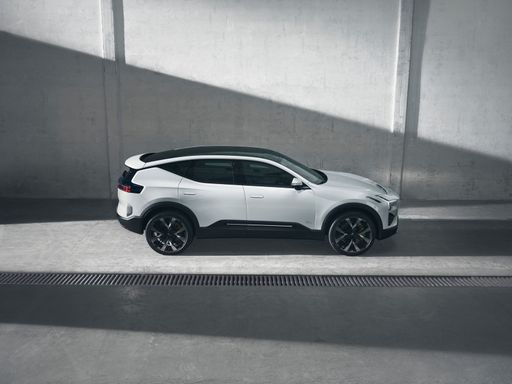
Polestar 3 arrives as a Scandinavian-styled electric SUV that marries minimalist design with a statuesque presence, looking smarter than most in the car park. Inside, the cabin feels airy and thoughtful, with tech and driving manners that lean toward composed comfort rather than outright drama — perfect for buyers who want electric prestige without shouting about it.

details

Volvo ES90

The Volvo ES90 stands out as a luxury sedan, embodying Scandinavian elegance combined with innovative technology. Its sleek design is complemented by a plush interior that emphasizes comfort and safety, aligning with Volvo's renowned reputation. With advanced features and a focus on sustainability, the ES90 is a testament to the brand's commitment to responsible luxury.

details
Polestar 3
Volvo ES90

Costs and Consumption

Price
67,400 - 79,000 £
Price
69,900 - 74,600 £
Consumption L/100km
-
Consumption L/100km
-
Consumption kWh/100km
17.6 - 21.9 kWh/100km
Consumption kWh/100km
16.6 kWh/100km
Electric Range
567 - 706 km
Electric Range
706 km
Battery Capacity
107 kWh
Battery Capacity
-
co2
0 g/km
co2
0 g/km
Fuel tank capacity
-
Fuel tank capacity
-

Dimensions and Body

Body Type
SUV
Body Type
Hatchback
Seats
5
Seats
5
Doors
5
Doors
-
Curb weight
2,575 - 2,584 kg
Curb weight
2,610 kg
Trunk capacity
484 L
Trunk capacity
-
Length
4,900 mm
Length
-
Width
1,935 mm
Width
1,942 mm
Height
1,614 - 1,618 mm
Height
-
Max trunk capacity
1,411 L
Max trunk capacity
-
Payload
285 - 496 kg
Payload
460 kg

Engine and Performance

Engine Type
Electric
Engine Type
Electric
Transmission
Automatic
Transmission
Automatic
Transmission Detail
Reduction Gearbox
Transmission Detail
Reduction Gearbox
Drive Type
All-Wheel Drive, Rear-Wheel Drive
Drive Type
All-Wheel Drive
Power HP
299 - 517 HP
Power HP
456 - 680 HP
Acceleration 0-100km/h
4.7 - 7.8 s
Acceleration 0-100km/h
4 - 5.4 s
Max Speed
180 - 210 km/h
Max Speed
-
Torque
490 - 910 Nm
Torque
670 - 870 Nm
Number of Cylinders
-
Number of Cylinders
-
Power kW
220 - 380 kW
Power kW
335 - 500 kW
Engine capacity
-
Engine capacity
-

General

Model Year
2024
Model Year
2026
CO2 Efficiency Class
A
CO2 Efficiency Class
A
Brand
Polestar
Brand
Volvo
DriveDuel uses data analysis and artificial intelligence to evaluate vehicle data and create content. Content is regularly reviewed and improved. The displayed prices are estimates based on German list prices, adjusted to the respective country’s VAT. Country-specific registration taxes are not included. This information is not legally binding.