VS

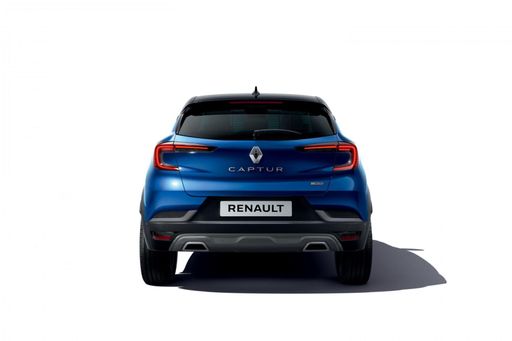
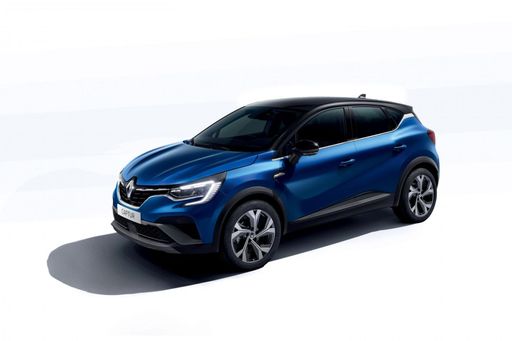
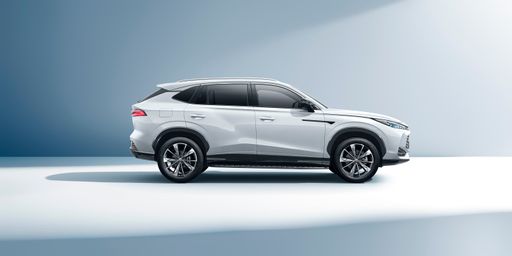
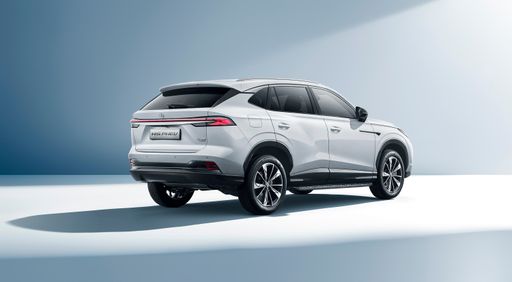
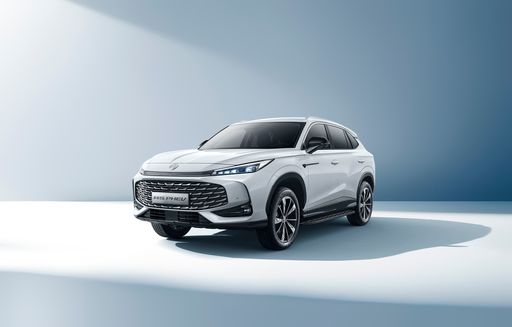
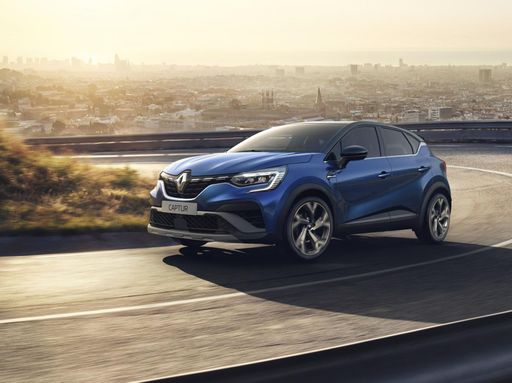
Renault Captur vs MG HS comparison

Compare performance (158 HP vs 272 HP), boot space and price (21,400 £ vs 30,000 £ ) at a glance. Find out which car is the better choice for you – Renault Captur or MG HS?

Renault Captur vs MG HS: Key differences

Renault Captur

4.8 (6 Reviews)
rate
  • clearly cheaper
  • markedly lighter
details

MG HS

4.7 (7 Reviews)
rate
  • significantly more power
  • clearly more efficient
  • noticeably quicker 0–100 km/h
  • a bit more trunk space
details

All details on performance, efficiency, range and trunk space can be found in the technical comparison below – including user reviews for both models.

By Achim Sedelmaier

Captur

Renault Captur VS MG HS: quick take for shoppers

Renault Captur VS MG HS sets up a classic trade-off: the Captur leans on urban-friendly refinement and clever interior packaging, while the MG HS trades some polish for outright space and generous standard equipment. The Captur feels tailored to buyers who prize a calm cabin, slick Google-based infotainment and a cleverly flexible rear bench. The MG HS markets itself at a lower outlay with more rear legroom, an unusually long PHEV electric reach for everyday trips and a five‑star safety score that will comfort family buyers. Both cars have practical compromises—visibility and boot access on the Captur, and infotainment responsiveness and boot loss on the MG—and those compromises shape who will enjoy each car most.
HS

Character and driving: calm cleverness vs. roomy pragmatism

The Renault Captur drives with a composed, almost relaxed personality that rewards smooth inputs and city cruising more than aggressive cornering. The MG HS feels heavier and less communicative at the wheel; it’s safe and steady but never involving, especially on twisty roads. If you want low-key refinement—frequent electric cruising in town and a quiet motorway demeanour—the Captur will feel more grown-up; if you prioritise straight-line shove from a PHEV setup and roomy rear seats on daily runs, the MG HS delivers the tangible payoff. Both can handle long trips, but they do so in different moods: the Captur soothes, the MG HS simply carries on.

Captur

Comfort and cabin quality: perceived finesse against space-first execution

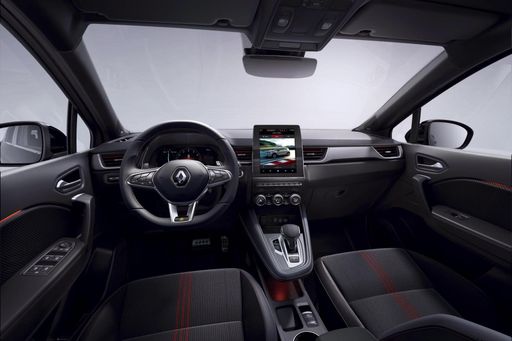
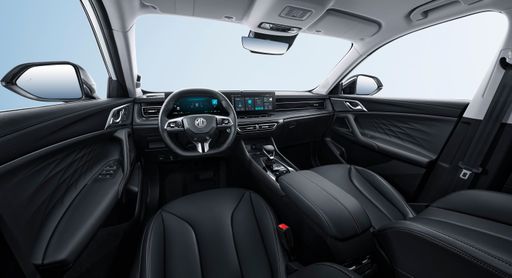
Inside, the Renault Captur aims upmarket in the areas you notice first—soft upper surfaces, tidy switchgear and a fast, intuitive Google-powered screen that lifts the whole feel. The MG HS gives you more rear-seat generosity and a straightforward, well-equipped cabin, yet some controls feel less refined and the infotainment can be sluggish, which chips at daily polish. Noise behavior separates them: the Captur’s hybrid variants are remarkably quiet in city use, while the MG HS shows more tyre and road noise at higher speeds. In short, the Captur feels nicer to sit in and live with; the MG HS feels more utilitarian but roomier for real passengers.

HS

Practicality and family usability: flexible cleverness vs. space with caveats

The Captur’s sliding rear bench and clever load-floor options make packing around children and changing luggage layouts intuitive—small doorways and a high sill are annoyances, but the flexibility pays off for daily family life. The MG HS wins the legroom battle and makes fitting child seats and adult passengers easier, however the PHEV variants reduce usable boot space and sometimes raise the loading lip, which makes bulky holiday luggage a fiddlier experience. Storage detail matters: the Captur skews toward practical modularity, whereas the MG offers clear rear-seat comfort at the expense of some boot usability. Choose the Captur if adaptable interior layouts and easier flexibility matter; pick the MG HS if rear passenger space and kit count top your checklist.

Captur

City friendliness vs motorway behavior: nimble urbanism against PHEV commuting

In tight urban traffic the Renault Captur feels more city-savvy—light steering, frequent electric gliding in hybrid form and helpful camera and parking aids make short trips less taxing. The MG HS becomes especially attractive for commuters who can charge regularly: many daily journeys will be purely electric and cheap, but only if you plug in often. On motorways the Captur’s refined cruiser persona soothes long stretches, while the MG HS can feel louder from tyre and road noise and its steering offers less feedback on long runs. If your life is stop-start urban mobility the Captur will feel naturally at home; if your week mixes motorway cruising with the need for long electric commutes, the MG HS has a compelling case.

HS

Who should pick which car: buyer-fit and the trade-offs that matter

Buy the Renault Captur if you prioritise a quietly refined cabin, intuitive Google-powered tech and a flexible interior that suits urban families who value comfort and perceived quality. Choose the MG HS if you want maximum rear-seat room, a very attractive equipment-to-price ratio and a PHEV that can turn most daily runs into electric commutes, plus the reassurance of a five‑star safety rating. The trade-off is simple: the Captur gives a nicer everyday touchpoint and calmer long-distance manners; the MG HS gives tangible space and running-cost potential but asks you to accept less responsive infotainment and a less engaging drive. Read on to the technical comparison for the specifics that convert these real-world differences into numbers and option choices.

Here’s where it gets real: The technical differences in detail

Captur

Costs and Efficiency:

Looking at overall running costs, both models reveal some interesting differences in everyday economy.

Renault Captur is clearly cheaper – starting at 21,400 £ , while the MG HS costs 30,000 £ . That’s a price difference of around 8,606 £.

Fuel consumption also shows a difference: the MG HS uses 0.5 L/100km and is clearly more efficient than the Renault Captur with 4.4 L/100km. The difference is about 3.9 L/100km.

HS

Engine and Performance:

Under the bonnet, it becomes clear which model is tuned for sportiness and which one takes the lead when you hit the accelerator.

When it comes to engine power, the MG HS offers significantly more power – delivering 272 HP compared to 158 HP. That’s roughly 114 HP more horsepower.

When accelerating from 0 to 100 km/h, the MG HS is noticeably quicker – completing the sprint in 6.8 s, while the Renault Captur takes 8.9 s. That’s about 2.1 s quicker.

There’s also a difference in torque: the MG HS delivers noticeably more torque with 350 Nm compared to 265 Nm. That’s about 85 Nm more.

Captur

Space and Everyday Use:

Beyond pure performance, interior space and usability matter most in daily life. This is where you see which car is more practical and versatile.

Both vehicles offer seating for 5 people.

In terms of curb weight, Renault Captur is markedly lighter – 1,323 kg compared to 1,735 kg. The difference is around 412 kg.

Looking at boot space, the MG HS offers a bit more boot space – 507 L compared to 422 L. That’s a difference of about 85 L.

When it comes to payload, the Renault Captur carries a bit more – 453 kg compared to 400 kg. That’s a difference of about 53 kg.

Who wins the race in the data check?

The MG HS is far ahead overall in the objective data comparison.
This result only shows which model scores more points on paper – not which of the two cars feels right for you.

from £30,000
HS

MG HS

  • Engine Type : Full Hybrid, Plugin Hybrid
  • Transmission : Automatic
  • Drive Type : Front-Wheel Drive
  • Power HP : 224 - 272 HP
  • Consumption L/100km : 0.5 - 5.5 L/100km
  • Electric Range : 100 km
Renault Captur
MG HS

Costs and Consumption

View detailed analysis

Engine and Performance

View detailed analysis

Dimensions and Body

View detailed analysis

Renault Captur

The Renault Captur is a stylish and practical compact crossover that combines a high seating position and easy manoeuvrability with a comfortable, well‑equipped cabin. Its flexible interior layout and modern infotainment make it a sensible, polished choice for city drivers and small families.

details

MG HS

The MG HS, also known as the EHS in its hybrid variant, is a midsize SUV that combines modern design with a focus on comfort and technology. Its spacious interior offers a premium feel, enhanced by quality materials and an array of advanced features aimed at ensuring a smooth driving experience. Known for its efficiency, the MG HS/EHS delivers an enjoyable ride whether navigating city streets or taking on longer road trips.

details
Renault Captur
MG HS

Costs and Consumption

Price
21,400 - 28,400 £
Price
30,000 - 36,000 £
Consumption L/100km
4.4 - 6 L/100km
Consumption L/100km
0.5 - 5.5 L/100km
Consumption kWh/100km
-
Consumption kWh/100km
-
Electric Range
-
Electric Range
100 km
Battery Capacity
-
Battery Capacity
-
co2
100 - 137 g/km
co2
14 - 126 g/km
Fuel tank capacity
-
Fuel tank capacity
-

Dimensions and Body

Body Type
SUV
Body Type
SUV
Seats
5
Seats
5
Doors
-
Doors
-
Curb weight
1,323 - 1,441 kg
Curb weight
1,735 - 1,930 kg
Trunk capacity
326 - 422 L
Trunk capacity
507 L
Length
-
Length
-
Width
1,797 mm
Width
1,890 mm
Height
-
Height
-
Max trunk capacity
-
Max trunk capacity
-
Payload
447 - 453 kg
Payload
400 kg

Engine and Performance

Engine Type
Full Hybrid, Petrol, Petrol MHEV
Engine Type
Full Hybrid, Plugin Hybrid
Transmission
Automatic, Manuel
Transmission
Automatic
Transmission Detail
Automatic Gearbox, Manual Gearbox, Dual-Clutch Automatic
Transmission Detail
Automatic Gearbox
Drive Type
Front-Wheel Drive
Drive Type
Front-Wheel Drive
Power HP
115 - 158 HP
Power HP
224 - 272 HP
Acceleration 0-100km/h
8.9 - 12.3 s
Acceleration 0-100km/h
6.8 - 7.9 s
Max Speed
-
Max Speed
-
Torque
160 - 265 Nm
Torque
340 - 350 Nm
Number of Cylinders
3 - 4
Number of Cylinders
4
Power kW
84 - 116 kW
Power kW
165 - 200 kW
Engine capacity
1,199 - 1,789 cm3
Engine capacity
1,496 cm3

General

Model Year
2025
Model Year
2025
CO2 Efficiency Class
C, D, E
CO2 Efficiency Class
D, B
Brand
Renault
Brand
MG
DriveDuel uses data analysis and artificial intelligence to evaluate vehicle data and create content. Content is regularly reviewed and improved. The displayed prices are estimates based on German list prices, adjusted to the respective country’s VAT. Country-specific registration taxes are not included. This information is not legally binding.