VS

Renault Scénic vs CUPRA Born comparison

Compare performance (218 HP vs 326 HP), boot space and price (34,600 £ vs 34,700 £ ) at a glance. Find out which car is the better choice for you – Renault Scénic or CUPRA Born?

Renault Scénic vs CUPRA Born: Key differences

Renault Scénic

5 (1 Reviews)
rate
  • barely cheaper
  • marginally more electric range
  • barely lighter
  • visibly more trunk space

CUPRA Born

  • clearly more power
  • moderately more efficient
  • considerably quicker 0–100 km/h
Scénic

Introduction: A Clash of Electric Titans

As the automotive world shifts towards sustainability, electric vehicles (EVs) are taking center stage. Two contenders making waves in the electric hatchback and SUV segment are the CUPRA Born and the Renault Scénic. This article delves into a detailed comparison of these innovative models, examining their technical aspects, performance metrics, and unique features to determine which electric car might best suit your needs.
Born

Design and Dimensions

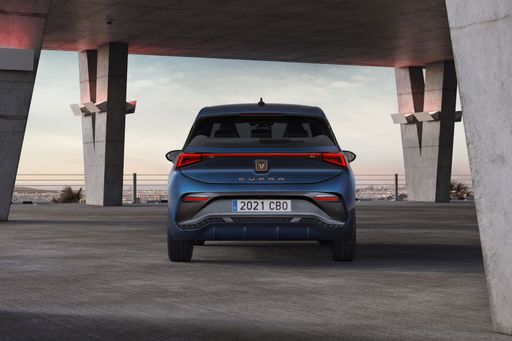
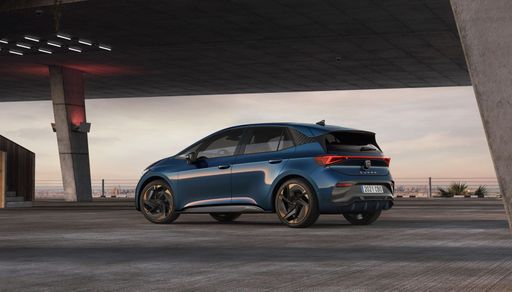
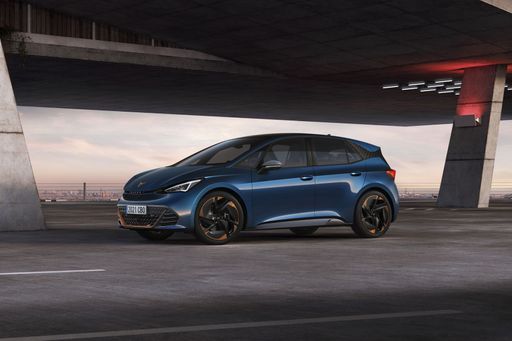
The CUPRA Born, a sleek hatchback, measures 4324 mm in length, 1809 mm in width, and 1540 mm in height. With its sporty and aggressive design language, it embodies the essence of performance.
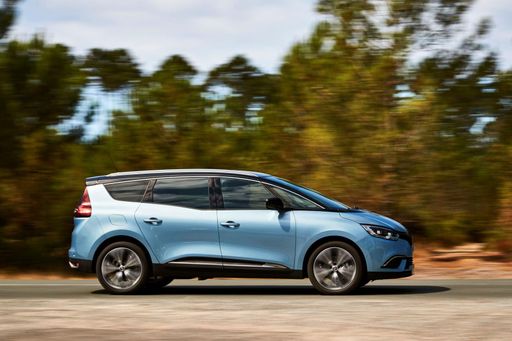
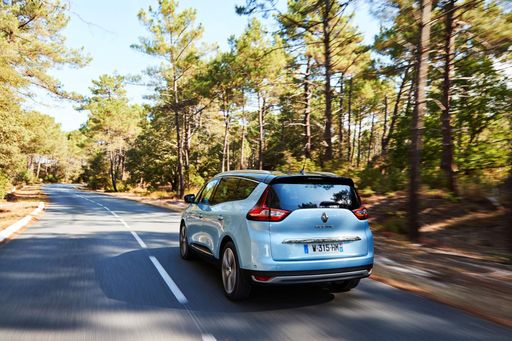
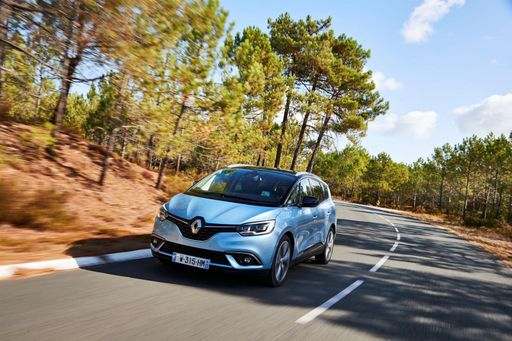
In contrast, the Renault Scénic, an SUV, is larger with a length of 4470 mm, a width of 1864 mm, and a height of 1571 mm. This dimension allows for a more spacious interior, catering to families and those seeking more cargo capacity.

Scénic

Performance and Powertrains

The CUPRA Born offers two power outputs: 231 HP (170 kW) and a sportier variant producing 326 HP (240 kW). It accelerates from 0 to 100 km/h in just 5.6 seconds, showcasing impressive performance capabilities. Its rear-wheel-drive setup contributes to a dynamic driving experience.
On the other hand, the Renault Scénic tops out at a respectable power of 220 HP (160 kW) and achieves a 0-100 km/h time of 7.9 seconds. With its front-wheel-drive configuration, it provides a stable ride but may not deliver the exhilarating performance found in the Born.

Born

Electric Range and Efficiency

Both vehicles boast remarkable electric ranges, ideal for daily commutes and weekend getaways. The CUPRA Born offers a maximum range of 555 km, powered by a 77 kWh battery. Its efficiency is noteworthy, with a consumption rate of just 14.9 kWh/100 km.
Conversely, the Renault Scénic delivers slightly less with a maximum range of 598 km from its 77 kWh battery option, but it has a higher consumption rate of 17.6 kWh/100 km, indicating that while it may offer a longer range, it does not match the Born’s efficiency.

Scénic

Interior Space and Practicality

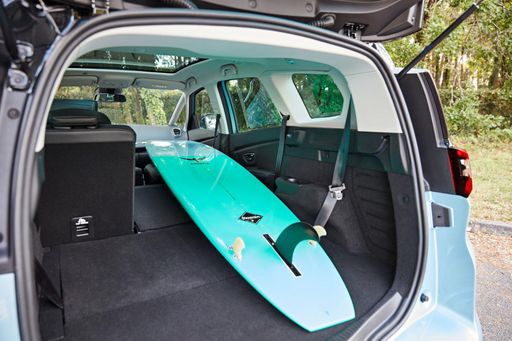
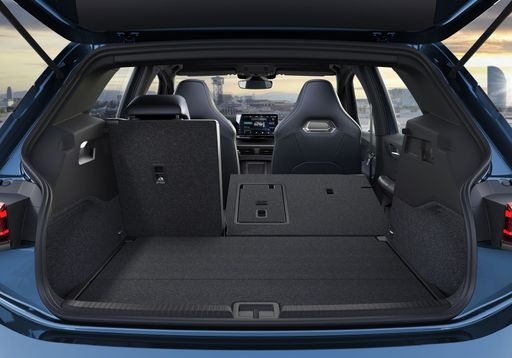
When it comes to interior space, the Renault Scénic excels with a trunk capacity of 545 liters, providing ample room for family trips or weekend errands. The hatchback design of the Born limits its trunk space to 385 liters, which, while adequate for daily use, may not suit those needing more cargo room.
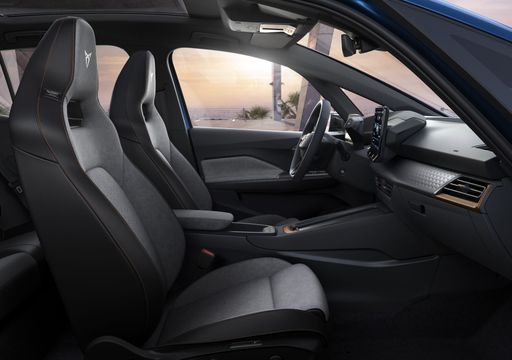
Both vehicles comfortably seat five passengers, but the Scénic’s larger dimensions translate into more legroom and headroom for occupants, making it a better choice for families and tall passengers.

Born

Innovative Features and Technology

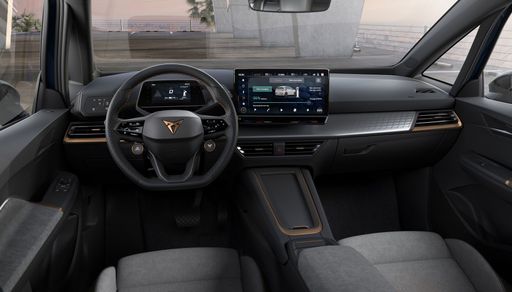
In terms of technology, both cars come equipped with the latest infotainment systems. The CUPRA Born features a touchscreen interface with seamless app integration and voice recognition functionalities, focusing on creating an engaging driving experience.
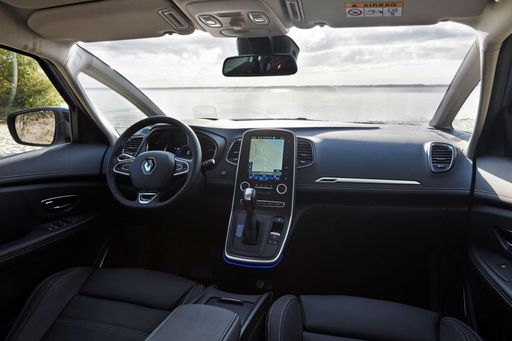
The Renault Scénic also offers advanced connectivity options but tends to focus more on family-oriented features like safety technologies and spacious seating arrangements. Both models include essential safety systems, with a strong emphasis on driver assistance functionalities.

Scénic

Conclusion: Which One Reigns Supreme?

Deciding between the CUPRA Born and Renault Scénic depends heavily on your needs and driving habits. If performance and sporty handling are your priorities, the Born stands out as the clear winner with its impressive acceleration and efficiency. However, for those seeking a family-friendly electric vehicle with more interior space and practicality, the Renault Scénic presents a compelling option.
In the evolving world of electric vehicles, both models exhibit remarkable innovations and features, pushing the boundaries of what modern EVs can offer. Ultimately, the best choice hinges on personal preference and specific requirements.

Here’s where it gets real: The technical differences in detail

Scénic

Costs and Efficiency:

Looking at overall running costs, both models reveal some interesting differences in everyday economy.

Renault Scénic is barely cheaper – starting at 34,600 £ , while the CUPRA Born costs 34,700 £ . That’s a price difference of around 43 £.

In terms of energy consumption, the CUPRA Born is moderately more efficient: consuming 14.9 kWh/100km compared to 16.6 kWh/100km for the Renault Scénic. That’s a difference of about 1.7 kWh/100km.

As for electric range, the Renault Scénic offers marginally more range – reaching up to 598 km, about 4 km more than the CUPRA Born.

Born

Engine and Performance:

Power, torque and acceleration say a lot about how a car feels on the road. This is where you see which model delivers more driving dynamics.

When it comes to engine power, the CUPRA Born offers clearly more power – delivering 326 HP compared to 218 HP. That’s roughly 108 HP more horsepower.

When accelerating from 0 to 100 km/h, the CUPRA Born is considerably quicker – completing the sprint in 5.6 s, while the Renault Scénic takes 7.9 s. That’s about 2.3 s quicker.

Looking at top speed, the CUPRA Born is slightly faster – reaching 200 km/h, while the Renault Scénic tops out at 170 km/h. The difference is around 30 km/h.

There’s also a difference in torque: the CUPRA Born delivers substantially more torque with 545 Nm compared to 300 Nm. That’s about 245 Nm more.

Scénic

Space and Everyday Use:

Beyond pure performance, interior space and usability matter most in daily life. This is where you see which car is more practical and versatile.

Both vehicles offer seating for 5 people.

In terms of curb weight, Renault Scénic is barely lighter – 1,822 kg compared to 1,828 kg. The difference is around 6 kg.

Looking at boot space, the Renault Scénic offers visibly more boot space – 545 L compared to 385 L. That’s a difference of about 160 L.

For maximum load capacity, the Renault Scénic offers noticeably more capacity – up to 1,670 L, about 403 L more than the CUPRA Born.

When it comes to payload, the Renault Scénic carries slightly more – 518 kg compared to 452 kg. That’s a difference of about 66 kg.

Who wins the race in the data check?

The CUPRA Born is clearly superior overall in the objective data comparison.
This result only shows which model scores more points on paper – not which of the two cars feels right for you.

from £34,700
Born

CUPRA Born

  • Engine Type : Electric
  • Transmission : Automatic
  • Drive Type : Rear-Wheel Drive
  • Power HP : 204 - 326 HP
  • Consumption kWh/100km : 14.9 - 16 kWh/100km
  • Electric Range : 428 - 594 km
Renault Scénic
CUPRA Born

Costs and Consumption

View detailed analysis

Engine and Performance

View detailed analysis

Dimensions and Body

View detailed analysis

Renault Scénic

The Renault Scénic is a quietly clever family MPV that balances everyday practicality with unexpected flair, offering a roomy, flexible cabin that makes school runs and weekend escapes less of a chore. It won't dazzle like a sports car, but its composed ride, sensible tech and thoughtful storage solutions make it a superbly pragmatic choice for buyers who prefer substance with a wink.

details

CUPRA Born

The CUPRA Born blends sharp, athletic styling with a playful electric character, delivering hatchback agility and hot-hatch attitude whether you're darting through the city or cruising the open road. Inside, the cabin punches above its weight with smart materials and practical space, making it a compelling pick for buyers who want electric motoring without surrendering the grin.

details
Renault Scénic
CUPRA Born

Costs and Consumption

Price
34,600 - 44,000 £
Price
34,700 - 45,300 £
Consumption L/100km
-
Consumption L/100km
-
Consumption kWh/100km
16.6 - 17.5 kWh/100km
Consumption kWh/100km
14.9 - 16 kWh/100km
Electric Range
420 - 598 km
Electric Range
428 - 594 km
Battery Capacity
-
Battery Capacity
79 kWh
co2
0 g/km
co2
0 g/km
Fuel tank capacity
-
Fuel tank capacity
-

Dimensions and Body

Body Type
SUV
Body Type
Hatchback
Seats
5
Seats
5
Doors
5
Doors
5
Curb weight
1,822 - 1,927 kg
Curb weight
1,828 - 1,999 kg
Trunk capacity
545 L
Trunk capacity
385 L
Length
4,470 mm
Length
4,324 mm
Width
1,864 mm
Width
1,809 mm
Height
1,571 mm
Height
1,540 mm
Max trunk capacity
1,670 L
Max trunk capacity
1,267 L
Payload
514 - 518 kg
Payload
431 - 452 kg

Engine and Performance

Engine Type
Electric
Engine Type
Electric
Transmission
Automatic
Transmission
Automatic
Transmission Detail
Reduction Gearbox
Transmission Detail
Reduction Gearbox
Drive Type
Front-Wheel Drive
Drive Type
Rear-Wheel Drive
Power HP
170 - 218 HP
Power HP
204 - 326 HP
Acceleration 0-100km/h
7.9 - 8.6 s
Acceleration 0-100km/h
5.6 - 7.7 s
Max Speed
150 - 170 km/h
Max Speed
200 km/h
Torque
280 - 300 Nm
Torque
265 - 545 Nm
Number of Cylinders
-
Number of Cylinders
-
Power kW
125 - 160 kW
Power kW
150 - 240 kW
Engine capacity
-
Engine capacity
-

General

Model Year
2,025
Model Year
2,024 - 2,025
CO2 Efficiency Class
A
CO2 Efficiency Class
A
Brand
Renault
Brand
CUPRA
DriveDuel uses data analysis and artificial intelligence to evaluate vehicle data and create content. Content is regularly reviewed and improved. The displayed prices are estimates based on German list prices, adjusted to the respective country’s VAT. Country-specific registration taxes are not included. This information is not legally binding.