VS

CUPRA Born vs Volvo EX30 comparison

Compare performance (326 HP vs 428 HP), boot space and price (34,700 £ vs 33,000 £ ) at a glance. Find out which car is the better choice for you – CUPRA Born or Volvo EX30?

CUPRA Born vs Volvo EX30: Key differences

CUPRA Born

  • a bit more efficient
  • a bit more electric range
  • very slightly lighter
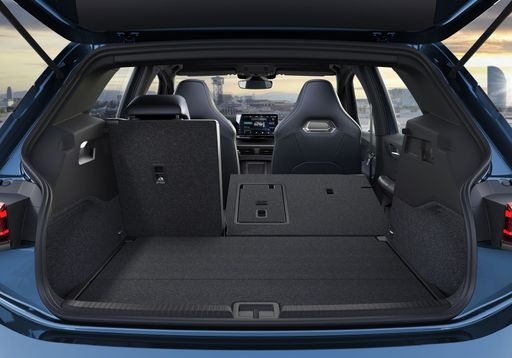
  • somewhat more trunk space

Volvo EX30

3.6 (5 Reviews)
rate
  • marginally cheaper
  • visibly more power
  • substantially quicker 0–100 km/h

All details on performance, efficiency, range and trunk space can be found in the technical comparison below – including user reviews for both models.

Born

Compact and Electrifying: CUPRA Born vs. Volvo EX30

The electric vehicle landscape is rapidly evolving, and two standout models leading the charge are the CUPRA Born and Volvo EX30. Both cars come packed with innovation, striking design, and impressive technological prowess. But how do these two electrifying vehicles stack up when compared directly? Let's delve into their key features and see which car takes the lead in the ever-competitive electric domain.
EX30

Design and Dimensions: Hatchback vs. SUV

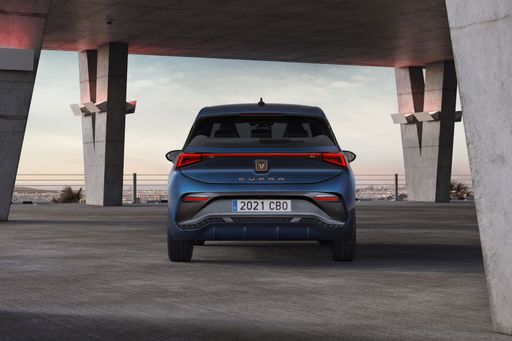
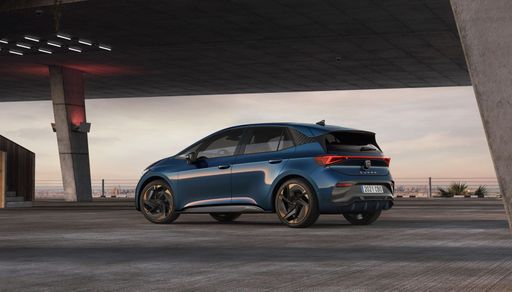
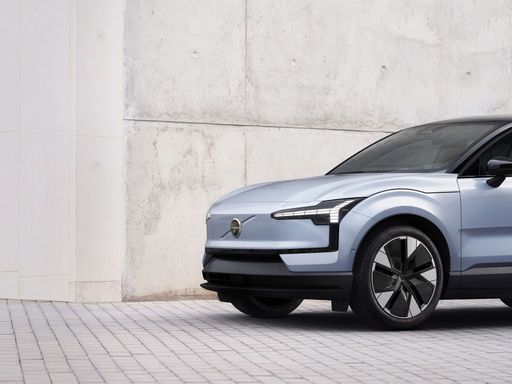
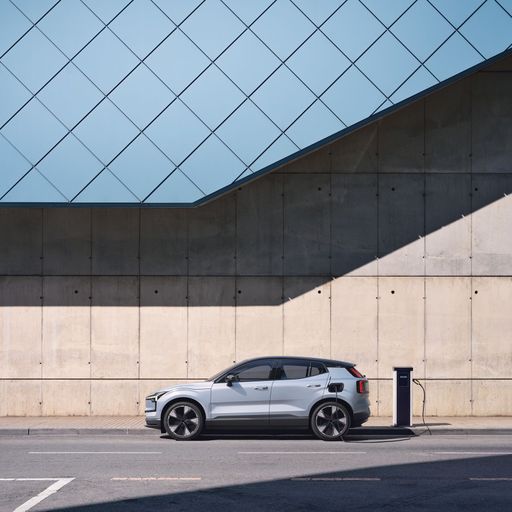
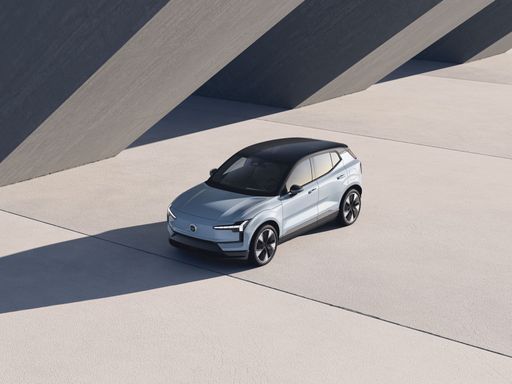
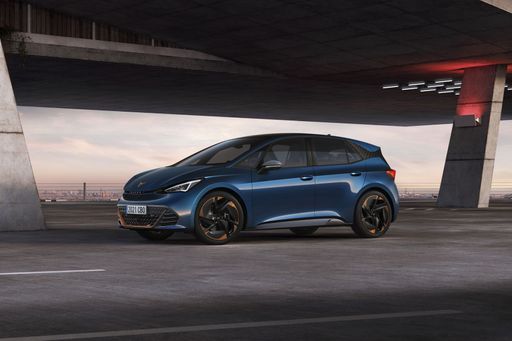
The CUPRA Born presents itself as a sleek hatchback, measuring 4,324 mm in length, 1,809 mm in width, and 1,540 mm in height. This dynamic stance gives it a sporty presence on the road. Meanwhile, the Volvo EX30 takes on the SUV market with dimensions of 4,233 mm in length, 1,837 mm in width, and standing at a taller 1,549 mm. This bold design aligns with Volvo's vision of providing vehicles with a commanding road presence.

Born

Power and Performance

The CUPRA Born offers rear-wheel drive with two primary power outputs: 231 HP and a potent 326 HP, alongside torque figures of up to 545 Nm. It promises a zippy acceleration from 0 to 100 km/h in just 5.6 seconds, ensuring a thrilling driving experience. The Born reaches a top speed of up to 200 km/h, providing ample speed for highways.

In corner two, the Volvo EX30, available in both rear-wheel and all-wheel-drive configurations, boasts power outputs ranging from 272 HP up to an exhilarating 428 HP. The EX30's most performance-tuned variant can accelerate from 0 to 100 km/h in a blistering 3.6 seconds, a testament to its electric prowess. The EX30 also features a notable maximum speed of 180 km/h.

EX30

Range and Efficiency

When it comes to range, the CUPRA Born is a frontrunner, offering an electric range between 427 km to an impressive 555 km, depending on the battery option, which varies from 60 kWh to 79 kWh. Its consumption figures start at an efficient 14.9 kWh/100 km.

The Volvo EX30, with battery sizes of 49 kWh and 65 kWh, delivers a range spanning 339 km to 476 km. The consumption ranges from 17 kWh/100 km to 18.7 kWh/100 km. Though its range is slightly less than the CUPRA, its powerful performance configuration ensures that drivers won't be left longing for dynamism.

Born

Space and Practicality

Inside the cabin, both vehicles offer seating for up to five passengers. The CUPRA Born provides a trunk capacity of 385 liters, catering well to those needing ample cargo space. Meanwhile, the Volvo EX30, traditionally focused on versatility, offers a smaller trunk of 318 liters, given its SUV classification, but aims to strike a balance between premium quality and space.

EX30

Weight and Handling

For handling and agility, the CUPRA Born carries a curb weight of approximately 1,841 kg to 1,999 kg, depending on the configuration. This weight contributes to its low center of gravity, enhancing cornering capabilities. The Volvo EX30’s weight ranges from 1,840 kg to 1,983 kg, slightly heavier due to its SUV build but leverages Volvo's engineering precision to maintain stability and comfort.

Born

Conclusion: Choosing Your Electric Path

Both the CUPRA Born and Volvo EX30 mark significant strides in electric vehicle innovation, each catering to different lifestyle needs. The CUPRA Born is ideal for those seeking a sporty yet efficient hatchback, whereas the Volvo EX30 offers formidable SUV performance wrapped in Volvo's signature commitment to safety and quality. Ultimately, the choice between these two exceptional vehicles will come down to your personal preferences in style, performance, and practicality.

Here’s where it gets real: The technical differences in detail

Born

Costs and Efficiency:

Price and efficiency are key factors when choosing a car – and this is often where the real differences emerge.

Volvo EX30 is marginally cheaper – starting at 33,000 £ , while the CUPRA Born costs 34,700 £ . That’s a price difference of around 1,680 £.

In terms of energy consumption, the CUPRA Born is a bit more efficient: consuming 14.9 kWh/100km compared to 17 kWh/100km for the Volvo EX30. That’s a difference of about 2.1 kWh/100km.

As for electric range, the CUPRA Born offers a bit more range – reaching up to 594 km, about 118 km more than the Volvo EX30.

EX30

Engine and Performance:

Power, torque and acceleration say a lot about how a car feels on the road. This is where you see which model delivers more driving dynamics.

When it comes to engine power, the Volvo EX30 offers visibly more power – delivering 428 HP compared to 326 HP. That’s roughly 102 HP more horsepower.

When accelerating from 0 to 100 km/h, the Volvo EX30 is substantially quicker – completing the sprint in 3.6 s, while the CUPRA Born takes 5.6 s. That’s about 2 s quicker.

Looking at top speed, the CUPRA Born is very slightly faster – reaching 200 km/h, while the Volvo EX30 tops out at 180 km/h. The difference is around 20 km/h.

There’s also a difference in torque: the CUPRA Born delivers marginally more torque with 545 Nm compared to 543 Nm. That’s about 2 Nm more.

Born

Space and Everyday Use:

Cabin size, boot volume and payload all play a role in everyday practicality. Here, comfort and flexibility make the difference.

Both vehicles offer seating for 5 people.

In terms of curb weight, CUPRA Born is very slightly lighter – 1,828 kg compared to 1,840 kg. The difference is around 12 kg.

Looking at boot space, the CUPRA Born offers somewhat more boot space – 385 L compared to 318 L. That’s a difference of about 67 L.

For maximum load capacity, the CUPRA Born offers clearly more capacity – up to 1,267 L, about 267 L more than the Volvo EX30.

When it comes to payload, the CUPRA Born carries slightly more – 452 kg compared to 390 kg. That’s a difference of about 62 kg.

Who wins the race in the data check?

The CUPRA Born sits just ahead overall in the objective data comparison.
This result only shows which model scores more points on paper – not which of the two cars feels right for you.

from £34,700
Born

CUPRA Born

  • Engine Type : Electric
  • Transmission : Automatic
  • Drive Type : Rear-Wheel Drive
  • Power HP : 204 - 326 HP
  • Consumption kWh/100km : 14.9 - 16 kWh/100km
  • Electric Range : 428 - 594 km
CUPRA Born
Volvo EX30

Costs and Consumption

View detailed analysis

Engine and Performance

View detailed analysis

Dimensions and Body

View detailed analysis

CUPRA Born

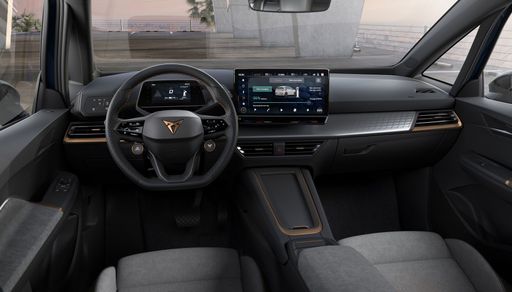
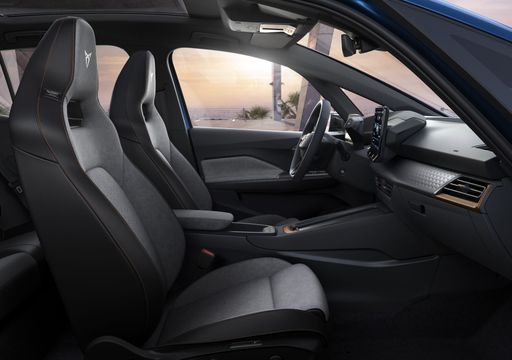
The CUPRA Born blends sharp, athletic styling with a playful electric character, delivering hatchback agility and hot-hatch attitude whether you're darting through the city or cruising the open road. Inside, the cabin punches above its weight with smart materials and practical space, making it a compelling pick for buyers who want electric motoring without surrendering the grin.

details

Volvo EX30

The Volvo EX30 arrives as a compact electric with crisp Scandinavian design and a cheeky personality, proving you can be serious about safety and still enjoy a grin on your commute. Its cabin is cleverly packaged and delightfully easy to live with, offering smart tech and practical touches that make it feel like a grown-up's city car with a sense of fun.

details
CUPRA Born
Volvo EX30

Costs and Consumption

Price
34,700 - 45,300 £
Price
33,000 - 49,100 £
Consumption L/100km
-
Consumption L/100km
-
Consumption kWh/100km
14.9 - 16 kWh/100km
Consumption kWh/100km
17 - 18.3 kWh/100km
Electric Range
428 - 594 km
Electric Range
339 - 476 km
Battery Capacity
79 kWh
Battery Capacity
49 - 65 kWh
co2
0 g/km
co2
0 g/km
Fuel tank capacity
-
Fuel tank capacity
-

Dimensions and Body

Body Type
Hatchback
Body Type
SUV
Seats
5
Seats
5
Doors
5
Doors
5
Curb weight
1,828 - 1,999 kg
Curb weight
1,840 - 1,960 kg
Trunk capacity
385 L
Trunk capacity
318 L
Length
4,324 mm
Length
4,233 mm
Width
1,809 mm
Width
1,838 mm
Height
1,540 mm
Height
1,550 mm
Max trunk capacity
1,267 L
Max trunk capacity
1,000 L
Payload
431 - 452 kg
Payload
370 - 390 kg

Engine and Performance

Engine Type
Electric
Engine Type
Electric
Transmission
Automatic
Transmission
Automatic
Transmission Detail
Reduction Gearbox
Transmission Detail
Reduction Gearbox
Drive Type
Rear-Wheel Drive
Drive Type
Rear-Wheel Drive, All-Wheel Drive
Power HP
204 - 326 HP
Power HP
272 - 428 HP
Acceleration 0-100km/h
5.6 - 7.7 s
Acceleration 0-100km/h
3.6 - 5.7 s
Max Speed
200 km/h
Max Speed
180 km/h
Torque
265 - 545 Nm
Torque
343 - 543 Nm
Number of Cylinders
-
Number of Cylinders
-
Power kW
150 - 240 kW
Power kW
200 - 315 kW
Engine capacity
-
Engine capacity
-

General

Model Year
2,024 - 2,025
Model Year
2,024 - 2,025
CO2 Efficiency Class
A
CO2 Efficiency Class
A
Brand
CUPRA
Brand
Volvo
DriveDuel uses data analysis and artificial intelligence to evaluate vehicle data and create content. Content is regularly reviewed and improved. The displayed prices are estimates based on German list prices, adjusted to the respective country’s VAT. Country-specific registration taxes are not included. This information is not legally binding.