VS

Volvo EX30 vs CUPRA Raval comparison

Compare performance (428 HP vs 226 HP), boot space and price (30,000 £ vs 22,200 £ ) at a glance. Find out which car is the better choice for you – Volvo EX30 or CUPRA Raval?

Volvo EX30 vs CUPRA Raval: Key differences

Volvo EX30

3.5 (8 Reviews)
rate
  • substantially more power
  • only slightly more electric range
  • significantly quicker 0–100 km/h
details

CUPRA Raval

4.6 (2 Reviews)
rate
  • markedly cheaper
  • noticeably more efficient
  • somewhat lighter
  • noticeably more trunk space
details

All details on performance, efficiency, range and trunk space can be found in the technical comparison below – including user reviews for both models.

By Achim Sedelmaier

EX30

Volvo EX30 VS CUPRA Raval — quick verdict and what this page covers

The comparison between the Volvo EX30 and the CUPRA Raval pits a compact, comfort‑leaning Scandinavian SUV against a sporty, practical electric hatchback. The EX30 trades on premium feel, quiet long‑distance manners and a techy, minimalist cabin; the Raval answers with bigger usable space, sharper front‑end traction and a more conventional control layout. This piece focuses on how those differences translate to daily life — city parking, family trips, cabin comfort and long runs — rather than spec sheets. Read on to see which car’s personality lines up with your real-world priorities.
Raval

Character on the road: relaxed luxury versus focused agility

The Volvo EX30 behaves like a small Scandinavian lounge: tuned for smoothness, stable at speed and capable of surprising bursts when you ask for them, but it’s not a purpose‑built corner carver. The CUPRA Raval leans the other way — it feels tighter, with pronounced traction and a chassis that encourages brisk, planted driving through bends. In town the EX30’s light steering and easy maneuverability make daily driving effortless, while the Raval rewards a more engaged driver with better front-end pull and composure in quick direction changes. The trade‑off is clear: pick the EX30 if you prioritise composed, easy cruising; choose the Raval if you want a small car that actually pulls you into a corner.

EX30

Cabin feel and comfort: Scandinavian minimalism vs sporty practicality

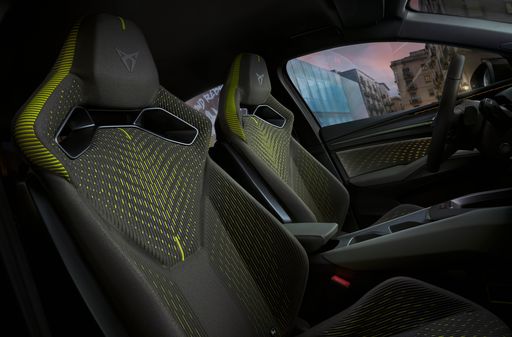
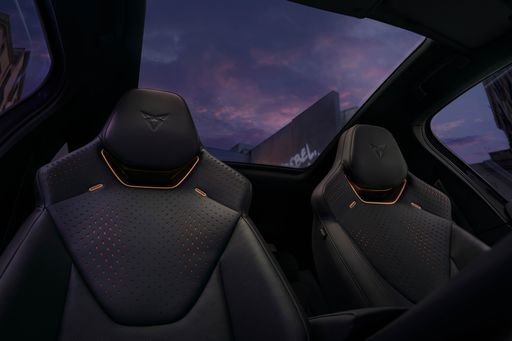
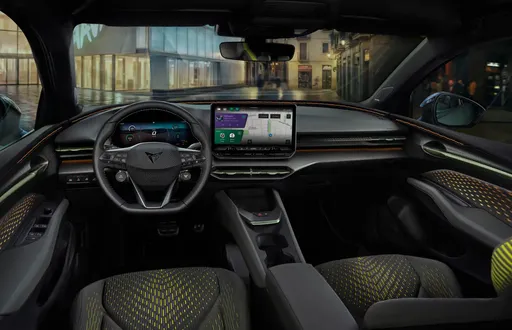
Step into the Volvo EX30 and the first impression is deliberate refinement — tactile materials, sculpted seats up front and a calm, restrained ambience that reads premium. The CUPRA Raval’s interior is more driver‑focused: sporty accents, firmer seat options and a layout built around usability rather than serenity. Rear passenger experience underlines the split: the EX30’s back seat is acceptably cosy for kids or short hops, whereas the Raval gives noticeably more room and a flattish floor that’s friendlier for adults on the back bench. In practice that means the EX30 feels more boutique up front, but the Raval is the more sensible cabin when you regularly carry rear passengers.

Raval

Everyday practicality and luggage: pack‑friendly hatchback vs compact crossover

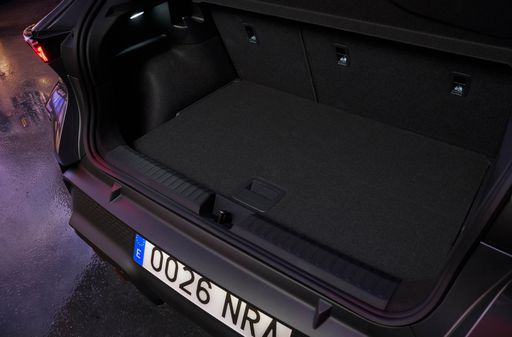
Practicality is where the CUPRA Raval clearly stakes its claim — the hatchback’s boot space and clever load floor make weekly shopping, pushchairs and suitcases much easier to manage. The Volvo EX30’s trunk is neat and well finished but visibly smaller and takes more thought when you’ve got bigger items or a full load for a weekend escape. In tight urban garages both cars are easy to park, but the Raval’s roomier rear and flatter load area win out for families or buyers who actually need cargo flexibility. If your life involves regular luggage or bulky items, the Raval will reduce compromises; the EX30 favours buyers who value style and cabin comfort over maximum cargo.

EX30

Controls, infotainment and day‑to‑day usability: screen‑first vs mixed ergonomics

The EX30 puts a powerful Google ecosystem front and centre and that brings excellent navigation and voice features, but it also leans hard on a single central screen which can interrupt concentration. The CUPRA Raval's Android‑based system feels faster and benefits from more physical controls and conventional ergonomics, so basic adjustments are less distracting on the move. Both cars offer modern connectivity and over‑the‑air updates, yet the difference matters: the EX30’s minimalism suits tech fans who don’t mind diving into menus, while the Raval’s layout suits buyers who prefer tactile confirmation for climate and driving modes. In daily use the result is a smoother, less fiddly experience in the Raval and a sleeker, slightly more demanding digital cockpit in the EX30.

Raval

Who should buy which car: matching priorities and likely regrets

If you’re a tech‑savvy urban professional or a couple who prize premium materials, quiet highway cruising and brisk acceleration in a compact package, the Volvo EX30 aligns with that lifestyle — expect superior front‑seat comfort and a more luxe feel at the cost of rear space and a fiddly touchscreen habit. If your week includes family logistics, larger loads, or you simply enjoy a car with sharper traction and tangible dynamics, the CUPRA Raval makes more sense: it’s the more practical, engaging daily driver with a roomier rear and easier‑to‑use controls. Consider the trade‑offs carefully — the next technical section drills into range, charging behaviour, acceleration and cargo numbers so you can match the character above with the hard data that determines real ownership costs.

Here’s where it gets real: The technical differences in detail

EX30

Costs and Efficiency:

Price and efficiency are often the first things buyers look at. Here it becomes clear which model has the long-term edge – whether at the pump, the plug, or in purchase price.

CUPRA Raval is markedly cheaper – starting at 22,200 £ , while the Volvo EX30 costs 30,000 £ . That’s a price difference of around 7,749 £.

In terms of energy consumption, the CUPRA Raval is noticeably more efficient: consuming 13.6 kWh/100km compared to 17 kWh/100km for the Volvo EX30. That’s a difference of about 3.4 kWh/100km.

As for electric range, the Volvo EX30 offers only slightly more range – reaching up to 475 km, about 30 km more than the CUPRA Raval.

Raval

Engine and Performance:

Under the bonnet, it becomes clear which model is tuned for sportiness and which one takes the lead when you hit the accelerator.

When it comes to engine power, the Volvo EX30 offers substantially more power – delivering 428 HP compared to 226 HP. That’s roughly 202 HP more horsepower.

When accelerating from 0 to 100 km/h, the Volvo EX30 is significantly quicker – completing the sprint in 3.6 s, while the CUPRA Raval takes 6.8 s. That’s about 3.2 s quicker.

There’s also a difference in torque: the Volvo EX30 delivers clearly more torque with 543 Nm compared to 290 Nm. That’s about 253 Nm more.

EX30

Space and Everyday Use:

Beyond pure performance, interior space and usability matter most in daily life. This is where you see which car is more practical and versatile.

Both vehicles offer seating for 5 people.

In terms of curb weight, CUPRA Raval is somewhat lighter – 1,610 kg compared to 1,840 kg. The difference is around 230 kg.

Looking at boot space, the CUPRA Raval offers noticeably more boot space – 441 L compared to 318 L. That’s a difference of about 123 L.

When it comes to payload, the CUPRA Raval carries slightly more – 475 kg compared to 390 kg. That’s a difference of about 85 kg.

Who wins the race in the data check?

The Volvo EX30 is far ahead overall in the objective data comparison.
This result only shows which model scores more points on paper – not which of the two cars feels right for you.

from £30,000
EX30

Volvo EX30

  • Engine Type Electric
  • Transmission Automatic
  • Drive Type Rear-Wheel Drive, All-Wheel Drive
  • Power HP 150 - 428 HP
  • Consumption kWh/100km 17 - 18.3 kWh/100km
  • Electric Range 339 - 475 km
Volvo EX30
CUPRA Raval

Costs and Consumption

View detailed analysis

Engine and Performance

View detailed analysis

Dimensions and Body

View detailed analysis

Volvo EX30

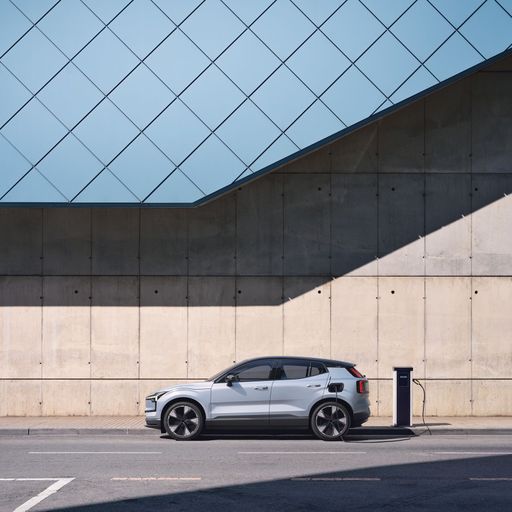
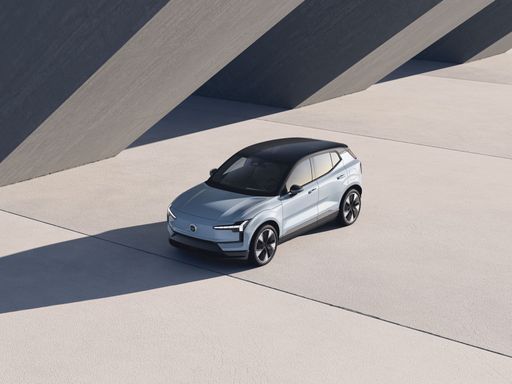
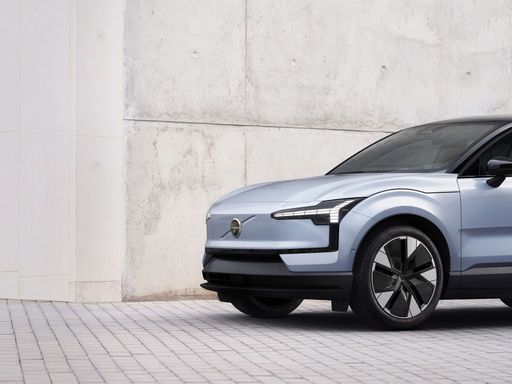
The Volvo EX30 is a compact all-electric crossover that mixes Volvo's strong safety focus with clean Scandinavian design for a really city-friendly package. It feels lively and easy to live with, pairing a premium-feeling interior and modern connectivity with a practical footprint for urban driving.

details

CUPRA Raval

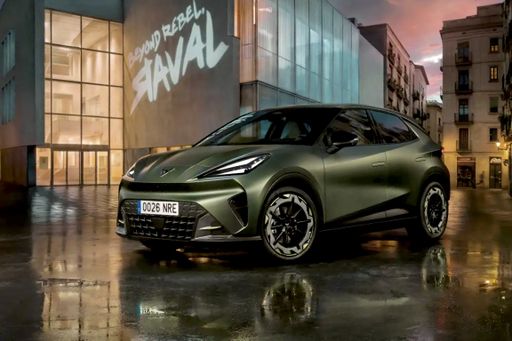
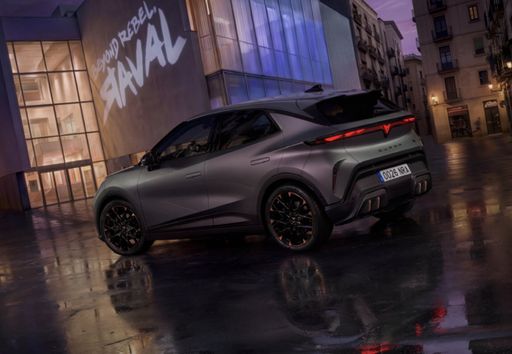
The CUPRA Raval is a compact electric hatch that mixes hot‑hatch intent with genuine everyday practicality, pairing an unusually roomy, flexible boot with a modern Android‑based infotainment that feels responsive. It drives in a composed, traction‑rich way that suits city and family life, though the steering leans toward assuredness rather than playfulness and some climate controls rely on touch sliders that can be fiddly on the move.

details
Volvo EX30
CUPRA Raval

Costs and Consumption

Price
30,000 - 47,800 £
Price
22,200 - 39,900 £
Consumption L/100km
-
Consumption L/100km
-
Consumption kWh/100km
17 - 18.3 kWh/100km
Consumption kWh/100km
13.6 - 16.1 kWh/100km
Electric Range
339 - 475 km
Electric Range
300 - 445 km
Battery Capacity
-
Battery Capacity
-
co2
0 g/km
co2
0 g/km
Fuel tank capacity
-
Fuel tank capacity
-

Dimensions and Body

Body Type
SUV
Body Type
Hatchback
Seats
5
Seats
5
Doors
-
Doors
-
Curb weight
1,840 - 1,960 kg
Curb weight
1,610 - 1,615 kg
Trunk capacity
318 L
Trunk capacity
441 L
Length
-
Length
-
Width
1,838 mm
Width
1,784 mm
Height
-
Height
-
Max trunk capacity
-
Max trunk capacity
-
Payload
370 - 390 kg
Payload
470 - 475 kg

Engine and Performance

Engine Type
Electric
Engine Type
Electric
Transmission
Automatic
Transmission
Automatic
Transmission Detail
Reduction Gearbox
Transmission Detail
Reduction Gearbox
Drive Type
Rear-Wheel Drive, All-Wheel Drive
Drive Type
Front-Wheel Drive
Power HP
150 - 428 HP
Power HP
116 - 226 HP
Acceleration 0-100km/h
3.6 - 8.6 s
Acceleration 0-100km/h
6.8 - 7.1 s
Max Speed
-
Max Speed
-
Torque
343 - 543 Nm
Torque
290 Nm
Number of Cylinders
-
Number of Cylinders
-
Power kW
110 - 315 kW
Power kW
85 - 166 kW
Engine capacity
-
Engine capacity
-

General

Model Year
2026
Model Year
2026
CO2 Efficiency Class
A
CO2 Efficiency Class
A
Brand
Volvo
Brand
CUPRA
DriveDuel uses data analysis and artificial intelligence to evaluate vehicle data and create content. Content is regularly reviewed and improved. The displayed prices are estimates based on German list prices, adjusted to the respective country’s VAT. Country-specific registration taxes are not included. This information is not legally binding.